

Key takeaways
- The national average dog dental cleaning cost is $388 (range $307-$702) and a cat's is $375 (range $300-$682), per CareCredit's April 2026 guide.
- Extractions change the math: PetMD lists tooth extraction at $500-$2,500 per tooth, so one pulled tooth can cost more than the cleaning itself.
- Most standard pet insurance does not cover routine dental cleanings, so the cost lands in the annual budget of a dog or cat.
The average dog dental cleaning cost is $388, and the average cat dental cleaning costs $375. CareCredit reports those national figures, with ranges of $307-$702 for dogs and $300-$682 for cats, in its April 2026 teeth cleaning guide. The real bill depends on your state, your clinic, and whether any tooth needs to come out. This guide breaks down what a dental cleaning really costs, what extractions add, and how to plan for it.
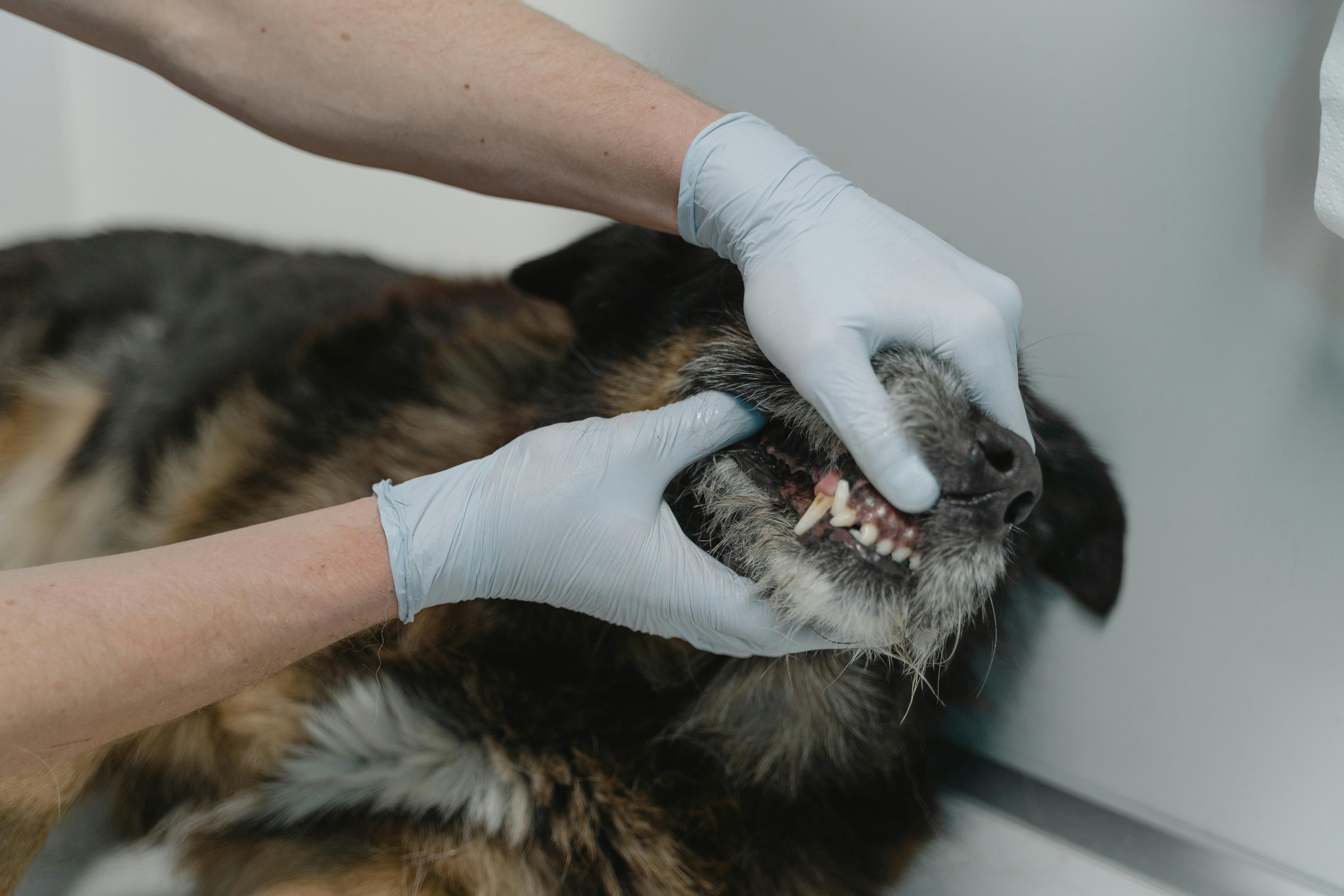 Photo: Tima Miroshnichenko / Pexels
Average dog teeth cleaning cost and cat cost by state
The dog teeth cleaning cost more than doubles between the cheapest and priciest states. CareCredit lists Mississippi at $310 for a dog and Hawaii at $696. Cats follow the same pattern, from $317 in Mississippi to $710 in Hawaii.
| State | Dog cleaning | Cat cleaning |
|---|---|---|
| Mississippi | $310 | $317 |
| Texas | $344 | $350 |
| Florida | $382 | $389 |
| New York | $458 | $464 |
| California | $518 | $527 |
| Hawaii | $696 | $710 |
| National average | $388 | $375 |
The state figures come from the same CareCredit guide. Cats cost slightly more than dogs in each state listed, yet the national average is lower for cats. CareCredit does not explain that gap, so use your own state's figure when you budget.
What a routine cleaning includes
A routine cleaning is a procedure under general anesthesia, not a simple brushing. CareCredit lists the standard steps:
- A mouth exam and measurements.
- Scaling to remove plaque and tartar above and below the gumline.
- Dental X-rays.
- Tooth polishing and a protective sealant.
- General anesthesia and pain medication.
Bloodwork may or may not be part of the price. PetMD reports that it "ranges from $75 for a young healthy dog up to $200 for a dog with underlying health conditions." Ask your clinic whether the quote includes it.
What extractions and advanced care add
Extractions are the reason dental bills jump. PetMD gives a range of $350-$500 for routine procedures and says the bill can reach $1,500 or more for advanced care. It also reports that extractions "can range from $500-$2,500 per tooth," depending on tooth size, how complex the extraction is, and surgery time, per its dog teeth cleaning cost guide.
Here is what one pulled tooth does to the total. This is this site's arithmetic, using CareCredit's $388 average plus PetMD's per-tooth range:
| Scenario | Estimated total |
|---|---|
| Routine cleaning, no extractions | $388 |
| Cleaning plus one extraction, low end | $888 |
| Cleaning plus one extraction, high end | $2,888 |
Each added extraction increases the total. That is why a small reserve for dental surprises is worth holding, and why our insurance cost guide treats a pet emergency fund as a core part of the budget.
$388
National average cost of a dog dental cleaning, per CareCredit's April 2026 guide. A single extraction can add $500-$2,500 per tooth. The pet cost calculator includes routine vet care in its annual and lifetime totals.
How often dogs need professional cleanings
Frequency depends on size and face shape. PetMD says small dogs and brachycephalic (flat-faced) breeds should be cleaned by a veterinarian every year. Large dogs need a cleaning every one and a half to two years.
PetMD adds a timing rule for the first cleaning: by age 1 for small and medium dogs, and by age 2 for large dogs. CareCredit reports that the American Veterinary Medical Association recommends annual dental cleanings and checkups for both cats and dogs. The two sources differ for large dogs, so ask your vet which schedule fits your pet.
This matters for the budget because dental care repeats. Our breed cost comparison notes that small breeds, including the French Bulldog and Beagle, are more prone to dental disease. The breed directory shows the ongoing cost for each breed in the calculator.
Why anesthesia-free cleanings do not save money
An anesthesia-free cleaning may cost less, but PetMD advises against it. It says these "awake" cleanings do not treat dental disease and are not safe for pets. Tartar below the gumline stays in place.
If a low price seems too good, ask whether the procedure includes anesthesia, scaling below the gumline, and X-rays. A cleaning that skips all three is not comparable to the averages in this guide.
What untreated dental disease can cost
CareCredit warns that untreated periodontal disease can progress with age and may lead to "kidney, liver and heart problems." Without professional care, advanced disease can cause tooth loss. The dollar cost of those outcomes depends on the diagnosis, so the clearest planning tool is an annual exam.
Routine exams catch dental problems early. Our vet visit frequency guide explains how a checkup can turn a large procedure into a small follow-up.
Does pet insurance cover teeth cleaning?
Most standard pet insurance does not cover routine dental cleanings. CareCredit reports that some providers sell optional wellness or dental add-ons. Insurers also exclude conditions that were present before a policy began. Our guide to waiting periods and pre-existing conditions explains how those exclusions work.
That means a dental cleaning belongs in your annual budget, not your claims plan. The insurer pricing breakdown shows what standard policies do pay for.
The lifetime cost of dental care
Dental care adds up over a pet's life because it repeats. The math below is this site's arithmetic on CareCredit's national averages. It assumes no extractions and no price increases:
| Pet | Cleaning schedule | Cleanings in 10 years | Total at national average |
|---|---|---|---|
| Small dog | Every year | 10 | $3,880 |
| Large dog | Every 2 years | 5 | $1,940 |
| Cat | Every year | 10 | $3,750 |
Real totals will differ. Prices rise with vet inflation, and extractions push the total up. Use the table as a floor for planning. Our dog cost guide and cat cost guide show where dental care fits into a full annual budget.
Work out your own number
Your state, your breed, and your pet's age all change the dental line. The pet cost calculator estimates annual and lifetime costs for 20 breeds and both species. Use it alongside a written quote from your vet that lists anesthesia, X-rays, bloodwork, and any extractions separately.
Frequently asked questions
How much does a dog teeth cleaning cost?
CareCredit's April 2026 guide reports a national average of $388, with a range of $307 to $702. PetMD lists $350-$500 for routine procedures and $1,500 or more for advanced care. Your state, clinic, and dog's needs decide where you land.
How much does a cat dental cleaning cost?
CareCredit reports a national average of $375 for a cat, with a range of $300 to $682. The price covers scaling, X-rays, polishing, anesthesia, and pain medication. Extractions and infection treatment cost extra.
How often does a dog need its teeth cleaned?
PetMD says small dogs and flat-faced breeds should have a professional cleaning every year. Large dogs need one every one and a half to two years. The first cleaning should happen by age 1 for small and medium dogs and by age 2 for large dogs.
Does pet insurance cover teeth cleaning?
Usually not. CareCredit reports that most standard pet insurance does not cover routine dental cleanings, although some insurers sell optional wellness or dental add-ons. Check the exclusions on your policy before you count on a claim.
See your own pet's real numbers.
Run the calculator with your breed, metro area, and care choices for a first-year, annual, and lifetime cost estimate — not a national average.