
Aegean Cost & Ownership Dossier
Aegean cat cost is unusual mainly because of scarcity outside Greece, not health risk: $2,167 covers import logistics, initial vetting, and supplies for one of the hardiest natural cat breeds. Ongoing spend settles near $71 in a healthy year. Across a typical lifespan, budget $10,737.
Executive cost summary
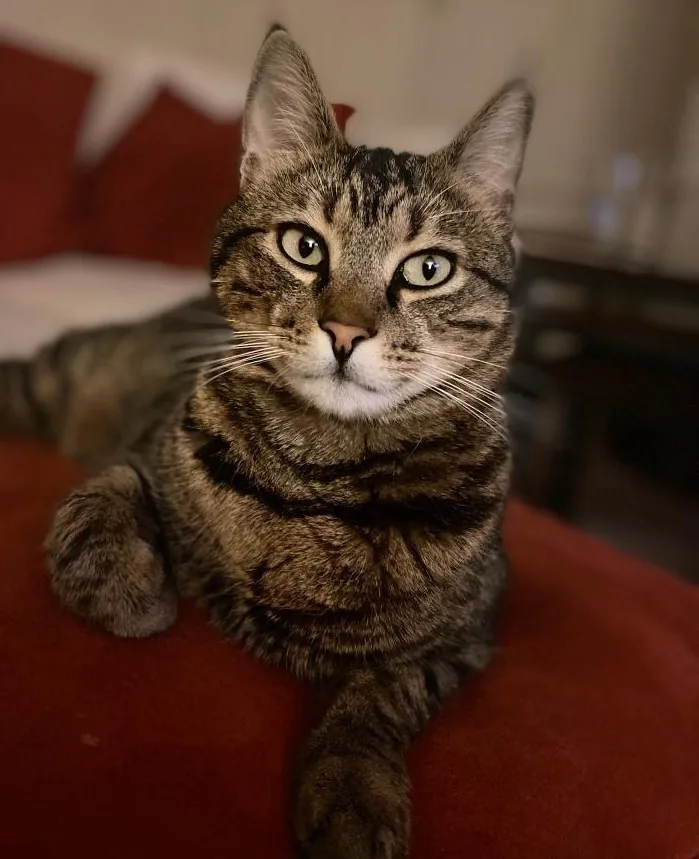
Aegean
Aegean cat cost is unusual mainly because of scarcity outside Greece, not health risk: $2,167 covers import logistics, initial vetting, and supplies for one of the hardiest natural cat breeds. Ongoing spend settles near $71 in a healthy year. Across a typical lifespan, budget $10,737.
Acquisition, surgical desexing, initial vet series, and starter hardware.
Normalized baseline at ~$71/month routine cash burn.
Projected over a 11-year Aegean lifespan.
$2,000 Liquid Reserve Mandate
Critical bufferAs a naturally evolved landrace breed with no closed gene pool or deliberate physical extremes, the Aegean avoids the inherited orthopedic, cardiac, and respiratory conditions that drive cost in most pedigreed cats.
Source: MetLife True Cost of Pet Emergencies 2025 (15% of owners hit $3,000+; uninsured surgery $3,000–8,000)
Biometric & phenotypic actuarial spec
Annual Cash Burn Matrix ($857/yr)
Continuous operational expenditure distributed across 5 core maintenance categories, indexed to metabolic demand and regional clinical rates.
Food
Vet Care
Grooming
Pet Insurance
Supplies & Toys
Upfront Entry CapEx
Purchase / Adoption Fee ($800), Initial Vet Visit & Vaccinations ($300), Starter Supplies ($260), Litter & Behavior Basics ($40), First Year Food ($213), First Year Vet Care ($221), First Year Grooming ($60), First Year Insurance ($273).
Comprehensive Lifecycle Ledger
Audited financial breakdown distinguishing immediate first-year fixed capitalization from ongoing annualized operating liabilities over the full 9–12 yrs feline lifespan.
| Expenditure Category | Year 01 Outlay | Annual Steady-State | Lifetime Total | Actuarial Sizing Methodology |
|---|---|---|---|---|
| Purchase / Adoption Fee | $800 | — | $800 | Varies by breeder vs rescue |
| Initial Vet Visit & Vaccinations | $300 | — | $300 | Spay/neuter, microchip, health check |
| Starter Supplies | $260 | — | $260 | Litter box, scratching post, carrier, bowls |
| Litter & Behavior Basics | $40 | — | $40 | Litter box training, scratching post basics |
| First Year Food | $213 | — | $213 | — |
| First Year Vet Care | $221 | — | $221 | — |
| First Year Grooming | $60 | — | $60 | — |
| First Year Insurance | $273 | — | $273 | — |
| Food | — | $213 | $2,343 | — |
| Vet Care | — | $221 | $2,431 | — |
| Grooming | — | $60 | $660 | — |
| Pet Insurance | — | $273 | $3,003 | — |
| Supplies & Toys | — | $90 | $990 | — |
| Gross Actuarial Expenditure | $2,167 | $857 / yr | $10,737 | Unadjusted baseline |
Actuarial Health Risk Profile (Tier 1)
As a naturally evolved landrace breed with no closed gene pool or deliberate physical extremes, the Aegean avoids the inherited orthopedic, cardiac, and respiratory conditions that drive cost in most pedigreed cats.
Periodontal Disease
Like most naturally evolved breeds, dental buildup is the most common health issue, typically caught at routine exams before it needs extractions.
Intestinal Parasites
A landrace history of free-roaming and fish scavenging on the Greek islands leaves imported or rescued Aegeans more likely to arrive with worms needing deworming and follow-up stool checks.
Obesity
A hearty appetite paired with a lower activity level once fully domesticated indoors can tip this medium-framed cat toward excess weight and its downstream joint and metabolic costs.
What Truly Drives the Aegean’s Financial Profile
About the Aegean and its cost
This natural breed's cost profile is shaped by rarity rather than fragility, since it developed on the Greek islands over centuries with no human-directed breeding for extreme traits, giving it a broad, resilient gene pool. Outside Greece the breed is genuinely scarce, so most non-Greek owners either import a cat directly or adopt through the handful of specialist breeders in North America and Europe, both of which add logistics cost on top of a modest acquisition fee. The semi-long coat sheds seasonally and needs a weekly brush, keeping grooming spend low next to long-haired show breeds.
What drives Aegean costs
Because this breed carries none of the inherited cardiac, respiratory, or orthopedic conditions common in closed-gene-pool pedigrees, routine preventive care rather than specialist treatment sets the Aegean's vet budget. The main watch items are dental buildup, common to nearly every domestic cat, and, for imported or rescued individuals, intestinal parasites picked up from an outdoor, fish-scavenging start in life. An enthusiastic appetite paired with reduced activity once settled indoors can also lead to weight gain, which raises food and joint-care costs over time if not managed. None of these issues typically require the ongoing specialist monitoring that many pedigreed breeds do.
Aegean cat first-year budget
$800 covers the cat itself, which for many owners includes import fees or travel to one of the few breeders outside Greece, and $300 pays for vaccines, spay or neuter, a fecal exam, and deworming if needed. $260 furnishes a litter box, scratching post, and carrier suited to a water-curious, playful cat, while $40 covers a scratching-post redirection kit rather than formal classes. Recurring costs stay light: $213 for a moderately active cat, $221 for early wellness visits, $60 for occasional brushing supplies, and $273 if enrolled. One-time costs total $1,400, recurring costs $767, for a first-year total of $2,167.
Aegean yearly cost after year one
Ongoing ownership settles near $857 a year, or roughly $71 a month. $213 stays moderate for this medium-framed, active cat, provided portions are measured to prevent weight gain. $273, if carried, remains a modest fixed cost given the breed's low disease burden. $221 covers an annual exam and dental check. $60 is minimal, limited to occasional brushing during seasonal shedding. $90 replaces scratching posts and interactive toys this playful, water-curious breed enjoys.
Emergency fund for an Aegean
Keep $2,000 set aside even though this breed carries few inherited risks. The realistic triggers are generic rather than breed-specific: an injury from outdoor exploration if allowed access, a heavy parasite load in a recently imported or rescued cat, or unrelated acute illness that can affect any cat regardless of breed. Because the Aegean's health profile does not point to one dominant expensive condition, the fund functions more as general insurance against bad luck than protection from a known weakness, which keeps the target amount modest relative to higher-risk breeds.
Cutting Aegean cat costs
The clearest saving is on acquisition: adopting through a Greek shelter or rescue organization, where available, costs far less than a breeder import while supporting the same naturally hardy gene pool. Weight management through portioned feeding avoids the joint and metabolic costs of obesity later in life. Routine dental care at home, including brushing or dental treats, delays the one dependable expense this breed does face. Because grooming and vet needs are already low, most of the achievable savings sit in acquisition choices rather than in trimming the $10,737 of ongoing care.
5 Prudent Ways to Cut Aegean Costs
Budget for import logistics upfront
If sourcing a cat from Greece, factor crate-approved carriers, international health certificates, and flight fees into the acquisition cost from the start. Treating these as part of the purchase price, not a surprise, avoids scrambling for funds mid-process.
Deworm and retest before mixing with other pets
An Aegean with any outdoor history should get a fecal exam and appropriate deworming before joining a multi-cat household. Catching parasites early is far cheaper than treating a household-wide outbreak later.
Measure food rather than free-feeding
This breed's hearty appetite paired with an indoor lifestyle can add weight quickly. Portioning meals protects against the vet costs tied to feline obesity, including joint strain and diabetes risk, over a long lifespan.
Brush weekly, not daily
The Aegean's semi-long coat is far less demanding than a true longhair's. A weekly session with a metal comb during shedding season is enough, saving the cost and time of professional grooming appointments.
Skip breed-specific insurance riders
Because the Aegean lacks the inherited disease clusters that drive up premiums for many pedigreed cats, a standard accident-and-illness policy is usually sufficient. Comparing base plans rather than paying for breed-specific riders keeps the premium reasonable.
Peer Class Financial Comparisons
How the Aegean compares to morphological peers on annualized ownership cost.
Aegean
Frequently Asked Financial Questions
How much does an Aegean cat cost per month?
Is an Aegean cat expensive to own?
Where can you buy an Aegean cat?
What are the yearly costs of owning an Aegean cat?
Do Aegean cats need pet insurance?
How much is an Aegean kitten?
Are Aegean cats healthy?
How much does an Aegean cat cost over its lifetime?
Data sources
- Aegean cat — Wikipedia (en.wikipedia.org)
- Intestinal Parasites in Cats — American Veterinary Medical Association (avma.org)
- Cutting Pet Care Costs — ASPCA (aspca.org)
Calculate Your Aegean Cost Adjusted by Metro ZIP Code
Veterinary surgical tariffs and clinical room rates vary widely between metropolitan regions and rural counties. Recalculate this dossier with your exact state, city, and lifestyle parameters.