
American Bobtail Cost & Ownership Dossier
American Bobtail cat cost starts around $2,628 for the kitten, initial vetting, and gear needed for one of the larger-bodied domestic cat breeds. Ongoing spend runs near $90 in a healthy year, higher than for a typical medium cat given the extra food a big frame needs. Across a long lifespan, plan for $15,516.
Executive cost summary
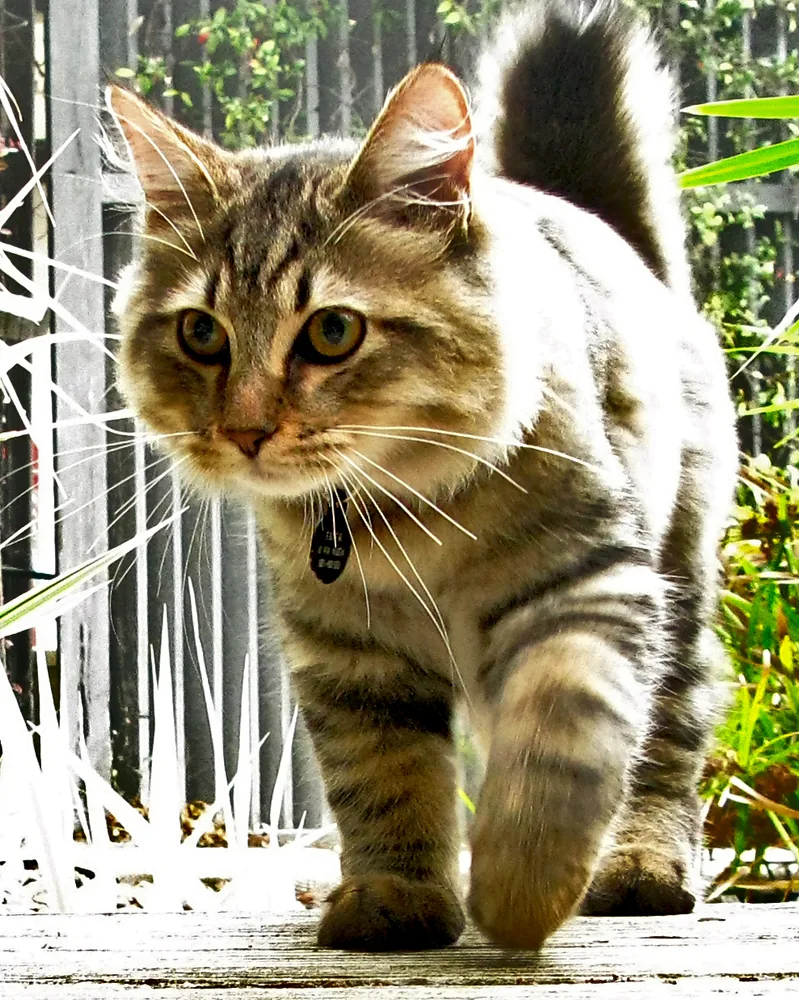
American Bobtail
American Bobtail cat cost starts around $2,628 for the kitten, initial vetting, and gear needed for one of the larger-bodied domestic cat breeds. Ongoing spend runs near $90 in a healthy year, higher than for a typical medium cat given the extra food a big frame needs. Across a long lifespan, plan for $15,516.
Acquisition, surgical desexing, initial vet series, and starter hardware.
Normalized baseline at ~$90/month routine cash burn.
Projected over a 13-year American Bobtail lifespan.
$2,500 Liquid Reserve Mandate
Critical bufferA genuinely large skeletal frame paired with above-average hip dysplasia risk and an obesity-prone appetite creates real orthopedic exposure, offset by the absence of cardiac or respiratory predispositions.
Source: MetLife True Cost of Pet Emergencies 2025 (15% of owners hit $3,000+; uninsured surgery $3,000–8,000)
Biometric & phenotypic actuarial spec
Annual Cash Burn Matrix ($1,074/yr)
Continuous operational expenditure distributed across 5 core maintenance categories, indexed to metabolic demand and regional clinical rates.
Food
Vet Care
Grooming
Pet Insurance
Supplies & Toys
Upfront Entry CapEx
Purchase / Adoption Fee ($1,000), Initial Vet Visit & Vaccinations ($318), Starter Supplies ($299), Litter & Behavior Basics ($40), First Year Food ($267), First Year Vet Care ($276), First Year Grooming ($60), First Year Insurance ($368).
Comprehensive Lifecycle Ledger
Audited financial breakdown distinguishing immediate first-year fixed capitalization from ongoing annualized operating liabilities over the full 11–15 yrs feline lifespan.
| Expenditure Category | Year 01 Outlay | Annual Steady-State | Lifetime Total | Actuarial Sizing Methodology |
|---|---|---|---|---|
| Purchase / Adoption Fee | $1,000 | — | $1,000 | Varies by breeder vs rescue |
| Initial Vet Visit & Vaccinations | $318 | — | $318 | Spay/neuter, microchip, health check |
| Starter Supplies | $299 | — | $299 | Litter box, scratching post, carrier, bowls |
| Litter & Behavior Basics | $40 | — | $40 | Litter box training, scratching post basics |
| First Year Food | $267 | — | $267 | — |
| First Year Vet Care | $276 | — | $276 | — |
| First Year Grooming | $60 | — | $60 | — |
| First Year Insurance | $368 | — | $368 | — |
| Food | — | $267 | $3,471 | — |
| Vet Care | — | $276 | $3,588 | — |
| Grooming | — | $60 | $780 | — |
| Pet Insurance | — | $368 | $4,784 | — |
| Supplies & Toys | — | $103 | $1,339 | — |
| Gross Actuarial Expenditure | $2,628 | $1,074 / yr | $15,516 | Unadjusted baseline |
Actuarial Health Risk Profile (Tier 3)
A genuinely large skeletal frame paired with above-average hip dysplasia risk and an obesity-prone appetite creates real orthopedic exposure, offset by the absence of cardiac or respiratory predispositions.
Hip Dysplasia
A larger, heavier-boned cat than most, the American Bobtail carries a higher-than-average rate of loose hip joints that can need imaging and, in severe cases, surgery.
Spinal Abnormalities
The natural tail-shortening mutation is a distinct gene from the Manx defect and is generally benign, but occasional cats show mild spinal or tail vertebra irregularities worth an early exam.
Obesity
A hearty appetite in a naturally large-framed breed makes weight gain common, compounding joint strain in a cat already prone to hip issues.
Periodontal Disease
Routine dental buildup affects this breed at the same rate as most cats, meaning periodic professional cleanings across adulthood.
What Truly Drives the American Bobtail’s Financial Profile
About the American Bobtail and its cost
American Bobtail cat cost reflects a breed built like a small bobcat, with a naturally shortened tail from a spontaneous mutation unrelated to the Manx defect, a sturdy medium-length coat, and a famously dog-like devotion to its people. Because it is genuinely a large domestic cat, food volume runs higher than for most breeds on this list, and furniture, carriers, and litter boxes need to be sized up accordingly. The breed remains uncommon relative to shorthair staples, so kitten prices from health-screening breeders run higher than for a random-bred cat, though shelters occasionally place naturally bobbed-tail cats at standard adoption fees.
What drives American Bobtail costs
Size is the main cost driver here. A cat that can reach well into the double digits in weight needs more food, larger-dose medications, and a correspondingly bigger emergency reserve than a small or medium breed. That same large frame carries a higher rate of hip dysplasia than most cats, which can progress to needing imaging or, in severe cases, surgical correction. The tail-shortening mutation itself is usually harmless, but a small share of cats show mild spinal quirks worth a veterinary look early on. Add a hearty appetite that tips easily into obesity, and joint-related vet spend compounds over the cat's long lifespan.
American Bobtail cat first-year budget
$1,000 secures the kitten from a breeder who screens hip conformation, and $318 covers vaccines, spay or neuter, microchip, and a baseline joint exam. $299 furnishes an oversized litter box, sturdy scratching post, and carrier suited to a large-framed adult, while $40 covers a puzzle-feeder and leash-training starter kit for this dog-like, trainable breed. Recurring costs start moderate: $267 for a large-bodied kitten heading toward a big adult size, $276 for early wellness visits, $60 for occasional brushing of the medium coat, and $368 if enrolled now. One-time costs total $1,657, recurring costs $971, for a first-year total of $2,628.
American Bobtail yearly cost after year one
Ongoing ownership runs near $1,074 a year, or about $90 monthly. $267 sits above average for a domestic cat given this breed's larger frame. $368 is worth keeping given the hip dysplasia risk. $276 covers an annual exam, weight check, and periodic joint monitoring as the cat ages. $60 stays modest for the medium coat. $103 replaces scratching posts and interactive toys this playful, dog-like breed wears out at an above-average pace.
Emergency fund for an American Bobtail
Keep $2,500 set aside for this breed's realistic risks. Severe hip dysplasia can require imaging and surgical correction, the single largest potential expense given the cat's genuine size and joint predisposition. A rare spinal or tail vertebra complication tied to the bobtail mutation is a smaller possibility. Because obesity compounds hip strain, a cat that has been allowed to gain excess weight faces higher odds of needing this fund. Building the reserve early, alongside insurance, protects the $15,516 you have planned for this long-lived breed.
Cutting American Bobtail costs
The clearest lever is weight control: keeping this large-framed, food-motivated breed lean directly reduces the mechanical stress behind its elevated hip dysplasia rate. Buying hip-screened stock from the start avoids the worst-case orthopedic scenario entirely. Because the coat needs only occasional brushing, grooming is already a minor line item, so redirect any savings there toward the emergency fund instead. Portioned meals and correctly sized furniture round out the practical ways to keep the $15,516 total closer to its lower end.
5 Prudent Ways to Cut American Bobtail Costs
Ask for hip screening on the parents
Breeders working with health-conscious lines can show clearances or radiograph results for hip conformation. Paying more for a screened litter reduces the odds of costly orthopedic surgery down the line.
Keep the cat lean from kittenhood
Because this breed already carries elevated hip dysplasia risk, extra weight adds mechanical stress the joints do not need. Measured meals and a body-condition check at every vet visit protect against a preventable orthopedic bill.
Buy furniture and litter boxes sized for a large cat
A standard-size litter box or scratching post wears out fast or gets outgrown by a cat this large. Buying oversized gear once, rather than replacing undersized items repeatedly, saves money over the cat's life.
Watch gait for early lameness
A skipping or bunny-hopping gait can signal developing hip dysplasia well before it becomes severe. Catching it early means non-surgical management is more likely to work, avoiding the cost of corrective surgery later.
Insure before any hip finding appears on record
Enroll while the cat is young and before any radiograph or gait abnormality is documented, since insurers exclude joint conditions noted after the fact. This is the single best way to keep the breed's biggest potential expense covered.
Peer Class Financial Comparisons
How the American Bobtail compares to morphological peers on annualized ownership cost.
American Bobtail
Frequently Asked Financial Questions
How much does an American Bobtail cat cost per month?
Is an American Bobtail cat expensive to own?
Why are American Bobtail cats so expensive?
What are the yearly costs of owning an American Bobtail cat?
Do American Bobtail cats need pet insurance?
How much is an American Bobtail kitten?
Is the American Bobtail's short tail a health problem?
How much does an American Bobtail cost over its lifetime?
Data sources
- American Bobtail — Wikipedia (en.wikipedia.org)
- Hip Dysplasia — Orthopedic Foundation for Animals (ofa.org)
- Cutting Pet Care Costs — ASPCA (aspca.org)
Calculate Your American Bobtail Cost Adjusted by Metro ZIP Code
Veterinary surgical tariffs and clinical room rates vary widely between metropolitan regions and rural counties. Recalculate this dossier with your exact state, city, and lifestyle parameters.