
Danish-Swedish Farmdog Cost & Ownership Dossier
Danish-Swedish farmdog cost runs from a modest one-time setup to a lean yearly budget, since this breed stays small, eats little, and rarely needs specialty veterinary care. Most owners spend $3,745 in year one, then settle into $1,670 for every year after. The biggest swing factor is whether pet insurance or an out-of-pocket emergency fund covers the occasional knee or eye issue.
Executive cost summary
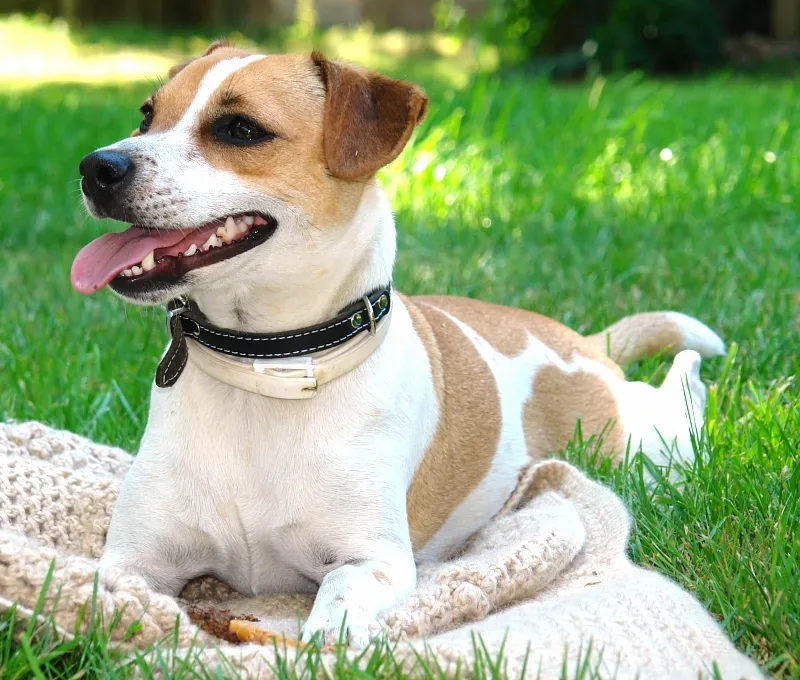
Danish-Swedish Farmdog
Danish-Swedish farmdog cost runs from a modest one-time setup to a lean yearly budget, since this breed stays small, eats little, and rarely needs specialty veterinary care. Most owners spend $3,745 in year one, then settle into $1,670 for every year after. The biggest swing factor is whether pet insurance or an out-of-pocket emergency fund covers the occasional knee or eye issue.
Acquisition, surgical desexing, initial vet series, and starter hardware.
Normalized baseline at ~$139/month routine cash burn.
Projected over a 14-year Danish-Swedish Farmdog lifespan.
$2,000 Liquid Reserve Mandate
Critical bufferA generally hardy, long-lived small breed whose main exposures are orthopedic and eye conditions rather than a defining costly syndrome.
Source: MetLife True Cost of Pet Emergencies 2025 (15% of owners hit $3,000+; uninsured surgery $3,000–8,000)
Biometric & phenotypic actuarial spec
Annual Cash Burn Matrix ($1,670/yr)
Continuous operational expenditure distributed across 5 core maintenance categories, indexed to metabolic demand and regional clinical rates.
Food
Vet Care
Grooming
Pet Insurance
Supplies & Toys
Upfront Entry CapEx
Purchase / Adoption Fee ($900), Initial Vet Visit & Vaccinations ($607), Starter Supplies ($437), Training Classes ($260), First Year Food ($266), First Year Vet Care ($577), First Year Grooming ($78), First Year Insurance ($620).
Comprehensive Lifecycle Ledger
Audited financial breakdown distinguishing immediate first-year fixed capitalization from ongoing annualized operating liabilities over the full 13–15 yrs canine lifespan.
| Expenditure Category | Year 01 Outlay | Annual Steady-State | Lifetime Total | Actuarial Sizing Methodology |
|---|---|---|---|---|
| Purchase / Adoption Fee | $900 | — | $900 | Varies by breeder vs rescue |
| Initial Vet Visit & Vaccinations | $607 | — | $607 | Spay/neuter, microchip, health check |
| Starter Supplies | $437 | — | $437 | Bed, crate, collar, bowls, toys |
| Training Classes | $260 | — | $260 | Basic obedience recommended |
| First Year Food | $266 | — | $266 | — |
| First Year Vet Care | $577 | — | $577 | — |
| First Year Grooming | $78 | — | $78 | — |
| First Year Insurance | $620 | — | $620 | — |
| Food | — | $266 | $3,724 | — |
| Vet Care | — | $577 | $8,078 | — |
| Grooming | — | $78 | $1,092 | — |
| Pet Insurance | — | $620 | $8,680 | — |
| Supplies & Toys | — | $129 | $1,806 | — |
| Gross Actuarial Expenditure | $3,745 | $1,670 / yr | $25,455 | Unadjusted baseline |
Actuarial Health Risk Profile (Tier 2)
A generally hardy, long-lived small breed whose main exposures are orthopedic and eye conditions rather than a defining costly syndrome.
Patellar Luxation
A kneecap that slips out of its groove, common in small active breeds and ranging from an occasional skip to a limp needing surgery.
Primary lens luxation
An inherited weakening of the fiber that holds the eye's lens in place, which can cause sudden painful glaucoma if untreated.
Hip Dysplasia
A looseness in the hip joint that shows up less often than in larger breeds but can still lead to arthritis and mobility costs later in life.
What Truly Drives the Danish-Swedish Farmdog’s Financial Profile
About the Danish-Swedish Farmdog and its cost
The Danish-Swedish Farmdog is a compact, sturdy working breed developed on Scandinavian farms to hunt vermin, herd, and guard the yard. That practical, low-frills background carries through to ownership cost: a short coat needs almost no professional grooming, the breed's size keeps food and medication doses small, and its working-dog constitution means fewer chronic conditions than many purebreds. Purchase price and adoption fees vary because the breed is still uncommon outside Scandinavia, which can push $900 higher than a comparably sized companion breed with wider domestic supply.
What drives Danish-Swedish Farmdog costs
Cost is driven less by size and more by activity level and longevity. This is a high-energy dog that needs real daily exercise, so owners who skip a securely fenced yard often add costs in the form of classes, a dog walker, or replaced furniture from an under-stimulated dog. Its 13-to-15-year lifespan means $577 and $620 lines get paid for longer than with shorter-lived breeds, and the patellar and lens conditions above are the main reasons a portion of owners choose to carry insurance rather than self-fund.
Danish-Swedish Farmdog first-year budget
Year one combines one-time and recurring costs. The one-time side includes $900 for the puppy, $607 for the first round of exams and vaccines, $437 for a crate, leash, and bowls, and $260 for a foundational obedience class, for an $2,204 setup subtotal. Layer on the first year's recurring $266, $577, $78, and $620 lines to reach an $1,541 recurring subtotal, bringing the full $3,745 for the year.
Danish-Swedish Farmdog yearly cost after year one
Once the one-time setup is behind you, ongoing costs settle into $266, $577, $78, $620, and $129 for replacement toys and gear, adding up to $1,670 a year. Spread across twelve months that averages to $139, though a single vet visit for a limp or eye issue can push a given month well past that average. Because this breed stays active and lean with modest feeding needs, most owners find food costs track the low end of what a working-type dog this size typically requires.
Emergency fund for a Danish-Swedish Farmdog
Because this breed's main risks are patellar luxation and primary lens luxation, both of which can require surgery, a reserve of $2,000 covers a single significant orthopedic or ophthalmic procedure without derailing your budget. Owners who skip insurance should treat this fund as non-negotiable, since either condition can arrive with little warning. Set it alongside your sense of the $25,455 this breed typically costs over a full life, so a bad year doesn't feel like an outlier you weren't prepared for.
Cutting Danish-Swedish Farmdog costs
The clearest lever is prevention: a health-tested puppy and consistent daily exercise reduce the odds of ever tapping the emergency-level end of $25,455. Because grooming is nearly free for this breed, most of the controllable spending sits in food quality and insurance choice, so comparing plans before you need one and buying food to the dog's actual activity level keeps $1,670 and $139 closer to the low end of what similarly sized working breeds cost.
5 Prudent Ways to Cut Danish-Swedish Farmdog Costs
Skip the professional groomer
The short, dense coat sheds dirt easily and needs only an occasional bath and a weekly brushing at home. Budgeting for a groomer's visit is optional rather than routine for this breed.
Buy from a health-tested breeder
Ask for patella and eye clearances before you commit to a puppy. Paying more up front for a health-tested litter often avoids larger orthopedic or ophthalmic bills later.
Feed to a working-dog portion size
This breed stays lean and active, so a correctly sized bag of a mid-tier food lasts longer than the label math suggests for a dog its weight. Overfeeding, not the breed itself, is the main way food costs creep up.
Front-load training instead of behavior fixes later
A structured puppy class channels this breed's high energy and prevents the destructive habits that lead to vet visits or replaced household items. Early training is cheaper than remedial behavior work.
Compare insurance before you need it
Because the breed's known conditions are orthopedic and ocular rather than acute emergencies, shop plans that cover surgery well rather than paying for broad accident-only coverage you won't use.
Peer Class Financial Comparisons
How the Danish-Swedish Farmdog compares to morphological peers on annualized ownership cost.
Danish-Swedish Farmdog
Frequently Asked Financial Questions
How much does a danish-swedish farmdog cost per month?
Is a danish-swedish farmdog expensive to own?
What are the yearly costs of owning a danish-swedish farmdog?
How much are danish-swedish farmdog vet bills?
Do danish-swedish farmdogs need pet insurance?
How much is a danish-swedish farmdog puppy?
What is the lifetime cost of owning a danish-swedish farmdog?
How much does danish-swedish farmdog grooming cost?
Data sources
- Danish-Swedish Farmdog — American Kennel Club (akc.org)
- Danish-Swedish Farmdog — Wikipedia (en.wikipedia.org)
- Section 3: Average Pet Insurance Premiums — NAPHIA (naphia.org)
Calculate Your Danish-Swedish Farmdog Cost Adjusted by Metro ZIP Code
Veterinary surgical tariffs and clinical room rates vary widely between metropolitan regions and rural counties. Recalculate this dossier with your exact state, city, and lifestyle parameters.