
Deutscher Wachtelhund Cost & Ownership Dossier
Deutscher Wachtelhund cost runs highest in the first year, when purchase, initial vet work, and starter gear stack on top of each other. This rare German hunting spaniel is imported or bred by specialists, so puppies often carry higher prices than more common gundogs. After that, food, grooming for the dense coat, and routine vet care set the pace for every year after.
Executive cost summary
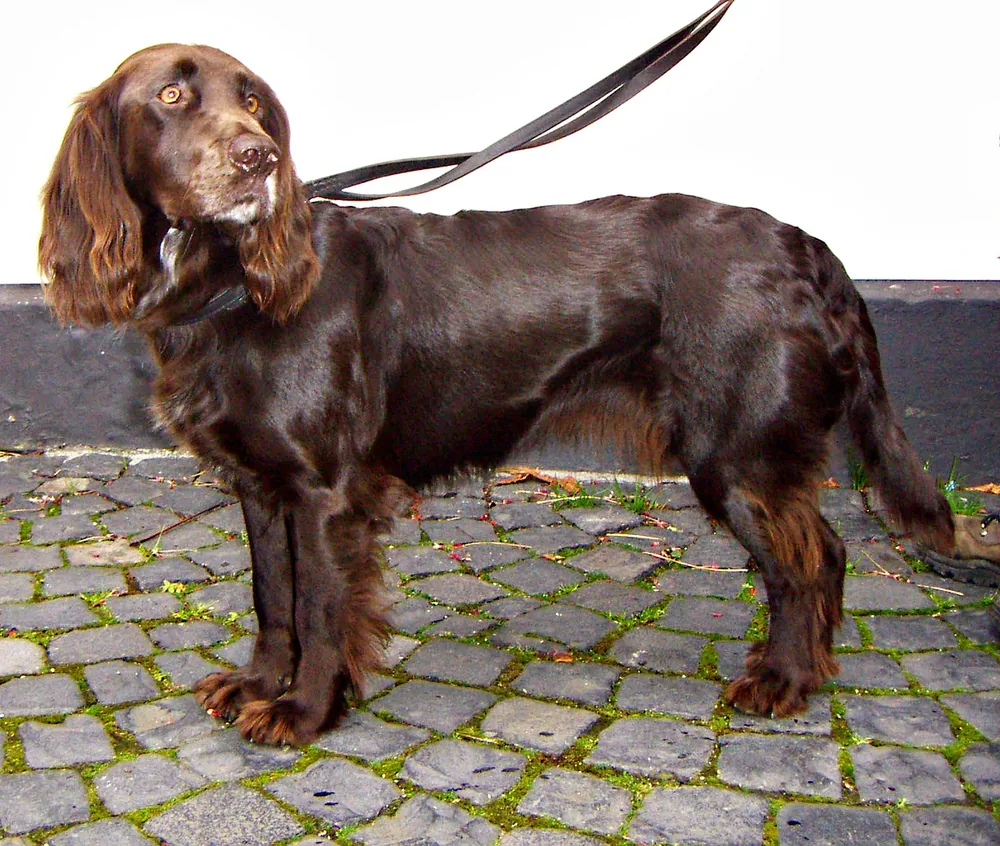
Deutscher Wachtelhund
Deutscher Wachtelhund cost runs highest in the first year, when purchase, initial vet work, and starter gear stack on top of each other. This rare German hunting spaniel is imported or bred by specialists, so puppies often carry higher prices than more common gundogs. After that, food, grooming for the dense coat, and routine vet care set the pace for every year after.
Acquisition, surgical desexing, initial vet series, and starter hardware.
Normalized baseline at ~$223/month routine cash burn.
Projected over a 13-year Deutscher Wachtelhund lifespan.
$3,000 Liquid Reserve Mandate
Critical bufferBreed-average risk driven by joint and ear issues common to active gundogs, offset by no single defining expensive syndrome.
Source: MetLife True Cost of Pet Emergencies 2025 (15% of owners hit $3,000+; uninsured surgery $3,000–8,000)
Biometric & phenotypic actuarial spec
Annual Cash Burn Matrix ($2,681/yr)
Continuous operational expenditure distributed across 5 core maintenance categories, indexed to metabolic demand and regional clinical rates.
Food
Vet Care
Grooming
Pet Insurance
Supplies & Toys
Upfront Entry CapEx
Purchase / Adoption Fee ($1,000), Initial Vet Visit & Vaccinations ($660), Starter Supplies ($475), Training Classes ($260), First Year Food ($625), First Year Vet Care ($660), First Year Grooming ($507), First Year Insurance ($749).
Comprehensive Lifecycle Ledger
Audited financial breakdown distinguishing immediate first-year fixed capitalization from ongoing annualized operating liabilities over the full 12–14 yrs canine lifespan.
| Expenditure Category | Year 01 Outlay | Annual Steady-State | Lifetime Total | Actuarial Sizing Methodology |
|---|---|---|---|---|
| Purchase / Adoption Fee | $1,000 | — | $1,000 | Varies by breeder vs rescue |
| Initial Vet Visit & Vaccinations | $660 | — | $660 | Spay/neuter, microchip, health check |
| Starter Supplies | $475 | — | $475 | Bed, crate, collar, bowls, toys |
| Training Classes | $260 | — | $260 | Basic obedience recommended |
| First Year Food | $625 | — | $625 | — |
| First Year Vet Care | $660 | — | $660 | — |
| First Year Grooming | $507 | — | $507 | — |
| First Year Insurance | $749 | — | $749 | — |
| Food | — | $625 | $8,125 | — |
| Vet Care | — | $660 | $8,580 | — |
| Grooming | — | $507 | $6,591 | — |
| Pet Insurance | — | $749 | $9,737 | — |
| Supplies & Toys | — | $140 | $1,820 | — |
| Gross Actuarial Expenditure | $4,936 | $2,681 / yr | $37,108 | Unadjusted baseline |
Actuarial Health Risk Profile (Tier 3)
Breed-average risk driven by joint and ear issues common to active gundogs, offset by no single defining expensive syndrome.
Hip Dysplasia
A working-line body type still carries joint laxity risk that can mean lameness and arthritis management as the dog ages.
Ear infections
Long, low-set ears trap moisture after fieldwork and swimming, making recurring otitis a routine vet-visit driver.
Epilepsy
Seizure disorders appear in the breed and, once diagnosed, mean lifelong anticonvulsant medication and periodic bloodwork.
Von Willebrand disease
This inherited clotting disorder shows up in some lines and can turn a routine surgery or injury into a costlier emergency.
What Truly Drives the Deutscher Wachtelhund’s Financial Profile
About the Deutscher Wachtelhund and its cost
The Deutscher Wachtelhund is a German flushing spaniel bred to trail and retrieve in dense cover, and its rarity outside Europe shapes much of what owners pay. Few breeders work with the line in North America, so puppies often mean a waitlist and sometimes an import fee on top of $1,000. Once home, the dog's drive and stamina call for regular field time or structured exercise, which owners often meet with training classes rather than a backyard alone. The long, weather-resistant coat needs brushing to prevent matting after work in brush or water. Because the breed is uncommon, veterinary staff may be less familiar with its specific health tendencies, which can mean extra diagnostic steps at early visits.
What drives Deutscher Wachtelhund costs
Size and activity level set the baseline: a mid-sized, high-energy dog eats more and needs more durable gear than a small companion breed. The health conditions that matter most here are orthopedic (hip dysplasia), chronic (recurring ear infections from a working coat and drop ears), and neurological (epilepsy, which means lifelong medication once diagnosed). Insurance premiums reflect that profile, and an emergency fund should assume at least one of these conditions surfaces. Grooming the dense, medium-length coat after fieldwork adds a recurring line most short-coated gundog owners skip entirely.
Deutscher Wachtelhund first-year budget
The first year front-loads cost: $1,000 for the puppy itself, $660 for initial exams, vaccines, and parasite prevention, and $475 for a crate, bedding, bowls, and a leash suited to an active dog. Add $260 if you enroll in obedience or field-work classes, which many owners do given the breed's drive. Together these one-time costs form the $2,395. Layer on $2,541 for food, early vet follow-ups, grooming, and insurance during the same twelve months, and the $4,936 reflects why year one costs more than any year after.
Deutscher Wachtelhund yearly cost after year one
Once past the first year, recurring costs settle into a steadier pattern: $625 for a mid-sized active dog's diet, $660 for annual exams and preventive care, $507 for coat upkeep after field or water work, $749 for ongoing coverage, and $140 for replacing worn gear. These combine into an $2,681 yearly figure, which averages out to $223 a month. Years with an ear infection or dental cleaning run above that average.
Emergency fund for a Deutscher Wachtelhund
Given the breed's tendency toward hip dysplasia, recurring ear infections, and occasional epilepsy or clotting-disorder cases, an $3,000 reserve is worth holding rather than assuming routine care will cover everything. A single orthopedic workup, an emergency ear surgery, or the start of seizure medication can consume that reserve in one incident. Viewed against the $37,108 lifetime estimate, the emergency fund is a small addition that prevents a single bad year from becoming a financial crisis.
Cutting Deutscher Wachtelhund costs
The biggest long-term lever is prevention: consistent ear drying and joint-friendly exercise reduce how often the $2,681 figure gets exceeded by an unplanned vet visit. Buying insurance before any symptom appears keeps coverage available for the conditions most likely to hit this breed, rather than excluded as pre-existing. Spreading grooming between home brushing and occasional professional visits keeps that line item modest rather than compounding into the $223 average. Over a full lifetime, these habits are what separate an owner who lands near the $37,108 estimate from one who exceeds it substantially.
5 Prudent Ways to Cut Deutscher Wachtelhund Costs
Buy from a health-tested line
Ask breeders for hip scores and any clotting-disorder screening before committing. A modest premium at purchase can avoid thousands in orthopedic or bleeding-related bills later.
Learn basic ear care yourself
Clean and dry the ears after every swim or hunt outing rather than waiting for infection signs. This single habit meaningfully cuts recurring vet visits for otitis.
Insure while young and healthy
Enroll before any seizure or joint symptom appears, since pre-existing conditions get excluded from coverage. Locking in a policy early keeps $749 predictable rather than unaffordable.
Budget grooming tools, not just groomer visits
A slicker brush and de-shedding comb used weekly at home reduce how often you need a professional groomer. Matting left unattended turns into a costlier shave-down appointment.
Use working-dog nutrition wisely
Match food to actual activity level rather than defaulting to the highest-calorie performance formula. Overfeeding a less active Wachtelhund adds cost without any benefit and raises joint strain.
Peer Class Financial Comparisons
How the Deutscher Wachtelhund compares to morphological peers on annualized ownership cost.
Deutscher Wachtelhund
Frequently Asked Financial Questions
How much does a Deutscher Wachtelhund cost?
How much does a Deutscher Wachtelhund puppy cost from a breeder?
What affects the price of a Deutscher Wachtelhund puppy?
How much does it cost to own a Deutscher Wachtelhund per month?
Is a Deutscher Wachtelhund expensive to maintain?
What is the lifetime cost of owning a Deutscher Wachtelhund?
Does pet insurance cost more for a Deutscher Wachtelhund?
Are Deutscher Wachtelhund vet bills high?
Data sources
- Deutscher Wachtelhund — Wikipedia (en.wikipedia.org)
- Pet Health Insurance — North American Pet Health Insurance Association (naphia.org)
- Choosing a Responsible Dog Breeder — American Society for the Prevention of Cruelty to Animals (aspca.org)
Calculate Your Deutscher Wachtelhund Cost Adjusted by Metro ZIP Code
Veterinary surgical tariffs and clinical room rates vary widely between metropolitan regions and rural counties. Recalculate this dossier with your exact state, city, and lifestyle parameters.