
Greyhound Cost & Ownership Dossier
Greyhound cost sits in the middle of the large-breed range, with $5,077 covering the adoption, initial vetting, and starter gear in year one. Ongoing care settles near $219 thanks to a coat that needs almost no grooming, though bloat and bone cancer risk keep the vet and insurance lines from being trivial. Budget $34,029 across a lifespan that typically reaches about a dozen years.
Executive cost summary
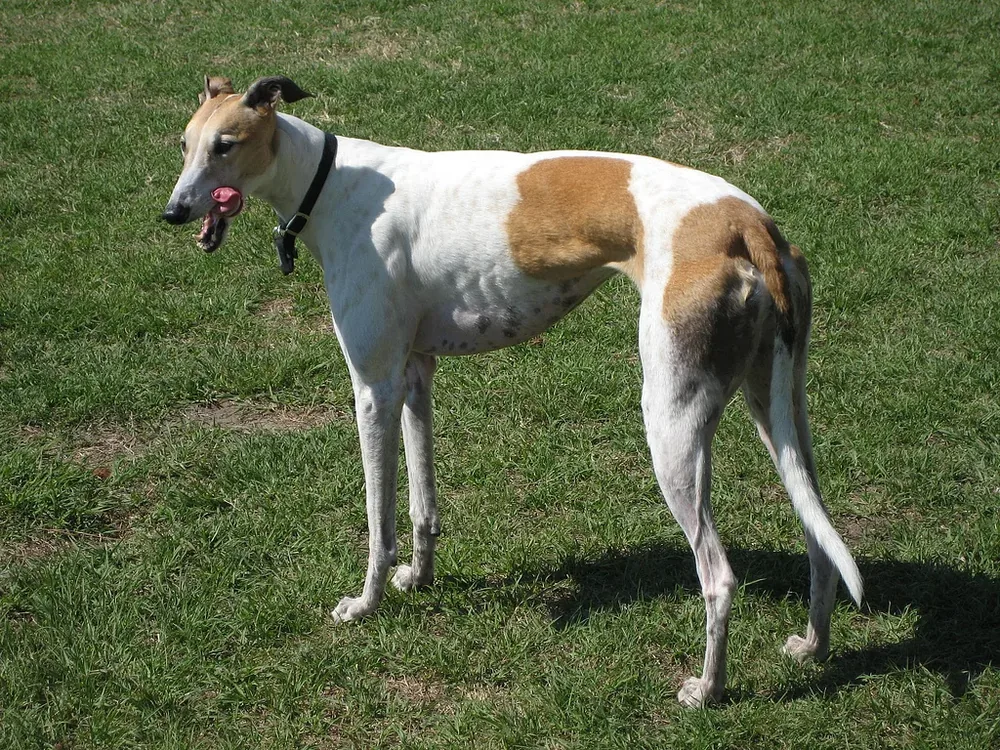
Greyhound
Greyhound cost sits in the middle of the large-breed range, with $5,077 covering the adoption, initial vetting, and starter gear in year one. Ongoing care settles near $219 thanks to a coat that needs almost no grooming, though bloat and bone cancer risk keep the vet and insurance lines from being trivial. Budget $34,029 across a lifespan that typically reaches about a dozen years.
Acquisition, surgical desexing, initial vet series, and starter hardware.
Normalized baseline at ~$219/month routine cash burn.
Projected over a 12-year Greyhound lifespan.
$4,000 Liquid Reserve Mandate
Critical bufferA well-documented bone-cancer predisposition in tall sighthounds plus deep-chested bloat risk create rare but very expensive events, even though the breed is otherwise sturdy with minimal grooming needs.
Source: MetLife True Cost of Pet Emergencies 2025 (15% of owners hit $3,000+; uninsured surgery $3,000–8,000)
Biometric & phenotypic actuarial spec
Annual Cash Burn Matrix ($2,632/yr)
Continuous operational expenditure distributed across 5 core maintenance categories, indexed to metabolic demand and regional clinical rates.
Food
Vet Care
Grooming
Pet Insurance
Supplies & Toys
Upfront Entry CapEx
Purchase / Adoption Fee ($1,100), Initial Vet Visit & Vaccinations ($700), Starter Supplies ($546), Training Classes ($260), First Year Food ($668), First Year Vet Care ($770), First Year Grooming ($78), First Year Insurance ($955).
Comprehensive Lifecycle Ledger
Audited financial breakdown distinguishing immediate first-year fixed capitalization from ongoing annualized operating liabilities over the full 10–14 yrs canine lifespan.
| Expenditure Category | Year 01 Outlay | Annual Steady-State | Lifetime Total | Actuarial Sizing Methodology |
|---|---|---|---|---|
| Purchase / Adoption Fee | $1,100 | — | $1,100 | Varies by breeder vs rescue |
| Initial Vet Visit & Vaccinations | $700 | — | $700 | Spay/neuter, microchip, health check |
| Starter Supplies | $546 | — | $546 | Bed, crate, collar, bowls, toys |
| Training Classes | $260 | — | $260 | Basic obedience recommended |
| First Year Food | $668 | — | $668 | — |
| First Year Vet Care | $770 | — | $770 | — |
| First Year Grooming | $78 | — | $78 | — |
| First Year Insurance | $955 | — | $955 | — |
| Food | — | $668 | $8,016 | — |
| Vet Care | — | $770 | $9,240 | — |
| Grooming | — | $78 | $936 | — |
| Pet Insurance | — | $955 | $11,460 | — |
| Supplies & Toys | — | $161 | $1,932 | — |
| Gross Actuarial Expenditure | $5,077 | $2,632 / yr | $34,029 | Unadjusted baseline |
Actuarial Health Risk Profile (Tier 4)
A well-documented bone-cancer predisposition in tall sighthounds plus deep-chested bloat risk create rare but very expensive events, even though the breed is otherwise sturdy with minimal grooming needs.
Osteosarcoma
An aggressive bone cancer that strikes the long leg bones of tall sighthounds; treatment means amputation, chemotherapy, or palliative care.
Gastric dilatation-volvulus (bloat)
The deep-chested stomach fills with gas and can twist, a surgical emergency that also justifies a preventive stomach tack in some dogs.
Periodontal Disease
Retired racers often arrive with heavy tartar and infected gums, so dental scaling and extractions are a common early expense.
Sighthound Anesthetic Sensitivity
Low body fat and distinct liver metabolism mean some anesthetics and sedatives need adjusted dosing, which can raise the cost of dental and surgical procedures.
What Truly Drives the Greyhound’s Financial Profile
About the Greyhound and its cost
Greyhound cost starts with an unusually gentle sprinter, a dog that spent centuries as a coursing hound and now spends most days asleep on the sofa. Many owners meet the breed through adoption groups that place retired racers, which keeps the greyhound adoption fee well below what a breeder would charge. The short, fine coat needs a rubber mitt rather than a salon, so grooming is one of the lowest lines in the budget. Food is a bigger item, because a lean dog of this height still eats like a large breed. Calm indoor habits and modest exercise needs mean few hidden costs beyond a proper bed, coats for winter, and a secure fence.
What drives Greyhound costs
Vet spending is where this breed stops being cheap. Osteosarcoma is more common in tall sighthounds than in most dogs, and treatment through amputation and chemotherapy is one of the larger single bills an owner can face. The deep chest raises bloat risk, an emergency that needs overnight surgery. Retired racers often need extensive dental work early, and their low body fat means anesthesia must be dosed carefully, which can add to procedure fees. Thin skin also tears easily, so sutures for minor cuts are a familiar expense. Together these factors make the pet insurance premium and an emergency reserve worth planning for.
Greyhound first-year budget
The first year is front-loaded. $1,100 secures the dog, whether through a retirement group or a breeder, and $700 covers vaccines, neutering if not already done, microchip, and a baseline dental exam. $546 buys a fitted martingale collar, a large plush bed, coats, and a raised feeder, and $260 pays for a basic class that helps a former racer adjust to house life. Recurring lines in year one include $668, $770 for prevention and any early dental work, $78 for baths and nail trims, and $955 if you enroll early. One-time items total $2,606, recurring items $2,471, and the year lands at $5,077.
Greyhound yearly cost after year one
Once setup is done, the Greyhound settles into a predictable pattern near $2,632 a year, or about $219 a month. $668 is the largest steady line because a tall dog eats large-breed portions. $955 is the next fixed cost and the one most worth keeping given the cancer and bloat risks. $770 covers an annual exam, dental scaling every year or two, and bloodwork as the dog ages. $78 stays small because the coat is short, and $161 covers replacement beds, coats, and chews. A surgery or heavy dental year sits on top of this baseline.
Emergency fund for a Greyhound
Keep $4,000 set aside for this breed. The realistic triggers are gastric dilatation-volvulus, which needs immediate surgery and a hospital stay, and osteosarcoma, where amputation and chemotherapy can be costly. Skin tears from a fence or a collision with furniture, and dental disease that turns into multiple extractions, can also draw on the reserve. Because sighthounds may need adjusted anesthesia protocols, procedure estimates sometimes run higher than for other large dogs. Funding this account early keeps one bad year from distorting the $34,029 you have planned for.
Cutting Greyhound costs
The most controllable lever is prevention. Feeding smaller meals and avoiding hard exercise after eating lowers bloat risk, and brushing teeth delays anesthetic cleanings, the second big item. Grooming is already close to free, so the savings come from adopting through a retirement group and comparing insurance deductibles rather than trimming daily care. Keeping the dog lean protects the joints and holds $219 steady. Together with a funded reserve, these habits can shave a meaningful fraction off $2,632 each year and reduce the odds of a shock bill against the $34,029 you have planned for.
5 Prudent Ways to Cut Greyhound Costs
Adopt from a racing-retirement group
Retirement organizations usually spay or neuter, vaccinate, and microchip before placement, and many include a dental exam. That bundle is worth far more than the modest adoption fee. Staff can also match a dog to your home, reducing the odds of a costly return or behavior problem.
Feed in two or three small meals
Splitting the daily ration and using a raised or slow bowl can lower bloat risk in this deep-chested breed. Skip vigorous exercise right after eating. Preventing even one emergency stomach surgery is worth more than any other single saving.
Start dental care on day one
Brush a few times a week and ask the vet to grade tartar at each visit. Dogs from racing kennels often arrive with rough teeth, and steady home care stretches the interval between anesthetic cleanings. Fewer anesthesia events also matter for a breed that metabolizes drugs differently.
Insure before any lump is found
Bone cancer is the expensive worry, and a policy started while the dog is healthy avoids a pre-existing exclusion later. Compare deductibles and reimbursement rates against what you could self-fund. A higher deductible lowers premiums if you also maintain an emergency account.
Groom at home with a rubber mitt
The short coat needs only a weekly mitt rub, occasional baths, and nail trims. Learning to trim nails yourself removes most of the professional grooming bill. Check for skin tears and corns on the feet while you do it.
Peer Class Financial Comparisons
How the Greyhound compares to morphological peers on annualized ownership cost.
Greyhound
Frequently Asked Financial Questions
How much does a greyhound cost per month?
Is a greyhound expensive to own?
What are the yearly costs of owning a greyhound?
How much are greyhound vet bills?
Do greyhounds need pet insurance?
How much is a greyhound puppy?
Do greyhounds need professional grooming?
What is the lifetime expense of owning a greyhound?
Data sources
- Greyhound Dog Breed Information — American Kennel Club (akc.org)
- Greyhound — Wikipedia (en.wikipedia.org)
- Cutting Pet Care Costs — ASPCA (aspca.org)
Calculate Your Greyhound Cost Adjusted by Metro ZIP Code
Veterinary surgical tariffs and clinical room rates vary widely between metropolitan regions and rural counties. Recalculate this dossier with your exact state, city, and lifestyle parameters.