
Hokkaido Cost & Ownership Dossier
Hokkaido cost stays moderate for a sturdy, medium-large spitz-type dog, with $4,954 covering acquisition, initial vetting, and starter gear. Ongoing care settles near $209 once the puppy year passes, with food and seasonal coat-blowing grooming as the main recurring lines. Budget $35,062 across a lifespan that commonly reaches the low teens.
Executive cost summary
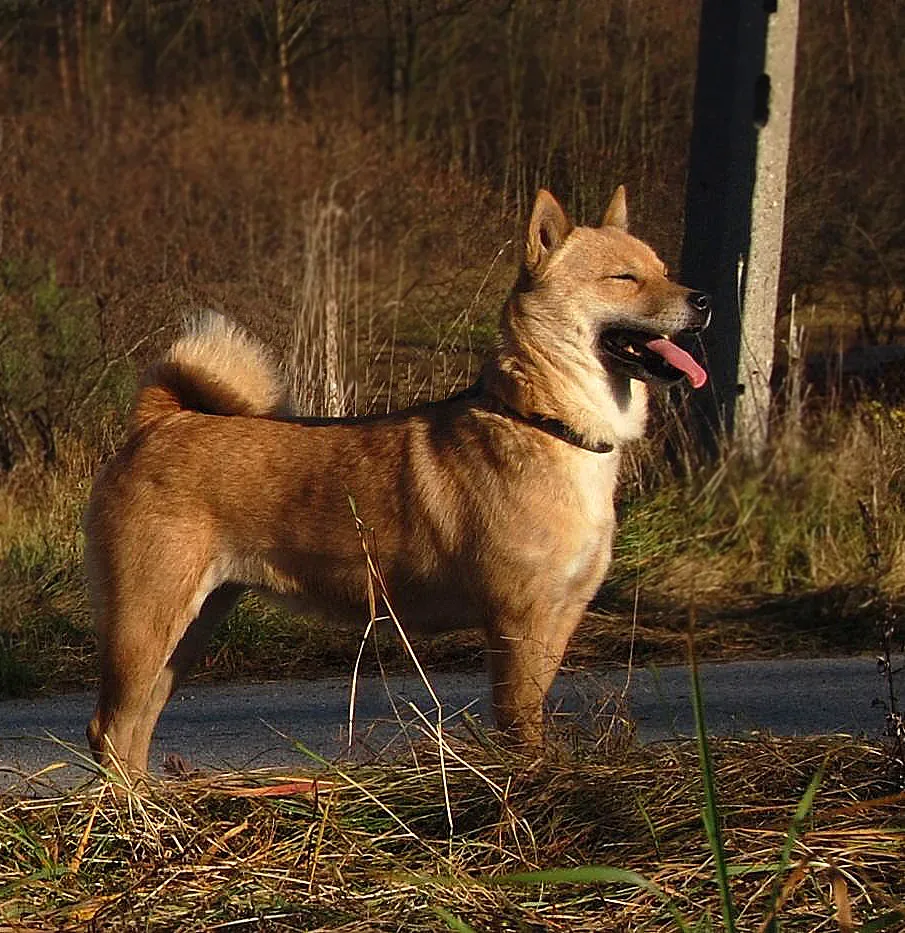
Hokkaido
Hokkaido cost stays moderate for a sturdy, medium-large spitz-type dog, with $4,954 covering acquisition, initial vetting, and starter gear. Ongoing care settles near $209 once the puppy year passes, with food and seasonal coat-blowing grooming as the main recurring lines. Budget $35,062 across a lifespan that commonly reaches the low teens.
Acquisition, surgical desexing, initial vet series, and starter hardware.
Normalized baseline at ~$209/month routine cash burn.
Projected over a 13-year Hokkaido lifespan.
$4,000 Liquid Reserve Mandate
Critical bufferA sturdy landrace-type spitz with a long working history and no defining expensive syndrome keeps vet spend below average, though orthopedic and skin issues still occur and health-screening data is thin.
Source: MetLife True Cost of Pet Emergencies 2025 (15% of owners hit $3,000+; uninsured surgery $3,000–8,000)
Biometric & phenotypic actuarial spec
Annual Cash Burn Matrix ($2,509/yr)
Continuous operational expenditure distributed across 5 core maintenance categories, indexed to metabolic demand and regional clinical rates.
Food
Vet Care
Grooming
Pet Insurance
Supplies & Toys
Upfront Entry CapEx
Purchase / Adoption Fee ($1,100), Initial Vet Visit & Vaccinations ($700), Starter Supplies ($546), Training Classes ($260), First Year Food ($627), First Year Vet Care ($665), First Year Grooming ($312), First Year Insurance ($744).
Comprehensive Lifecycle Ledger
Audited financial breakdown distinguishing immediate first-year fixed capitalization from ongoing annualized operating liabilities over the full 11–15 yrs canine lifespan.
| Expenditure Category | Year 01 Outlay | Annual Steady-State | Lifetime Total | Actuarial Sizing Methodology |
|---|---|---|---|---|
| Purchase / Adoption Fee | $1,100 | — | $1,100 | Varies by breeder vs rescue |
| Initial Vet Visit & Vaccinations | $700 | — | $700 | Spay/neuter, microchip, health check |
| Starter Supplies | $546 | — | $546 | Bed, crate, collar, bowls, toys |
| Training Classes | $260 | — | $260 | Basic obedience recommended |
| First Year Food | $627 | — | $627 | — |
| First Year Vet Care | $665 | — | $665 | — |
| First Year Grooming | $312 | — | $312 | — |
| First Year Insurance | $744 | — | $744 | — |
| Food | — | $627 | $8,151 | — |
| Vet Care | — | $665 | $8,645 | — |
| Grooming | — | $312 | $4,056 | — |
| Pet Insurance | — | $744 | $9,672 | — |
| Supplies & Toys | — | $161 | $2,093 | — |
| Gross Actuarial Expenditure | $4,954 | $2,509 / yr | $35,062 | Unadjusted baseline |
Actuarial Health Risk Profile (Tier 2)
A sturdy landrace-type spitz with a long working history and no defining expensive syndrome keeps vet spend below average, though orthopedic and skin issues still occur and health-screening data is thin.
Hip Dysplasia
A loosely fitted hip joint wears into arthritis over time; in an active medium-large dog it can mean imaging, long-term pain management, or surgery.
Allergic skin disease
Environmental and food allergies show up as itchy, infected skin and ears under a dense coat, leading to repeat visits, diet trials, and long-term medication.
Cranial Cruciate Ligament Injury
A hard-charging, prey-driven dog can tear the knee ligament during a sudden turn, and repair typically means orthopedic surgery and weeks of rehab.
What Truly Drives the Hokkaido’s Financial Profile
About the Hokkaido and its cost
Hokkaido cost starts with a breed that is uncommon outside Japan. The Hokkaido, also called the Ainu dog, is an ancient spitz-type hunter bred to track bear and deer in cold northern country, and it carries a dense double coat, prick ears, and a curled tail. It is hardy, deeply loyal to one household, and independent enough to need firm early training. Because few breeders exist abroad, the purchase line often reflects import logistics or a long wait rather than routine market pricing, while day-to-day expenses look like those of any active, thick-coated dog of similar size.
What drives Hokkaido costs
Size and coat, more than disease, drive Hokkaido costs. A dog with this athletic frame eats a good deal more than a small companion, and food is the largest predictable recurring line. The double coat blows heavily twice a year, so rakes, deshedding tools, and the odd professional bath add to grooming. On the health side the breed is generally robust, but hip dysplasia, skin allergies, and knee ligament tears in a prey-driven, energetic dog are the conditions most likely to create vet bills. Little formal screening data exists for a breed this rare, so a conservative reserve makes sense.
Hokkaido first-year budget
The first year is front-loaded. $1,100 secures the dog, which for this rare breed can include transport and paperwork, then $700 covers the vaccine series, spay or neuter, microchip, and early exams. $546 buys a sturdy crate, a strong harness, secure fencing supplies, and grooming tools, and $260 pays for classes that channel an independent, prey-driven hunter. Recurring lines in year one include $627 for a growing large-frame dog, $665 for prevention and rechecks, $312 for supplies and the first blowout, and $744 if you enroll early. One-time items total $2,606, recurring items $2,348, and the year lands at $4,954.
Hokkaido yearly cost after year one
Once setup is done, the Hokkaido settles into a predictable pattern near $2,509 a year, or about $209 a month. $627 is the biggest line because this is an active dog of substantial size. $744 is the next fixed cost and the one most worth keeping. $665 covers an annual wellness exam, vaccines, parasite prevention, and bloodwork as the dog ages. $312 reflects deshedding tools, baths, and the occasional professional session during a coat blowout, and drops if you handle it yourself. $161 covers tough chews, replacement bedding, and leash gear. An orthopedic or allergy flare-up year sits on top of this baseline.
Emergency fund for a Hokkaido
Keep $4,000 set aside for this breed. The realistic triggers are orthopedic: a torn knee ligament from a sudden turn during a chase, or hip dysplasia that advances beyond medical management. A chronic skin or ear infection under the thick coat can rack up repeat visits and diagnostics. Because this dog is a capable escape artist and hunter, an injury from a fence breach, wildlife encounter, or road accident is a further risk. Funding this account early keeps one bad year from distorting the $35,062 you have planned for, and lets you take a higher insurance deductible to lower monthly premiums.
Cutting Hokkaido costs
The largest controllable levers are food and grooming. Measured portions keep an athletic dog lean, which protects joints and holds $2,509 steady, while home brushing through the heavy shedding seasons avoids repeat salon visits. Buying from a breeder who screens parents for hip problems lowers the odds of the surgeries that dominate a bad year. Daily exercise and solid early training prevent fence, furniture, and chew damage that never shows up in a cost table. Together these habits can trim $209 noticeably and shave a meaningful fraction off the $35,062 without cutting care quality.
5 Prudent Ways to Cut Hokkaido Costs
Brush the double coat at home
A slicker brush and an undercoat rake handle most of the shedding cycle without a salon. Focus on the two heavy seasonal blowouts, when a few sessions a week keep hair off the furniture. Home care also lets you catch hot spots and skin lumps early.
Ask for hip and joint clearances
Request hip evaluations on both parents through OFA or an equivalent scheme, even if the breeder is small. A screened line lowers the odds of costly orthopedic work later. Reputable breeders will also take a dog back if your circumstances change.
Keep the dog lean
Measure meals and skip free feeding, since extra weight strains hips and knees in an energetic medium-large dog. A lean Hokkaido also eats less over its life. Adjust portions with the seasons, as a working dog needs less food in a sedentary summer.
Exercise before you need to fix damage
Daily off-leash-style running in a secure area and structured play burn energy that would otherwise become destroyed furniture and fence repairs. Warm up an athletic dog before hard sprints to reduce ligament injuries. A tired dog is also easier to train.
Insure early or self-fund on purpose
Enrolling while the dog is young keeps joint and skin conditions from being excluded as pre-existing. If you prefer to self-insure, fund a dedicated account from the first month. Either route beats meeting a surgery bill with no plan.
Peer Class Financial Comparisons
How the Hokkaido compares to morphological peers on annualized ownership cost.
Hokkaido
Frequently Asked Financial Questions
How much does a hokkaido cost per month?
Is a hokkaido expensive to own?
What are the yearly costs of owning a hokkaido?
How much are hokkaido vet bills?
Do hokkaidos need pet insurance?
How much is a Hokkaido puppy?
Does a Hokkaido need professional grooming?
Data sources
- Hokkaido (dog) — Wikipedia (en.wikipedia.org)
- Hip Dysplasia — Orthopedic Foundation for Animals (ofa.org)
- Cutting Pet Care Costs — ASPCA (aspca.org)
Calculate Your Hokkaido Cost Adjusted by Metro ZIP Code
Veterinary surgical tariffs and clinical room rates vary widely between metropolitan regions and rural counties. Recalculate this dossier with your exact state, city, and lifestyle parameters.