
Japanese Akitainu Cost & Ownership Dossier
Japanese akitainu cost is high for a single dog, with $5,450 covering the puppy, initial vetting, and the heavy-duty gear a large spitz-type dog needs. Ongoing care settles near $250, driven mainly by food volume and a vet bill that leans toward joints and skin. Plan for $35,500 across a lifespan of roughly ten to thirteen years.
Executive cost summary
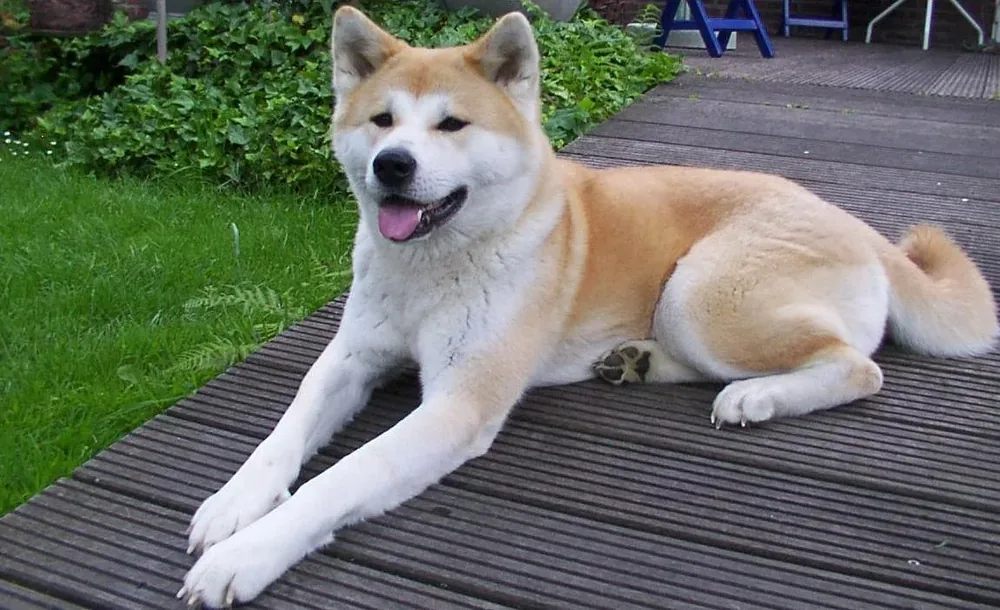
Japanese Akitainu
Japanese akitainu cost is high for a single dog, with $5,450 covering the puppy, initial vetting, and the heavy-duty gear a large spitz-type dog needs. Ongoing care settles near $250, driven mainly by food volume and a vet bill that leans toward joints and skin. Plan for $35,500 across a lifespan of roughly ten to thirteen years.
Acquisition, surgical desexing, initial vet series, and starter hardware.
Normalized baseline at ~$250/month routine cash burn.
Projected over a 11-year Japanese Akitainu lifespan.
$4,000 Liquid Reserve Mandate
Critical bufferA heavy, deep-chested frame pairs a cancer-free but expensive bloat emergency and hip arthritis with an autoimmune tendency toward skin and thyroid disease, so the breed carries recurring orthopedic and chronic-medication cost.
Source: MetLife True Cost of Pet Emergencies 2025 (15% of owners hit $3,000+; uninsured surgery $3,000–8,000)
Biometric & phenotypic actuarial spec
Annual Cash Burn Matrix ($3,005/yr)
Continuous operational expenditure distributed across 5 core maintenance categories, indexed to metabolic demand and regional clinical rates.
Food
Vet Care
Grooming
Pet Insurance
Supplies & Toys
Upfront Entry CapEx
Purchase / Adoption Fee ($1,100), Initial Vet Visit & Vaccinations ($700), Starter Supplies ($546), Training Classes ($260), First Year Food ($807), First Year Vet Care ($770), First Year Grooming ($312), First Year Insurance ($955).
Comprehensive Lifecycle Ledger
Audited financial breakdown distinguishing immediate first-year fixed capitalization from ongoing annualized operating liabilities over the full 10–13 yrs canine lifespan.
| Expenditure Category | Year 01 Outlay | Annual Steady-State | Lifetime Total | Actuarial Sizing Methodology |
|---|---|---|---|---|
| Purchase / Adoption Fee | $1,100 | — | $1,100 | Varies by breeder vs rescue |
| Initial Vet Visit & Vaccinations | $700 | — | $700 | Spay/neuter, microchip, health check |
| Starter Supplies | $546 | — | $546 | Bed, crate, collar, bowls, toys |
| Training Classes | $260 | — | $260 | Basic obedience recommended |
| First Year Food | $807 | — | $807 | — |
| First Year Vet Care | $770 | — | $770 | — |
| First Year Grooming | $312 | — | $312 | — |
| First Year Insurance | $955 | — | $955 | — |
| Food | — | $807 | $8,877 | — |
| Vet Care | — | $770 | $8,470 | — |
| Grooming | — | $312 | $3,432 | — |
| Pet Insurance | — | $955 | $10,505 | — |
| Supplies & Toys | — | $161 | $1,771 | — |
| Gross Actuarial Expenditure | $5,450 | $3,005 / yr | $35,500 | Unadjusted baseline |
Actuarial Health Risk Profile (Tier 4)
A heavy, deep-chested frame pairs a cancer-free but expensive bloat emergency and hip arthritis with an autoimmune tendency toward skin and thyroid disease, so the breed carries recurring orthopedic and chronic-medication cost.
Hip Dysplasia
A loosely fitted hip joint that wears into arthritis in heavy dogs, leading to long-term pain control and sometimes surgery.
Gastric dilatation-volvulus (bloat)
The stomach fills with gas and can twist, a deep-chested emergency that needs immediate surgery and often a preventive stomach tack afterward.
Sebaceous Adenitis
Immune attack on the skin's oil glands causes hair loss, scaling, and recurring infections that need lifelong medicated bathing and skin care.
Hypothyroidism
An underactive thyroid brings weight gain, dull coat, and lethargy; it is managed with daily tablets and periodic blood tests for life.
What Truly Drives the Japanese Akitainu’s Financial Profile
About the Japanese Akitainu and its cost
Japanese akitainu cost starts with the purchase, since this is a rarer, imposing spitz-type dog from northern Japan, historically kept for guarding and hunting large game. Puppies from careful breeders are not cheap, and good lines often carry a waiting list. The dog is quiet, clean, and devoted to its family, but wary of strangers and other dogs, so early socialisation and training are real budget items. The thick double coat blows out heavily twice a year, and a large body means food, medication doses, boarding, and crates all scale up compared with a medium companion breed.
What drives Japanese Akitainu costs
Size and chest shape set the pace. A deep-chested dog of this weight is at risk of bloat, a sudden emergency that calls for surgery and often a preventive stomach tack. Hip dysplasia and later arthritis make long-term joint care, weight control, and pain medication likely in the senior years. The breed also leans toward immune-mediated trouble, including sebaceous adenitis in the skin and thyroid disease, both of which need ongoing testing and medication. Large-dog drug dosing, anesthesia, and imaging all cost more per visit, which is why the vet and insurance lines run above those of smaller dogs.
Japanese Akitainu first-year budget
The first year is front-loaded. $1,100 secures the puppy, then $700 covers the vaccine series, spay or neuter, microchip, and early exams. $546 buys a large crate, sturdy leash and harness, bedding, and a raised bowl, and $260 pays for puppy classes that socialise a wary, strong-willed dog. Recurring lines in year one include $807 for large-breed puppy diet, $770 for parasite prevention and rechecks, $312 for brushes and the first coat blowout, and $955 if you enroll early. One-time items total $2,606, recurring items $2,844, and the year lands at $5,450.
Japanese Akitainu yearly cost after year one
Once setup is done, the Akitainu settles into a pattern near $3,005 a year, or about $250 a month. $807 is the largest steady line because the dog is heavy and eats accordingly. $955 is the next fixed cost and the one most worth keeping. $770 covers an annual exam, thyroid bloodwork, dental care, and joint monitoring as the dog ages. $312 reflects brushes, shampoo, and an occasional deshedding session. $161 for tough chew toys, replacement bedding, and gear rounds out the year. A surgery or skin flare-up year sits on top of this baseline.
Emergency fund for a Japanese Akitainu
Keep $4,000 set aside for this breed. The realistic trigger is bloat: a twisted stomach needs immediate surgery and hospital stay, and repeated episodes may call for a preventive stomach tack. Advanced hip dysplasia can add imaging, surgery, or years of joint medication. Autoimmune skin flares bring repeat vet visits for infection and medicated care, while thyroid disease needs monitoring blood tests. Funding this account early keeps a single bad year from distorting the $35,500 you have planned for, and lets you choose a higher insurance deductible.
Cutting Japanese Akitainu costs
The largest controllable lines are food and prevention. Holding the dog at a lean weight cuts food volume and protects the hips, which trims $250 without reducing care quality. Splitting meals and avoiding vigorous exercise around them lowers the chance of a bloat emergency, the costliest surprise. Buying from a breeder who screens hips and thyroid reduces the odds of chronic treatment later. Brushing at home, fitting a durable harness, and buying food in bulk keep $3,005 steady. Together these habits can shave a meaningful fraction off the $35,500.
5 Prudent Ways to Cut Japanese Akitainu Costs
Feed measured meals, not a full bowl
Two or three smaller meals a day, eaten calmly and without hard exercise right after, lowers bloat risk in a deep-chested dog. Keeping the Akitainu lean also takes weight off its hips for life. Both habits protect against the most expensive vet bills the breed faces.
Ask for hip and thyroid clearances
Request OFA hip results and thyroid screening on both parents before you commit to a puppy. A breeder who tests costs more upfront but reduces the odds of chronic joint and hormone treatment. Get the results in writing and keep them for your vet.
Insure early, while the record is clean
Enroll the dog as a puppy so hip and skin problems are not excluded later as pre-existing conditions. Choose a higher deductible if you also hold a separate emergency account. Compare policies for coverage of hereditary conditions, since those are this breed's main risks.
Brush at home and skip the salon
A slicker brush and an undercoat rake handle most of the shedding between seasons, and a blower at home speeds up the twice-yearly blowout. Save professional grooming for occasional deshedding treatments if you want them. Frequent brushing also lets you spot early skin changes.
Invest in training and socialisation early
A puppy class and steady exposure to new people and dogs prevents the reactivity that leads to private behaviourist bills or boarding trouble later. Consistency with a strong-willed dog pays back many times over. Start before adolescence, when independence peaks.
Peer Class Financial Comparisons
How the Japanese Akitainu compares to morphological peers on annualized ownership cost.
Japanese Akitainu
Frequently Asked Financial Questions
How much does a japanese akitainu cost per month?
Is a japanese akitainu expensive to own?
What are the yearly costs of owning a japanese akitainu?
How much are japanese akitainu vet bills?
Do japanese akitainus need pet insurance?
How much does a japanese akitainu puppy cost?
How much does a japanese akitainu cost over its lifetime?
Data sources
- Akita — American Kennel Club (akc.org)
- Akita (dog) — Wikipedia (en.wikipedia.org)
- Cutting Pet Care Costs — ASPCA (aspca.org)
Calculate Your Japanese Akitainu Cost Adjusted by Metro ZIP Code
Veterinary surgical tariffs and clinical room rates vary widely between metropolitan regions and rural counties. Recalculate this dossier with your exact state, city, and lifestyle parameters.