
How Much Does a Miniature Schnauzer Cost Per Year?
Miniature schnauzer cost runs about $4,390 in year one and $2,315 a year afterward, or roughly $193 a month. Regular professional grooming and a breed prone to pancreatitis and bladder stones are the main reasons it sits above other small dogs.
Executive cost summary
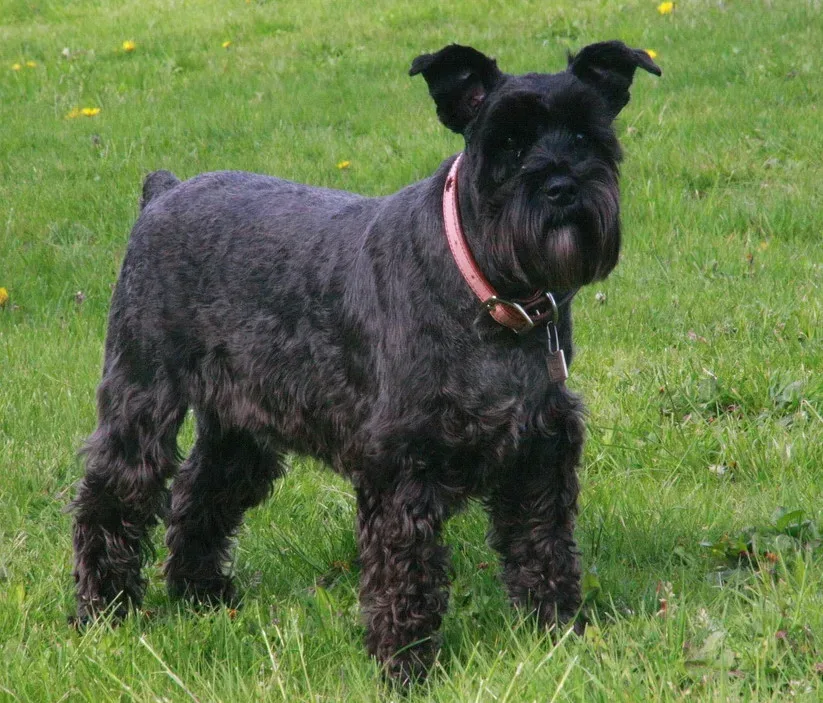
Miniature Schnauzer
Miniature schnauzer cost runs about $4,390 in year one and $2,315 a year afterward, or roughly $193 a month. Regular professional grooming and a breed prone to pancreatitis and bladder stones are the main reasons it sits above other small dogs.
Acquisition, surgical desexing, initial vet series, and starter hardware.
Normalized baseline at ~$193/month routine cash burn.
Projected over a 13.5-year Miniature Schnauzer lifespan.
$2,000 Liquid Reserve Mandate
Critical bufferPredisposition to pancreatitis, calcium oxalate bladder stones and diabetes brings recurring, sometimes surgical, vet costs from middle age.
Source: MetLife True Cost of Pet Emergencies 2025 (15% of owners hit $3,000+; uninsured surgery $3,000–8,000)
Biometric & phenotypic actuarial spec
Annual Cash Burn Matrix ($2,315/yr)
Continuous operational expenditure distributed across 5 core maintenance categories, indexed to metabolic demand and regional clinical rates.
Food
Source: Derived: veterinary MER formula + mid-tier dry kibble price (2026-01)
Vet Care
Source: Derived: REPLACE — ASPCA / AAHA routine wellness composite (annual exam, vaccines, parasite control) x size 0.92 x risk 1.1 (2026-01)
Grooming
Source: Derived: REPLACE — Rover / PetSmart service menu, short-coat baseline (grooming rating 2) x coat 2.6 (2026-01)
Pet Insurance
Source: Derived: NAPHIA State of the Industry 2025 (2024 data), accident & illness dog average x size 0.9 x risk 1.18 (2026-01)
Supplies & Toys
Source: Derived: Synchrony Pet Lifetime of Care 2025 (toy replacement $50–150/yr) plus routine consumables x size 0.92 (2026-01)
Upfront Entry CapEx
Purchase / Adoption Fee ($900), Initial Vet Visit & Vaccinations ($607), Starter Supplies ($437), Training Classes ($260), First Year Food ($216), First Year Vet Care ($668), First Year Grooming ($507), First Year Insurance ($795).
Comprehensive Lifecycle Ledger
Audited financial breakdown distinguishing immediate first-year fixed capitalization from ongoing annualized operating liabilities over the full 12–15 yrs canine lifespan.
| Expenditure Category | Year 01 Outlay | Annual Steady-State | Lifetime Total | Actuarial Sizing Methodology |
|---|---|---|---|---|
| Purchase / Adoption Fee | $900 | — | $900 | Varies by breeder vs rescue |
| Initial Vet Visit & Vaccinations | $607 | — | $607 | Spay/neuter, microchip, health check |
| Starter Supplies | $437 | — | $437 | Bed, crate, collar, bowls, toys |
| Training Classes | $260 | — | $260 | Basic obedience recommended |
| First Year Food | $216 | — | $216 | — |
| First Year Vet Care | $668 | — | $668 | — |
| First Year Grooming | $507 | — | $507 | — |
| First Year Insurance | $795 | — | $795 | — |
| Food | — | $216 | $2,916 | — |
| Vet Care | — | $668 | $9,018 | — |
| Grooming | — | $507 | $6,845 | — |
| Pet Insurance | — | $795 | $10,733 | — |
| Supplies & Toys | — | $129 | $1,742 | — |
| Gross Actuarial Expenditure | $4,390 | $2,315 / yr | $33,328 | Unadjusted baseline |
Actuarial Health Risk Profile (Tier 4)
Predisposition to pancreatitis, calcium oxalate bladder stones and diabetes brings recurring, sometimes surgical, vet costs from middle age.
Pancreatitis
Inflammation of the pancreas, often tied to the breed's tendency toward high blood fats, causing vomiting and pain and sometimes hospital stays.
Typically appears at age 0.4–14
medium confidence
Calcium oxalate bladder stones
Stones form in the bladder and cause straining, blood in urine or blockage, and often need surgical removal and recur.
- Typical treatment cost (one-time)
- $3,500–$4,800
Typically appears at age 6–11
medium confidence · University of Tennessee College of Veterinary Medicine, Urolithiasis Evaluation/Procedures Information and Estimate, 2026-09
Diabetes mellitus
The breed has elevated risk; affected dogs need lifelong insulin injections, diet control and regular monitoring.
- Typical treatment cost (per year)
- $1,200–$2,400
Typically appears at age 5–12
medium confidence · Embrace Pet Insurance, Diabetes Mellitus in Dogs and Cats, 2021-06
Costs are typical for the condition in general, not specific to the Miniature Schnauzer. See the Miniature Schnauzer cost timeline
What Truly Drives the Miniature Schnauzer’s Financial Profile
About the Miniature Schnauzer and its cost
The Miniature Schnauzer is a sturdy, alert terrier that lives well into its teens and rarely sheds. Its wiry double coat is why many households choose it, but the same coat needs clipping and hand stripping every few weeks, which makes grooming one of the steadier lines in the budget at $507 a year. Food is modest for a dog this size at $216, and routine vet care averages $668. Add insurance and supplies and the ongoing total lands near $2,315, which is why owners often call this an affordable dog to feed and an ordinary-to-pricey one to keep groomed and insured.
What drives Miniature Schnauzer costs
Health, more than size, moves the bill. The breed carries a strong tendency toward high blood fats, which feeds pancreatitis, a painful condition that can mean fluids, hospital stays and lifelong low-fat feeding. Calcium oxalate bladder stones are another common problem, usually surfacing in the senior years and often needing surgery, and they can return. Diabetes also appears more often than in most breeds and turns into a daily insulin routine. None of these is certain, but together they explain the higher risk tier and why a reserve such as $2,000 is sensible for this dog.
Miniature Schnauzer first-year budget
The first year is the most expensive. One-time costs start with the purchase or adoption line at $900, followed by initial vet visits and vaccines at $607, starter supplies at $437 and basic training at $260. Together those make up $2,204. On top of that comes the first year of recurring care: food at $216, vet at $668, grooming at $507 and insurance at $795, totaling $2,186. The complete first-year figure is $4,390. Starting a grooming routine early helps the coat and the dog get used to the process.
Miniature Schnauzer yearly cost after year one
Once setup costs are behind you, the yearly bill settles into a steady pattern. Food runs about $216, routine vet care about $668, professional grooming about $507, insurance about $795 and supplies and toys about $129. Added together, that gives an ongoing total of $2,315 a year, or about $193 a month. Grooming and insurance are the lines that change most between owners, so those are the first places to check when you compare your own spending against this steady-state figure.
Emergency fund for a Miniature Schnauzer
A reserve of about $2,000 is sensible for this breed. The conditions that drive its risk tier are pancreatitis, which can mean a hospital stay with fluids and monitoring, and calcium oxalate bladder stones, which often need surgery and can recur. Diabetes adds a recurring cost rather than a single shock. Insurance can offset much of this if it was bought before diagnosis, but deductibles and reimbursement limits still leave a share to you. Over a whole life, total spending is expected to reach about $33,328.
Cutting Miniature Schnauzer costs
The largest controllable savings come from prevention and coat care rather than cheaper food. Keeping the dog lean and away from fatty scraps lowers the odds of pancreatitis and diabetes, both of which are expensive to manage. Spacing professional grooms with home brushing and light trimming can noticeably reduce the grooming line within the $2,315 yearly budget. Comparing insurance quotes each renewal and keeping vaccines and dental care current avoids larger bills later. Across a lifetime near $33,328, even small annual trims add up, and about $193 a month is a useful target to track.
6 Prudent Ways to Cut Miniature Schnauzer Costs
Keep the diet lean and low in fat
Table scraps, fatty treats and sudden diet changes are common pancreatitis triggers in this breed. Stick to a measured, low-fat food and use small pieces of vegetables as treats. It is cheaper than a hospital stay.
Learn basic coat care at home
Professional grooming is the biggest recurring cost. Buying clippers, brushing several times a week and booking the groomer less often can trim the total. Keep face and feet tidy yourself between full grooms.
Insure while the dog is young and healthy
Pancreatitis, stones and diabetes are all treated as pre-existing once diagnosed, and insurers will exclude them. Enrolling a puppy or young adult locks in coverage before any of them appear. Compare deductibles and annual limits.
Screen urine and blood at senior checkups
Twice-yearly exams after the middle years can catch crystals, high blood fats or raised glucose early. Early management is far cheaper than emergency surgery or a diabetic crisis. Ask your vet about a prescription urinary diet if stones appear.
Keep a healthy weight
Extra weight raises the risk of both diabetes and pancreatitis. Measure meals, count treats and keep up daily walks. A trim dog also has lower food bills and easier grooming.
Skip teacup and rare-color premiums
Teacup, liver, and merle miniature schnauzers are often priced above a standard puppy. A standard-size dog from a breeder who screens for eye problems and bladder stones costs less to own.
Peer Class Financial Comparisons
How the Miniature Schnauzer compares to morphological peers on annualized ownership cost.
Miniature Schnauzer
Frequently Asked Financial Questions
How much does a miniature schnauzer cost per month?
Is a miniature schnauzer expensive to own?
What are the yearly costs of owning a miniature schnauzer?
How much are miniature schnauzer vet bills?
Do miniature schnauzers need pet insurance?
How much does a miniature schnauzer cost in the first year?
Why is grooming a big part of the cost of a miniature schnauzer?
How much is a miniature schnauzer puppy?
Are miniature schnauzers hypoallergenic?
How much does a teacup miniature schnauzer cost?
What is the difference between a standard and miniature schnauzer?
What colors do miniature schnauzers come in?
Data sources
- Miniature Schnauzer breed information — American Kennel Club (akc.org)
- Pancreatitis in Dogs — VCA Animal Hospitals (vcahospitals.com)
- Calcium Oxalate Bladder Stones in Dogs — VCA Animal Hospitals (vcahospitals.com)
Calculate Your Miniature Schnauzer Cost Adjusted by Metro ZIP Code
Veterinary surgical tariffs and clinical room rates vary widely between metropolitan regions and rural counties. Recalculate this dossier with your exact state, city, and lifestyle parameters.