
How Much Does a Parson Russell Terrier Cost Per Year?
Parson Russell terrier cost is moderate for a dog: low food and grooming bills, offset by a real chance of orthopaedic or eye care. Expect $3,943 in year one and about $1,868 a year after that. Lifetime spending averages $28,227.
Executive cost summary
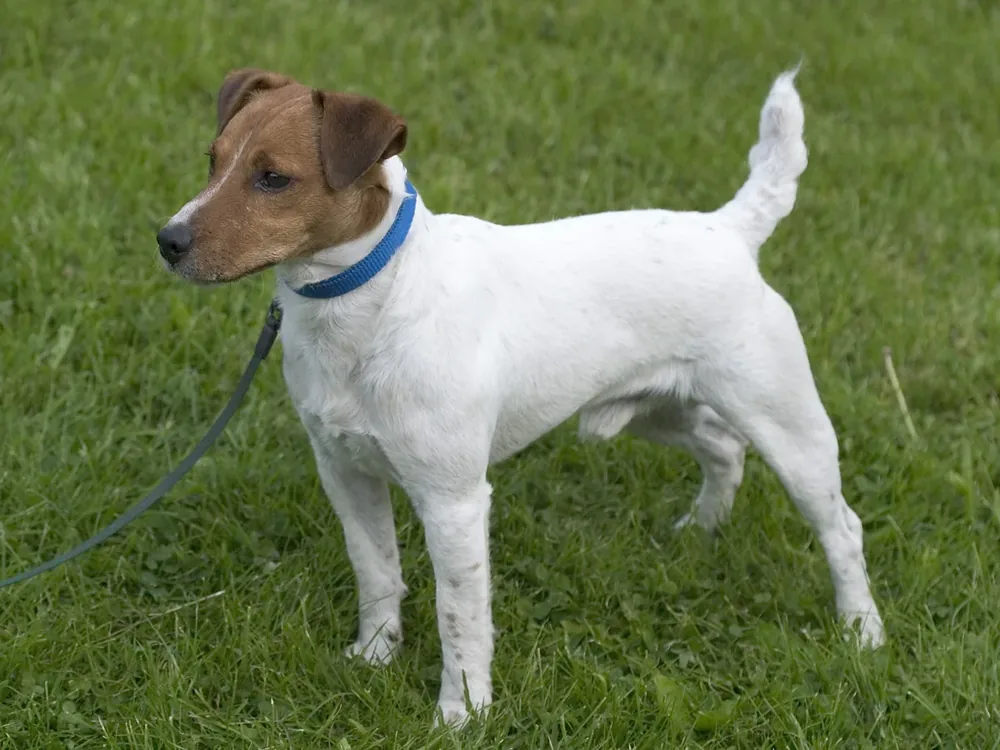
Parson Russell Terrier
Parson Russell terrier cost is moderate for a dog: low food and grooming bills, offset by a real chance of orthopaedic or eye care. Expect $3,943 in year one and about $1,868 a year after that. Lifetime spending averages $28,227.
Acquisition, surgical desexing, initial vet series, and starter hardware.
Normalized baseline at ~$156/month routine cash burn.
Projected over a 14-year Parson Russell Terrier lifespan.
$2,000 Liquid Reserve Mandate
Critical bufferSmall, long-lived terrier with a few inherited eye and orthopaedic conditions that can be expensive but do not affect most dogs.
Source: MetLife True Cost of Pet Emergencies 2025 (15% of owners hit $3,000+; uninsured surgery $3,000–8,000)
Biometric & phenotypic actuarial spec
Annual Cash Burn Matrix ($1,868/yr)
Continuous operational expenditure distributed across 5 core maintenance categories, indexed to metabolic demand and regional clinical rates.
Food
Source: Derived: veterinary MER formula + mid-tier dry kibble price (2026-01)
Vet Care
Source: Derived: REPLACE — ASPCA / AAHA routine wellness composite (annual exam, vaccines, parasite control) x size 0.92 x risk 1 (2026-01)
Grooming
Source: Derived: REPLACE — Rover / PetSmart service menu, short-coat baseline (grooming rating 2) x coat 1 (2026-01)
Pet Insurance
Source: Derived: NAPHIA State of the Industry 2025 (2024 data), accident & illness dog average x size 0.9 x risk 1 (2026-01)
Supplies & Toys
Source: Derived: Synchrony Pet Lifetime of Care 2025 (toy replacement $50–150/yr) plus routine consumables x size 0.92 (2026-01)
Upfront Entry CapEx
Purchase / Adoption Fee ($900), Initial Vet Visit & Vaccinations ($607), Starter Supplies ($437), Training Classes ($260), First Year Food ($263), First Year Vet Care ($607), First Year Grooming ($195), First Year Insurance ($674).
Comprehensive Lifecycle Ledger
Audited financial breakdown distinguishing immediate first-year fixed capitalization from ongoing annualized operating liabilities over the full 13–15 yrs canine lifespan.
| Expenditure Category | Year 01 Outlay | Annual Steady-State | Lifetime Total | Actuarial Sizing Methodology |
|---|---|---|---|---|
| Purchase / Adoption Fee | $900 | — | $900 | Varies by breeder vs rescue |
| Initial Vet Visit & Vaccinations | $607 | — | $607 | Spay/neuter, microchip, health check |
| Starter Supplies | $437 | — | $437 | Bed, crate, collar, bowls, toys |
| Training Classes | $260 | — | $260 | Basic obedience recommended |
| First Year Food | $263 | — | $263 | — |
| First Year Vet Care | $607 | — | $607 | — |
| First Year Grooming | $195 | — | $195 | — |
| First Year Insurance | $674 | — | $674 | — |
| Food | — | $263 | $3,682 | — |
| Vet Care | — | $607 | $8,498 | — |
| Grooming | — | $195 | $2,730 | — |
| Pet Insurance | — | $674 | $9,436 | — |
| Supplies & Toys | — | $129 | $1,806 | — |
| Gross Actuarial Expenditure | $3,943 | $1,868 / yr | $28,227 | Unadjusted baseline |
Actuarial Health Risk Profile (Tier 3)
Small, long-lived terrier with a few inherited eye and orthopaedic conditions that can be expensive but do not affect most dogs.
Legg-Calve-Perthes Disease
The blood supply to the top of the thigh bone fails in a growing puppy, the bone collapses, and the hip becomes painful.
- Typical treatment cost (one-time)
- $1,200–$3,000
Typically appears at age 0.4–1
medium confidence · Embrace Pet Insurance, Legg-Calve-Perthes Disease in Dogs, 2026-01
Primary lens luxation
An inherited weakness in the fibres holding the lens lets it slip out of place, causing a painful eye that can lead to glaucoma and vision loss.
Typically appears at age 3–8
medium confidence
Patellar Luxation
The kneecap slips out of its groove, causing skipping or lameness and sometimes needing surgical correction.
- Typical treatment cost (one-time)
- $1,500–$3,000
medium confidence · Embrace Pet Insurance, Patellar Luxation in Dogs, 2021-06
Costs are typical for the condition in general, not specific to the Parson Russell Terrier. See the Parson Russell Terrier cost timeline
What Truly Drives the Parson Russell Terrier’s Financial Profile
About the Parson Russell Terrier and its cost
The Parson Russell Terrier is a lean, leggy working terrier bred to follow foxes underground. Because it stays small and lives well into its teens, the yearly bill is modest, but it spreads over a long life. Food is inexpensive for a dog this size, and the short wire or smooth coat needs little professional grooming. Where owners spend more is on activity: a very high-energy dog needs sturdy fencing, training classes, and chew-proof toys. The purchase price from a reputable breeder or the adoption fee is the largest single line in year one, followed by vaccines, neutering and supplies.
What drives Parson Russell Terrier costs
Size keeps food, medication doses and boarding cheap, but health and behaviour set the ceiling. Legg-Calve-Perthes disease strikes small-breed puppies and usually means hip surgery. Primary lens luxation appears in young adulthood and can require specialist eye care and lifelong drops. Patellar luxation adds a possible knee procedure. Beyond illness, the breed's drive and jumping ability lead to injuries from falls, fights and escapes, so an emergency reserve matters more than the small body suggests. Insurance bought early, before any of these conditions appear, is what keeps a single surgery from becoming a financial shock.
Parson Russell Terrier first-year budget
Year one starts with the purchase or adoption cost of $900, then initial vet care and vaccines at $607, starter supplies at $437, and training at $260. Together the one-time setup lines come to $2,204. Recurring costs in the first year add food at $263, routine vet care at $607, grooming at $195 and insurance at $674, for $1,739. The overall first-year total is $3,943. Training deserves attention with this breed, because an energetic terrier that learns manners early is cheaper to live with.
Parson Russell Terrier yearly cost after year one
Once setup is done, the steady yearly cost is $1,868, or about $156 a month. That breaks into food at $263, vet care at $607, grooming at $195, insurance at $674 and supplies and toys at $129. Toys wear out faster than average with a dog this driven, and insurance premiums tend to rise as the dog ages. Grooming stays low because the coat is easy to keep tidy with regular brushing.
Emergency fund for a Parson Russell Terrier
A reserve of $2,000 is a sensible target. The conditions that drive emergency spending in this breed are hip surgery for a puppy with Legg-Calve-Perthes disease, an eye emergency from a slipped lens, and injuries from the breed's habit of chasing and jumping. Any one of these can consume much of the reserve. Set against a lifetime estimate of $28,227, holding the fund aside early is cheap protection.
Cutting Parson Russell Terrier costs
The biggest savings come from avoiding preventable spending rather than trimming routine lines. Buy from a breeder who screens eyes and joints, insure before conditions appear, keep the dog lean, and pair daily exercise with training so destruction and injury stay rare. Shop around for insurance and routine vet care, and use annual wellness checks to catch eye changes early, when treatment is simpler. Against $1,868 a year and $156 a month, small habits add up over a lifetime of $28,227.
5 Prudent Ways to Cut Parson Russell Terrier Costs
Insure while your puppy is healthy
Inherited hip, knee and eye conditions are treated as pre-existing once they show up. Enrolling in a plan as a young puppy keeps them eligible for cover. Compare deductibles and orthopaedic exclusions before you commit.
Learn to groom at home
The coat needs brushing and occasional stripping, not frequent salon visits. Learning the basics from your breeder or a groomer saves recurring grooming spend across a long lifespan.
Buy from health-tested lines
Ask breeders for eye examination results and evidence of hip and knee screening in the parents. A higher purchase price can be cheaper than surgery later.
Burn energy with free exercise
A bored terrier destroys furniture and digs out of yards. Daily runs, fetch and scent games cost nothing and prevent repair and replacement bills.
Keep weight lean
Extra weight strains knees and hips that are already prone to trouble. Measure meals and use a portion of the daily kibble for training treats.
Peer Class Financial Comparisons
How the Parson Russell Terrier compares to morphological peers on annualized ownership cost.
Parson Russell Terrier
Frequently Asked Financial Questions
How much does a parson russell terrier cost per month?
Is a parson russell terrier expensive to own?
What are the yearly costs of owning a parson russell terrier?
How much are parson russell terrier vet bills?
Do parson russell terriers need pet insurance?
How long do Parson Russell Terriers live?
Are Parson Russell Terriers cheap to feed?
Data sources
- Parson Russell Terrier breed profile — American Kennel Club (akc.org)
- Primary Lens Luxation — Cornell University College of Veterinary Medicine (vet.cornell.edu)
- Legg-Calve-Perthes Disease — VCA Animal Hospitals (vcahospitals.com)
Calculate Your Parson Russell Terrier Cost Adjusted by Metro ZIP Code
Veterinary surgical tariffs and clinical room rates vary widely between metropolitan regions and rural counties. Recalculate this dossier with your exact state, city, and lifestyle parameters.