
How Much Does a Russian Toy Cost Per Year?
Russian Toy cost is dominated by the first year, when a puppy purchase, vaccines, and starter supplies stack on top of routine care. After that, $1,463 a year covers a dog that eats very little and needs almost no grooming. Keep $2,000 aside for a kneecap or fracture repair.
Executive cost summary
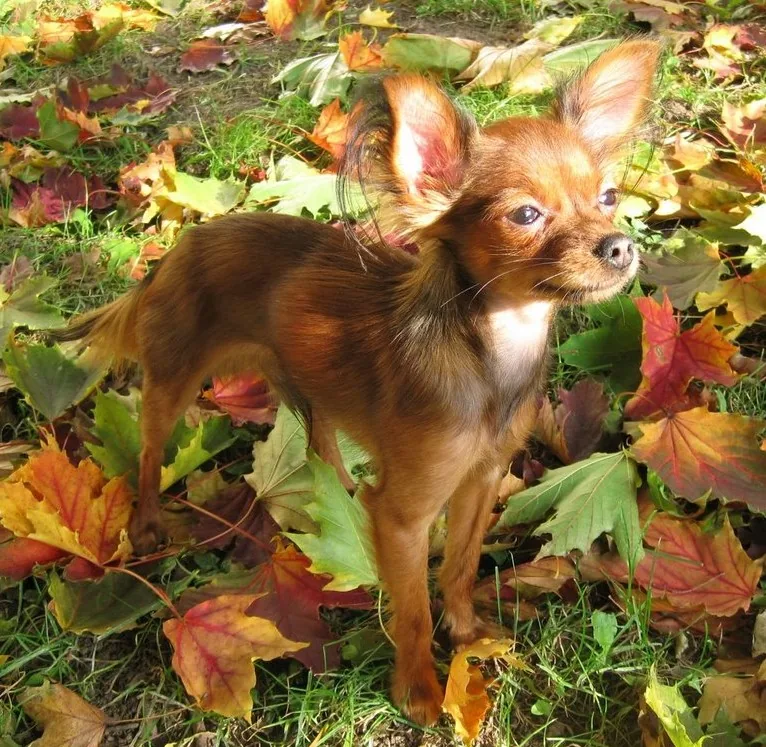
Russian Toy
Russian Toy cost is dominated by the first year, when a puppy purchase, vaccines, and starter supplies stack on top of routine care. After that, $1,463 a year covers a dog that eats very little and needs almost no grooming. Keep $2,000 aside for a kneecap or fracture repair.
Acquisition, surgical desexing, initial vet series, and starter hardware.
Normalized baseline at ~$122/month routine cash burn.
Projected over a 13-year Russian Toy lifespan.
$2,000 Liquid Reserve Mandate
Critical bufferToy size brings kneecap, dental, and fracture risks that are typical for the size class, with limited breed-specific health data pointing to neither unusual hardiness nor unusual fragility.
Source: MetLife True Cost of Pet Emergencies 2025 (15% of owners hit $3,000+; uninsured surgery $3,000–8,000)
Biometric & phenotypic actuarial spec
Annual Cash Burn Matrix ($1,463/yr)
Continuous operational expenditure distributed across 5 core maintenance categories, indexed to metabolic demand and regional clinical rates.
Food
Source: Derived: veterinary MER formula + mid-tier dry kibble price (2026-01)
Vet Care
Source: Derived: REPLACE — ASPCA / AAHA routine wellness composite (annual exam, vaccines, parasite control) x size 0.85 x risk 1 (2026-01)
Grooming
Source: Derived: REPLACE — Rover / PetSmart service menu, short-coat baseline (grooming rating 2) x coat 0.4 (2026-01)
Pet Insurance
Source: Derived: NAPHIA State of the Industry 2025 (2024 data), accident & illness dog average x size 0.8 x risk 1 (2026-01)
Supplies & Toys
Source: Derived: Synchrony Pet Lifetime of Care 2025 (toy replacement $50–150/yr) plus routine consumables x size 0.85 (2026-01)
Upfront Entry CapEx
Purchase / Adoption Fee ($1,200), Initial Vet Visit & Vaccinations ($561), Starter Supplies ($404), Training Classes ($260), First Year Food ($106), First Year Vet Care ($561), First Year Grooming ($78), First Year Insurance ($599).
Comprehensive Lifecycle Ledger
Audited financial breakdown distinguishing immediate first-year fixed capitalization from ongoing annualized operating liabilities over the full 12–14 yrs canine lifespan.
| Expenditure Category | Year 01 Outlay | Annual Steady-State | Lifetime Total | Actuarial Sizing Methodology |
|---|---|---|---|---|
| Purchase / Adoption Fee | $1,200 | — | $1,200 | Varies by breeder vs rescue |
| Initial Vet Visit & Vaccinations | $561 | — | $561 | Spay/neuter, microchip, health check |
| Starter Supplies | $404 | — | $404 | Bed, crate, collar, bowls, toys |
| Training Classes | $260 | — | $260 | Basic obedience recommended |
| First Year Food | $106 | — | $106 | — |
| First Year Vet Care | $561 | — | $561 | — |
| First Year Grooming | $78 | — | $78 | — |
| First Year Insurance | $599 | — | $599 | — |
| Food | — | $106 | $1,378 | — |
| Vet Care | — | $561 | $7,293 | — |
| Grooming | — | $78 | $1,014 | — |
| Pet Insurance | — | $599 | $7,787 | — |
| Supplies & Toys | — | $119 | $1,547 | — |
| Gross Actuarial Expenditure | $3,769 | $1,463 / yr | $21,325 | Unadjusted baseline |
Actuarial Health Risk Profile (Tier 3)
Toy size brings kneecap, dental, and fracture risks that are typical for the size class, with limited breed-specific health data pointing to neither unusual hardiness nor unusual fragility.
Patellar Luxation
A kneecap that slips out of its groove is common in toy breeds and ranges from an occasional skip to a limp that needs surgery.
- Typical treatment cost (one-time)
- $1,500–$3,000
medium confidence · Embrace Pet Insurance, Patellar Luxation in Dogs, 2026-09
Dental disease and retained baby teeth
Tiny jaws crowd the teeth, and baby teeth that fail to fall out can need extraction, so professional cleanings under anesthesia recur.
- Typical treatment cost (per year)
- $350–$1,500
medium confidence · PetMD, How Much Does Dog Teeth Cleaning Cost?, 2025-10
Bone fractures
Very fine bones make leg fractures from jumps and falls a recognised risk that can mean surgical repair.
Costs are typical for the condition in general, not specific to the Russian Toy. See the Russian Toy cost timeline
What Truly Drives the Russian Toy’s Financial Profile
About the Russian Toy and its cost
The Russian Toy is one of the smallest breeds in the world, standing 8 to 11 inches tall, in either a smooth or long coat. The size keeps food, preventive medication doses, and supplies inexpensive, and the smooth coat needs little more than occasional brushing and nail trims. The breed remained little known outside Russia until late in the last century, so it is uncommon in North America and a puppy from a reputable breeder can take a wait and a long-distance trip to secure. Adoption is rarely an option for such a rare breed, which pushes the purchase line, and travel costs, well above what the dog's small size would suggest.
What drives Russian Toy costs
Size cuts both ways. A dog this small keeps $106 and $119 low, but its fine bones and tiny mouth create predictable vet costs. Patellar luxation can lead to surgery on one or both knees, and delicate legs can fracture from a short jump off furniture. Retained baby teeth may need extraction, and crowded adult teeth call for regular professional cleanings, which lifts the $561 line above what a healthy toy dog might otherwise need. Because these are orthopedic and dental events rather than daily expenses, $599 bought while the dog is young and healthy is often the most practical way to smooth them out.
Russian Toy first-year budget
The first year combines one-time and recurring lines. One-time costs total $2,425, led by $1,200 for the puppy, then $561 for the first exams and vaccines, $404 for a carrier, harness, and bed, and $260 for classes. Recurring lines add $1,344, made up of $106, $561, $78, and $599. Together they bring the first year to $3,769. The purchase line varies most, because the breed is rare and puppies are seldom listed at a fixed price.
Russian Toy yearly cost after year one
After year one the one-time lines drop away and steady spending remains. $106 stays small because adults weigh only a few pounds, $78 is minimal for the smooth coat, and $119 covers replacement leashes, toys, and pads. $561 and $599 are the larger recurring lines. Added up, ownership runs $1,463 a year, or about $122 a month. Dental cleaning is the recurring item most likely to exceed the estimate, since small dogs are usually advised to have professional cleanings annually.
Emergency fund for a Russian Toy
A reserve of $2,000 is sensible for this breed. The events most likely to need it are a kneecap surgery, a fractured leg after a fall, and dental extractions, and any one of them can arrive without warning. Published surgery fees for kneecap repair are quoted per knee, so a dog needing both sides can double the bill. Insurance can shrink the amount you must hold, but deductibles and exclusions still apply. Compare the reserve against the $21,325 lifetime picture when deciding how much to keep liquid.
Cutting Russian Toy costs
Most savings come from preventing the big events. Prevent falls, keep the dog lean, and keep up home dental care so professional cleanings stay routine instead of turning into extractions. Buying from a breeder who checks knees and teeth lowers later risk. Since the smooth coat needs so little professional care, home nail trims and brushing keep $1,463 from creeping upward. Across a lifespan of about 12 to 14 years, small prevention habits protect the $21,325 estimate and keep $122 predictable.
6 Prudent Ways to Cut Russian Toy Costs
Insure while young
Enroll before any kneecap or dental issue is diagnosed so it is not excluded as pre-existing. Premiums are also lower for a young, healthy dog.
Brush teeth daily
A tiny mouth collects tartar quickly. Daily brushing and vet-approved chews stretch the time between professional cleanings and reduce the chance of extractions.
Block jumps from furniture
Use ramps or steps and pick the dog up on stairs. Preventing falls is far cheaper than repairing a fractured leg.
Keep the dog lean
Extra weight strains an unstable kneecap and speeds arthritis. Measure meals to keep $106 low and joints healthy.
Ask breeders about knee checks
A breeder who examines breeding stock for patellar problems lowers the odds of a costly surgery later. Ask for written health records before you commit to a puppy.
Start with breed club listings
Breed club referral lists point to health-tested breeders and help you avoid sellers pushing oversized-price 'teacup' or mix listings. Ask for knee check results and a written health record before paying a deposit.
Peer Class Financial Comparisons
How the Russian Toy compares to morphological peers on annualized ownership cost.
Russian Toy
Frequently Asked Financial Questions
How much does a russian toy cost per month?
Is a russian toy expensive to own?
What are the yearly costs of owning a russian toy?
How much are russian toy vet bills?
Do russian toys need pet insurance?
How much does a russian toy puppy cost?
What is the lifetime cost of owning a russian toy?
Russian Toy vs Chihuahua: which costs more?
Does a long-haired Russian Toy cost more?
Where can I find Russian Toy breeders and puppies for sale?
Data sources
- Russian Toy — Wikipedia (en.wikipedia.org)
- Patellar Luxation in Dogs — VCA Animal Hospitals (vcahospitals.com)
- Periodontal Disease — American Veterinary Medical Association (avma.org)
Calculate Your Russian Toy Cost Adjusted by Metro ZIP Code
Veterinary surgical tariffs and clinical room rates vary widely between metropolitan regions and rural counties. Recalculate this dossier with your exact state, city, and lifestyle parameters.