
Snowshoe Cost & Ownership Dossier
Snowshoe cost starts near $2,230 for the kitten, first vaccines, and starter gear, a figure held down by the breed's minimal grooming needs. Monthly upkeep in a healthy year runs close to $77. Across a typical lifespan, budget for $14,190.
Executive cost summary
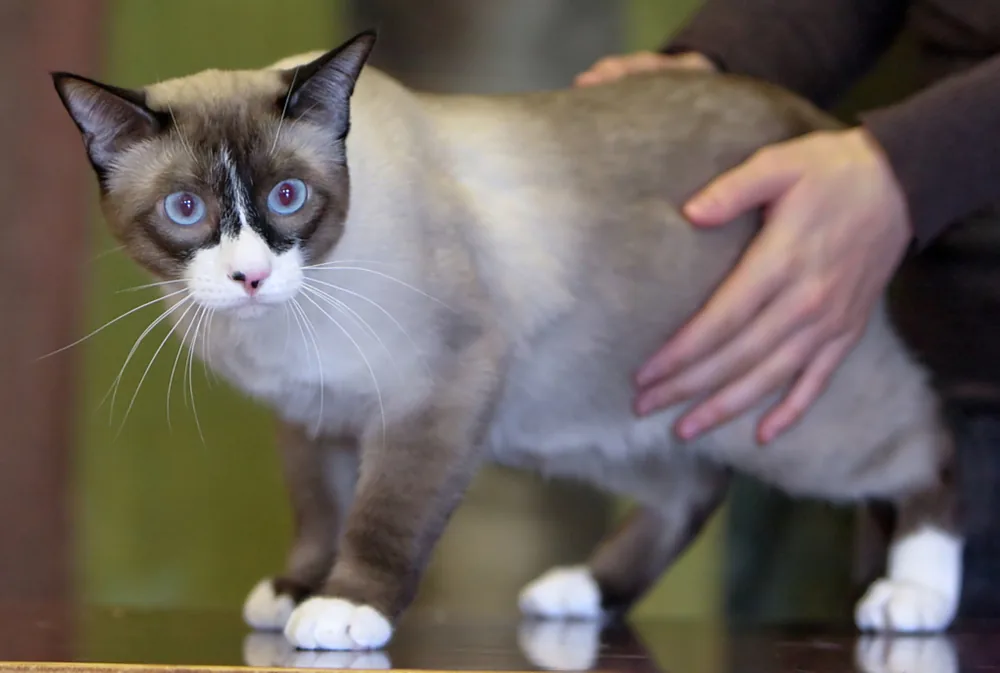
Snowshoe
Snowshoe cost starts near $2,230 for the kitten, first vaccines, and starter gear, a figure held down by the breed's minimal grooming needs. Monthly upkeep in a healthy year runs close to $77. Across a typical lifespan, budget for $14,190.
Acquisition, surgical desexing, initial vet series, and starter hardware.
Normalized baseline at ~$77/month routine cash burn.
Projected over a 14-year Snowshoe lifespan.
$2,000 Liquid Reserve Mandate
Critical bufferA cardiac predisposition inherited from its Siamese ancestry keeps this breed at breed-average risk, without the multiple compounding conditions that push tier-4 breeds higher.
Source: MetLife True Cost of Pet Emergencies 2025 (15% of owners hit $3,000+; uninsured surgery $3,000–8,000)
Biometric & phenotypic actuarial spec
Annual Cash Burn Matrix ($920/yr)
Continuous operational expenditure distributed across 5 core maintenance categories, indexed to metabolic demand and regional clinical rates.
Food
Vet Care
Grooming
Pet Insurance
Supplies & Toys
Upfront Entry CapEx
Purchase / Adoption Fee ($800), Initial Vet Visit & Vaccinations ($300), Starter Supplies ($260), Litter & Behavior Basics ($40), First Year Food ($205), First Year Vet Care ($260), First Year Grooming ($24), First Year Insurance ($341).
Comprehensive Lifecycle Ledger
Audited financial breakdown distinguishing immediate first-year fixed capitalization from ongoing annualized operating liabilities over the full 12–15 yrs feline lifespan.
| Expenditure Category | Year 01 Outlay | Annual Steady-State | Lifetime Total | Actuarial Sizing Methodology |
|---|---|---|---|---|
| Purchase / Adoption Fee | $800 | — | $800 | Varies by breeder vs rescue |
| Initial Vet Visit & Vaccinations | $300 | — | $300 | Spay/neuter, microchip, health check |
| Starter Supplies | $260 | — | $260 | Litter box, scratching post, carrier, bowls |
| Litter & Behavior Basics | $40 | — | $40 | Litter box training, scratching post basics |
| First Year Food | $205 | — | $205 | — |
| First Year Vet Care | $260 | — | $260 | — |
| First Year Grooming | $24 | — | $24 | — |
| First Year Insurance | $341 | — | $341 | — |
| Food | — | $205 | $2,870 | — |
| Vet Care | — | $260 | $3,640 | — |
| Grooming | — | $24 | $336 | — |
| Pet Insurance | — | $341 | $4,774 | — |
| Supplies & Toys | — | $90 | $1,260 | — |
| Gross Actuarial Expenditure | $2,230 | $920 / yr | $14,190 | Unadjusted baseline |
Actuarial Health Risk Profile (Tier 3)
A cardiac predisposition inherited from its Siamese ancestry keeps this breed at breed-average risk, without the multiple compounding conditions that push tier-4 breeds higher.
Hypertrophic Cardiomyopathy
A thickening of the heart muscle seen in pointed-coat breeds related to the Snowshoe's ancestry, best caught with periodic cardiac ultrasound.
Progressive Retinal Atrophy
An inherited retinal breakdown that causes gradual night blindness and eventual vision loss, with monitoring being the only management available.
Periodontal Disease
Like other pointed shorthairs, the Snowshoe runs a somewhat elevated rate of early gum inflammation, meaning more frequent dental cleanings over time.
What Truly Drives the Snowshoe’s Financial Profile
About the Snowshoe and its cost
Snowshoe cost reflects a relatively young American breed, developed from Siamese and American Shorthair stock and known for its pointed coat and distinctive white feet. The short coat keeps grooming spend near zero, and the breed's moderate energy level means enrichment needs are lower than a more athletic pointed breed. Because the Snowshoe remains uncommon and difficult to breed to standard, with the white markings hard to reproduce consistently, kitten prices run higher than the cat's straightforward care needs would otherwise suggest.
What drives Snowshoe costs
Vet spend on a Snowshoe is shaped mostly by its Siamese ancestry. Hypertrophic cardiomyopathy can progress silently for years, so periodic cardiac ultrasounds become worthwhile from middle age onward. Progressive retinal atrophy adds no treatment cost itself but justifies periodic eye exams. An above-average rate of early gum disease, shared with other pointed shorthairs, means dental cleanings tend to start sooner than in a random-bred cat. None of these amount to a defining expensive syndrome, which keeps this medium cat's lifetime vet bill close to breed-average.
Snowshoe first-year budget
$800 buys the kitten from a breeder who has cardiac-screened the parents, and $300 covers the vaccine series, spay or neuter, microchip, and a baseline exam. $260 furnishes a litter box, scratching posts, and toys this social, moderately active breed will use, while $40 covers basic clicker sessions and a puzzle feeder. Ongoing lines start light: $205 for a medium-sized diet, $260 for early wellness visits, $24 for occasional nail trims, and $341 if enrolled now. One-time costs total $1,400, recurring costs $830, for a first-year total of $2,230.
Snowshoe yearly cost after year one
Steady-state ownership runs close to $920 a year, or about $77 monthly. $205 stays moderate for a medium-sized, moderately active cat. $341 is worth keeping given the breed's cardiac profile. $260 carries some extra weight from periodic cardiac ultrasounds and earlier dental cleanings. $24 stays minimal thanks to the short coat. $90 replaces worn toys and scratching gear this affectionate, social cat uses regularly.
Emergency fund for a Snowshoe
Keep $2,000 on hand for this breed's realistic crisis scenarios. Hypertrophic cardiomyopathy can decompensate suddenly into congestive heart failure, requiring emergency stabilization and hospitalization. Because cardiac disease can look stable for years before a sudden event, funding this reserve early, alongside insurance, protects the $14,190 you have budgeted from being upended by one bad diagnosis late in the cat's life.
Cutting Snowshoe costs
The single best lever is buying from a breeder who has already cardiac-screened both parents, since avoiding hypertrophic cardiomyopathy in the line beats managing it for years. Home dental brushing delays the first professional cleaning given the breed's gum disease tendency. Because the coat needs almost no grooming, redirect any savings toward insurance premiums or the emergency fund instead, which does more to protect the $14,190 total than any grooming shortcut would.
5 Prudent Ways to Cut Snowshoe Costs
Buy from a cardiac-screened line
Ask breeders for echocardiogram results on both parents before committing to a kitten. Paying more upfront for a screened line reduces the odds of managing hypertrophic cardiomyopathy later.
Schedule a baseline heart ultrasound early
A cardiac scan around one to two years of age establishes a healthy baseline and catches early thickening before symptoms appear, while treatment options are still affordable.
Brush teeth several times a week
Given the breed's elevated gum disease rate, regular home brushing meaningfully delays the first professional cleaning. Pair it with a vet-approved dental diet or water additive.
Keep enrichment simple and durable
This moderately active breed does well with a handful of sturdy toys and a scratching post rather than a constantly rotating collection. Buying quality once saves money over repeated cheap replacements.
Insure before any cardiac marker appears
Enroll a Snowshoe kitten in insurance before any screening ultrasound is on record. A policy purchased early covers the heart and eye conditions this breed can inherit from its Siamese lineage.
Peer Class Financial Comparisons
How the Snowshoe compares to morphological peers on annualized ownership cost.
Snowshoe
Frequently Asked Financial Questions
How much does a snowshoe cost per month?
Is a snowshoe expensive to own?
What are the yearly costs of owning a snowshoe?
How much are snowshoe vet bills?
Do snowshoe need pet insurance?
How much is a snowshoe kitten?
Are snowshoe cats prone to health problems?
How much does a snowshoe cost over its lifetime?
Data sources
- Snowshoe cat — Wikipedia (en.wikipedia.org)
- Pet Health Insurance — North American Pet Health Insurance Association (naphia.org)
- Cutting Pet Care Costs — ASPCA (aspca.org)
Calculate Your Snowshoe Cost Adjusted by Metro ZIP Code
Veterinary surgical tariffs and clinical room rates vary widely between metropolitan regions and rural counties. Recalculate this dossier with your exact state, city, and lifestyle parameters.