

Key takeaways
- A 2024 UK study put the average Vizsla lifespan at 13.5 years, and PetBudget's model uses 13, which gives a $33,853 lifetime cost before any major illness.
- Cancer is the breed's biggest health cost risk: a Vizsla Club of America survey, as relayed by a UK breed club, found hemangiosarcoma made up 35% of Vizsla cancers and caused about 1 in 6 deaths over ten years.
- In PetBudget's worked scenarios, epilepsy adds about $6,100 to $9,000 over a dog's life, a cancer course $4,500 to $12,000 or more, and one hip surgery $1,200 to $6,000, compared with about $10,500 in lifetime premiums at $809 a year.
A Vizsla lives about 13 years, and the cost that most often changes that budget is cancer, not size, grooming or food. A 2024 UK study put the average Vizsla lifespan at 13.5 years, according to the breed's Wikipedia entry. PetBudget plans for 13 years, and its model puts a Vizsla's lifetime cost at $33,853 for a dog with no major illness.
This guide asks what happens when the dog does get sick. It prices three scenarios, cancer, epilepsy and a hip problem, against that baseline and against the premiums you would pay to insure them. The whole-breed numbers are on the Vizsla breed page.
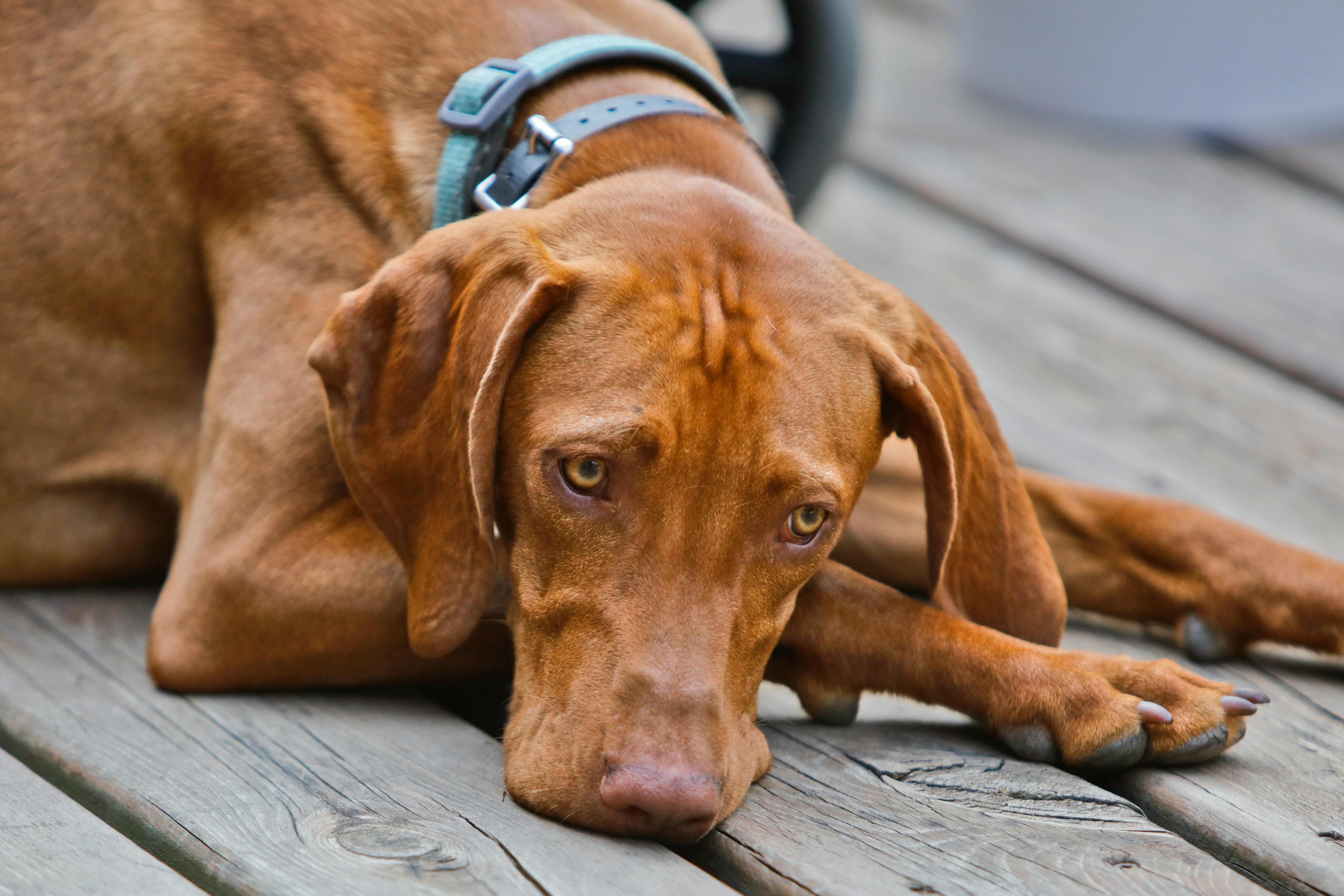 Photo: Dale Heins / Pexels
How long do Vizslas live?
The best recent figure is 13.5 years for the breed, from a 2024 UK study published in Scientific Reports and reported on Wikipedia's Vizsla page. The same page gives 12.7 years for purebred dogs overall and 12 years for crossbreeds, so the Vizsla sits above both averages.
Individual dogs vary. Cancer is the reason a Vizsla can fall short of the average, and the breed club data below shows how often. A UK literature review cited on the club's cancer page found a median age at death from cancer of 9.83 years, but it covered only 15 dogs, so treat it as a warning and not a statistic.
For budgeting, the point is the spread. If you plan for 13 years and the dog lives to 15, you need two more years of food, vet care and insurance, about $4,800 at PetBudget's ongoing rate of $2,416 a year. If the dog dies at 10, the bills stop sooner, but a late-life cancer can cost more than those two years put together.
What is the Vizsla life expectancy, stage by stage?
Vizsla life expectancy of 13 years splits into a costly first year, a long steady middle and a senior stretch where illness clusters. PetBudget's model spends $4,861 in year one and $2,416 in each year after, which is how the $33,853 lifetime figure is built.
| Life stage | Years | Modeled cost |
|---|---|---|
| Puppy year: purchase, setup, vaccines, training | 1 | $4,861 |
| Prime adult years | 2 to 8 | $16,912 |
| Senior years | 9 to 13 | $12,080 |
| Total | 13 | $33,853 |
The model charges the same ongoing rate in every adult and senior year, so the senior row is a floor. Cancer and joint disease tend to arrive later in life, and the stage-three bills in the scenarios below sit on top of that floor. A Vizsla that lives to 15 adds two more senior years, or about $4,832 at the same rate.
Active dogs also wear out their gear and need exercise. The Wikipedia page notes that Vizslas left alone for long periods can become bored and destructive, so a household that is out all day should price in a dog walker or daycare, which this model does not include.
What do Vizslas get sick with, and how often?
Cancer comes first, then epilepsy, then joint and skin problems. The UK Hungarian Vizsla Club health page lists cancer as the first principal concern, with hemangiosarcoma described as common, epilepsy second and hip dysplasia fourth. It also says at least 16 immune-mediated conditions have been documented in UK Vizslas, with allergies, polymyositis and sebaceous adenitis the most common.
The best numbers come from cancer surveys, relayed by the same club:
| Finding | Figure | Source |
|---|---|---|
| Hemangiosarcoma's share of all Vizsla cancers | 35% | Vizsla Club of America 2023 health survey, as relayed on the UK club's cancer page |
| Vizslas that died of hemangiosarcoma in the prior ten years | About 1 in 6 | Same survey, same page |
| Vizslas affected by cancer at some point in life | About 12.5% | UK Breed Health Survey 2025, same page |
These figures are secondhand. The survey report itself was not available to read, and the UK page gives no sample sizes. Use them for direction: cancer is common enough in this breed to deserve its own line in the plan.
Hip dysplasia is rarer. The Wikipedia breed page, citing the Orthopedic Foundation for Animals, calls it very rare but possible. That is good news for a large, athletic dog, though it does not remove the need to check both parents' hip scores.
What does a Vizsla cancer cost to treat?
A Vizsla cancer course costs from about $4,500 to $12,000 or more, depending on the treatment. No source I opened gives a price specific to hemangiosarcoma, so the table below uses the general dog-cancer tiers from PetBudget's dog and cat cancer treatment cost guide.
| Step | Typical cost | Source |
|---|---|---|
| Diagnosis and staging (bloodwork, imaging) | $1,000 to $2,000 | CBS News |
| Tumor removal surgery | $500 and up | Healthy Paws |
| Chemotherapy, full protocol | $3,000 to $10,000+ | CareCredit |
Adding the diagnosis and chemotherapy ranges gives $4,000 to $12,000, and surgery pushes the low end toward $4,500. That is the working range this guide uses. Many owners of dogs with advanced disease choose comfort care instead, which costs far less, so the range is a ceiling for a full treatment plan.
What does epilepsy cost in a Vizsla?
Epilepsy costs most as a monthly drug bill. A survey of 225 owners of epileptic dogs, reported by dvm360, found median monthly spending on antiepileptic drugs of $51 to $75, and 10% of respondents spent more than $200 a month. The survey ran from July 2011 to August 2012, so today's prices are likely higher.
If a Vizsla starts seizures at age 3 and lives to 13, ten years of medication at $51 to $75 a month totals $6,120 to $9,000. That figure excludes the diagnostic work, which the dvm360 survey says often included routine bloodwork for 76% of dogs and MRI for 31%, and any emergency visit for a cluster of seizures.
What does a hip problem cost?
One hip surgery costs about $1,200 to $6,000, per MetLife's hip dysplasia surgery guide. PetBudget's breed data uses $5,250 as the typical figure for a Vizsla. A total hip replacement costs more, and Iowa State University's total hip replacement page lists $7,000 to $9,000 per hip.
How much do the three scenarios add to a Vizsla's lifetime cost?
Each scenario adds thousands of dollars, and cancer adds the most at the high end. The table below stacks each one on PetBudget's $33,853 baseline.
| Scenario | Added cost | Lifetime total |
|---|---|---|
| No major illness | $0 | $33,853 |
| Epilepsy from age 3 | $6,120 to $9,000 | $39,973 to $42,853 |
| Cancer treated with surgery and chemotherapy | $4,500 to $12,000 | $38,353 to $45,853 |
| One hip surgery | $1,200 to $6,000 | $35,053 to $39,853 |
$10,517
Lifetime premiums for a Vizsla at PetBudget's modeled $809 a year over 13 years. Compare it with the scenarios above in the calculator.
Is insurance worth it for a Vizsla?
Insurance pays off in the cancer scenario and breaks roughly even in the epilepsy scenario. PetBudget's modeled premium is $809 a year, built from NAPHIA's 2026 State of the Industry highlights, where the average U.S. dog accident-and-illness plan cost $836 a year. Over 13 years that is $10,517 in premiums.
If a policy reimburses 80 to 90 percent after the deductible, a $12,000 cancer course leaves you paying roughly $1,200 to $2,400 plus the deductible, which makes the premiums pay for themselves. An epilepsy diagnosis at age 3 is usually excluded as pre-existing if you enroll after it, so enroll before seizures start. The pre-existing conditions guide explains why.
A dog with no illness costs you the full $10,517 in premiums for no payout, which is why some owners self-fund. If you go that way, the reserve in PetBudget's model is $4,000, drawn from MetLife's 2025 survey of 1,000 pet owners, in which 15% had spent $3,000 or more on an unexpected vet bill. A $4,000 reserve does not cover a full cancer course.
How do you build a Vizsla reserve, month by month?
Divide the target by the months you have, and automate the transfer. A $4,000 reserve takes about $167 a month over two years or $111 a month over three. Those transfers sit on top of the $201 monthly ongoing cost, so the true monthly commitment in the early years is $312 to $368 for a dog you do not insure.
If you insure, redirect part of that money instead. At $809 a year the premium is about $67 a month, and a smaller reserve of $1,000 to $1,500 can cover the deductible and any uncovered share. The pet insurance versus emergency fund comparison walks through the break-even point for each approach.
Whichever route you choose, write the amount down now. Owners who never set a number tend to discover the cost at the moment of the bill, and cancer and seizure emergencies rarely arrive on a convenient day.
How can you lower the risk before you buy?
Choose a litter from health-tested parents, and ask the right questions:
- Ask for both parents' hip scores from the Orthopedic Foundation for Animals or a similar registry.
- Ask whether either parent or any littermate has had seizures, and how old the affected dogs were.
- Ask how many relatives died of cancer before age 10, and which kind.
- Ask whether the breeder takes part in a breed health survey.
- Get written quotes for insurance on a puppy before you pick up the dog.
The pet insurance for a puppy guide covers timing. No test removes the cancer risk, so budget for it either way.
What does the first year look like before illness?
The first year costs $4,861, and it is the only year where you can still choose between breeders. The purchase price is the largest line and a screened litter often costs more than an unscreened one.
| First-year line | Modeled amount |
|---|---|
| Purchase or adoption | $1,100 |
| Initial vet visit and vaccinations | $700 |
| Starter supplies | $546 |
| Training classes | $260 |
| Food | $668 |
| Vet care | $700 |
| Grooming | $78 |
| Insurance | $809 |
Spending a few hundred dollars more on a puppy from health-tested parents is cheap against the scenarios above. The new puppy checklist covers the supplies line in detail.
What should a Vizsla owner do next?
Pick a path now, because the options narrow once a dog is sick. Insure early if you want cover for cancer or epilepsy, or open a dedicated account and fund it toward $4,000 and beyond. Weigh the dog at every vet visit, since weight loss and tiredness are early signs of many of these diseases. The breed page and the calculator will turn your city and plan into a personal figure.
Frequently asked questions
What is the average lifespan of a Vizsla?
The average is about 13.5 years in a 2024 UK study, and PetBudget plans for 13. Many sources give 12 to 15 years, so budget for the upper end if you want to avoid being caught short.
Are Vizslas expensive to own?
A Vizsla costs about $2,416 a year in PetBudget's model, or $201 a month, which is typical for a large sporting dog. Illness is what makes the lifetime figure rise, so a reserve or insurance matters more than the monthly baseline.
Can you prevent hemangiosarcoma in a Vizsla?
Not reliably. The cancer is common in the breed, and no screening test removes the risk. Regular vet exams that include a check of the abdomen and bloodwork in older dogs help find problems sooner.
Do Vizslas live longer than other large dogs?
In the 2024 UK study, the Vizsla's 13.5 years sits above the 12.7-year average for purebred dogs overall. Large dogs often live shorter lives, so a Vizsla is on the long side for its size. That helps the odds, but it also means more years of food, dental care and senior vet visits to pay for.
Should I get a second opinion on a cancer diagnosis?
It is reasonable to ask, because treatment plans differ widely in price and goals. A veterinary oncologist consultation typically costs $125 to $250, per the Healthy Paws consult pricing, and it can clarify whether surgery, chemotherapy or comfort care fits your dog and your budget.
Frequently asked questions
How long do Vizslas live?
A 2024 UK study of dog lifespans, summarized on the breed's Wikipedia page, gives 13.5 years for the Vizsla. Many sources give a 12 to 15 year range. PetBudget plans for 13 years so the budget does not run short.
What is the most common cause of death in Vizslas?
Cancer. A Vizsla Club of America 2023 health survey, as relayed by the UK Hungarian Vizsla Club, reports that about 1 in 6 Vizslas died of hemangiosarcoma in the previous ten years. The survey itself was not available to read.
Do Vizslas get hip dysplasia?
Wikipedia's breed page, citing the Orthopedic Foundation for Animals, describes hip dysplasia as very rare but possible in Vizslas. Still ask a breeder for both parents' hip scores, because one surgery can cost $1,200 to $6,000.
How much does it cost to treat epilepsy in a Vizsla?
Medication is the main recurring cost. In a survey of 225 owners of epileptic dogs, median monthly drug spending was $51 to $75, and 10% spent more than $200. Diagnostics and emergency visits come on top.
See your own pet's real numbers.
Run the calculator with your breed, metro area, and care choices for a first-year, annual, and lifetime cost estimate — not a national average.
Comments
Comments are moderated before they appear. Constructive questions, corrections and first-hand pet cost experiences are welcome.
Verified Dialogue
Sort by: Chronological (earliest)Loading comments…