

Key takeaways
- A Yorkie's two costly health risks show up at different ages: a liver shunt appears in puppyhood as small size and slow recovery from anesthesia, and tracheal collapse appears later as a goose-like honking cough.
- Tracheal stenting runs $3,500 to $6,500 per Embrace Pet Insurance and medication $50 to $200 a month, while a University of Tennessee estimate puts extrahepatic shunt workup plus surgery at $5,408 to $7,571.
- PetBudget models a Yorkie at $1,885 a year and $26,811 over 13 years, so either condition can cost as much as three to four years of normal spending.
A Yorkie is a 4 to 7 pound toy dog with two expensive conditions that look nothing alike: tracheal collapse in the adult and a liver shunt in the puppy. A honking cough points to the windpipe, and a small puppy that wakes slowly from anesthesia points to the liver. Knowing which signs mean which condition is the first step to a sensible budget. This guide separates the two by age and sign, then prices the tests, the treatment and the lifetime of follow-up.
The modeled breed numbers sit on the Yorkie page. For sizing, our Yorkie weight chart covers the growth curve that a shunt interrupts.
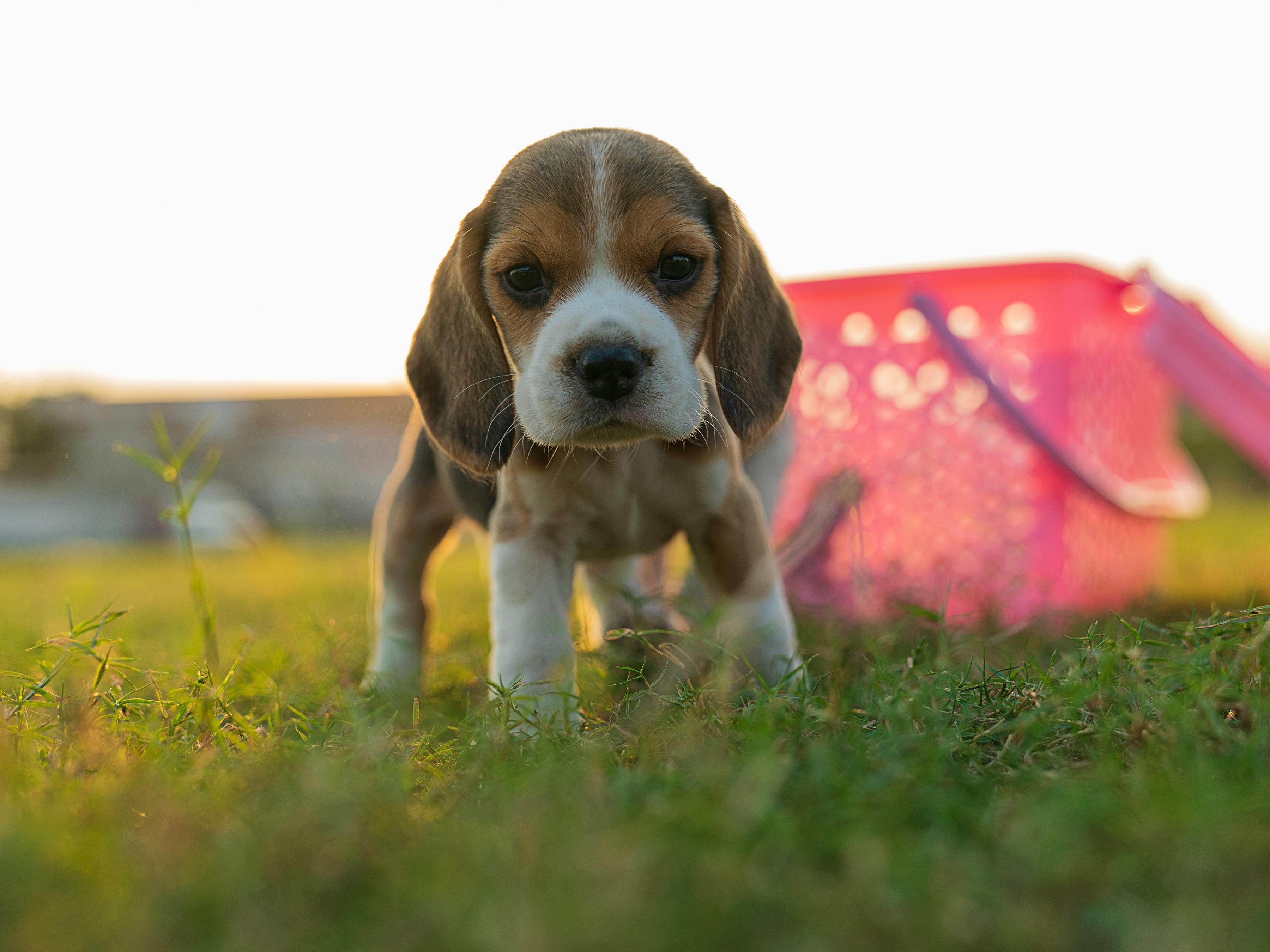 Photo: Nishant Aneja / Pexels. A puppy shown as a stand-in; it is not a Yorkie.
Which Yorkie health problem is the costly one?
Both are, and the difference is when you pay. A liver shunt is a one-time bill early in life, and tracheal collapse is a lifelong bill that usually starts in middle age. PetBudget's breed data lists the two conditions with these cost ranges.
| Condition | Typical age it shows | Cost range in PetBudget data | Pattern |
|---|---|---|---|
| Portosystemic shunt | Puppyhood | $2,000 to $5,000 | One time |
| Tracheal collapse | Middle age and older | $2,000 to $5,000 | One time, plus medication |
The PetBudget ranges are modeled. The sourced figures below are higher in places, and I would trust the hospital estimates over the model for a specialist case.
What are the signs of tracheal collapse in a Yorkie?
The sign is a harsh, dry cough that sounds like a goose honking. The American College of Veterinary Surgeons says small breeds are most affected, "especially Yorkshire terriers, Pomeranians, Poodles, and Chihuahuas," and that middle-aged or older dogs are most often affected.
The ACVS lists more signs than the cough.
- Coughing when the dog is picked up or the collar is pulled.
- Trouble breathing and reduced exercise tolerance.
- Coughing, or turning blue, when excited.
- Fainting.
- A wheezy sound on breathing in.
Overweight dogs and dogs that live with smokers may be at higher risk, per the same page. Weight is the one risk factor an owner controls, and it connects to the food line in the budget below.
Treat any blue tinge or fainting as an emergency. A honk on pickup is a vet visit this week, not tonight.
What does tracheal collapse treatment cost?
Treatment runs from $50 a month for a pill to $6,500 for a stent. Embrace Pet Insurance's tracheal collapse guide gives a cost table.
| Item | Cost range |
|---|---|
| Diagnostic workup, x-rays and fluoroscopy | $500 to $1,500 |
| Medication, lifelong | $50 to $200 a month |
| Tracheal stenting | $3,500 to $6,500 |
| Surgical ring placement | $3,500 to $6,500 |
| Emergency care for a severe flare-up | $500 to $2,000 or more |
Embrace notes that stents cost about $1,000 each and that the number needed depends on how much of the airway has collapsed. It says rings need a specialist surgeon.
Most dogs start with medicine, not surgery. Embrace says medical management "controls symptoms in approximately 70% of dogs, particularly those with Grades 1 and 2 collapse." The grades run from 25 percent narrowing at Grade 1 to near-total collapse at Grade 4.
The ACVS gives outcome rates. About 75 percent of dogs improve after ring placement, and for stents 95 percent are immediately improved. The ACVS also warns that dogs older than 6, or with laryngeal or bronchial disease, have more complications and poorer long-term outcomes.
How much does lifelong tracheal collapse medication add up to?
Medication is the cost that does not stop, and over five years it can match a stent. The ACVS says medical management "will need to be continued for life, even after other interventions." So a stent does not cancel the monthly line.
Here is my arithmetic from Embrace's $50 to $200 a month, for a dog diagnosed at age 8 and living to 13.
| Years of medication | Low at $600 a year | Midpoint at $1,500 a year | High at $2,400 a year |
|---|---|---|---|
| 1 | $600 | $1,500 | $2,400 |
| 3 | $1,800 | $4,500 | $7,200 |
| 5 | $3,000 | $7,500 | $12,000 |
The midpoint takes $125 a month. A five-year course at the midpoint costs $7,500, which is more than a stent at the top of its range. That is the point an owner should hold on to. A stent is a one-time purchase that can lower the monthly line, while pills are a permanent subscription.
The guide does not say a stent reduces medication in every dog, and the ACVS says medication continues. Treat the table as the worst realistic case, not a forecast.
What are the signs of a liver shunt in a Yorkie puppy?
A liver shunt shows as a small, slow-growing puppy that reacts badly to anesthesia or acts oddly after meals. The ACVS says congenital shunts may present with "small body stature and anesthetic intolerance," with a "prolonged recovery following an anesthetic event." It adds episodic behavior changes that may be "more noticeable after eating."
A shunt is a blood vessel that sends blood around the liver instead of through it. The ACVS lists the Yorkshire Terrier among the affected breeds. It says single extrahepatic shunts, those outside the liver, "more often affect small and toy breeds," while intrahepatic shunts more often affect large breeds.
More serious signs follow if the shunt goes untreated.
- Ataxia, seizures, blindness and head pressing.
- Vomiting, diarrhea and loss of appetite.
- Heavy drooling and increased thirst and urination.
The page lists blood work, urinalysis, bile acids taken fasting and two hours after eating, abdominal x-rays, ultrasound and CT as the diagnostic tools. In dogs with a shunt, "one or both sets of bile acids are increased."
If your Yorkie puppy stays tiny, vomits after meals or wakes slowly from a procedure, ask your vet whether bile acids make sense before the next anesthetic. I would raise that question before a spay or a dental, because anesthetic intolerance is one of the ACVS's named signs.
What does Yorkie liver shunt surgery cost?
At one US teaching hospital, an extrahepatic shunt costs $5,408 to $7,571 for workup and surgery together. The University of Tennessee's veterinary hospital publishes a portosystemic shunt estimate sheet, updated June 26, 2026, with estimates valid until March 31, 2027.
| Item at the University of Tennessee | Estimate |
|---|---|
| Workup alone | $1,622 to $3,937 |
| Extrahepatic shunt, workup and surgery | $5,408 to $7,571 |
| Intrahepatic shunt, open surgery | $6,685 to $9,605 |
| Intrahepatic shunt, coil procedure | $10,600 to $12,309 |
The sheet says a typical extrahepatic stay is 4 to 5 days, with about 48 hours in intensive care after surgery. A Yorkie falls in the first row of the shunt estimates, because extrahepatic shunts usually occur in small-breed dogs.
The estimate sheet also says suspected shunt dogs should be on medical management for 4 weeks before the surgery consult. That means lactulose and a protein-restricted diet, with antibiotics when needed. The ACVS agrees that medical management consists of "a low protein diet and oral administration of antibiotics and lactulose."
One hospital's price is a ceiling for some regions and a floor for others, and I found no second published hospital estimate to average against it. Ask your referral surgeon for a written estimate.
What is the outcome of shunt surgery?
The outlook is good if the puppy survives the days right after surgery. The ACVS says "the prognosis is excellent if the animal survives the immediate postoperative period" and the shunt is closed.
The risks are real, and the page names them. Portal hypertension is a major complication. Refractory seizures are rare but serious, and they occur "most frequently in toy breed dogs," usually in the first 1 to 2 days after surgery.
The ACVS describes two common devices for closing an extrahepatic shunt. An ameroid constrictor is a C-shaped ring that closes the vessel gradually over several weeks. A cellophane band does the same over months. Gradual closing is the point, since sudden closure can overload the liver.
I found no source that gave a Yorkie-specific survival percentage, so I will not give one. Ask your surgeon how many toy-breed shunts the team has operated on.
Does a harness help a Yorkie with tracheal collapse?
Yes, and it is the cheapest item in this whole guide. The ACVS says that after treatment, dogs should use "a body harness rather than a neck lead." The same page lists coughing when the collar is pulled as a sign.
A harness moves the pressure from the windpipe to the chest. It treats nothing, but it removes one trigger the ACVS names. I found no sourced price for a harness, so the cost belongs in the supplies line.
Keep the dog lean as well. Overweight dogs may be at higher risk, per the ACVS, and a 4 to 7 pound dog has little room to gain. A single pound is a large percentage of its body weight.
How much does a Yorkie cost to keep?
A Yorkie costs about $1,885 a year in PetBudget's model, or $157 a month, after a first year of $4,191. The model uses a $1,200 puppy price, which is an estimate and not a quote.
| Annual line | Yorkie |
|---|---|
| Food | $99 |
| Vet care | $561 |
| Grooming | $507 |
| Insurance | $599 |
| Supplies and toys | $119 |
| Total per year | $1,885 |
The model assumes a standard-size Yorkie, not a so-called teacup, and routine care with no active airway disease. Over a 13-year lifespan it reaches $26,811. Our Yorkshire Terrier price guide covers the purchase side.
$7,571
The top of the University of Tennessee's extrahepatic shunt workup and surgery estimate. That is about four years of a Yorkie's modeled $1,885 yearly cost. Adjust the inputs in the calculator.
How does the Yorkie compare with other toy breeds that get tracheal collapse?
The Yorkie is the cheapest of the four to keep. PetBudget's data lists tracheal collapse for the Pomeranian, the Chihuahua and the Maltese as well, and the ACVS names the Pomeranian and the Chihuahua beside the Yorkie.
| Breed | Weight | Annual cost | Lifetime cost |
|---|---|---|---|
| Chihuahua | 2 to 6 pounds | $1,599 | $26,291 |
| Yorkie | 4 to 7 pounds | $1,885 | $26,811 |
| Pomeranian | 3 to 7 pounds | $2,042 | $30,894 |
| Maltese | 4 to 7 pounds | $2,113 | $30,831 |
The Chihuahua costs $286 less per year than the Yorkie, yet the lifetime figures sit within $520 of each other. You can place any two on the breed comparison page.
The cairn terrier is worth a note. PetBudget lists a portosystemic liver shunt for that breed too, and the ACVS names it, so the shunt risk is not unique to Yorkies.
Should you buy insurance for a Yorkie before either condition shows?
Yes, if you want either condition covered. A liver shunt can show in the first months, and a policy that starts after the first sign will treat it as pre-existing. Our guide to pre-existing conditions and waiting periods explains how that works.
PetBudget models insurance for a Yorkie at $599 a year. A shunt estimate of $5,408 to $7,571 equals about 9 to 13 years of premiums. Insurance pays back only in a year when a shunt or collapse bill lands, and it does not pay back in a normal year.
Read the policy's exclusion wording for congenital and hereditary conditions first. That clause decides whether a shunt is covered at all.
What questions should you ask a Yorkie breeder?
Ask about size, shunt history and airway history in the parents. A breeder cannot promise that a puppy will never develop either condition, but the answers show how open they are.
- Has any puppy in earlier litters had a liver shunt, or been small and slow to grow?
- Have the parents ever had a honking cough or a collapsed trachea diagnosis?
- What do the parents weigh? A standard Yorkie is 4 to 7 pounds.
- Will the breeder take a puppy back if a shunt is found?
Be wary of any breeder selling a "teacup" Yorkie below 4 pounds. PetBudget's model is for a standard-size Yorkie, and a puppy sold as tiny on purpose can hide the small body stature the ACVS lists as a shunt sign.
What is the bottom line?
A Yorkie costs about $1,885 a year, and the two surprise bills come at opposite ends of life: a $5,408 to $7,571 shunt estimate in puppyhood and $3,500 to $6,500 for a stent later. Watch the puppy's size and recovery, switch to a harness from day one, and keep the dog lean.
No veterinarian reviewed these modeled figures. The hospital and insurer ranges are from named sources and they vary by region, so get written estimates before you commit to any procedure.
Frequently asked questions
What does a Yorkie tracheal collapse cough sound like?
The American College of Veterinary Surgeons describes a harsh, dry cough that sounds like a goose honking. It often starts when the dog is excited, picked up or pulled on a collar.
Are Yorkies prone to liver shunts?
Yes. The ACVS names the Yorkshire Terrier among the breeds affected by portosystemic shunts, and says single extrahepatic shunts more often affect small and toy breeds.
How much does tracheal collapse treatment cost?
Embrace Pet Insurance lists a $500 to $1,500 diagnostic workup, $50 to $200 a month for lifelong medication, and $3,500 to $6,500 for a stent or surgical rings.
How much does Yorkie liver shunt surgery cost?
The University of Tennessee's veterinary hospital estimates $5,408 to $7,571 for workup and surgery of an extrahepatic shunt, with a 4 to 5 day hospital stay. Other hospitals will quote differently.
See your own pet's real numbers.
Run the calculator with your breed, metro area, and care choices for a first-year, annual, and lifetime cost estimate — not a national average.
Comments
Comments are moderated before they appear. Constructive questions, corrections and first-hand pet cost experiences are welcome.
Verified Dialogue
Sort by: Chronological (earliest)Loading comments…