
Australian Terrier Cost & Ownership Dossier
Australian Terrier cost planning starts with a hardy small dog that is cheaper to feed and house than most breeds but still carries real vet spending over a decade-plus lifespan. Expect $3,852 in the first year once you count setup items and initial vet visits, then a lighter $1,777 in most later years. The bigger swing factor is how much skin and joint care this individual dog ends up needing.
Executive cost summary
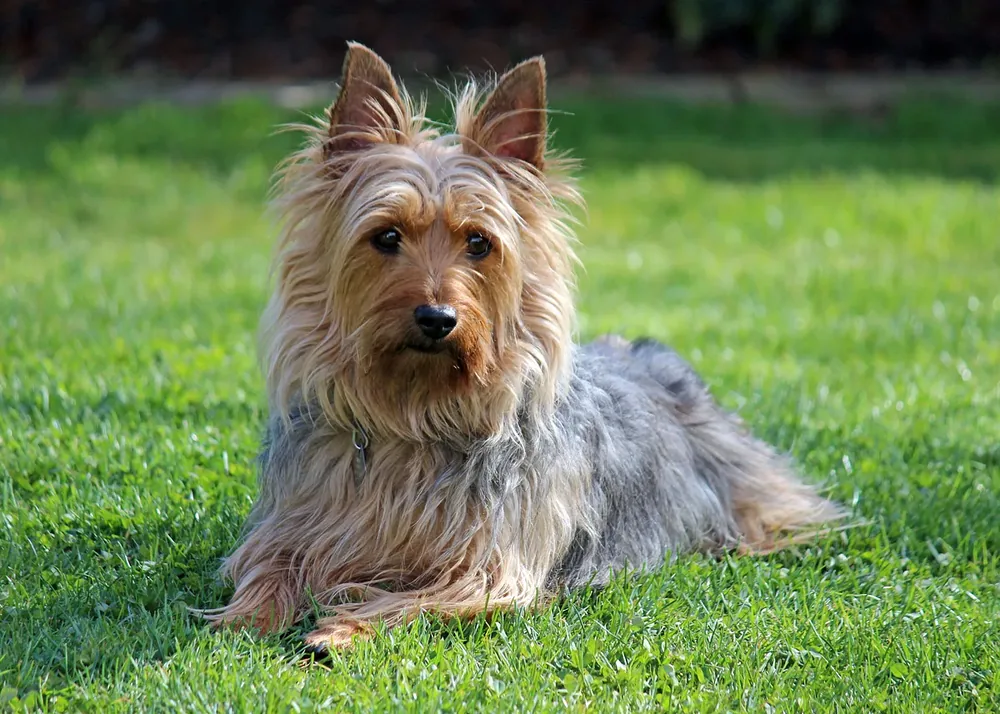
Australian Terrier
Australian Terrier cost planning starts with a hardy small dog that is cheaper to feed and house than most breeds but still carries real vet spending over a decade-plus lifespan. Expect $3,852 in the first year once you count setup items and initial vet visits, then a lighter $1,777 in most later years. The bigger swing factor is how much skin and joint care this individual dog ends up needing.
Acquisition, surgical desexing, initial vet series, and starter hardware.
Normalized baseline at ~$148/month routine cash burn.
Projected over a 13-year Australian Terrier lifespan.
$2,000 Liquid Reserve Mandate
Critical bufferA sturdy, long-lived terrier whose main cost drivers are orthopedic issues and skin allergies rather than any single defining syndrome.
Source: MetLife True Cost of Pet Emergencies 2025 (15% of owners hit $3,000+; uninsured surgery $3,000–8,000)
Biometric & phenotypic actuarial spec
Annual Cash Burn Matrix ($1,777/yr)
Continuous operational expenditure distributed across 5 core maintenance categories, indexed to metabolic demand and regional clinical rates.
Food
Vet Care
Grooming
Pet Insurance
Supplies & Toys
Upfront Entry CapEx
Purchase / Adoption Fee ($900), Initial Vet Visit & Vaccinations ($607), Starter Supplies ($437), Training Classes ($260), First Year Food ($172), First Year Vet Care ($607), First Year Grooming ($195), First Year Insurance ($674).
Comprehensive Lifecycle Ledger
Audited financial breakdown distinguishing immediate first-year fixed capitalization from ongoing annualized operating liabilities over the full 12–15 yrs canine lifespan.
| Expenditure Category | Year 01 Outlay | Annual Steady-State | Lifetime Total | Actuarial Sizing Methodology |
|---|---|---|---|---|
| Purchase / Adoption Fee | $900 | — | $900 | Varies by breeder vs rescue |
| Initial Vet Visit & Vaccinations | $607 | — | $607 | Spay/neuter, microchip, health check |
| Starter Supplies | $437 | — | $437 | Bed, crate, collar, bowls, toys |
| Training Classes | $260 | — | $260 | Basic obedience recommended |
| First Year Food | $172 | — | $172 | — |
| First Year Vet Care | $607 | — | $607 | — |
| First Year Grooming | $195 | — | $195 | — |
| First Year Insurance | $674 | — | $674 | — |
| Food | — | $172 | $2,236 | — |
| Vet Care | — | $607 | $7,891 | — |
| Grooming | — | $195 | $2,535 | — |
| Pet Insurance | — | $674 | $8,762 | — |
| Supplies & Toys | — | $129 | $1,677 | — |
| Gross Actuarial Expenditure | $3,852 | $1,777 / yr | $25,176 | Unadjusted baseline |
Actuarial Health Risk Profile (Tier 3)
A sturdy, long-lived terrier whose main cost drivers are orthopedic issues and skin allergies rather than any single defining syndrome.
Patellar Luxation
A kneecap that slips out of its groove, common in small terriers and ranging from a minor gait quirk to a condition needing surgical correction.
Legg-Calve-Perthes Disease
A degeneration of the hip's femoral head seen in small breeds during growth, usually resolved with corrective surgery in the affected leg.
Allergic skin disease
Terriers with wire coats are prone to environmental and food allergies that cause chronic itching and repeat dermatology visits.
Diabetes mellitus
Terrier breeds carry an above-average predisposition to insulin-dependent diabetes, which requires lifelong monitoring and daily insulin once diagnosed.
What Truly Drives the Australian Terrier’s Financial Profile
About the Australian Terrier and its cost
The Australian Terrier is a small, wire-coated working terrier bred to hunt vermin on Australian farms, and that heritage shows up in a compact body, a confident temperament, and a coat that needs periodic hand-stripping rather than constant brushing. Because it is a small breed, food and medication doses stay modest, which keeps annual costs lower than a medium or large dog would run. Where owners get surprised is the coat care line: a wire coat done properly is a specialty groom, not a quick bath-and-brush, so budget for a groomer who knows terrier coats or plan to learn hand-stripping yourself.
What drives Australian Terrier costs
Two forces set the cost curve for this breed: small-dog orthopedic issues like patellar luxation and Legg-Calve-Perthes disease, and a tendency toward allergic skin disease that can mean repeat dermatology visits and prescription diets. Neither is as expensive as a large-breed hip replacement, but both add up over a lifespan that regularly reaches the mid-teens. The breed's above-average diabetes risk also means owners should not skip senior bloodwork, since an early catch keeps management costs from escalating. Insurance premiums stay comparatively affordable given the size, but a policy is worth pricing before adoption if any of these conditions worry you.
Australian Terrier first-year budget
The first year combines one-time and recurring costs into a total of $3,852. One-time items, $900 for the dog itself, $607 for the initial vet visits and vaccinations, $437 for a crate, bed, and bowls, and $260 for basic obedience classes, sum to $2,204. Layered on top is $1,648 in ongoing spending, including $172, $607 for routine checkups, $195 for early coat care, and $674 if you enroll a policy from the start. Starting insurance and training early tends to lower lifetime cost even though it raises the first-year number.
Australian Terrier yearly cost after year one
Once the one-time setup costs are behind you, a typical year settles to $1,777, or roughly $148 a month. That figure covers $172, $607 for annual exams and preventive care, $195 for coat maintenance, $674, and $129 for replacement gear and enrichment items. Because the breed is small, this steady-state number stays lower than for a medium or large dog carrying the same conditions, though a wire coat keeps grooming from dropping as low as a short-haired breed's.
Emergency fund for an Australian Terrier
A reserve of $2,000 is a reasonable target given this breed's orthopedic and allergy risk profile, since patellar luxation surgery or an extended dermatology workup can arrive without warning. Building that fund alongside routine budgeting, rather than after an incident, keeps a mid-tier vet emergency from becoming a financial crisis. Owners who also carry insurance can size the emergency fund toward deductibles and exclusions instead of a full uncovered bill, which is part of why lifetime estimates land near $25,176 even for a comparatively hardy breed.
Cutting Australian Terrier costs
The clearest lever for lowering $1,777 over time is catching allergy and orthopedic issues early, since a managed condition costs far less than one that has progressed to chronic treatment or surgery. Consistent preventive vet care, a stable diet, and disciplined coat maintenance all work in the same direction: fewer surprise visits and a smoother $148 spend. Over a full lifespan, these habits are what keep the $25,176 total near the lower end of what a small terrier with this health profile can run, rather than the higher end driven by reactive, late-stage care.
5 Prudent Ways to Cut Australian Terrier Costs
Learn basic hand-stripping
Hand-stripping a wire coat yourself, even just between professional visits, cuts grooming spend substantially. Many terrier breeders and clubs run hands-on clinics worth attending before your dog's coat matures.
Ask about hip and knee screening
Buying from a breeder who screens for patellar and hip issues lowers the odds of an expensive orthopedic surgery later. A modest premium at purchase can offset a much larger vet bill down the road.
Insure early, before symptoms appear
Because allergic skin disease and diabetes can develop gradually, a policy bought while your Australian Terrier is young and symptom-free avoids pre-existing condition exclusions. Compare accident-and-illness plans rather than accident-only.
Feed a consistent, quality diet
Frequent food switching can aggravate a sensitive terrier stomach and trigger allergy flare-ups. Settling on one well-tolerated diet reduces both digestive vet visits and wasted bags of food.
Keep senior bloodwork on schedule
Annual bloodwork after age seven catches diabetes and kidney changes early, when management is cheaper and less invasive. Skipping these visits to save money now often costs more later.
Peer Class Financial Comparisons
How the Australian Terrier compares to morphological peers on annualized ownership cost.
Australian Terrier
Frequently Asked Financial Questions
How much does an Australian Terrier puppy cost?
How much does an Australian Terrier cost per year?
What is the lifetime cost of owning an Australian Terrier?
How much does Australian Terrier pet insurance cost per month?
Are Australian Terriers expensive to groom?
Do Australian Terriers have expensive health problems?
Is an Australian Terrier a cheap dog to feed?
What should I budget for an Australian Terrier's first year?
Data sources
- Australian Terrier Breed Standard — American Kennel Club (akc.org)
- Australian Terrier — Wikipedia (en.wikipedia.org)
- Pet Health Insurance — NAPHIA (naphia.org)
Calculate Your Australian Terrier Cost Adjusted by Metro ZIP Code
Veterinary surgical tariffs and clinical room rates vary widely between metropolitan regions and rural counties. Recalculate this dossier with your exact state, city, and lifestyle parameters.