
How Much Does an Azawakh Cost Per Year?
Azawakh cost starts with a scarce, imported-bloodline puppy. It continues with a lean sighthound's modest food needs, offset by careful, breed-aware veterinary care. Standing 25 to 29 inches tall and typically 44 to 55 pounds, this strong-prey-drive sighthound needs secure fencing more than a big food budget. Because thyroid issues and anesthesia sensitivity run through some lines, plan on $4,783 in year one to cover acquisition, starter gear, and baseline screening. After that, $2,338 a year keeps food, checkups, and insurance on track.
Executive cost summary
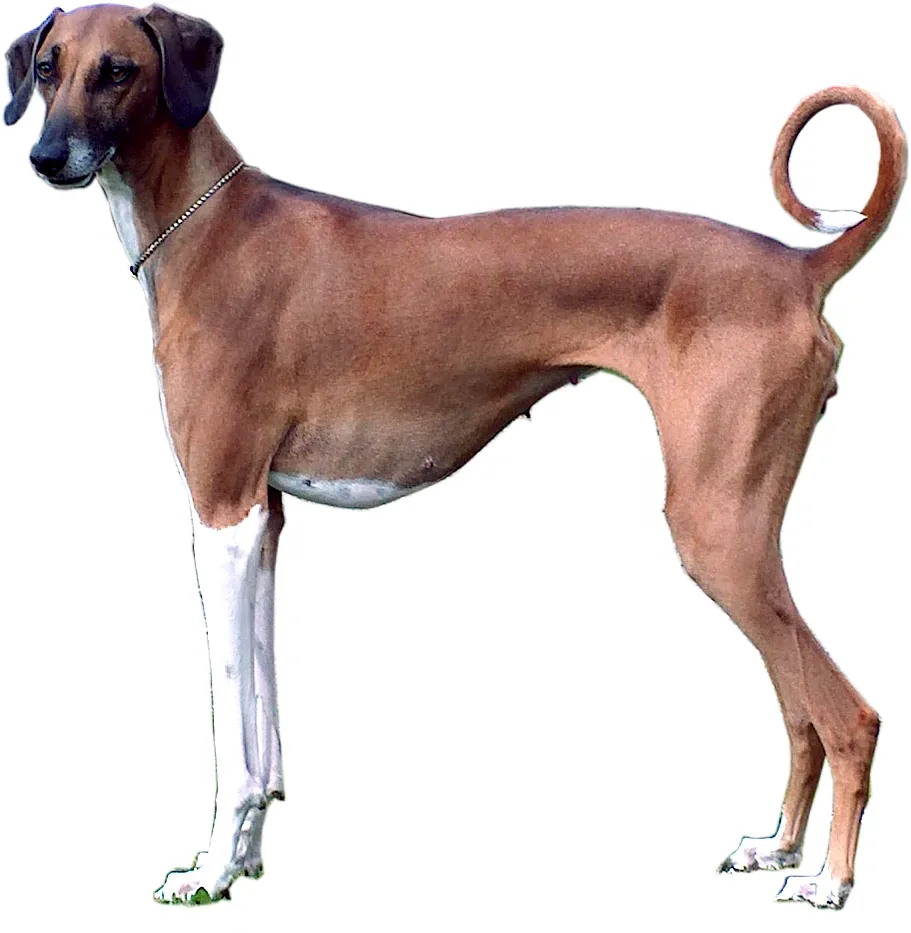
Azawakh
Azawakh cost starts with a scarce, imported-bloodline puppy. It continues with a lean sighthound's modest food needs, offset by careful, breed-aware veterinary care. Standing 25 to 29 inches tall and typically 44 to 55 pounds, this strong-prey-drive sighthound needs secure fencing more than a big food budget. Because thyroid issues and anesthesia sensitivity run through some lines, plan on $4,783 in year one to cover acquisition, starter gear, and baseline screening. After that, $2,338 a year keeps food, checkups, and insurance on track.
Acquisition, surgical desexing, initial vet series, and starter hardware.
Normalized baseline at ~$195/month routine cash burn.
Projected over a 13-year Azawakh lifespan.
$4,000 Liquid Reserve Mandate
Critical bufferA generally hardy sighthound whose main recurring costs come from thyroid monitoring and anesthesia-aware veterinary handling rather than a single defining syndrome.
Source: MetLife True Cost of Pet Emergencies 2025 (15% of owners hit $3,000+; uninsured surgery $3,000–8,000)
Biometric & phenotypic actuarial spec
What a Azawakh costs, year by year
Cumulative spend across a 13-year life in today's dollars, with the same curve at 3% and 8% yearly inflation. Year 1 carries the acquisition and setup bill.
- Food & nutrition
- Vet & insurance
- Grooming & coat
- Setup & sundries
- - - - at 3% inflation: $38,959
- · · · at 8%: $52,701
Where the big bills land
Bars are routine one-off vet events (vaccine boosters, dental cleanings, bloodwork, spay/neuter). Diamonds are sourced condition treatments for this breed.
No sourced condition costs for this breed yet; only routine events are plotted.
45th percentile
57th percentile
Ranked against 265 other dog breeds in this directory.
View as a table
| Year | Spend | Cumulative | Routine vet events |
|---|---|---|---|
| 1 | $4,783 | $4,783 | $751 |
| 2 | $2,338 | $7,121 | $77 |
| 3 | $2,338 | $9,459 | $543 |
| 4 | $2,338 | $11,797 | $164 |
| 5 | $2,338 | $14,135 | $620 |
| 6 | $2,338 | $16,473 | $164 |
| 7 | $2,338 | $18,811 | $543 |
| 8 | $2,338 | $21,149 | $241 |
| 9 | $2,338 | $23,487 | $543 |
| 10 | $2,338 | $25,825 | $492 |
| 11 | $2,338 | $28,163 | $784 |
| 12 | $2,338 | $30,501 | $328 |
| 13 | $2,338 | $32,839 | $707 |
Annual Cash Burn Matrix ($2,338/yr)
Continuous operational expenditure distributed across 5 core maintenance categories, indexed to metabolic demand and regional clinical rates.
Food
Source: Derived: veterinary MER formula + mid-tier dry kibble price (2026-01)
Vet Care
Source: Modeled estimate, not a sourced figure. Category basis: ASPCA / AAHA routine wellness composite (annual exam, vaccines, parasite control) x size 1.06 x risk 1 (2026-01)
Grooming
Source: Modeled estimate, not a sourced figure. Category basis: Rover / PetSmart service menu, short-coat baseline (grooming rating 2) x coat 0.4 (2026-01)
Pet Insurance
Source: Derived: NAPHIA State of the Industry 2025 (2024 data), accident & illness dog average x size 1.08 x risk 1 (2026-01)
Supplies & Toys
Source: Derived: Synchrony Pet Lifetime of Care 2025 (toy replacement $50–150/yr) plus routine consumables x size 1.15 (2026-01)
Upfront Entry CapEx
Purchase / Adoption Fee ($1,100), Initial Vet Visit & Vaccinations ($700), Starter Supplies ($546), Training Classes ($260), First Year Food ($590), First Year Vet Care ($700), First Year Grooming ($78), First Year Insurance ($809).
Comprehensive Lifecycle Ledger
Audited financial breakdown distinguishing immediate first-year fixed capitalization from ongoing annualized operating liabilities over the full 12–15 yrs canine lifespan.
| Expenditure Category | Year 01 Outlay | Annual Steady-State | Lifetime Total | Actuarial Sizing Methodology |
|---|---|---|---|---|
| Purchase / Adoption Fee | $1,100 | — | $1,100 | Varies by breeder vs rescue |
| Initial Vet Visit & Vaccinations | $700 | — | $700 | Spay/neuter, microchip, health check |
| Starter Supplies | $546 | — | $546 | Bed, crate, collar, bowls, toys |
| Training Classes | $260 | — | $260 | Basic obedience recommended |
| First Year Food | $590 | — | $590 | — |
| First Year Vet Care | $700 | — | $700 | — |
| First Year Grooming | $78 | — | $78 | — |
| First Year Insurance | $809 | — | $809 | — |
| Food | — | $590 | $7,670 | — |
| Vet Care | — | $700 | $9,100 | — |
| Grooming | — | $78 | $1,014 | — |
| Pet Insurance | — | $809 | $10,517 | — |
| Supplies & Toys | — | $161 | $2,093 | — |
| Gross Actuarial Expenditure | $4,783 | $2,338 / yr | $32,839 | Unadjusted baseline |
Actuarial Health Risk Profile (Tier 3)
A generally hardy sighthound whose main recurring costs come from thyroid monitoring and anesthesia-aware veterinary handling rather than a single defining syndrome.
Hypothyroidism
Underactive thyroid shows up in some lines and needs lifelong daily medication plus periodic bloodwork to keep dosing right.
Typically appears at age 4–10
medium confidence
Autoimmune thyroiditis
An immune-mediated thyroid disease documented in the breed that can be screened for through OFA thyroid panels before breeding or when symptoms appear.
Anesthesia sensitivity
Very low body fat means standard sedation and anesthesia doses can run too high, so any surgery or dental cleaning needs sighthound-aware dosing and monitoring.
Seizure disorders
Idiopathic epilepsy has been reported in the breed and, when present, calls for long-term anticonvulsant medication and regular vet monitoring.
Costs are typical for the condition in general, not specific to the Azawakh. See the Azawakh cost timeline
What Truly Drives the Azawakh’s Financial Profile
About the Azawakh and its cost
The Azawakh is a West African sighthound bred for speed and endurance across the Sahel. Its rarity in the United States is the single biggest driver of azawakh cost. Few breeders work with the line domestically, so puppies often come from a small pool of specialty breeders or direct import, pushing $1,100 well above what a common breed commands. Beyond acquisition, the short, fine coat comes in a wide range of coat colors and keeps $78 grooming costs low, while its lean frame keeps $590 in food modest per pound of dog. A strong prey drive means secure fencing is worth budgeting for too. The bigger ongoing expense is veterinary care tailored to a sighthound's thin build and thyroid tendencies, which shapes $700 more than routine wellness visits would for a typical medium-large breed.
What drives Azawakh costs
Size and metabolism keep food and supply costs on the lower end for a large dog, since the Azawakh carries little body fat and eats accordingly. The bigger cost drivers are the health conditions common to the breed: thyroid screening and lifelong medication if hypothyroidism appears, and anesthesia protocols that require extra care and monitoring during any sedated procedure. Insurance is worth budgeting given these known predispositions, and routine vet visits should go to a practice experienced with sighthounds rather than the cheapest local option.
Buying an Azawakh puppy
Most people searching for Azawakh puppies for sale or Azawakh breeders are comparing sellers, and the price question is bigger than the puppy itself. This is a rare sighthound, so there are very few breeders in the US and a long waitlist is common. The $1,100 purchase figure on this page reflects a puppy from a breeder who screens thyroid health, since the breed is prone to hypothyroidism and autoimmune thyroiditis and can have seizure disorders. A puppy listed far below that may skip health testing, vaccines, or registration papers. Ask for written health results on both parents, a vaccination record, a signed health guarantee, and how the breeder socializes puppies, because the breed is reserved with strangers. Also confirm the puppy stayed with its litter until at least eight weeks. The $700 initial vet line covers spay or neuter, microchip and the first exam, and the dog's $2,338 ongoing yearly cost begins right after. Because this lean breed is sensitive to anesthesia, choose a vet who knows sighthounds.
Azawakh first-year budget
The first year opens with $1,100 to acquire a puppy from one of the few breeders working with this rare sighthound, plus $700 for vaccines, deworming, and a baseline thyroid panel given the breed's known predisposition. $546 covers a crate, warm bedding, and coats suited to a lean, short-coated dog, while $260 supports the socialization this reserved-with-strangers breed benefits from early. Together these one-time costs form $2,606. Add $590, $700, $78, and $809 as $2,177 in ongoing costs during year one, bringing the full first-year figure to $4,783.
Azawakh yearly cost after year one
Once past the first year, $590 stays modest for the breed's lean frame, and $78 remains low thanks to the short, easy-care coat. $700 should continue to include periodic thyroid rechecks given the breed's documented risk, and $809 is worth keeping active to cover that possibility along with routine anesthesia needs for any future procedure. $161 covers replacement gear and mental enrichment for this high-energy hound. Altogether, steady-state ownership runs $2,338 per year, or $195 spread across twelve months.
Emergency fund for an Azawakh
Because anesthesia sensitivity and occasional seizure disorders can turn a routine procedure into a more involved one, an emergency fund sized at $4,000 gives a cushion for unplanned diagnostics or hospitalization. This reserve matters more for a sighthound than for a typical medium breed, since standard sedation protocols may need adjustment mid-procedure. Factored across a lifetime, total ownership cost including this reserve lands near $32,839. Building the fund early, before any incident, avoids financing an unexpected bill at a high interest rate.
Cutting Azawakh costs
The clearest lever for lowering $2,338 is establishing insurance or a dedicated savings habit before any thyroid or neurological issue appears, since post-diagnosis coverage becomes far harder to find. Choosing a veterinarian already experienced with sighthounds avoids paying for repeated consultations to find the right anesthesia protocol. Because the coat and shedding needs are minimal, grooming spend can stay near the bottom of typical ranges without cutting corners. Over a lifetime, these choices meaningfully narrow the gap between the low and high ends of $32,839, and keeping $195 predictable makes budgeting easier year to year.
5 Prudent Ways to Cut Azawakh Costs
Find a sighthound-savvy vet early
Locate a veterinarian familiar with sighthound anesthesia and thyroid screening before you need one. Switching practices mid-crisis costs more in repeated diagnostics than a planned first visit.
Budget for thyroid panels, not just checkups
Ask your breeder about thyroid history in the line and schedule a baseline OFA thyroid panel. Catching hypothyroidism early keeps treatment to a stable daily pill rather than an emergency workup.
Buy coats and bedding, not extra food
A short, low-shedding coat with little body fat means the Azawakh needs warm layers in cold climates more than it needs extra calories. Redirect grooming savings toward suitable outerwear instead.
Compare insurance before you need it
Enroll while the dog is healthy, since a thyroid diagnosis after enrollment can trigger exclusions later. Compare $809 quotes that specifically cover endocrine and neurological conditions.
Ask breeders for full health records
A rare breed means a smaller gene pool, so request thyroid and seizure history for both parents. This upfront diligence reduces the odds of costly conditions down the line.
Peer Class Financial Comparisons
How the Azawakh compares to morphological peers on annualized ownership cost.
Azawakh
Frequently Asked Financial Questions
How much does an Azawakh puppy cost?
Why are Azawakhs so expensive?
How much does it cost to raise an Azawakh per year?
Are Azawakhs hard to find in the US?
What is the monthly cost of owning an Azawakh?
Do Azawakhs need pet insurance?
What is the biggest ongoing expense for an Azawakh?
How much does an Azawakh cost over its lifetime?
What should I ask an Azawakh breeder before buying?
How long do Azawakhs live?
Data sources
- Azawakh Breed Standard — American Kennel Club (akc.org)
- Azawakh — Wikipedia (en.wikipedia.org)
- Section 3: Average Pet Insurance Premiums — NAPHIA (naphia.org)
- Canine Anesthesia Overview — American College of Veterinary Surgeons (acvs.org)
Calculate Your Azawakh Cost Adjusted by Metro ZIP Code
Veterinary surgical tariffs and clinical room rates vary widely between metropolitan regions and rural counties. Recalculate this dossier with your exact state, city, and lifestyle parameters.