
Basenji Cost & Ownership Dossier
Basenji cost planning starts with a small, low-shedding hound whose biggest financial wildcard is a kidney condition unique to the breed. Most owners face modest routine bills, but $2,000 in reserve matters more here than for the average small dog. Over a lifetime, food, insurance, and periodic kidney screening make up the bulk of the $25,657 outlook.
Executive cost summary
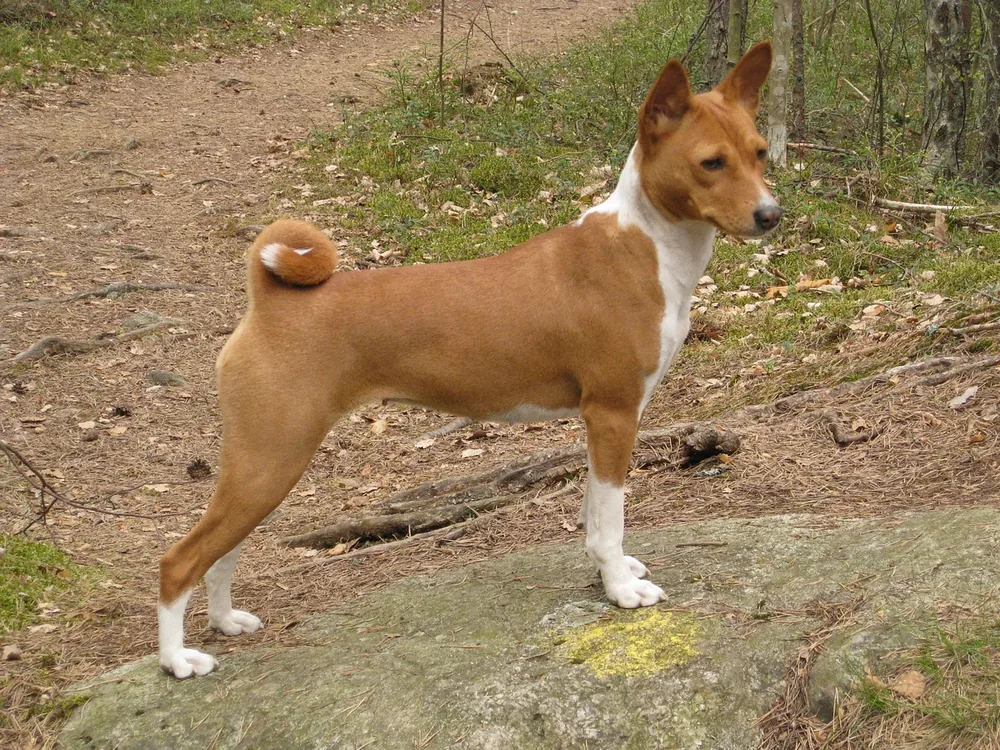
Basenji
Basenji cost planning starts with a small, low-shedding hound whose biggest financial wildcard is a kidney condition unique to the breed. Most owners face modest routine bills, but $2,000 in reserve matters more here than for the average small dog. Over a lifetime, food, insurance, and periodic kidney screening make up the bulk of the $25,657 outlook.
Acquisition, surgical desexing, initial vet series, and starter hardware.
Normalized baseline at ~$151/month routine cash burn.
Projected over a 13-year Basenji lifespan.
$2,000 Liquid Reserve Mandate
Critical bufferA breed-average tier reflects one recurring, breed-specific metabolic condition (Fanconi syndrome) offset by an otherwise hardy, low-grooming small dog with no brachycephalic or major cardiac risk.
Source: MetLife True Cost of Pet Emergencies 2025 (15% of owners hit $3,000+; uninsured surgery $3,000–8,000)
Biometric & phenotypic actuarial spec
Annual Cash Burn Matrix ($1,814/yr)
Continuous operational expenditure distributed across 5 core maintenance categories, indexed to metabolic demand and regional clinical rates.
Food
Vet Care
Grooming
Pet Insurance
Supplies & Toys
Upfront Entry CapEx
Purchase / Adoption Fee ($900), Initial Vet Visit & Vaccinations ($607), Starter Supplies ($437), Training Classes ($260), First Year Food ($326), First Year Vet Care ($607), First Year Grooming ($78), First Year Insurance ($674).
Comprehensive Lifecycle Ledger
Audited financial breakdown distinguishing immediate first-year fixed capitalization from ongoing annualized operating liabilities over the full 12–14 yrs canine lifespan.
| Expenditure Category | Year 01 Outlay | Annual Steady-State | Lifetime Total | Actuarial Sizing Methodology |
|---|---|---|---|---|
| Purchase / Adoption Fee | $900 | — | $900 | Varies by breeder vs rescue |
| Initial Vet Visit & Vaccinations | $607 | — | $607 | Spay/neuter, microchip, health check |
| Starter Supplies | $437 | — | $437 | Bed, crate, collar, bowls, toys |
| Training Classes | $260 | — | $260 | Basic obedience recommended |
| First Year Food | $326 | — | $326 | — |
| First Year Vet Care | $607 | — | $607 | — |
| First Year Grooming | $78 | — | $78 | — |
| First Year Insurance | $674 | — | $674 | — |
| Food | — | $326 | $4,238 | — |
| Vet Care | — | $607 | $7,891 | — |
| Grooming | — | $78 | $1,014 | — |
| Pet Insurance | — | $674 | $8,762 | — |
| Supplies & Toys | — | $129 | $1,677 | — |
| Gross Actuarial Expenditure | $3,889 | $1,814 / yr | $25,657 | Unadjusted baseline |
Actuarial Health Risk Profile (Tier 3)
A breed-average tier reflects one recurring, breed-specific metabolic condition (Fanconi syndrome) offset by an otherwise hardy, low-grooming small dog with no brachycephalic or major cardiac risk.
Fanconi syndrome
An inherited kidney disorder that causes the kidneys to lose glucose and nutrients into the urine, usually starting in middle age and requiring lifelong monitoring and management.
Progressive retinal atrophy
A gradual degeneration of the retina that leads to night blindness and eventually full vision loss, detectable through eye screening before symptoms appear.
Hypothyroidism
Reduced thyroid hormone production that slows metabolism, causing weight gain, lethargy, and coat changes; managed with daily medication once diagnosed.
Hip Dysplasia
Abnormal hip joint development that can cause arthritis and lameness over time, screened for with hip radiographs before breeding.
What Truly Drives the Basenji’s Financial Profile
About the Basenji and its cost
The Basenji is a small, short-coated hound from Central Africa, known for its near-silent vocalization and cat-like grooming habits. Because the coat sheds little and needs almost no trimming, day-to-day upkeep is cheaper than for longer-coated breeds of similar size. Where basenji cost adds up is in preventive care: routine bloodwork to catch kidney issues early, dental cleanings, and a diet suited to an active, lean-bodied dog. Purchase price varies widely by breeder reputation and health testing depth, and that upfront choice often predicts how much you spend on vet visits later. A well-bred, health-tested puppy costs more at the door but tends to cost less over a lifetime.
What drives Basenji costs
Two factors drive long-run spending for this breed: its predisposition to Fanconi syndrome and its small size. Fanconi syndrome requires periodic urine and blood screening even in dogs that show no symptoms, and management once diagnosed adds a recurring prescription and monitoring cost. The breed's small frame keeps food and medication dosing modest compared with large dogs, which helps offset the kidney-related expense. Insurance premiums for Basenjis often reflect this known condition, so shopping plans that cover hereditary issues is worth the extra $674 line. Energy level also plays a role, since an under-exercised Basenji can develop destructive habits that lead to vet or property-repair bills.
Basenji first-year budget
The first year combines a one-time $2,204 covering $900, $607, $437, and $260, plus recurring costs like $326, $607, $78, and $674 spread across the year. Together these add up to a $1,685 recurring layer on top of setup costs, bringing the full $3,889 first-year figure. Initial vet visits should include baseline bloodwork so any early kidney or thyroid irregularities are caught before they become expensive. Training investment pays off early with this independent-minded breed, since a well-socialized Basenji is less likely to generate destructive-behavior vet bills later.
Basenji yearly cost after year one
Once past the first year, ongoing Basenji costs settle into a steady $1,814 pattern built from $326, $607, $78, $674, and $129. Grooming stays low thanks to the short coat, but vet and insurance lines carry more weight given the breed's kidney predisposition. Framed monthly, owners can expect a consistent $151 outlay, with occasional spikes in years when kidney or eye screening bloodwork is due. Budgeting for that periodic testing as part of the annual $607 line avoids surprise costs.
Emergency fund for a Basenji
A Basenji-specific emergency fund should weigh the breed's Fanconi syndrome risk more heavily than its overall breed-average tier suggests, since kidney complications can escalate quickly once symptoms appear. A $2,000 reserve gives room for urgent bloodwork, hospitalization, or specialist referral without derailing other spending. Viewed against the $25,657 total cost of ownership, this reserve is a small hedge against the one condition most likely to produce a large, unplanned bill in this otherwise sturdy breed.
Cutting Basenji costs
The clearest lever for lowering lifetime Basenji spending is prevention: health screening at purchase and consistent monitoring keep the kidney and eye conditions this breed carries from turning into emergency-level bills. Insurance chosen early, before any diagnosis, keeps the $1,814 predictable rather than reactive. Because grooming and food needs are modest for this small, short-coated breed, most of the controllable savings sit in preventive vet care and insurance timing rather than in daily upkeep. Owners who front-load these choices typically see the $25,657 figure land toward the lower end of the range, and a steadier $151 budget throughout.
5 Prudent Ways to Cut Basenji Costs
Screen for Fanconi syndrome before you commit
Ask breeders for parent DNA test results and urine screening history. Catching a predisposed line early avoids years of unplanned monitoring and treatment costs down the road.
Enroll in insurance while young
Lock in a policy before any kidney or eye symptoms appear, since pre-existing conditions are excluded once diagnosed. Early enrollment keeps $674 predictable rather than reactive.
Keep dental care on schedule
Small breeds are prone to dental buildup, and neglected teeth turn into expensive extractions. Budgeting for routine cleanings inside your $607 line prevents a much larger bill later.
Buy from a health-tested breeder
A higher $900 for parents with clear eye and kidney screening results is usually cheaper over the dog's life than a bargain puppy with unknown risk. Ask to see certificates, not just claims.
Match exercise to the breed's energy
A bored, under-exercised Basenji is more likely to injure itself jumping fences or chewing objects. Daily structured activity reduces avoidable emergency vet trips.
Peer Class Financial Comparisons
How the Basenji compares to morphological peers on annualized ownership cost.
Basenji
Frequently Asked Financial Questions
How much does a Basenji puppy cost?
How much does a Basenji cost per year?
What is the lifetime cost of owning a Basenji?
Are Basenjis expensive to insure?
How much do Basenji vet bills typically cost?
Is a Basenji a cheap dog to own?
What is the average cost of Basenji food per month?
Data sources
- Basenji Breed Health Information — American Kennel Club (akc.org)
- Section 3: Average Pet Insurance Premiums — NAPHIA (naphia.org)
- Basenji — Wikipedia (en.wikipedia.org)
Calculate Your Basenji Cost Adjusted by Metro ZIP Code
Veterinary surgical tariffs and clinical room rates vary widely between metropolitan regions and rural counties. Recalculate this dossier with your exact state, city, and lifestyle parameters.