
Bichon Frise Cost & Ownership Dossier
Bichon frise cost is shaped less by major disease risk than by the recurring investment this hypoallergenic coat demands. First-year spending typically runs around $4,436, with steady ownership settling near $2,361 a year, or about $197 a month. Across a full lifespan the total approaches $35,129.
Executive cost summary
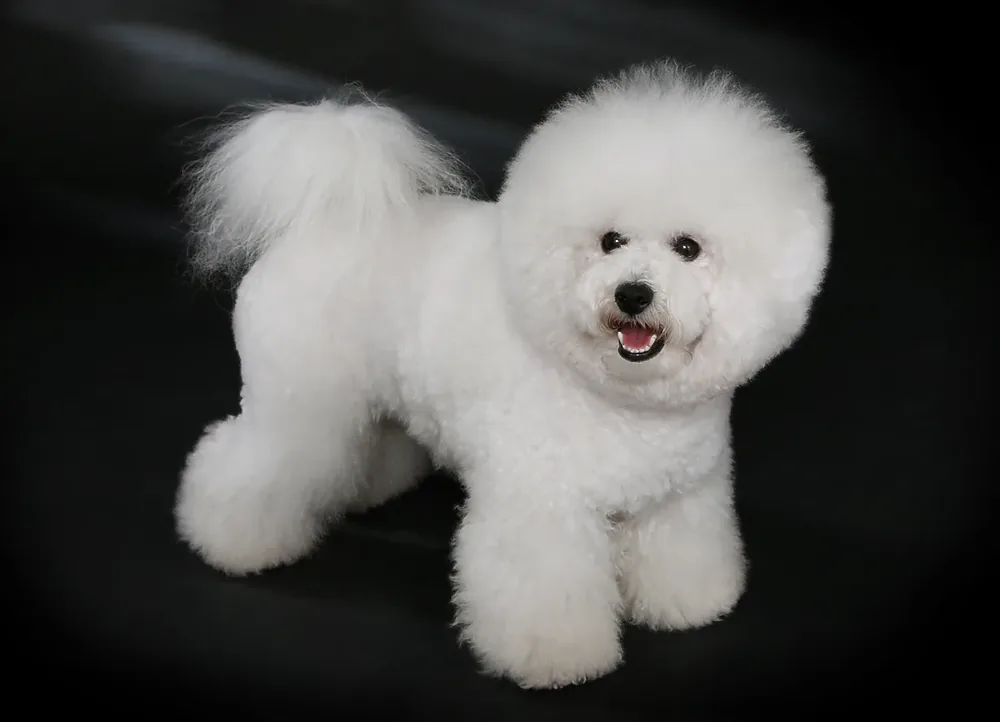
Bichon Frise
Bichon frise cost is shaped less by major disease risk than by the recurring investment this hypoallergenic coat demands. First-year spending typically runs around $4,436, with steady ownership settling near $2,361 a year, or about $197 a month. Across a full lifespan the total approaches $35,129.
Acquisition, surgical desexing, initial vet series, and starter hardware.
Normalized baseline at ~$197/month routine cash burn.
Projected over a 14-year Bichon Frise lifespan.
$2,000 Liquid Reserve Mandate
Critical bufferBreed-average risk from common small-dog joint and dental issues, plus an inherited cataract tendency, without any single high-cost surgical predisposition.
Source: MetLife True Cost of Pet Emergencies 2025 (15% of owners hit $3,000+; uninsured surgery $3,000–8,000)
Biometric & phenotypic actuarial spec
Annual Cash Burn Matrix ($2,361/yr)
Continuous operational expenditure distributed across 5 core maintenance categories, indexed to metabolic demand and regional clinical rates.
Food
Vet Care
Grooming
Pet Insurance
Supplies & Toys
Upfront Entry CapEx
Purchase / Adoption Fee ($900), Initial Vet Visit & Vaccinations ($607), Starter Supplies ($437), Training Classes ($260), First Year Food ($210), First Year Vet Care ($607), First Year Grooming ($741), First Year Insurance ($674).
Comprehensive Lifecycle Ledger
Audited financial breakdown distinguishing immediate first-year fixed capitalization from ongoing annualized operating liabilities over the full 12–15 yrs canine lifespan.
| Expenditure Category | Year 01 Outlay | Annual Steady-State | Lifetime Total | Actuarial Sizing Methodology |
|---|---|---|---|---|
| Purchase / Adoption Fee | $900 | — | $900 | Varies by breeder vs rescue |
| Initial Vet Visit & Vaccinations | $607 | — | $607 | Spay/neuter, microchip, health check |
| Starter Supplies | $437 | — | $437 | Bed, crate, collar, bowls, toys |
| Training Classes | $260 | — | $260 | Basic obedience recommended |
| First Year Food | $210 | — | $210 | — |
| First Year Vet Care | $607 | — | $607 | — |
| First Year Grooming | $741 | — | $741 | — |
| First Year Insurance | $674 | — | $674 | — |
| Food | — | $210 | $2,940 | — |
| Vet Care | — | $607 | $8,498 | — |
| Grooming | — | $741 | $10,374 | — |
| Pet Insurance | — | $674 | $9,436 | — |
| Supplies & Toys | — | $129 | $1,806 | — |
| Gross Actuarial Expenditure | $4,436 | $2,361 / yr | $35,129 | Unadjusted baseline |
Actuarial Health Risk Profile (Tier 3)
Breed-average risk from common small-dog joint and dental issues, plus an inherited cataract tendency, without any single high-cost surgical predisposition.
Patellar Luxation
A kneecap that slips out of place, common in small breeds, ranging from minor to requiring corrective surgery.
Cataracts
A common inherited eye condition in the breed that can progress to vision loss and may require surgical removal.
Dental disease
Small jaws and crowded teeth make the breed prone to periodontal disease, often needing regular professional cleanings.
What Truly Drives the Bichon Frise’s Financial Profile
About the Bichon Frise and its cost
Bichon frise cost starts with a cheerful, curly-coated companion breed developed in the Mediterranean and long favored as a hypoallergenic family dog. Its small size keeps most per-item costs low, but the dense, curly coat requires regular professional grooming to prevent matting and skin irritation. A puppy from a health-testing breeder runs at $900, while rescue adoption offers a lower-cost path given the breed's popularity in shelters and breed-specific rescues. Add $607 for the first veterinary series and $437 for basic gear. First-year spending lands near $4,436, with grooming setup a notable early line item.
What drives Bichon Frise costs
Grooming is the single largest recurring driver of bichon frise cost: the curly, non-shedding coat needs a professional trim roughly every four to six weeks to avoid matting, making $741 one of the highest lines in the annual budget despite the breed's small size. Health costs run moderate; patellar luxation and cataracts are the two conditions most likely to need veterinary or surgical attention, while dental disease requires ongoing preventive cleanings common to small breeds. Because the breed is popular and demand is steady, $900 holds fairly stable across regions. Budget $607 and $741 as the two costs that define this breed's ongoing spend.
Bichon Frise first-year budget
Acquisition runs $900, followed by $607 for the initial exam, vaccine series, and spay or neuter. Add $437 for basic gear and $260 for house and socialization training. One-time costs together total $2,204. Recurring first-year expenses, covering $210, $607 visits, $741, and $674, add $2,232, with grooming starting once the puppy coat is established. Combined, the full first year runs near $4,436.
Bichon Frise yearly cost after year one
Steady-state ownership centers on $741 for the recurring professional trims this curly coat requires every few weeks, alongside $210 for a small-breed diet, $607 for routine wellness visits, and $674 for accident-and-illness coverage. Add $129 for toys and dental-care items given the breed's dental disease tendency and small, crowded jaw. Altogether, annual costs land near $2,361, or roughly $197 spread monthly, with grooming representing an unusually large share of the total for such a small breed.
Emergency fund for a Bichon Frise
Because patellar luxation and cataracts are the two conditions most likely to require surgery, a dedicated $2,000 reserve should prioritize orthopedic and ophthalmic procedures over any other line item. Advanced dental disease needing extractions under anesthesia is a second, more predictable draw on the fund, so budget for it alongside the surgical risks. Keeping the reserve liquid rather than folded into general household savings protects the $35,129 already budgeted for this generally long-lived, cheerful breed.
Cutting Bichon Frise costs
The clearest savings lever is home coat maintenance between professional visits, since consistent brushing stretches the interval and avoids costly dematting sessions. Home dental care delays the need for professional cleanings under anesthesia. Buying from a knee- and eye-tested breeder reduces the odds of the surgical costs that would push $35,129 higher. None of these steps eliminate the $2,361 floor set by grooming, but they meaningfully reduce the chance of exceeding $197 in a typical month.
5 Prudent Ways to Cut Bichon Frise Costs
Learn basic coat maintenance at home
Daily brushing between professional visits prevents the mats that turn a routine trim into an expensive dematting session. A slicker brush and a few minutes a day meaningfully stretch the interval between grooming appointments. This is the single most effective way to lower recurring bichon frise grooming cost.
Buy from a knee- and eye-tested breeder
Ask for a patella evaluation and an eye certification (CAER) on both parents before committing to a puppy. Lines free of known cataracts in recent generations reduce the odds of a costly eye surgery later. This screening costs the breeder little and saves you considerably more.
Brush teeth several times a week
Small jaws and crowded teeth make the Bichon prone to periodontal disease, and home brushing meaningfully delays the need for professional cleanings under anesthesia. Dental chews and water additives are a helpful supplement, not a replacement. Prevention here is far cheaper than a dental procedure.
Insure before any knee or eye symptom
Enroll your Bichon in accident-and-illness coverage while young, since patellar luxation and cataracts diagnosed later cannot be covered retroactively. A plan with a meaningful surgical benefit matters given both conditions can require operation. Review the deductible yearly rather than switching providers.
Compare local groomers on price and skill
Grooming quality and price vary widely by salon, and a skilled groomer who works efficiently with curly coats can save money over repeat visits to fix a bad trim. Ask other Bichon owners for referrals rather than choosing the nearest option. A consistent, skilled groomer also catches early skin or dental issues during routine visits.
Peer Class Financial Comparisons
How the Bichon Frise compares to morphological peers on annualized ownership cost.
Bichon Frise
Frequently Asked Financial Questions
How much does a Bichon Frise cost?
How much is a Bichon Frise puppy from a breeder?
How much does it cost to adopt a Bichon Frise?
What is the monthly cost of owning a Bichon Frise?
Why do Bichon Frise grooming costs add up?
How much does a Bichon Frise cost per year?
Is a Bichon Frise expensive?
Data sources
- Bichon Frise — American Kennel Club (akc.org)
- Pet Health Insurance — NAPHIA (naphia.org)
- Bichon Frise — Wikipedia (en.wikipedia.org)
Calculate Your Bichon Frise Cost Adjusted by Metro ZIP Code
Veterinary surgical tariffs and clinical room rates vary widely between metropolitan regions and rural counties. Recalculate this dossier with your exact state, city, and lifestyle parameters.