
Burmese Cost & Ownership Dossier
Burmese cost is defined less by the compact, muscular body and glossy short coat, which are cheap to maintain, and more by the breed's above-average diabetes rate, which can turn into a lifelong insulin expense. Most owners spend near $2,352 in the first year covering the kitten fee, vaccines, and setup gear. After that, budget around $1,042 a year, about $87 a month, higher if diabetes management becomes necessary.
Executive cost summary
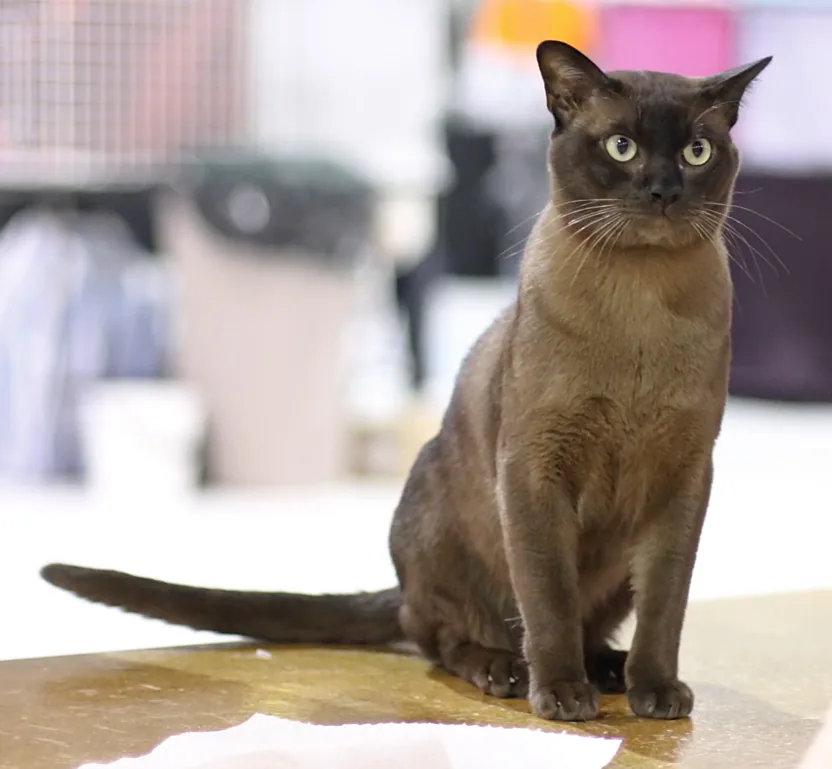
Burmese
Burmese cost is defined less by the compact, muscular body and glossy short coat, which are cheap to maintain, and more by the breed's above-average diabetes rate, which can turn into a lifelong insulin expense. Most owners spend near $2,352 in the first year covering the kitten fee, vaccines, and setup gear. After that, budget around $1,042 a year, about $87 a month, higher if diabetes management becomes necessary.
Acquisition, surgical desexing, initial vet series, and starter hardware.
Normalized baseline at ~$87/month routine cash burn.
Projected over a 13-year Burmese lifespan.
$2,000 Liquid Reserve Mandate
Critical bufferA well-documented, above-average diabetes rate combined with a breed-specific muscle disorder creates a recurring, lifelong management cost beyond breed-average.
Source: MetLife True Cost of Pet Emergencies 2025 (15% of owners hit $3,000+; uninsured surgery $3,000–8,000)
Biometric & phenotypic actuarial spec
Annual Cash Burn Matrix ($1,042/yr)
Continuous operational expenditure distributed across 5 core maintenance categories, indexed to metabolic demand and regional clinical rates.
Food
Vet Care
Grooming
Pet Insurance
Supplies & Toys
Upfront Entry CapEx
Purchase / Adoption Fee ($800), Initial Vet Visit & Vaccinations ($300), Starter Supplies ($260), Litter & Behavior Basics ($40), First Year Food ($240), First Year Vet Care ($286), First Year Grooming ($24), First Year Insurance ($402).
Comprehensive Lifecycle Ledger
Audited financial breakdown distinguishing immediate first-year fixed capitalization from ongoing annualized operating liabilities over the full 10–16 yrs feline lifespan.
| Expenditure Category | Year 01 Outlay | Annual Steady-State | Lifetime Total | Actuarial Sizing Methodology |
|---|---|---|---|---|
| Purchase / Adoption Fee | $800 | — | $800 | Varies by breeder vs rescue |
| Initial Vet Visit & Vaccinations | $300 | — | $300 | Spay/neuter, microchip, health check |
| Starter Supplies | $260 | — | $260 | Litter box, scratching post, carrier, bowls |
| Litter & Behavior Basics | $40 | — | $40 | Litter box training, scratching post basics |
| First Year Food | $240 | — | $240 | — |
| First Year Vet Care | $286 | — | $286 | — |
| First Year Grooming | $24 | — | $24 | — |
| First Year Insurance | $402 | — | $402 | — |
| Food | — | $240 | $3,120 | — |
| Vet Care | — | $286 | $3,718 | — |
| Grooming | — | $24 | $312 | — |
| Pet Insurance | — | $402 | $5,226 | — |
| Supplies & Toys | — | $90 | $1,170 | — |
| Gross Actuarial Expenditure | $2,352 | $1,042 / yr | $14,856 | Unadjusted baseline |
Actuarial Health Risk Profile (Tier 4)
A well-documented, above-average diabetes rate combined with a breed-specific muscle disorder creates a recurring, lifelong management cost beyond breed-average.
Diabetes mellitus
Burmese cats show a well-documented, above-average rate of diabetes, often requiring lifelong insulin and regular blood glucose monitoring once diagnosed.
Hypokalemic Polymyopathy
A hereditary low-potassium muscle weakness seen almost exclusively in the Burmese, causing episodes of weakness that need bloodwork and supplementation to manage.
Orofacial Pain Syndrome
A breed-associated condition causing episodes of exaggerated licking, chewing, or mouth pawing, sometimes needing dental workup and long-term pain management.
Craniofacial Defect Carrier Risk
A recessive gene tied to the Burmese head shape can, in homozygous kittens, cause severe skull malformation, which is why reputable breeders screen breeding pairs.
What Truly Drives the Burmese’s Financial Profile
About the Burmese and its cost
Burmese cost starts moderate: the breed's dense, glossy, short coat needs almost no grooming, and its compact, muscular 'brick wrapped in silk' body eats a normal amount for a medium cat. Purchase prices sit mid-range among purebreds, reflecting steady but not extreme demand. Where the Burmese diverges from a typical shorthair is in its documented predisposition to diabetes mellitus, a condition well studied in this specific breed and one that materially changes lifetime cost if it develops. The breed's playful, dog-like devotion to people also means it does poorly left alone for long stretches, adding boarding or sitter costs.
What drives Burmese costs
Diabetes is the standout cost driver: Burmese cats develop it at rates well above the general feline population, and once diagnosed it typically means lifelong insulin, glucose curves, and prescription diet, none of which are cheap. A rarer hereditary muscle weakness, hypokalemic polymyopathy, and an oral-pain condition specific to the breed can each add diagnostic and management costs. Responsible breeders also screen for a recessive craniofacial gene, since carrier-to-carrier pairings risk severely affected kittens. None of these conditions affect grooming or exercise costs, which stay low for this active, low-maintenance-coated breed.
Burmese first-year budget
The first year begins with $800 to the breeder, plus $300 for vaccines, deworming, and spay or neuter. Starter supplies add $260, and $40 stays minimal for this food-motivated, easily engaged breed. One-time setup lands near $1,400. Add the first year of $240, $286 visits, negligible $24, and $402 for a recurring $952, bringing the full year to $2,352. Setting aside a modest cushion beyond these line items covers ordinary first-year surprises, from an unplanned dental check to a minor scrape picked up during normal kitten exploration.
Burmese yearly cost after year one
Ongoing spending centers on $240, an annual exam plus glucose screening under $286 given the breed's diabetes history, near-zero $24, $402, and $90 for the active enrichment this playful breed needs. Together these run about $1,042 a year, or $87 a month, before accounting for any chronic condition. Routine wellness exams, parasite prevention, and litter or supply restocking make up the bulk of this steady-state figure, and owners who keep $402 active convert one unpredictable expense into a fixed monthly line instead.
Emergency fund for a Burmese
Because diabetes is a well-documented risk in this breed and hypokalemic polymyopathy can cause acute weakness episodes, an $2,000 reserve should be sized for lifelong chronic-condition management rather than a single incident. Factored across a full lifespan, this risk profile supports a $14,856 for total ownership. Diabetic management in particular means ongoing supply costs that a one-time emergency fund alone won't fully cover.
Cutting Burmese costs
Weight control is the highest-leverage saving available, since it directly reduces the odds of the breed's costliest known risk, diabetes. Enrolling in insurance while the cat is young protects against both diabetes and the rarer muscle disorder becoming pre-existing exclusions, which matters more here than for most breeds. Because grooming is already near zero, there's little left to trim there; the bigger win is catching orofacial pain or muscle weakness symptoms early, before they progress into the more expensive specialist workups.
5 Prudent Ways to Cut Burmese Costs
Keep the cat lean from kittenhood
Since obesity is the biggest modifiable risk factor for diabetes in this breed, weight control through measured feeding is the single most effective way to avoid the largest potential cost in Burmese ownership.
Ask about craniofacial gene testing
A responsible breeder can confirm neither parent carries two copies of the gene linked to skull malformation. This costs nothing extra at purchase but avoids an emotionally and financially devastating outcome.
Watch for orofacial pain signs early
Excessive pawing at the mouth or chewing on objects can signal orofacial pain syndrome. Catching it early keeps the diagnostic workup and pain management simpler and cheaper than a delayed diagnosis.
Insure before any blood glucose flag appears
Enroll in $402 while the cat is young and healthy, since diabetes becomes a pre-existing exclusion the moment it's diagnosed, and diabetic care is one of the more expensive chronic conditions to self-fund.
Skip grooming services entirely
The Burmese's short, low-shedding coat needs no more than an occasional hand-pet to remove loose hair. Redirect the grooming budget most breeds need toward a wellness fund instead.
Peer Class Financial Comparisons
How the Burmese compares to morphological peers on annualized ownership cost.
Burmese
Frequently Asked Financial Questions
How much does a Burmese cat cost?
Why are Burmese cats so expensive?
How much does it cost to own a Burmese?
What is the average price of a Burmese kitten?
Are Burmese cats expensive to maintain?
How much does Burmese pet insurance cost?
Are Burmese cats prone to diabetes?
How much does it cost to feed a Burmese?
Data sources
- Diabetes in Cats — Cornell Feline Health Center (vet.cornell.edu)
- Burmese Cat — Wikipedia (en.wikipedia.org)
- Pet Care Resources — American Veterinary Medical Association (avma.org)
Calculate Your Burmese Cost Adjusted by Metro ZIP Code
Veterinary surgical tariffs and clinical room rates vary widely between metropolitan regions and rural counties. Recalculate this dossier with your exact state, city, and lifestyle parameters.