
Cesky Terrier Cost & Ownership Dossier
Cesky Terrier cost stays modest compared with many purebreds thanks to this rare, hardy small breed's generally sound constitution. First-year spending totals $4,134, covering purchase, vaccines, and starter gear for a small dog. Annual upkeep afterward runs near $2,059, with grooming for the wire coat a bigger factor than for most terriers of similar size.
Executive cost summary
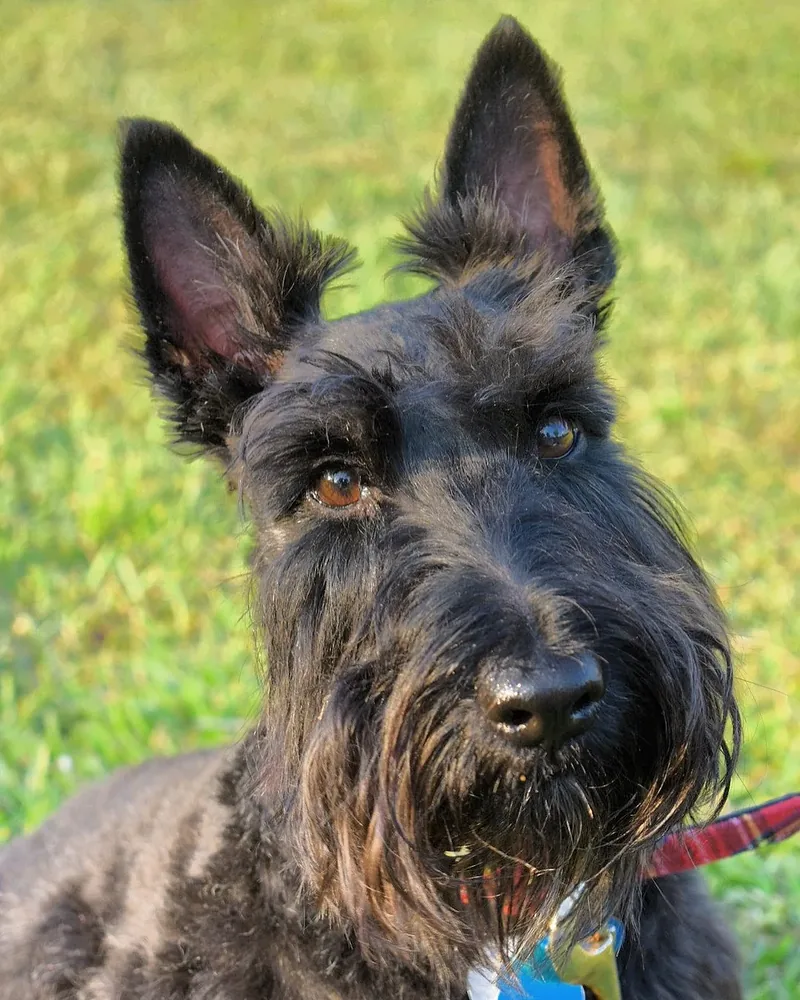
Cesky Terrier
Cesky Terrier cost stays modest compared with many purebreds thanks to this rare, hardy small breed's generally sound constitution. First-year spending totals $4,134, covering purchase, vaccines, and starter gear for a small dog. Annual upkeep afterward runs near $2,059, with grooming for the wire coat a bigger factor than for most terriers of similar size.
Acquisition, surgical desexing, initial vet series, and starter hardware.
Normalized baseline at ~$172/month routine cash burn.
Projected over a 13-year Cesky Terrier lifespan.
$2,000 Liquid Reserve Mandate
Critical bufferA generally hardy, low-shedding small breed with only sporadic, well-documented hereditary conditions rather than a defining costly syndrome.
Source: MetLife True Cost of Pet Emergencies 2025 (15% of owners hit $3,000+; uninsured surgery $3,000–8,000)
Biometric & phenotypic actuarial spec
Annual Cash Burn Matrix ($2,059/yr)
Continuous operational expenditure distributed across 5 core maintenance categories, indexed to metabolic demand and regional clinical rates.
Food
Vet Care
Grooming
Pet Insurance
Supplies & Toys
Upfront Entry CapEx
Purchase / Adoption Fee ($900), Initial Vet Visit & Vaccinations ($607), Starter Supplies ($437), Training Classes ($260), First Year Food ($226), First Year Vet Care ($577), First Year Grooming ($507), First Year Insurance ($620).
Comprehensive Lifecycle Ledger
Audited financial breakdown distinguishing immediate first-year fixed capitalization from ongoing annualized operating liabilities over the full 12–15 yrs canine lifespan.
| Expenditure Category | Year 01 Outlay | Annual Steady-State | Lifetime Total | Actuarial Sizing Methodology |
|---|---|---|---|---|
| Purchase / Adoption Fee | $900 | — | $900 | Varies by breeder vs rescue |
| Initial Vet Visit & Vaccinations | $607 | — | $607 | Spay/neuter, microchip, health check |
| Starter Supplies | $437 | — | $437 | Bed, crate, collar, bowls, toys |
| Training Classes | $260 | — | $260 | Basic obedience recommended |
| First Year Food | $226 | — | $226 | — |
| First Year Vet Care | $577 | — | $577 | — |
| First Year Grooming | $507 | — | $507 | — |
| First Year Insurance | $620 | — | $620 | — |
| Food | — | $226 | $2,938 | — |
| Vet Care | — | $577 | $7,501 | — |
| Grooming | — | $507 | $6,591 | — |
| Pet Insurance | — | $620 | $8,060 | — |
| Supplies & Toys | — | $129 | $1,677 | — |
| Gross Actuarial Expenditure | $4,134 | $2,059 / yr | $28,842 | Unadjusted baseline |
Actuarial Health Risk Profile (Tier 2)
A generally hardy, low-shedding small breed with only sporadic, well-documented hereditary conditions rather than a defining costly syndrome.
Scottie cramp
A rare inherited neuromuscular condition causing temporary muscle spasms during exercise, occasionally seen in this breed's gene pool.
Patellar Luxation
A common small-breed knee condition where the kneecap slips out of place, sometimes requiring corrective surgery.
Eye disorders
Some lines carry a predisposition to inherited eye conditions that can require periodic ophthalmology screening.
What Truly Drives the Cesky Terrier’s Financial Profile
About the Cesky Terrier and its cost
The Cesky Terrier is a rare Czech breed developed for hunting vermin in dense terrain, and it stands out among terriers for a calmer temperament and a low-shedding wire coat that many owners find easier to live with. Its small size keeps food and basic supply costs modest, and its generally sound health record means routine veterinary spending tends to track close to a typical small-breed baseline rather than climbing due to a defining hereditary condition. The main recurring cost that sets it apart is coat care: the soft, wavy wire coat needs regular brushing and periodic professional clipping to prevent matting and maintain the low-shedding quality that makes the breed appealing to allergy-sensitive households. Because it is uncommon outside its native region, acquisition costs and wait times can vary more than for popular terrier breeds.
What drives Cesky Terrier costs
Grooming is the single largest recurring cost driver for this breed, since its wire coat requires more frequent professional attention than a short-coated terrier to stay tidy and avoid painful matting. Health-wise, the breed is comparatively hardy, with only sporadic reports of inherited neuromuscular or eye conditions rather than a single defining costly syndrome, which keeps its overall risk tier below average for a purebred dog. Patellar luxation, a fairly common small-breed knee issue, remains the most likely orthopedic expense an owner might face. Because the breed is rare, owners sourcing a puppy from a reputable line may pay more upfront than for a common terrier, though this does not affect the recurring cost tokens that shape annual budgeting.
Cesky Terrier first-year budget
First-year cost totals $4,134, combining one-time setup with the first twelve months of recurring care. The one-time side, $2,204, covers $900 for a puppy from a screened line, $607 for vaccines and an early exam, $437 sized for a small dog, and $260 for basic obedience and socialization. Recurring first-year costs, $1,930, include $226 portioned for a small breed, $577 for wellness visits, $507 started early to establish a coat-care routine, and $620 enrolled while the dog is young and healthy.
Cesky Terrier yearly cost after year one
After year one, ongoing cost settles to $2,059, or roughly $172 a month. $507 tends to be the standout line for this breed, recurring more often than for a short-coated terrier to manage the wire coat. $226 stays modest given the small size, and $577 covers annual wellness exams with occasional attention to knee health. $620 and $129 round out the budget at typical small-breed levels.
Emergency fund for a Cesky Terrier
A reserve of $2,000 covers the most likely unplanned expense for this breed: patellar luxation surgery if the knee condition progresses. Sporadic neuromuscular or eye issues in some lines could also require specialist evaluation. Because the breed is generally hardy, this fund is less likely to be tapped than for higher-risk breeds, but across a twelve-to-fifteen-year lifespan it still meaningfully shapes the $28,842 figure for the minority of dogs affected.
Cutting Cesky Terrier costs
The clearest saving comes from managing the coat consistently at home, which stretches out paid grooming appointments and keeps that recurring line under control. Choosing a puppy from parents screened for patellar and eye conditions reduces the odds of the orthopedic or ophthalmology costs that make up much of this breed's variable risk within the $28,842 figure. Enrolling insurance early keeps $172 premiums lower for the long run. None of this changes the $2,059 baseline, but it keeps outcomes closer to the low end of that range.
5 Prudent Ways to Cut Cesky Terrier Costs
Brush between grooming visits
Regular at-home brushing of the wire coat reduces matting and extends the interval between paid professional grooming sessions, keeping the $507 line more manageable.
Ask breeders about patella and eye screening
Choosing a puppy from parents screened for patellar luxation and inherited eye conditions lowers the odds of orthopedic or ophthalmology costs later in life.
Keep exercise consistent but moderate
This breed does well with regular, moderate activity; consistent exercise supports joint health and reduces the likelihood of weight-related strain on the knees.
Enroll insurance early
Even with a generally sound health record, enrolling young locks in lower premiums and avoids exclusions if a knee or eye issue is later diagnosed.
Learn basic coat trimming
Some owners learn simple maintenance trims for between professional visits, which can meaningfully reduce the number of paid grooming appointments each year.
Peer Class Financial Comparisons
How the Cesky Terrier compares to morphological peers on annualized ownership cost.
Cesky Terrier
Frequently Asked Financial Questions
How much does a cesky terrier cost per month?
Is a cesky terrier expensive to own?
What are the yearly costs of owning a cesky terrier?
How much are cesky terrier vet bills?
Do cesky terriers need pet insurance?
How much does a cesky terrier puppy cost?
What is the lifetime cost of owning a cesky terrier?
Is a cesky terrier hypoallergenic?
Data sources
- Cesky Terrier Breed Standard — AKC (akc.org)
- Cesky Terrier — Wikipedia (en.wikipedia.org)
- Patellar Luxation in Dogs — ACVS (acvs.org)
Calculate Your Cesky Terrier Cost Adjusted by Metro ZIP Code
Veterinary surgical tariffs and clinical room rates vary widely between metropolitan regions and rural counties. Recalculate this dossier with your exact state, city, and lifestyle parameters.