
Chinook Cost & Ownership Dossier
Chinook cost runs highest in year one, when $1,100 and starter setup stack on top of routine puppy care. After that, most owners settle into a steady $218 rhythm for food, grooming, and preventive vet visits. Because this rare breed carries some inherited health risk, insurance and an emergency reserve matter more than usual.
Executive cost summary
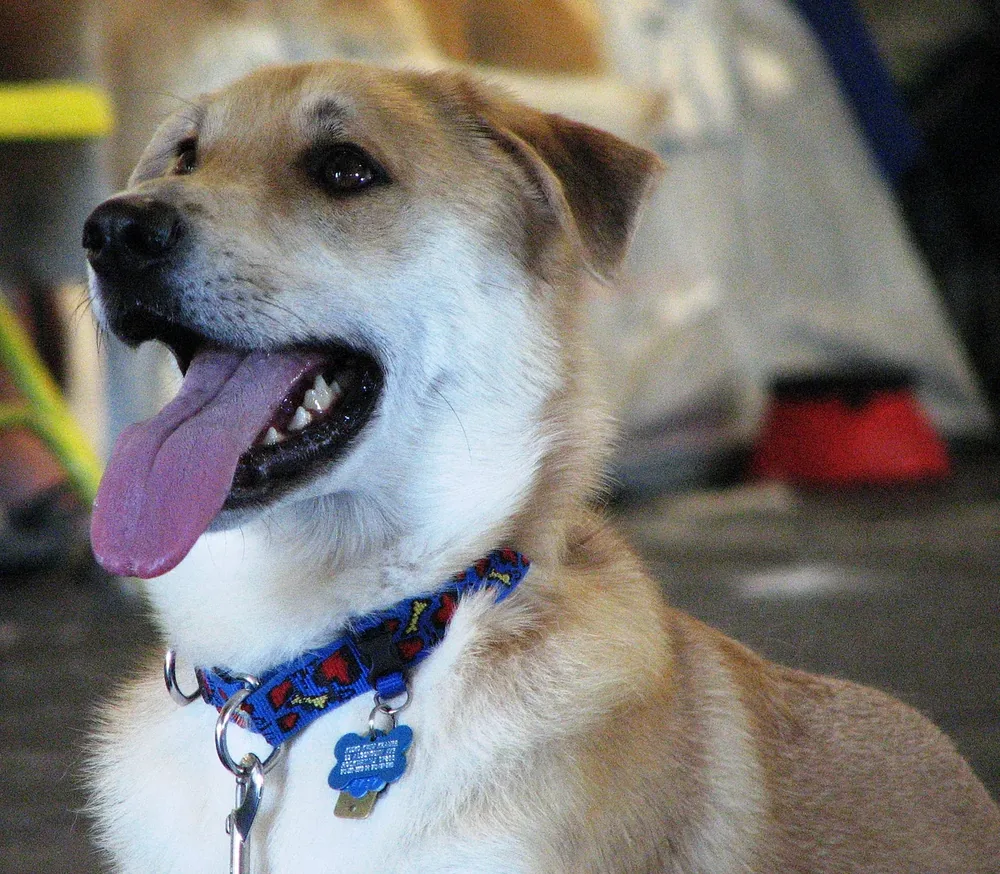
Chinook
Chinook cost runs highest in year one, when $1,100 and starter setup stack on top of routine puppy care. After that, most owners settle into a steady $218 rhythm for food, grooming, and preventive vet visits. Because this rare breed carries some inherited health risk, insurance and an emergency reserve matter more than usual.
Acquisition, surgical desexing, initial vet series, and starter hardware.
Normalized baseline at ~$218/month routine cash burn.
Projected over a 13-year Chinook lifespan.
$4,000 Liquid Reserve Mandate
Critical bufferA generally sound breed, but a narrow gene pool raises the odds of seizure disorders and hip dysplasia that add recurring vet cost.
Source: MetLife True Cost of Pet Emergencies 2025 (15% of owners hit $3,000+; uninsured surgery $3,000–8,000)
Biometric & phenotypic actuarial spec
Annual Cash Burn Matrix ($2,617/yr)
Continuous operational expenditure distributed across 5 core maintenance categories, indexed to metabolic demand and regional clinical rates.
Food
Vet Care
Grooming
Pet Insurance
Supplies & Toys
Upfront Entry CapEx
Purchase / Adoption Fee ($1,100), Initial Vet Visit & Vaccinations ($700), Starter Supplies ($546), Training Classes ($260), First Year Food ($752), First Year Vet Care ($700), First Year Grooming ($195), First Year Insurance ($809).
Comprehensive Lifecycle Ledger
Audited financial breakdown distinguishing immediate first-year fixed capitalization from ongoing annualized operating liabilities over the full 12–15 yrs canine lifespan.
| Expenditure Category | Year 01 Outlay | Annual Steady-State | Lifetime Total | Actuarial Sizing Methodology |
|---|---|---|---|---|
| Purchase / Adoption Fee | $1,100 | — | $1,100 | Varies by breeder vs rescue |
| Initial Vet Visit & Vaccinations | $700 | — | $700 | Spay/neuter, microchip, health check |
| Starter Supplies | $546 | — | $546 | Bed, crate, collar, bowls, toys |
| Training Classes | $260 | — | $260 | Basic obedience recommended |
| First Year Food | $752 | — | $752 | — |
| First Year Vet Care | $700 | — | $700 | — |
| First Year Grooming | $195 | — | $195 | — |
| First Year Insurance | $809 | — | $809 | — |
| Food | — | $752 | $9,776 | — |
| Vet Care | — | $700 | $9,100 | — |
| Grooming | — | $195 | $2,535 | — |
| Pet Insurance | — | $809 | $10,517 | — |
| Supplies & Toys | — | $161 | $2,093 | — |
| Gross Actuarial Expenditure | $5,062 | $2,617 / yr | $36,466 | Unadjusted baseline |
Actuarial Health Risk Profile (Tier 3)
A generally sound breed, but a narrow gene pool raises the odds of seizure disorders and hip dysplasia that add recurring vet cost.
Hip Dysplasia
A working sled breed of this size can develop loose or malformed hip joints that lead to arthritis and reduced mobility over time.
Seizure disorders
The breed's small founding gene pool has left a higher-than-average rate of epilepsy, which requires lifelong medication and monitoring.
Hypothyroidism
An underactive thyroid can show up in adulthood, causing weight gain and coat changes that call for daily medication and periodic bloodwork.
Exercise-induced weakness
Some lines carry a predisposition to temporary muscle weakness after intense exertion, which owners of an active working dog should watch for.
What Truly Drives the Chinook’s Financial Profile
About the Chinook and its cost
The Chinook is a rare American sled dog developed in New Hampshire, prized for its gentle temperament and stamina rather than raw speed. Because so few breeders produce the line, chinook cost for a puppy tends to run higher than for more common working breeds, and buyers often wait months for a litter. Once home, a Chinook's needs mirror other large, double-coated working dogs: daily exercise, seasonal shedding management, and routine veterinary care. Its overall health record is solid, which keeps long-run costs closer to average than to the extremes seen in some purebred lines.
What drives Chinook costs
Size sets the floor for food and medication dosing, since a 50-90 lb dog eats and is treated like a large breed at every vet visit. The bigger driver is the breed's limited founding population, which has left recessive seizure disorders and hip dysplasia more common than in genetically diverse breeds. Owners who insure early or budget an $4,000 reserve are better positioned if a chronic condition appears. Routine grooming stays modest thanks to a low-maintenance double coat that only needs heavier brushing during seasonal blowouts.
Chinook first-year budget
The first year combines one-time setup with several months of puppy-level recurring care. Expect $1,100 for the puppy itself, plus $700 for initial vaccines and exams, $546 for a crate, bed, and gear, and $260 if you enroll in obedience classes, bringing one-time costs to $2,606. Layer on $2,456 for food, vet visits, grooming supplies, and insurance during the rest of the year, and total first-year spending reaches $5,062.
Chinook yearly cost after year one
Once past puppyhood, annual spending settles into a predictable pattern: $752 for a large-breed diet, $700 for routine exams and preventive care, $195 for basic coat upkeep, and $809 if you carry a policy. Add $161 for replacement gear and enrichment, and the yearly total lands at $2,617, which works out to roughly $218 a month when spread evenly. Because this breed rarely needs professional grooming or specialist vet visits, most owners find the ongoing budget stays close to this baseline year after year rather than climbing with age.
Emergency fund for a Chinook
Because the breed's limited gene pool raises the odds of a seizure disorder or hip dysplasia surfacing, a dedicated $4,000 reserve is worth building before it is needed. That cushion covers diagnostic imaging, neurology referral, or orthopedic treatment without derailing your budget. Viewed against a $36,466 lifetime cost, the reserve is a small hedge against the breed's known risk factors.
Cutting Chinook costs
The biggest lever is prevention: a health-tested puppy and an early insurance policy do more to control lifetime spending than any later discount. Home grooming and a consistent weight-management routine keep the $218 baseline low, since this breed does not demand professional coat care. Shopping food and supplies during sales, and using a wellness plan for routine bloodwork, trims the $2,617 figure further. Over a lifetime, small consistent savings meaningfully reduce the $36,466 total compared with reactive, uninsured care.
5 Prudent Ways to Cut Chinook Costs
Buy from a health-tested breeder
Ask for hip and thyroid clearances before committing to a litter. Paying more upfront for tested parents lowers the odds of expensive orthopedic or endocrine care later.
Insure while young and healthy
Enroll a Chinook puppy in pet insurance before any seizure or hip symptoms appear, since a pre-existing condition exclusion can otherwise leave the costliest care uncovered.
Brush through seasonal shedding
A weekly brushing routine, stepped up during coat blowouts, keeps this double coat healthy without professional grooming bills. Most owners never need more than an occasional bath.
Keep weight and joints in check
Maintain a lean body condition and avoid high-impact exercise as a puppy. This single habit meaningfully lowers the lifetime odds of costly hip dysplasia treatment.
Build a rainy-day vet fund
Set aside a dedicated emergency reserve rather than relying on credit if a seizure workup or imaging is ever needed. A funded reserve keeps a sudden diagnosis from becoming a financial crisis.
Peer Class Financial Comparisons
How the Chinook compares to morphological peers on annualized ownership cost.
Chinook
Frequently Asked Financial Questions
How much does a chinook cost per month?
Is a chinook expensive to own?
What are the yearly costs of owning a chinook?
How much are chinook vet bills?
Do chinooks need pet insurance?
How much does a chinook puppy cost?
What is the lifetime cost of owning a chinook?
How much does chinook grooming cost?
Data sources
- Chinook Dog Breed — American Kennel Club (akc.org)
- Chinook — Wikipedia (en.wikipedia.org)
- Pet Health Insurance — NAPHIA (naphia.org)
Calculate Your Chinook Cost Adjusted by Metro ZIP Code
Veterinary surgical tariffs and clinical room rates vary widely between metropolitan regions and rural counties. Recalculate this dossier with your exact state, city, and lifestyle parameters.