
How Much Does a Siberian Husky Cost Per Year?
Siberian Husky cost is driven less by medical bills than by appetite, coat, and escape-proofing, with $4,843 covering the puppy, initial vetting, and starter gear. Ongoing care settles near $216 once the first year passes. Plan on $35,899 across a lifespan of roughly a dozen years.
Executive cost summary
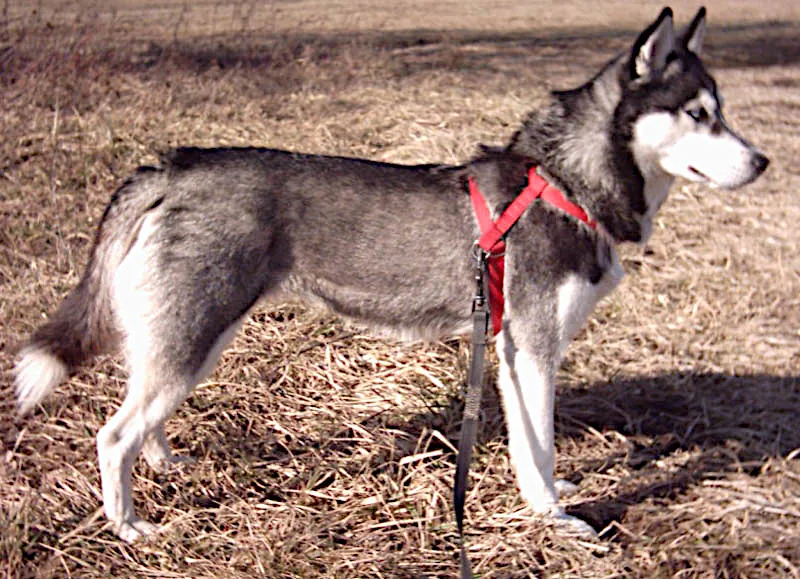
Siberian Husky
Siberian Husky cost is driven less by medical bills than by appetite, coat, and escape-proofing, with $4,843 covering the puppy, initial vetting, and starter gear. Ongoing care settles near $216 once the first year passes. Plan on $35,899 across a lifespan of roughly a dozen years.
Acquisition, surgical desexing, initial vet series, and starter hardware.
Normalized baseline at ~$216/month routine cash burn.
Projected over a 13-year Siberian Husky lifespan.
$3,000 Liquid Reserve Mandate
Critical bufferEye disease is the only defining inherited burden and it is screenable and mostly manageable, while joint and thyroid problems are less common than in most dogs of similar size.
Source: MetLife True Cost of Pet Emergencies 2025 (15% of owners hit $3,000+; uninsured surgery $3,000–8,000)
Biometric & phenotypic actuarial spec
What a Siberian Husky costs, year by year
Cumulative spend across a 13-year life in today's dollars, with the same curve at 3% and 8% yearly inflation. Year 1 carries the acquisition and setup bill.
- Food & nutrition
- Vet & insurance
- Grooming & coat
- Setup & sundries
- - - - at 3% inflation: $42,674
- · · · at 8%: $57,885
Where the big bills land
Bars are routine one-off vet events (vaccine boosters, dental cleanings, bloodwork, spay/neuter). Diamonds are sourced condition treatments for this breed.
No sourced condition costs for this breed yet; only routine events are plotted.
67th percentile
80th percentile
Ranked against 265 other dog breeds in this directory.
View as a table
| Year | Spend | Cumulative | Routine vet events |
|---|---|---|---|
| 1 | $4,843 | $4,843 | $735 |
| 2 | $2,588 | $7,431 | $77 |
| 3 | $2,588 | $10,019 | $543 |
| 4 | $2,588 | $12,607 | $164 |
| 5 | $2,588 | $15,195 | $620 |
| 6 | $2,588 | $17,783 | $164 |
| 7 | $2,588 | $20,371 | $543 |
| 8 | $2,588 | $22,959 | $241 |
| 9 | $2,588 | $25,547 | $543 |
| 10 | $2,588 | $28,135 | $492 |
| 11 | $2,588 | $30,723 | $784 |
| 12 | $2,588 | $33,311 | $328 |
| 13 | $2,588 | $35,899 | $707 |
Annual Cash Burn Matrix ($2,588/yr)
Continuous operational expenditure distributed across 5 core maintenance categories, indexed to metabolic demand and regional clinical rates.
Food
Source: Derived: veterinary MER formula + mid-tier dry kibble price (2026-01)
Vet Care
Source: Modeled estimate, not a sourced figure. Category basis: ASPCA / AAHA routine wellness composite (annual exam, vaccines, parasite control) x size 1 x risk 0.95 (2026-01)
Grooming
Source: Modeled estimate, not a sourced figure. Category basis: Rover / PetSmart service menu, short-coat baseline (grooming rating 2) x coat 2.6 (2026-01)
Pet Insurance
Source: Derived: NAPHIA State of the Industry 2025 (2024 data), accident & illness dog average x size 1 x risk 0.92 (2026-01)
Supplies & Toys
Source: Derived: Synchrony Pet Lifetime of Care 2025 (toy replacement $50–150/yr) plus routine consumables x size 1 (2026-01)
Upfront Entry CapEx
Purchase / Adoption Fee ($1,000), Initial Vet Visit & Vaccinations ($660), Starter Supplies ($475), Training Classes ($260), First Year Food ($625), First Year Vet Care ($627), First Year Grooming ($507), First Year Insurance ($689).
Comprehensive Lifecycle Ledger
Audited financial breakdown distinguishing immediate first-year fixed capitalization from ongoing annualized operating liabilities over the full 12–14 yrs canine lifespan.
| Expenditure Category | Year 01 Outlay | Annual Steady-State | Lifetime Total | Actuarial Sizing Methodology |
|---|---|---|---|---|
| Purchase / Adoption Fee | $1,000 | — | $1,000 | Varies by breeder vs rescue |
| Initial Vet Visit & Vaccinations | $660 | — | $660 | Spay/neuter, microchip, health check |
| Starter Supplies | $475 | — | $475 | Bed, crate, collar, bowls, toys |
| Training Classes | $260 | — | $260 | Basic obedience recommended |
| First Year Food | $625 | — | $625 | — |
| First Year Vet Care | $627 | — | $627 | — |
| First Year Grooming | $507 | — | $507 | — |
| First Year Insurance | $689 | — | $689 | — |
| Food | — | $625 | $8,125 | — |
| Vet Care | — | $627 | $8,151 | — |
| Grooming | — | $507 | $6,591 | — |
| Pet Insurance | — | $689 | $8,957 | — |
| Supplies & Toys | — | $140 | $1,820 | — |
| Gross Actuarial Expenditure | $4,843 | $2,588 / yr | $35,899 | Unadjusted baseline |
Actuarial Health Risk Profile (Tier 2)
Eye disease is the only defining inherited burden and it is screenable and mostly manageable, while joint and thyroid problems are less common than in most dogs of similar size.
Hereditary cataracts
Lens clouding that can appear in young adults and progress to blindness; surgery is possible but costly, so many owners manage it medically.
- Typical treatment cost (one-time)
- $4,900–$5,500
University of Missouri Veterinary Health Center, Cataracts: What to Expect, 2025-03
Progressive Retinal Atrophy
An inherited X-linked form of retinal degeneration in the breed leads to night blindness first and full sight loss later, with no cure.
Hip Dysplasia
Less frequent here than in many large breeds, but a loose hip in an athletic dog still brings arthritis, imaging, and joint medication.
- Typical treatment cost (one-time)
- $7,000–$9,000
medium confidence · Iowa State University Lloyd Veterinary Medical Center, Total Hip Replacement, 2026-09
Hypothyroidism
An underactive thyroid causes weight gain, dull coat, and lethargy, and is treated with inexpensive daily tablets plus periodic blood tests.
Typically appears at age 4–10
medium confidence
Costs are typical for the condition in general, not specific to the Siberian Husky. See the Siberian Husky cost timeline
What Truly Drives the Siberian Husky’s Financial Profile
About the Siberian Husky and its cost
Siberian Husky cost reflects a sled dog bred in northeast Asia to pull light loads over long distances on little food. That heritage shows up in your budget in unexpected ways. The breed eats less than its athletic build suggests, but it sheds its thick double coat heavily twice a year, and it needs hours of exercise and strong fencing to stay out of trouble. Purchase prices run higher than for common breeds, while shelters and breed rescues often have young adults available for a modest fee. Because the dog is friendly and rarely guards, it makes a poor watchdog but a low-liability family pet, and the medical side of ownership stays comparatively quiet.
What drives Siberian Husky costs
Three lines dominate: coat care, containment, and the eyes. Blowing coat fills brushes and vacuum bags, and professional deshedding sessions add up in shedding season. Fences, harnesses, and long lines are real expenses because Sibes dig, jump, and slip collars. Medically, inherited cataracts and progressive retinal atrophy call for annual eye exams and breeder screening, and a dog that loses sight may need ongoing accommodation or surgery. Hip dysplasia and hypothyroidism appear less often but bring imaging, medication, and blood work when they do. Their medium frame keeps drug doses and food volume moderate, so insurance premiums tend to sit near the middle of the range.
Eyes, escape and the shedding bill
Huskies are not a breed whose bills come from the spine or the airway. The cost sits in the eyes: hereditary cataracts can reach $4,900 to $5,500 for surgery on this page's data, and an X-linked form of progressive retinal atrophy is documented in the breed. Ask breeders for a current eye exam on both parents. The other costs are practical. A husky's drive to run means a fence tall enough and secure enough to hold it, and a double coat blown twice a year means a strong vacuum and a grooming rake rather than clipper visits. Exercise is serious, so budget for a harness and long-line gear.
Siberian Husky first-year budget
The first year is front-loaded. $1,000 secures the puppy, then $660 covers the vaccine series, spay or neuter, microchip, and early exams. $475 buys a crate, a sturdy harness, rake, and gate, and $260 pays for a puppy class and recall work with a dog that ignores casual commands. Recurring lines in year one stay moderate: $625 for a growing working dog, $627 for parasite prevention and rechecks, $507 for coat tools and a blowout session, and $689 if enrolled early. One-time items total $2,395, recurring items $2,448, and the year lands at $4,843.
Siberian Husky yearly cost after year one
Once setup is done, ownership settles near $2,588 a year, or about $216 a month. $625 is moderate because the breed runs lean. $689 is the next fixed cost and the one that protects against a surprise eye or joint bill. $627 covers an annual exam, vaccine boosters, parasite control, dental care, and periodic thyroid or eye checks as the dog ages. $507 reflects brushes, shampoo, and an occasional deshedding session. $140 replaces chewed harnesses, leashes, and toys that an energetic dog destroys. A cataract or orthopedic year sits above this baseline.
Emergency fund for a Siberian Husky
Keep $3,000 set aside for this breed. The realistic triggers are eye and orthopedic: cataract surgery or specialist retinal care, and imaging or surgery for a painful hip. Because Sibes bolt when a gate opens, an accident or fight injury from a runaway is another realistic call on the fund. A bowel obstruction from a swallowed toy or sock is common in bored dogs and needs overnight surgery. Funding this account early keeps one bad year from distorting the $35,899 you planned, and it lets you choose a higher insurance deductible.
Cutting Siberian Husky costs
The largest controllable line is coat care. An owner who learns to rake and blow out the undercoat removes a recurring salon bill and lowers $216 over the dog's life. Fencing and a secure recall routine are the second lever, since they prevent the runaway injuries that produce the most avoidable emergencies. Buying from a breeder who clears the parents' eyes reduces the odds of the most expensive inherited condition. Feeding measured portions to keep the dog lean protects the joints and holds $2,588 steady. Together these habits can trim a meaningful share from $35,899 without cutting care quality.
6 Prudent Ways to Cut Siberian Husky Costs
Invest in a rake and blower
A quality undercoat rake and a high-velocity dryer let you strip the loose coat at home during the twice-yearly blowout. That replaces most professional deshedding visits. Bathing less often also protects the coat's natural oils.
Fence before the dog arrives
A buried footer and a tall, solid fence cost far less than a runaway dog's emergency vet visit or an impound fee. Sibes are notorious escape artists. Spending on containment first prevents traffic injuries and lost-dog stress.
Ask for parental eye clearances
Request current CAER eye exam results and any available genetic test for PRA on both parents. A breeder who screens charges more upfront, but you avoid the chance of an early-onset blindness diagnosis. Keep the paperwork for your vet.
Feed to a lean body condition
This breed is efficient and gains weight easily on rich food, which strains joints and hides thyroid trouble. Measure meals and adjust as activity changes. A lean dog is cheaper to feed and has fewer orthopedic bills.
Insure before any eye finding
A policy bought while the dog is young covers cataract surgery or retinal work later, whereas eye conditions noted first are excluded as pre-existing. Weigh the premium stream against a self-funded reserve. Check whether hereditary conditions are covered.
Budget for a large-breed puppy food step-up
Siberian Husky puppies do best on a large-breed puppy formula, which costs somewhat more per bag than adult food. Plan for that step-up during the first year rather than being surprised by it.
Peer Class Financial Comparisons
How the Siberian Husky compares to morphological peers on annualized ownership cost.
Siberian Husky
Frequently Asked Financial Questions
How much does a siberian husky cost per month?
Is a siberian husky expensive to own?
What are the yearly costs of owning a siberian husky?
How much are siberian husky vet bills?
Do siberian huskies need pet insurance?
Why do Huskies cost so much to feed?
How much does a Siberian Husky puppy cost?
Can I groom a Siberian Husky at home?
What should I feed a Siberian Husky puppy?
Why do Siberian Huskies get eye problems?
Do Huskies need professional grooming?
Related reading
Data sources
- Siberian Husky Dog Breed Information — American Kennel Club (akc.org)
- Siberian Husky — Wikipedia (en.wikipedia.org)
- Cutting Pet Care Costs — ASPCA (aspca.org)
Calculate Your Siberian Husky Cost Adjusted by Metro ZIP Code
Veterinary surgical tariffs and clinical room rates vary widely between metropolitan regions and rural counties. Recalculate this dossier with your exact state, city, and lifestyle parameters.