
Donskoy Cost & Ownership Dossier
Donskoy cat cost is shaped by a hairless, wrinkled breed that needs no brushing but far more skin and temperature management than a coated cat. First-year spending typically runs about $2,466, settling near $1,156 a year, or roughly $96 a month. Over a full lifespan, total ownership approaches $16,338.
Executive cost summary
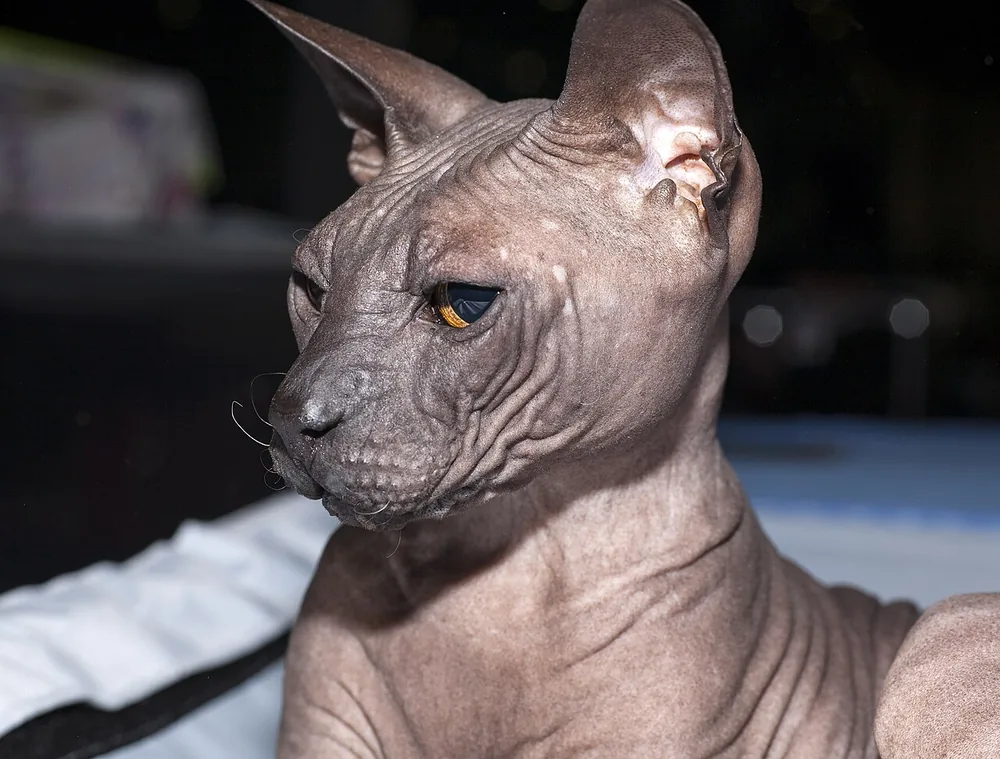
Donskoy
Donskoy cat cost is shaped by a hairless, wrinkled breed that needs no brushing but far more skin and temperature management than a coated cat. First-year spending typically runs about $2,466, settling near $1,156 a year, or roughly $96 a month. Over a full lifespan, total ownership approaches $16,338.
Acquisition, surgical desexing, initial vet series, and starter hardware.
Normalized baseline at ~$96/month routine cash burn.
Projected over a 13-year Donskoy lifespan.
$2,000 Liquid Reserve Mandate
Critical bufferThe hairlessness gene drives ongoing skin infection risk, dental abnormalities, and a constant need for climate management, creating recurring costs beyond a coated cat.
Source: MetLife True Cost of Pet Emergencies 2025 (15% of owners hit $3,000+; uninsured surgery $3,000–8,000)
Biometric & phenotypic actuarial spec
Annual Cash Burn Matrix ($1,156/yr)
Continuous operational expenditure distributed across 5 core maintenance categories, indexed to metabolic demand and regional clinical rates.
Food
Vet Care
Grooming
Pet Insurance
Supplies & Toys
Upfront Entry CapEx
Purchase / Adoption Fee ($800), Initial Vet Visit & Vaccinations ($300), Starter Supplies ($260), Litter & Behavior Basics ($40), First Year Food ($222), First Year Vet Care ($286), First Year Grooming ($156), First Year Insurance ($402).
Comprehensive Lifecycle Ledger
Audited financial breakdown distinguishing immediate first-year fixed capitalization from ongoing annualized operating liabilities over the full 12–15 yrs feline lifespan.
| Expenditure Category | Year 01 Outlay | Annual Steady-State | Lifetime Total | Actuarial Sizing Methodology |
|---|---|---|---|---|
| Purchase / Adoption Fee | $800 | — | $800 | Varies by breeder vs rescue |
| Initial Vet Visit & Vaccinations | $300 | — | $300 | Spay/neuter, microchip, health check |
| Starter Supplies | $260 | — | $260 | Litter box, scratching post, carrier, bowls |
| Litter & Behavior Basics | $40 | — | $40 | Litter box training, scratching post basics |
| First Year Food | $222 | — | $222 | — |
| First Year Vet Care | $286 | — | $286 | — |
| First Year Grooming | $156 | — | $156 | — |
| First Year Insurance | $402 | — | $402 | — |
| Food | — | $222 | $2,886 | — |
| Vet Care | — | $286 | $3,718 | — |
| Grooming | — | $156 | $2,028 | — |
| Pet Insurance | — | $402 | $5,226 | — |
| Supplies & Toys | — | $90 | $1,170 | — |
| Gross Actuarial Expenditure | $2,466 | $1,156 / yr | $16,338 | Unadjusted baseline |
Actuarial Health Risk Profile (Tier 4)
The hairlessness gene drives ongoing skin infection risk, dental abnormalities, and a constant need for climate management, creating recurring costs beyond a coated cat.
Ectodermal dysplasia
The same gene responsible for hairlessness can also affect tooth development, leading to missing or misshapen teeth that sometimes need extraction.
Dermatitis and skin infections
Exposed skin accumulates oil and dirt without fur to buffer it, raising the risk of fungal and bacterial infections that regular bathing helps prevent.
Hypothermia sensitivity
Without an insulating coat, a Donskoy loses body heat quickly and needs warm bedding or clothing to avoid cold-related stress, especially as a kitten or senior.
What Truly Drives the Donskoy’s Financial Profile
About the Donskoy and its cost
Donskoy cat cost starts with a rare Russian hairless breed whose wrinkled, suede-like skin replaces fur entirely. Because litters are uncommon outside specialist breeders, $800 runs on the higher end for a cat. New owners should plan $300 for the first exam, vaccines, and a dental check given the breed's tooth-development risk, plus $260 for warm bedding, sweaters, and gentle bathing supplies rather than brushes. First-year spending totals near $2,466, weighted toward acquisition and the climate-control setup this breed needs from day one.
What drives Donskoy costs
The gene that removes the Donskoy's coat also affects tooth development in some cats, leading to missing or malformed teeth that need monitoring and occasional extraction. The exposed skin needs regular bathing to remove oil buildup, and skipping that routine invites fungal or bacterial infections that cost more to treat than to prevent. Because the breed has no insulating coat, keeping the home warm and providing sweaters is a non-negotiable, ongoing cost rather than an optional extra. Together, dental monitoring, skin care, and warmth needs keep $286 and $156 both above what a coated cat typically requires.
Donskoy first-year budget
One-time costs include $800 for a kitten from a specialist breeder, $300 for the first exam, vaccines, and an early dental check, and $260 for sweaters, warm bedding, and bathing supplies; $40 rarely applies to a cat. These sum to $1,400. Recurring first-year costs add $222, $286 for follow-up visits, $156 for regular bathing, and $402, totaling $1,066. Combined, plan for $2,466 across the first year.
Donskoy yearly cost after year one
Steady-state spending settles near $1,156 a year, about $96 a month. Food at $222 is unremarkable for a medium-size cat, though the constant heat loss can push appetite up slightly. Insurance at $402 runs above average given the breed's skin and dental risk. Routine veterinary care at $286 should include a dental check and a skin assessment each year. Grooming at $156 reflects bathing supplies rather than brushes, and $90 covers sweaters and warm bedding replacements.
Emergency fund for a Donskoy
Set aside $2,000 for this breed's recurring risks: an infected skin flare that has progressed past home care, or a dental extraction if ectodermal dysplasia has affected tooth structure. Neither is usually life-threatening, but both can require sustained veterinary attention over weeks. Because these risks trace directly to the hairlessness gene, they are not fully preventable, only manageable. A funded reserve, or an insurance plan with a deductible you can cover promptly, protects the $16,338 lifetime estimate from a bad skin or dental year.
Cutting Donskoy costs
Consistent bathing is the cheapest insurance against this breed's most common problem, a skin infection that has gone untreated too long, so keeping that routine steady protects the $16,338 lifetime total. Buying sweaters and heated bedding once, rather than repeatedly replacing damaged skin-care products from an unmanaged infection, saves money over time. Insuring early converts an unpredictable dermatitis or dental bill into a steady piece of $96. A warm, stable indoor environment reduces stress-related flare-ups that would otherwise add vet visits.
5 Prudent Ways to Cut Donskoy Costs
Bathe on a fixed schedule
A weekly or biweekly bath with a gentle, vet-approved shampoo removes oil buildup before it becomes an infection. Sticking to a schedule is cheaper than treating a skin infection that has already taken hold.
Budget for warmth, not fur
Redirect the money a coated-cat owner spends on grooming into sweaters, heated beds, and a consistently warm home. A Donskoy that stays warm is less stressed and less prone to skin flare-ups.
Get a dental check early
Ask your vet to evaluate tooth development at the first exam, since ectodermal dysplasia can affect the teeth in this breed. Catching a problem tooth early is far cheaper than an emergency extraction later.
Insure before any skin diagnosis
Enroll a Donskoy kitten in insurance before its first dermatitis flare, since a diagnosed skin condition can otherwise be excluded as pre-existing. This is the single best way to keep ongoing skin treatment covered.
Use sunscreen outdoors
If your Donskoy spends any time in direct sun, apply a pet-safe sunscreen to exposed skin, since it sunburns easily without fur for protection. A few minutes of prevention avoids a vet visit for burned skin.
Peer Class Financial Comparisons
How the Donskoy compares to morphological peers on annualized ownership cost.
Donskoy
Frequently Asked Financial Questions
How much does a Donskoy kitten cost?
Why are Donskoy cats so expensive?
How much does it cost to own a Donskoy per month?
Do hairless Donskoy cats need special skin care?
What health problems do Donskoy cats have?
Are Donskoy cats hypoallergenic?
How is a Donskoy different from a Sphynx?
Data sources
- Donskoy cat — Wikipedia (en.wikipedia.org)
- Skin Problems in Cats — VCA Animal Hospitals (vcahospitals.com)
- Ectodermal Dysplasias in Animals — Merck Veterinary Manual (merckvetmanual.com)
Calculate Your Donskoy Cost Adjusted by Metro ZIP Code
Veterinary surgical tariffs and clinical room rates vary widely between metropolitan regions and rural counties. Recalculate this dossier with your exact state, city, and lifestyle parameters.