
Bambino Cost & Ownership Dossier
Bambino cat cost runs well above a typical small breed, with $2,201 covering the kitten, initial vetting, and the specialized skin-care and cardiac-screening gear this hairless, short-legged breed needs. Ongoing spend lands near $94 in a healthy year. Across a shorter typical lifespan, budget $14,620.
Executive cost summary
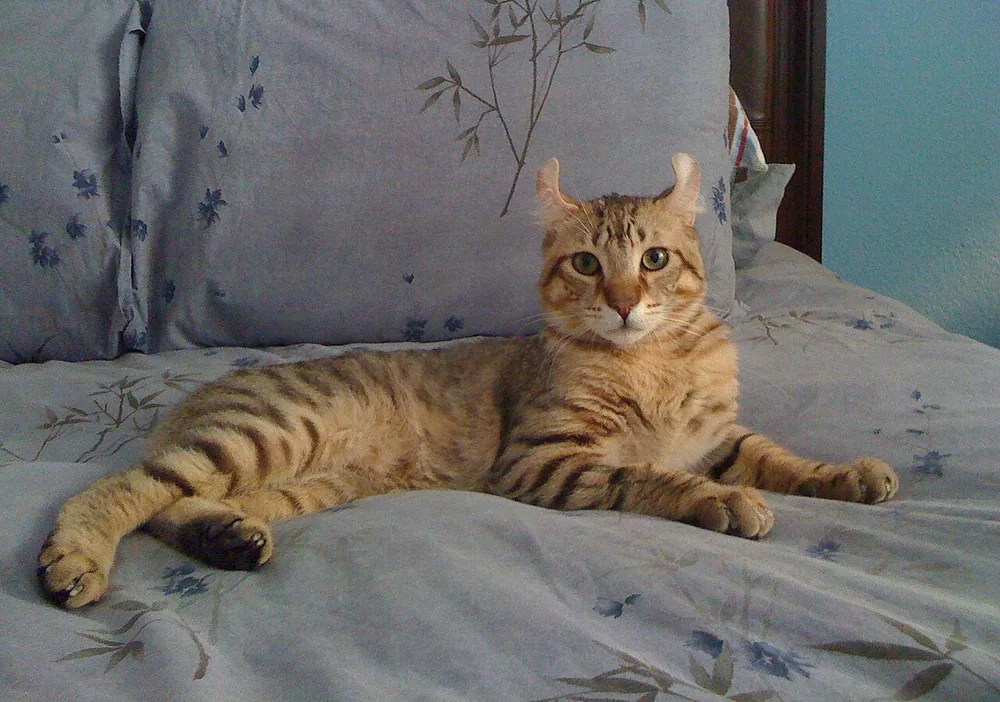
Bambino
Bambino cat cost runs well above a typical small breed, with $2,201 covering the kitten, initial vetting, and the specialized skin-care and cardiac-screening gear this hairless, short-legged breed needs. Ongoing spend lands near $94 in a healthy year. Across a shorter typical lifespan, budget $14,620.
Acquisition, surgical desexing, initial vet series, and starter hardware.
Normalized baseline at ~$94/month routine cash burn.
Projected over a 12-year Bambino lifespan.
$1,500 Liquid Reserve Mandate
Critical bufferCombining the Sphynx's cardiac and skin risks with the Munchkin's skeletal dwarfism gene stacks two independent sets of inherited health concerns onto one small-bodied cat, the definition of a high-tier, high-monitoring breed.
Source: MetLife True Cost of Pet Emergencies 2025 (15% of owners hit $3,000+; uninsured surgery $3,000–8,000)
Biometric & phenotypic actuarial spec
Annual Cash Burn Matrix ($1,129/yr)
Continuous operational expenditure distributed across 5 core maintenance categories, indexed to metabolic demand and regional clinical rates.
Food
Vet Care
Grooming
Pet Insurance
Supplies & Toys
Upfront Entry CapEx
Purchase / Adoption Fee ($600), Initial Vet Visit & Vaccinations ($276), Starter Supplies ($239), Litter & Behavior Basics ($40), First Year Food ($174), First Year Vet Care ($292), First Year Grooming ($156), First Year Insurance ($424).
Comprehensive Lifecycle Ledger
Audited financial breakdown distinguishing immediate first-year fixed capitalization from ongoing annualized operating liabilities over the full 9–14 yrs feline lifespan.
| Expenditure Category | Year 01 Outlay | Annual Steady-State | Lifetime Total | Actuarial Sizing Methodology |
|---|---|---|---|---|
| Purchase / Adoption Fee | $600 | — | $600 | Varies by breeder vs rescue |
| Initial Vet Visit & Vaccinations | $276 | — | $276 | Spay/neuter, microchip, health check |
| Starter Supplies | $239 | — | $239 | Litter box, scratching post, carrier, bowls |
| Litter & Behavior Basics | $40 | — | $40 | Litter box training, scratching post basics |
| First Year Food | $174 | — | $174 | — |
| First Year Vet Care | $292 | — | $292 | — |
| First Year Grooming | $156 | — | $156 | — |
| First Year Insurance | $424 | — | $424 | — |
| Food | — | $174 | $2,088 | — |
| Vet Care | — | $292 | $3,504 | — |
| Grooming | — | $156 | $1,872 | — |
| Pet Insurance | — | $424 | $5,088 | — |
| Supplies & Toys | — | $83 | $996 | — |
| Gross Actuarial Expenditure | $2,201 | $1,129 / yr | $14,620 | Unadjusted baseline |
Actuarial Health Risk Profile (Tier 5)
Combining the Sphynx's cardiac and skin risks with the Munchkin's skeletal dwarfism gene stacks two independent sets of inherited health concerns onto one small-bodied cat, the definition of a high-tier, high-monitoring breed.
Hypertrophic Cardiomyopathy
Inherited from its Sphynx lineage, a thickening of the heart muscle that can progress silently and needs periodic cardiac ultrasound to catch early.
Skin Conditions
The hairless coat leaves skin exposed to sunburn, fungal infection, and excess oil buildup, requiring regular bathing and sun protection year-round.
Osteochondrodysplasia
The dwarfism gene that shortens the Bambino's legs affects cartilage growth throughout the skeleton, and severe cases can cause joint pain or spinal issues over time.
Pectus Excavatum
A caved-in chest deformity documented in Sphynx-derived breeds that can restrict breathing in severe cases and occasionally needs surgical correction in kittenhood.
Thermoregulation Difficulty
With no fur insulation and a small body, the Bambino loses heat quickly and needs a consistently warm indoor environment to avoid chilling-related stress.
What Truly Drives the Bambino’s Financial Profile
About the Bambino and its cost
Bambino cat cost reflects a deliberately engineered hybrid, crossing the hairless Sphynx with the short-legged Munchkin to combine both distinctive traits in one cat. The result is an attention-loving, extremely people-oriented breed that many owners describe as more demanding of company than almost any other cat, which adds indirect costs like pet sitters or daycare for owners who travel. Because the breed carries two separate sets of trait-linked genes rather than one, both a health-conscious buyer and a health-conscious breeder face more to screen for than with a single-trait breed, and this shows up as a higher acquisition price than either parent breed alone.
What drives Bambino costs
This breed's cost profile is dominated by the combined weight of two inherited trait sets. From the Sphynx side, hypertrophic cardiomyopathy requires periodic ultrasound screening, and the hairless skin needs regular bathing, sun protection, and vet attention for fungal or bacterial flare-ups. From the Munchkin side, the dwarfism gene affecting leg length also affects cartilage elsewhere in the skeleton, and can contribute to joint pain or, in some individuals, a caved chest that restricts breathing and occasionally needs kitten-age surgery. Add a small body with no fur insulation that loses heat quickly, and this breed needs a more carefully controlled home environment than almost any other cat, which is a real, if indirect, cost.
Bambino cat first-year budget
$600 secures the kitten from a breeder who screens both the cardiac and skeletal trait lines, and $276 covers vaccines, spay or neuter, microchip, and a baseline heart and chest exam. $239 furnishes a heated bed, pet-safe sunscreen, and bathing supplies this hairless breed needs from day one, while $40 covers a socialization and handling kit given the breed's intense need for companionship. Recurring lines run higher than for a typical small cat: $174 for a faster metabolism offsetting heat loss, $292 for early cardiac and skin monitoring, $156 for weekly bathing, and $424 if enrolled now. One-time costs total $1,155, recurring costs $1,046, for a first-year total of $2,201.
Bambino yearly cost after year one
Ongoing ownership runs near $1,129 a year, or about $94 monthly, above average for a cat this size. $174 reflects a higher metabolic need than a furred cat of similar weight. $424 is strongly worth keeping given the combined cardiac and skeletal risk. $292 carries extra weight from annual cardiac ultrasounds and periodic joint checks. $156 covers ongoing bathing supplies for the hairless skin. $83 replaces sweaters, heated bedding, and the interactive toys this playful, attention-seeking breed needs.
Emergency fund for a Bambino
Keep $1,500 on hand for this breed's genuinely elevated risk profile. Undetected hypertrophic cardiomyopathy can progress to heart failure requiring emergency hospitalization. A severe skin infection from the hairless coat can require intensive treatment if it spreads. Pectus excavatum, if severe, may need surgical correction in kittenhood. Because this breed stacks risk from two distinct genetic sources rather than one, a larger reserve than a typical small cat needs is a reasonable precaution to protect the $14,620 you have budgeted.
Cutting Bambino costs
Buying from a breeder who has already screened both the cardiac and skeletal lines is the single best way to reduce this breed's above-average risk, since avoiding disease in a cat with two independent risk sources beats managing either one. A consistent bathing routine prevents costly skin infections better than reactive treatment. Because the breed needs warm, controlled temperatures anyway, investing in quality heating solutions once rather than repeatedly replacing cheap ones saves money over the cat's life. Together these habits keep the $14,620 total closer to its lower end for what remains an inherently higher-maintenance breed.
5 Prudent Ways to Cut Bambino Costs
Bathe on a fixed weekly schedule
Regular bathing prevents the oily buildup that leads to skin infections in hairless cats, which is far cheaper to manage proactively than to treat once it flares into a vet visit and medicated shampoo prescription.
Buy sun-safe and cold-safe gear once
A hairless cat needs pet-safe sunscreen for windowsill lounging and sweaters or a heated bed for cold months. Buying quality versions once, rather than replacing cheap ones repeatedly, is more economical over the cat's life.
Schedule cardiac screening annually
Given the Sphynx-inherited hypertrophic cardiomyopathy risk, a yearly ultrasound starting young catches thickening heart muscle before it becomes symptomatic, when management options and costs are both more favorable.
Ask for chest and joint checks in kittenhood
Pectus excavatum and skeletal effects from the dwarfism gene are easiest to evaluate, and cheapest to address, before a kitten is fully grown. An early vet exam focused on the chest and spine can flag issues while options remain non-surgical.
Buy from a breeder who screens both parent lines
Because this breed inherits risk from two distinct genetic sources, ask specifically about Sphynx-side cardiac testing and Munchkin-side skeletal soundness in the breeding cats. This is more due diligence than most breeds require but proportionate to the breed's combined risk.
Peer Class Financial Comparisons
How the Bambino compares to morphological peers on annualized ownership cost.
Bambino
Frequently Asked Financial Questions
How much does a Bambino cat cost per month?
Is a Bambino cat expensive to own?
Why are Bambino cats so expensive?
What are the yearly costs of owning a Bambino cat?
Do Bambino cats need pet insurance?
How much is a Bambino kitten?
What health problems do Bambino cats have?
How much does a Bambino cost over its lifetime?
Data sources
- Bambino cat — Wikipedia (en.wikipedia.org)
- Skin Disorders of Cats — Merck Veterinary Manual (merckvetmanual.com)
- Cutting Pet Care Costs — ASPCA (aspca.org)
Calculate Your Bambino Cost Adjusted by Metro ZIP Code
Veterinary surgical tariffs and clinical room rates vary widely between metropolitan regions and rural counties. Recalculate this dossier with your exact state, city, and lifestyle parameters.