
Drentsche Patrijshond Cost & Ownership Dossier
Drentsche Patrijshond cost planning starts with a rare-breed puppy price and layers in the vet, grooming, and food bills of an active, medium-size sporting dog. Most new owners land near $4,678 for the first twelve months, then settle into $2,423 a year after that. Because this breed is uncommon outside the Netherlands, sourcing and import logistics can shape the bill as much as routine care.
Executive cost summary
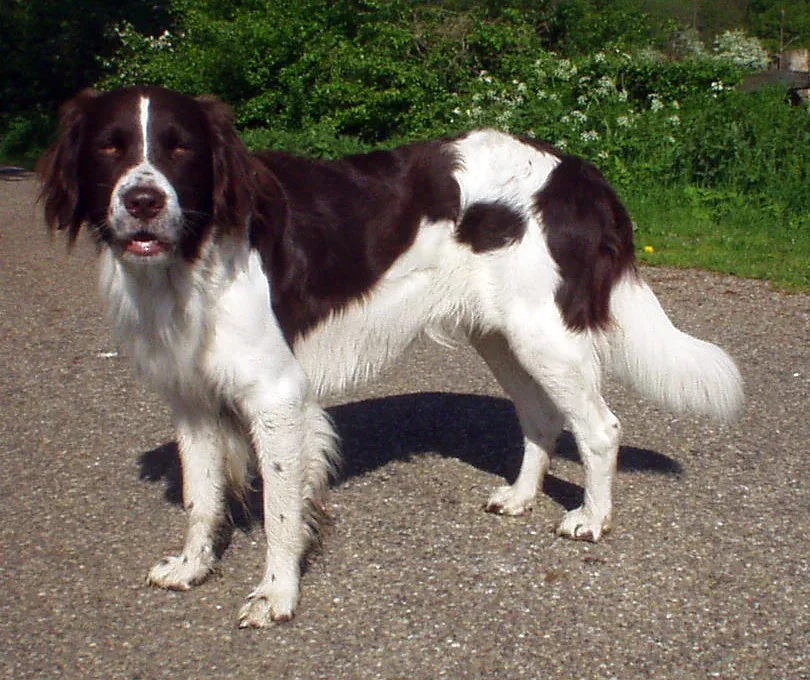
Drentsche Patrijshond
Drentsche Patrijshond cost planning starts with a rare-breed puppy price and layers in the vet, grooming, and food bills of an active, medium-size sporting dog. Most new owners land near $4,678 for the first twelve months, then settle into $2,423 a year after that. Because this breed is uncommon outside the Netherlands, sourcing and import logistics can shape the bill as much as routine care.
Acquisition, surgical desexing, initial vet series, and starter hardware.
Normalized baseline at ~$202/month routine cash burn.
Projected over a 12-year Drentsche Patrijshond lifespan.
$3,000 Liquid Reserve Mandate
Critical bufferA generally hardy sporting breed whose main cost drivers are routine orthopedic and ear-related care rather than a single expensive syndrome.
Source: MetLife True Cost of Pet Emergencies 2025 (15% of owners hit $3,000+; uninsured surgery $3,000–8,000)
Biometric & phenotypic actuarial spec
Annual Cash Burn Matrix ($2,423/yr)
Continuous operational expenditure distributed across 5 core maintenance categories, indexed to metabolic demand and regional clinical rates.
Food
Vet Care
Grooming
Pet Insurance
Supplies & Toys
Upfront Entry CapEx
Purchase / Adoption Fee ($1,000), Initial Vet Visit & Vaccinations ($660), Starter Supplies ($475), Training Classes ($260), First Year Food ($562), First Year Vet Care ($660), First Year Grooming ($312), First Year Insurance ($749).
Comprehensive Lifecycle Ledger
Audited financial breakdown distinguishing immediate first-year fixed capitalization from ongoing annualized operating liabilities over the full 12–13 yrs canine lifespan.
| Expenditure Category | Year 01 Outlay | Annual Steady-State | Lifetime Total | Actuarial Sizing Methodology |
|---|---|---|---|---|
| Purchase / Adoption Fee | $1,000 | — | $1,000 | Varies by breeder vs rescue |
| Initial Vet Visit & Vaccinations | $660 | — | $660 | Spay/neuter, microchip, health check |
| Starter Supplies | $475 | — | $475 | Bed, crate, collar, bowls, toys |
| Training Classes | $260 | — | $260 | Basic obedience recommended |
| First Year Food | $562 | — | $562 | — |
| First Year Vet Care | $660 | — | $660 | — |
| First Year Grooming | $312 | — | $312 | — |
| First Year Insurance | $749 | — | $749 | — |
| Food | — | $562 | $6,744 | — |
| Vet Care | — | $660 | $7,920 | — |
| Grooming | — | $312 | $3,744 | — |
| Pet Insurance | — | $749 | $8,988 | — |
| Supplies & Toys | — | $140 | $1,680 | — |
| Gross Actuarial Expenditure | $4,678 | $2,423 / yr | $31,331 | Unadjusted baseline |
Actuarial Health Risk Profile (Tier 3)
A generally hardy sporting breed whose main cost drivers are routine orthopedic and ear-related care rather than a single expensive syndrome.
Hip Dysplasia
A malformed hip joint that shows up in this breed's working-dog lineage and can mean lifelong arthritis management or surgery.
Progressive retinal atrophy
An inherited eye disease that gradually causes blindness and typically requires periodic ophthalmology screening.
Ear infections
The drooping, feathered ears trap moisture and debris, making recurring otitis a common and ongoing vet expense.
von Willebrand's disease
A clotting disorder found in some sporting breeds that can complicate surgery and raise anesthesia-related costs.
What Truly Drives the Drentsche Patrijshond’s Financial Profile
About the Drentsche Patrijshond and its cost
The Drentsche Patrijshond is a Dutch pointing breed, closely related to other continental spaniels, bred for versatile fieldwork and companionship. It remains rare outside the Netherlands, which pushes $1,000 higher than many comparably sized sporting breeds simply due to import fees, travel, and limited breeder availability in North America and the UK. Once home, the dog's needs mirror other medium sporting breeds: regular exercise, a feathered coat that needs brushing, and ears that need checking. Owners researching this breed should budget for both the acquisition premium and the standard costs of raising an active, working-line dog for well over a decade.
What drives Drentsche Patrijshond costs
Three things push spending for this breed above a generic medium-dog baseline. First, scarcity: $1,000 reflects import costs more than local demand. Second, the feathered ears and coat mean $312 and periodic ear cleaning are recurring line items, not occasional ones. Third, the breed's orthopedic and eye conditions mean $660 should include a hip evaluation and, ideally, an annual ophthalmology check rather than a bare-minimum wellness visit. None of these are dramatic individually, but together they explain why $2,423 runs a notch above a generic mixed-breed estimate of similar size.
Drentsche Patrijshond first-year budget
The first year combines one-time setup costs with the first twelve months of recurring care. $1,000 typically anchors the one-time side, reflecting the breed's scarcity, alongside $660 for early vaccinations and exams, $475 for a crate, leash, and bowls, and $260 for basic obedience given this breed's working drive. Together these one-time items make up $2,395. On the recurring side, $562, $660, $312, and $749 accumulate to $2,283 across the year. Adding the one-time and recurring totals puts most new owners at $4,678 for year one, front-loaded by the purchase price and initial veterinary workup rather than ongoing expenses.
Drentsche Patrijshond yearly cost after year one
Once the one-time setup costs are behind you, ongoing expenses settle into a steadier pattern. $562 covers a full year of feeding an active medium-size sporting dog, $660 funds annual exams and preventives, $312 keeps the feathered coat and ears maintained, and $749 offsets the breed's orthopedic and eye risks. $140 rounds out the year with replacement gear and enrichment items suited to a working breed. Combined, these lines typically total $2,423 a year, which spreads out to roughly $202 a month, a manageable figure for most households once the initial acquisition cost is out of the picture.
Emergency fund for a Drentsche Patrijshond
Given this breed's tendency toward hip dysplasia and progressive retinal atrophy, an unexpected diagnostic workup, orthopedic surgery consult, or specialist ophthalmology referral is a realistic scenario rather than a remote one. Setting aside $3,000 as a dedicated reserve gives owners room to act on a vet's recommendation without delay, which matters most with progressive conditions where early treatment changes the outcome. This reserve sits apart from routine annual costs and should be rebuilt after any use. Viewed against the $31,331 most owners spend raising this breed to a natural end of life, a healthy emergency fund is a modest but important addition to the plan.
Cutting Drentsche Patrijshond costs
The biggest lever for this breed is the acquisition path: working with a domestic breeder rather than importing avoids the fees that inflate the purchase price the most. Beyond that, consistent preventive care keeps the ear and orthopedic issues this breed is prone to from escalating into costlier interventions, which protects $2,423 over time. Choosing a straightforward, effective food and buying supplies in bulk trims the $202 figure without compromising care quality. Taken together over a twelve to thirteen year lifespan, disciplined sourcing and consistent preventive habits meaningfully narrow the gap toward the lower end of the $31,331 range.
5 Prudent Ways to Cut Drentsche Patrijshond Costs
Source locally when possible
Look for the small number of established breeders in North America or Europe before considering an import. Avoiding international transport fees meaningfully lowers $1,000.
Clean ears on a schedule
Weekly ear checks and cleaning for this floppy-eared breed prevent chronic infections that otherwise turn into repeated vet visits. A few minutes at home is far cheaper than a course of ear medication.
Screen early for hips and eyes
Ask the breeder for hip and eye clearances on the parents, and screen the puppy yourself. Catching dysplasia or retinal atrophy early keeps management costs lower than treating an advanced case.
Buy insurance before symptoms appear
Because this breed carries known orthopedic and eye risks, $749 is most valuable when the policy starts before any diagnosis. Waiting until symptoms show up usually means the condition is excluded.
Match food to activity level
This is a working sporting dog that needs real exercise; an active-formula food supports its metabolism better than a generic adult diet and can reduce weight-related vet visits over the dog's life.
Peer Class Financial Comparisons
How the Drentsche Patrijshond compares to morphological peers on annualized ownership cost.
Drentsche Patrijshond
Frequently Asked Financial Questions
How much does a drentsche patrijshond cost per month?
Is a drentsche patrijshond expensive to own?
What are the yearly costs of owning a drentsche patrijshond?
How much are drentsche patrijshond vet bills?
Do drentsche patrijshonds need pet insurance?
How much does a drentsche patrijshond puppy cost?
What is the lifetime cost of owning a drentsche patrijshond?
How much should I budget for grooming a drentsche patrijshond?
Data sources
- Herding Group: Kelpie — American Kennel Club (akc.org)
- Section 3: Average Pet Insurance Premiums — NAPHIA (naphia.org)
- Drentsche Patrijshond — Wikipedia (en.wikipedia.org)
- Caring for Your Pet's Health — ASPCA (aspca.org)
Calculate Your Drentsche Patrijshond Cost Adjusted by Metro ZIP Code
Veterinary surgical tariffs and clinical room rates vary widely between metropolitan regions and rural counties. Recalculate this dossier with your exact state, city, and lifestyle parameters.