
Brittany Cost & Ownership Dossier
Brittany cost stays more moderate than many rarer sporting breeds, since Brittanys are well established among US hunting and field-trial kennels, though $660 and $475 still make up a real first-year expense. Annual upkeep settles near $2,241 once food, exercise gear, and insurance stabilize. Across a typical lifespan, plan for $31,388.
Executive cost summary
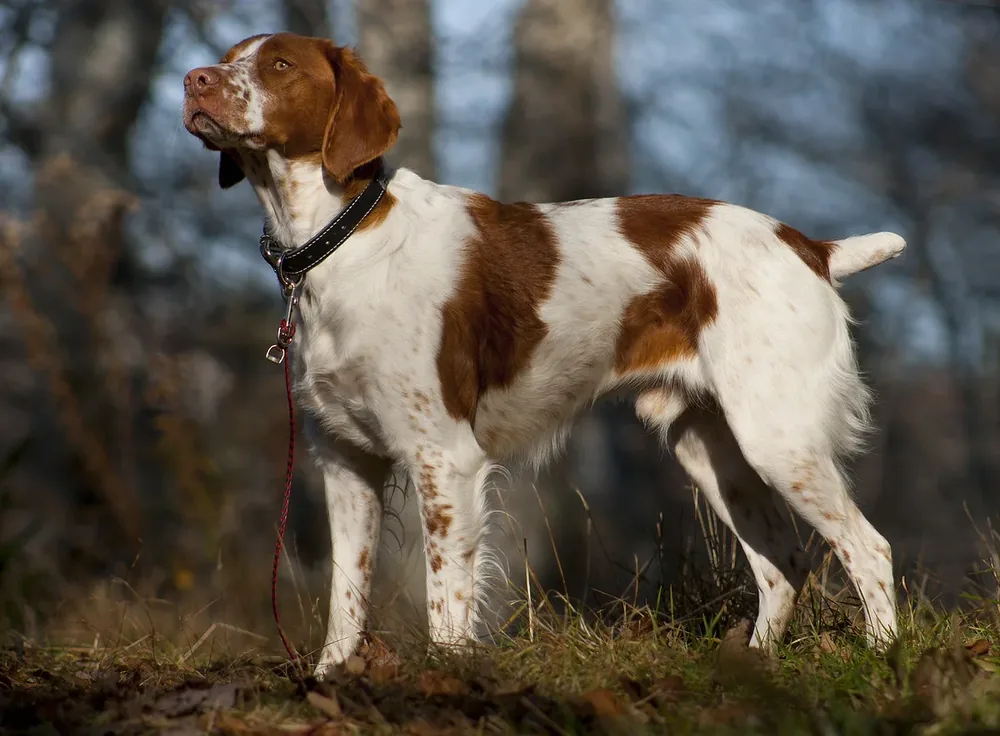
Brittany
Brittany cost stays more moderate than many rarer sporting breeds, since Brittanys are well established among US hunting and field-trial kennels, though $660 and $475 still make up a real first-year expense. Annual upkeep settles near $2,241 once food, exercise gear, and insurance stabilize. Across a typical lifespan, plan for $31,388.
Acquisition, surgical desexing, initial vet series, and starter hardware.
Normalized baseline at ~$187/month routine cash burn.
Projected over a 13-year Brittany lifespan.
$3,000 Liquid Reserve Mandate
Critical bufferA reported epilepsy predisposition and meaningful hip dysplasia rate keep vet costs near breed-average for an otherwise generally hardy, high-energy sporting dog.
Source: MetLife True Cost of Pet Emergencies 2025 (15% of owners hit $3,000+; uninsured surgery $3,000–8,000)
Biometric & phenotypic actuarial spec
Annual Cash Burn Matrix ($2,241/yr)
Continuous operational expenditure distributed across 5 core maintenance categories, indexed to metabolic demand and regional clinical rates.
Food
Vet Care
Grooming
Pet Insurance
Supplies & Toys
Upfront Entry CapEx
Purchase / Adoption Fee ($1,000), Initial Vet Visit & Vaccinations ($660), Starter Supplies ($475), Training Classes ($260), First Year Food ($497), First Year Vet Care ($660), First Year Grooming ($195), First Year Insurance ($749).
Comprehensive Lifecycle Ledger
Audited financial breakdown distinguishing immediate first-year fixed capitalization from ongoing annualized operating liabilities over the full 12–14 yrs canine lifespan.
| Expenditure Category | Year 01 Outlay | Annual Steady-State | Lifetime Total | Actuarial Sizing Methodology |
|---|---|---|---|---|
| Purchase / Adoption Fee | $1,000 | — | $1,000 | Varies by breeder vs rescue |
| Initial Vet Visit & Vaccinations | $660 | — | $660 | Spay/neuter, microchip, health check |
| Starter Supplies | $475 | — | $475 | Bed, crate, collar, bowls, toys |
| Training Classes | $260 | — | $260 | Basic obedience recommended |
| First Year Food | $497 | — | $497 | — |
| First Year Vet Care | $660 | — | $660 | — |
| First Year Grooming | $195 | — | $195 | — |
| First Year Insurance | $749 | — | $749 | — |
| Food | — | $497 | $6,461 | — |
| Vet Care | — | $660 | $8,580 | — |
| Grooming | — | $195 | $2,535 | — |
| Pet Insurance | — | $749 | $9,737 | — |
| Supplies & Toys | — | $140 | $1,820 | — |
| Gross Actuarial Expenditure | $4,496 | $2,241 / yr | $31,388 | Unadjusted baseline |
Actuarial Health Risk Profile (Tier 3)
A reported epilepsy predisposition and meaningful hip dysplasia rate keep vet costs near breed-average for an otherwise generally hardy, high-energy sporting dog.
Hip Dysplasia
A joint malformation seen at a meaningful rate in the breed that can cause lameness and arthritis without early screening.
Epilepsy
A reported neurological predisposition in the breed causing recurring seizures that usually need lifelong medication once diagnosed.
Ear infections
The breed's drop ears trap moisture after swimming or fieldwork, leading to periodic bacterial or yeast ear infections.
Hypothyroidism
An underactive thyroid that causes weight gain and lethargy, manageable with daily medication once diagnosed via bloodwork.
What Truly Drives the Brittany’s Financial Profile
About the Brittany and its cost
Brittany cost reflects one of the more accessible French sporting breeds, since Brittanys are reasonably common in the US and bred by a wide network of hunting and field-trial kennels, which keeps purchase prices moderate compared to rarer pointing cousins. This medium-sized dog carries a dense, flat-to-wavy coat that sheds moderately and needs regular but not intensive brushing. Bred to work tirelessly in the field, the Brittany is famous for boundless energy and an eager, affectionate temperament, which means exercise-related gear and mental enrichment become a real recurring line item rather than an afterthought. Because the breed is popular with hunters, well-bred field lines can command a premium over companion-bred litters.
What drives Brittany costs
What drives Brittany costs is less the coat, which is easy to maintain, and more the breed's high energy and a short list of hereditary health concerns. Hip dysplasia occurs at a meaningful rate in the breed and screening before breeding age is standard practice among reputable kennels. Brittanys also carry a reported predisposition to epilepsy, which, once diagnosed, becomes a lifelong medication cost rather than a one-time expense. Ear infections crop up periodically given the drop ears, especially in dogs that swim or work in wet cover. Because the breed needs substantial daily exercise, owners who under-invest in structured activity sometimes see behavioral costs, like damaged property, that a tired, well-exercised Brittany would otherwise avoid.
Brittany first-year budget
A Brittany's first year begins with $1,000, which varies widely depending on whether the puppy comes from a field-trial kennel or a companion-focused breeder. $660 covers the first exam, core vaccines, and parasite prevention, while $475 outfits a medium crate, bed, and exercise gear for a famously energetic dog. $260 is a smart early investment given the breed's intelligence and drive, which can otherwise turn into destructive behavior. These one-time costs total $2,395. Recurring costs begin at once too, with $497, $660 visits, light $195, and an $749 premium combining into $2,101, making the full $4,496 moderate compared to rarer sporting breeds.
Brittany yearly cost after year one
After the first year, a Brittany's ongoing budget centers on $497 sized for an active medium dog, routine $660 visits, light $195 for the moderately shedding coat, and an $749 premium that reflects the breed's hip dysplasia and epilepsy risk. $140 runs higher than for a low-energy breed, since this dog needs durable toys, long leads, and enrichment gear to match its exercise needs. Combined, these lines reach $2,241 a year, or a steady $187. Owners who invest in daily structured exercise often see this pay off indirectly, since a well-exercised Brittany is less likely to generate the kind of destructive-behavior costs that come from pent-up energy.
Emergency fund for a Brittany
An $3,000 for a Brittany should account for the breed's reported epilepsy predisposition, since a seizure disorder typically means urgent diagnostic testing followed by daily medication for the rest of the dog's life rather than a single bill. Hip dysplasia can also progress to the point of needing imaging or surgical treatment, particularly in dogs that are heavily worked in the field. Ear infections, while usually inexpensive individually, can become a recurring cost if left unmanaged in a dog that swims or hunts in wet cover regularly. Building this reserve before any symptoms appear protects against a sudden neurological or orthopaedic diagnosis and factors meaningfully into the $31,388 for this active breed.
Cutting Brittany costs
Reducing Brittany costs starts with exercise, since a dog that gets enough structured activity each day is less likely to develop the anxiety-driven habits that lead to property damage or behavioral training bills. Insuring early, before any seizure or joint symptoms appear, keeps the monthly premium reasonable and avoids the exclusions that come with waiting until after a diagnosis, which matters more for $31,388 than any single grooming choice. Buying durable field and exercise gear once, rather than replacing cheap toys repeatedly, also helps control $2,241. Choosing a companion-bred puppy over a field-trial import, when show performance isn't a priority, can meaningfully lower the $187 baseline too.
5 Prudent Ways to Cut Brittany Costs
Exercise the dog every single day
A Brittany that gets sufficient structured exercise is far less likely to develop anxiety-driven habits that lead to costly property damage. Budget time as seriously as $140, since both prevent bigger bills later.
Insure before any seizure appears
Because epilepsy is a reported breed risk, enroll in $749 while your Brittany is young and healthy. A policy purchased after a first seizure will typically exclude the condition from coverage.
Screen hips before breeding age
OFA hip screening flags dysplasia risk early, letting you adjust exercise and weight proactively. Catching it early keeps $660 spending focused on monitoring rather than corrective surgery.
Dry ears after water work
Since Brittanys often swim or work in wet cover, drying ears thoroughly afterward prevents the moisture buildup that leads to infection. This simple habit keeps $660 visits for ear issues rare.
Consider a companion-bred puppy
If field trials or hunting aren't a priority, a companion-focused breeder's puppy typically costs less than one from proven field lines. This lowers $1,000 without sacrificing temperament or health testing.
Peer Class Financial Comparisons
How the Brittany compares to morphological peers on annualized ownership cost.
Brittany
Frequently Asked Financial Questions
How much does a Brittany cost per month?
Is a Brittany expensive to own?
How much does a Brittany Spaniel puppy cost?
What are the yearly costs of owning a Brittany?
How much does it cost to adopt a Brittany?
How much does Brittany grooming cost?
Do Brittanys need pet insurance?
Data sources
- Brittany Dog Breed Information — American Kennel Club (akc.org)
- Brittany (dog) — Wikipedia (en.wikipedia.org)
- Seizures in Dogs — VCA Animal Hospitals (vcahospitals.com)
Calculate Your Brittany Cost Adjusted by Metro ZIP Code
Veterinary surgical tariffs and clinical room rates vary widely between metropolitan regions and rural counties. Recalculate this dossier with your exact state, city, and lifestyle parameters.