
How Much Does a German Shorthaired Pointer Cost Per Year?
German Shorthaired Pointer cost runs highest in the first year, when a breeder purchase, initial vaccines, and training gear all land at once. After that, this athletic sporting breed settles into a steady rhythm of food, ear care, and joint monitoring. Its bloat risk and clotting disorder mean the emergency reserve matters more here than for a calmer, less deep-chested dog.
Executive cost summary
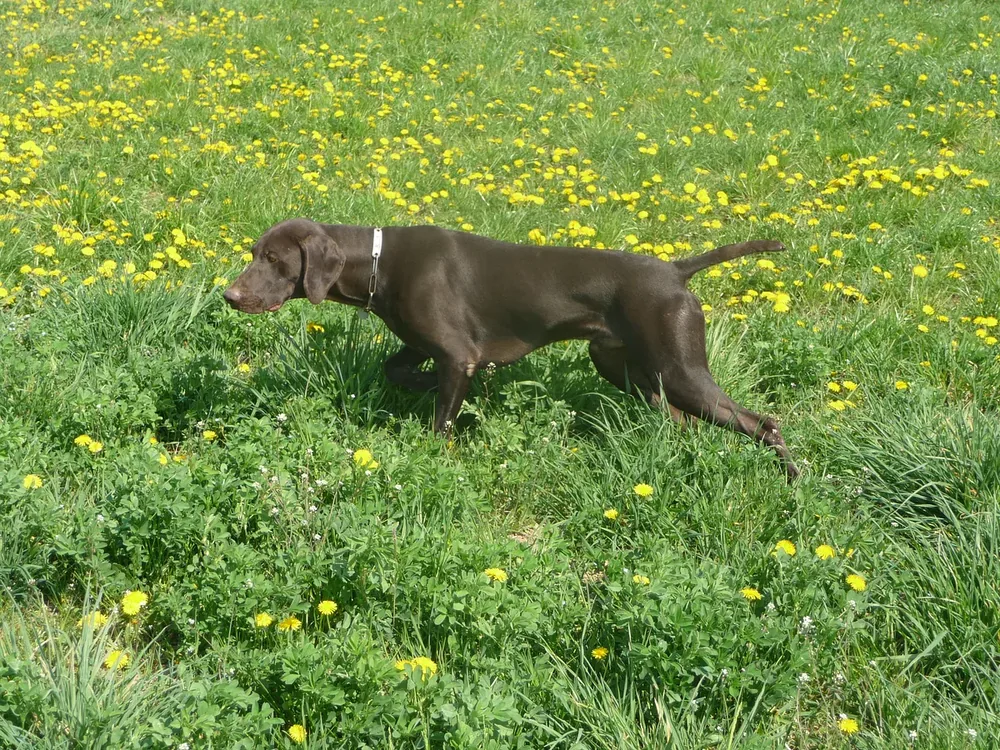
German Shorthaired Pointer
German Shorthaired Pointer cost runs highest in the first year, when a breeder purchase, initial vaccines, and training gear all land at once. After that, this athletic sporting breed settles into a steady rhythm of food, ear care, and joint monitoring. Its bloat risk and clotting disorder mean the emergency reserve matters more here than for a calmer, less deep-chested dog.
Acquisition, surgical desexing, initial vet series, and starter hardware.
Normalized baseline at ~$224/month routine cash burn.
Projected over a 12-year German Shorthaired Pointer lifespan.
$4,000 Liquid Reserve Mandate
Critical bufferBloat risk from a deep chest combines with hip dysplasia and a clotting disorder to create recurring, sometimes emergency, orthopedic and surgical exposure.
Source: MetLife True Cost of Pet Emergencies 2025 (15% of owners hit $3,000+; uninsured surgery $3,000–8,000)
Biometric & phenotypic actuarial spec
What a German Shorthaired Pointer costs, year by year
Cumulative spend across a 12-year life in today's dollars, with the same curve at 3% and 8% yearly inflation. Year 1 carries the acquisition and setup bill.
- Food & nutrition
- Vet & insurance
- Grooming & coat
- Setup & sundries
- - - - at 3% inflation: $40,551
- · · · at 8%: $53,399
Where the big bills land
Bars are routine one-off vet events (vaccine boosters, dental cleanings, bloodwork, spay/neuter). Diamonds are sourced condition treatments for this breed.
72nd percentile
71st percentile
Ranked against 265 other dog breeds in this directory.
View as a table
| Year | Spend | Cumulative | Routine vet events |
|---|---|---|---|
| 1 | $5,130 | $5,130 | $751 |
| 2 | $2,685 | $7,815 | $77 |
| 3 | $2,685 | $10,500 | $543 |
| 4 | $2,685 | $13,185 | $164 |
| 5 | $2,685 | $15,870 | $620 |
| 6 | $2,685 | $18,555 | $164 |
| 7 | $2,685 | $21,240 | $543 |
| 8 | $2,685 | $23,925 | $241 |
| 9 | $2,685 | $26,610 | $871 |
| 10 | $2,685 | $29,295 | $328 |
| 11 | $2,685 | $31,980 | $784 |
| 12 | $2,685 | $34,665 | $328 |
- Gastric dilatation-volvulus (bloat): about $4,750 once, from year 12 (MetLife Pet Insurance, Bloat in Dogs (metlifepetinsurance.com/blog/pet-health/bloat-in-dogs), 2026-09, medium confidence)
Annual Cash Burn Matrix ($2,685/yr)
Continuous operational expenditure distributed across 5 core maintenance categories, indexed to metabolic demand and regional clinical rates.
Food
Source: Derived: veterinary MER formula + mid-tier dry kibble price (2026-01)
Vet Care
Source: Modeled estimate, not a sourced figure. Category basis: ASPCA / AAHA routine wellness composite (annual exam, vaccines, parasite control) x size 1.06 x risk 1.1 (2026-01)
Grooming
Source: Modeled estimate, not a sourced figure. Category basis: Rover / PetSmart service menu, short-coat baseline (grooming rating 2) x coat 0.4 (2026-01)
Pet Insurance
Source: Derived: NAPHIA State of the Industry 2025 (2024 data), accident & illness dog average x size 1.08 x risk 1.18 (2026-01)
Supplies & Toys
Source: Derived: Synchrony Pet Lifetime of Care 2025 (toy replacement $50–150/yr) plus routine consumables x size 1.15 (2026-01)
Upfront Entry CapEx
Purchase / Adoption Fee ($1,100), Initial Vet Visit & Vaccinations ($700), Starter Supplies ($546), Training Classes ($260), First Year Food ($721), First Year Vet Care ($770), First Year Grooming ($78), First Year Insurance ($955).
Comprehensive Lifecycle Ledger
Audited financial breakdown distinguishing immediate first-year fixed capitalization from ongoing annualized operating liabilities over the full 10–14 yrs canine lifespan.
| Expenditure Category | Year 01 Outlay | Annual Steady-State | Lifetime Total | Actuarial Sizing Methodology |
|---|---|---|---|---|
| Purchase / Adoption Fee | $1,100 | — | $1,100 | Varies by breeder vs rescue |
| Initial Vet Visit & Vaccinations | $700 | — | $700 | Spay/neuter, microchip, health check |
| Starter Supplies | $546 | — | $546 | Bed, crate, collar, bowls, toys |
| Training Classes | $260 | — | $260 | Basic obedience recommended |
| First Year Food | $721 | — | $721 | — |
| First Year Vet Care | $770 | — | $770 | — |
| First Year Grooming | $78 | — | $78 | — |
| First Year Insurance | $955 | — | $955 | — |
| Food | — | $721 | $8,652 | — |
| Vet Care | — | $770 | $9,240 | — |
| Grooming | — | $78 | $936 | — |
| Pet Insurance | — | $955 | $11,460 | — |
| Supplies & Toys | — | $161 | $1,932 | — |
| Gross Actuarial Expenditure | $5,130 | $2,685 / yr | $34,665 | Unadjusted baseline |
Actuarial Health Risk Profile (Tier 4)
Bloat risk from a deep chest combines with hip dysplasia and a clotting disorder to create recurring, sometimes emergency, orthopedic and surgical exposure.
Hip Dysplasia
A large, athletic frame under heavy exercise load makes loose hip joints a recurring orthopedic concern as the dog ages.
- Typical treatment cost (one-time)
- $7,000–$9,000
medium confidence · Iowa State University Lloyd Veterinary Medical Center, Total Hip Replacement, 2026-09
Gastric dilatation-volvulus (bloat)
A deep-chested build puts this breed at elevated risk for a sudden, life-threatening stomach twist that requires emergency surgery.
- Typical treatment cost (one-time)
- $2,000–$7,500
Typically appears at age 9–12
medium confidence · MetLife Pet Insurance, Bloat in Dogs, 2026-09
von Willebrand's disease
An inherited clotting disorder found in the breed that can turn routine surgery or injury into a costlier bleeding emergency.
Lymphedema
A hereditary lymphatic drainage problem seen in some lines that causes chronic limb swelling and ongoing management costs.
Ear infections
Drop ears and a life spent swimming or working in the field trap moisture, making recurring ear infections a routine vet expense.
- Typical treatment cost (one-time)
- $150–$390
low confidence · Hepper, How Much Does It Cost to Treat a Dog Ear Infection at the Vet, 2026-09
Costs are typical for the condition in general, not specific to the German Shorthaired Pointer. See the German Shorthaired Pointer cost timeline
What Truly Drives the German Shorthaired Pointer’s Financial Profile
About the German Shorthaired Pointer and its cost
The German Shorthaired Pointer was bred as an all-purpose hunting dog, and that working heritage shapes nearly every line item in its cost profile. Buyers typically pay $1,100 for a puppy from a field-trial or gun-dog breeder, well above a shelter adoption fee, because these lines are bred and health-tested for stamina and drive. Add $700 for the first round of vaccines, deworming, and a wellness exam, plus $546 for a crate, leash, and bedding sized for a large, active dog. Because this breed is bred to work with a handler, most new owners also budget $260 for obedience or field-obedience classes in the first year, which pays off in a calmer, easier-to-manage adult.
What drives German Shorthaired Pointer costs
Two things push this breed's cost above a typical large dog: its exercise-driven metabolism and its health-condition list. A GSP needs real daily output, so food costs land on the higher end of the large-breed range, and an under-exercised dog is more prone to destructive behavior that adds to supply replacement costs. On the health side, the deep chest that helps it run all day also raises bloat risk, an emergency surgery that can eclipse a year of routine vet spending in a single event. Hip dysplasia and von Willebrand's disease add ongoing monitoring and make insurance a more valuable hedge than for a lower-risk breed, which shows up in the $955 line.
An athlete's costs: exercise, bloat and bleeding
German Shorthaired Pointers need around an hour or more of hard exercise daily, and the expenses follow the energy. Food costs run high for an active dog, hip dysplasia adds $7,000 to $9,000 per hip, and the deep chest creates a bloat risk of $2,000 to $7,500. A less obvious item is Von Willebrand's disease, an inherited clotting disorder that can turn routine surgery into a bleeding emergency; a breeder's DNA test result for it is worth asking for. Field dogs that swim also get ear infections costing $150 to $390 per episode, so ear cleaning belongs in the routine.
German Shorthaired Pointer first-year budget
The first year carries the heaviest costs for this breed. Purchase from a field or gun-dog breeder runs $1,100, and initial vaccines, deworming, and a wellness exam add $700. Starter supplies sized for a large, active puppy, including a crate, leash, and bedding, cost $546, and most owners also budget $260 for obedience classes given how much drive and energy this breed brings into a household. Those one-time costs combine into an $2,606 setup total. Layer in the first year's recurring food, vet, grooming, and insurance spending at $2,524, and the full first-year figure reaches $5,130, the highest single year most owners will see unless a health issue arises later.
German Shorthaired Pointer yearly cost after year one
Once the puppy costs fall away, ongoing ownership settles at $2,685 a year, or about $224 a month. Food is the largest recurring line at $721, sized for a large, high-energy dog that burns through calories on daily runs and field work. Routine vet care lands at $770, grooming stays low at $78 thanks to the short coat, and insurance runs $955 given the breed's bloat and joint risk. Supplies and toys add $161, since a working breed goes through durable chew toys and gear faster than a low-energy companion dog. Budgeting the monthly figure rather than the annual lump sum makes this cost easier to absorb.
Emergency fund for a German Shorthaired Pointer
This breed's deep chest and clotting-disorder risk make an emergency fund more important than for most large dogs. Bloat surgery, a torn ligament from field work, or a bleeding episode tied to von Willebrand's disease can each require immediate, costly intervention with little warning. A reserve of $4,000 covers a single serious event without forcing a delay in treatment, which matters most with bloat, where hours determine the outcome. Over a lifetime that includes routine and unplanned costs, total spending trends toward $34,665, and owners who keep the emergency fund separate from everyday savings are better positioned when a sudden vet bill arrives instead of scrambling to cover it on short notice.
Cutting German Shorthaired Pointer costs
The biggest lever for this breed is prevention rather than discount shopping. Keeping the dog lean and adequately exercised reduces joint stress that leads to expensive hip treatment later, and a gastropexy performed during another surgery can lower bloat risk for the rest of the dog's life. Insurance bought early, before any joint or bleeding symptoms appear, keeps the $2,685 yearly figure from ballooning if a covered condition develops. Buying food and supplies in bulk trims the recurring $224 monthly spend modestly, but the larger savings come from avoiding the emergency-room visits that drive this breed's $34,665 lifetime estimate upward in the first place.
6 Prudent Ways to Cut German Shorthaired Pointer Costs
Buy pet insurance before six months old
Enroll the puppy before any hip or bleeding-disorder symptoms appear so those conditions are covered rather than excluded. Waiting even a year can mean paying out of pocket for the breed's costliest risks.
Feed a measured, large-breed formula
A properly portioned large-breed food controls weight gain that stresses hip joints and slows growth rate in puppies, which lowers lifetime joint costs. Overfeeding a food-motivated working breed is an easy way to add avoidable vet visits.
Learn bloat warning signs now
Knowing the signs of gastric dilatation-volvulus and getting to an emergency vet within the first hour can be the difference between surgery and losing the dog. Ask your vet about a preventive gastropexy if the dog will be under anesthesia for another procedure anyway.
Clean ears after every swim or field outing
A quick ear-drying routine after water work or wet grass prevents the recurring infections this breed is prone to. It costs a few minutes and a bottle of ear cleaner instead of an urgent-care visit.
Meet the exercise need with cheaper outlets
Running, hiking, and fetch cost nothing beyond your own time and satisfy this breed's high energy far more cheaply than a dog walker or daycare. A tired GSP is also less likely to need costly behavioral training later.
Weigh a Lab mix against a purebred
A GSP-Lab mix puppy is usually cheaper to acquire than a purebred from a health-tested field breeder. If purebred field lineage and hunting pedigree don't matter to you, a well-vetted mix can meet the same activity needs for less upfront cost.
Peer Class Financial Comparisons
How the German Shorthaired Pointer compares to morphological peers on annualized ownership cost.
German Shorthaired Pointer
Frequently Asked Financial Questions
How much does a german shorthaired pointer cost per month?
Is a german shorthaired pointer expensive to own?
What are the yearly costs of owning a german shorthaired pointer?
How much are german shorthaired pointer vet bills?
Do german shorthaired pointers need pet insurance?
How much does a german shorthaired pointer puppy cost?
What is the lifetime cost of owning a german shorthaired pointer?
How much does german shorthaired pointer grooming cost?
Is a GSP-Lab mix cheaper than a purebred German Shorthaired Pointer?
What does Von Willebrand's disease mean for a German Shorthaired Pointer?
Is a German Shorthaired Pointer a good apartment dog budget-wise?
Data sources
- German Shorthaired Pointer Breed Standard — AKC (akc.org)
- German Shorthaired Pointer — Wikipedia (en.wikipedia.org)
- Section 3: Average Pet Insurance Premiums — NAPHIA (naphia.org)
- Caring for Your Dog's Ears — ASPCA (aspca.org)
Calculate Your German Shorthaired Pointer Cost Adjusted by Metro ZIP Code
Veterinary surgical tariffs and clinical room rates vary widely between metropolitan regions and rural counties. Recalculate this dossier with your exact state, city, and lifestyle parameters.