
Eurasier Cost & Ownership Dossier
Eurasier cost runs highest in the first year, when a puppy, initial veterinary workups, and setup gear all land at once. After that, this calm, double-coated spitz settles into steadier ongoing costs built around food, grooming, and preventive care. Owners who budget for periodic thyroid or joint monitoring avoid the biggest surprises.
Executive cost summary
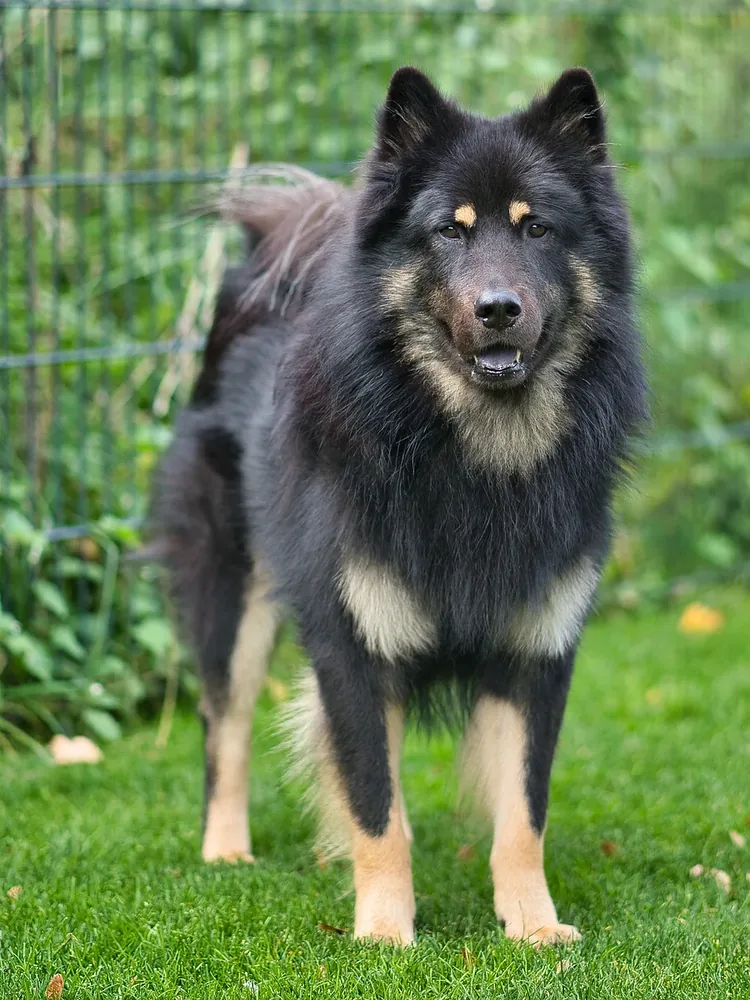
Eurasier
Eurasier cost runs highest in the first year, when a puppy, initial veterinary workups, and setup gear all land at once. After that, this calm, double-coated spitz settles into steadier ongoing costs built around food, grooming, and preventive care. Owners who budget for periodic thyroid or joint monitoring avoid the biggest surprises.
Acquisition, surgical desexing, initial vet series, and starter hardware.
Normalized baseline at ~$235/month routine cash burn.
Projected over a 12-year Eurasier lifespan.
$3,000 Liquid Reserve Mandate
Critical bufferA documented predisposition to Addison's disease pairs with hip dysplasia risk, and both carry recurring diagnostic and medication costs for life.
Source: MetLife True Cost of Pet Emergencies 2025 (15% of owners hit $3,000+; uninsured surgery $3,000–8,000)
Biometric & phenotypic actuarial spec
Annual Cash Burn Matrix ($2,815/yr)
Continuous operational expenditure distributed across 5 core maintenance categories, indexed to metabolic demand and regional clinical rates.
Food
Vet Care
Grooming
Pet Insurance
Supplies & Toys
Upfront Entry CapEx
Purchase / Adoption Fee ($1,000), Initial Vet Visit & Vaccinations ($660), Starter Supplies ($475), Training Classes ($260), First Year Food ($558), First Year Vet Care ($726), First Year Grooming ($507), First Year Insurance ($884).
Comprehensive Lifecycle Ledger
Audited financial breakdown distinguishing immediate first-year fixed capitalization from ongoing annualized operating liabilities over the full 11–13 yrs canine lifespan.
| Expenditure Category | Year 01 Outlay | Annual Steady-State | Lifetime Total | Actuarial Sizing Methodology |
|---|---|---|---|---|
| Purchase / Adoption Fee | $1,000 | — | $1,000 | Varies by breeder vs rescue |
| Initial Vet Visit & Vaccinations | $660 | — | $660 | Spay/neuter, microchip, health check |
| Starter Supplies | $475 | — | $475 | Bed, crate, collar, bowls, toys |
| Training Classes | $260 | — | $260 | Basic obedience recommended |
| First Year Food | $558 | — | $558 | — |
| First Year Vet Care | $726 | — | $726 | — |
| First Year Grooming | $507 | — | $507 | — |
| First Year Insurance | $884 | — | $884 | — |
| Food | — | $558 | $6,696 | — |
| Vet Care | — | $726 | $8,712 | — |
| Grooming | — | $507 | $6,084 | — |
| Pet Insurance | — | $884 | $10,608 | — |
| Supplies & Toys | — | $140 | $1,680 | — |
| Gross Actuarial Expenditure | $5,070 | $2,815 / yr | $36,035 | Unadjusted baseline |
Actuarial Health Risk Profile (Tier 4)
A documented predisposition to Addison's disease pairs with hip dysplasia risk, and both carry recurring diagnostic and medication costs for life.
Hip Dysplasia
A loose-fitting hip joint that wears unevenly, leading to arthritis and, in some dogs, surgery.
Hypothyroidism
An underactive thyroid that slows metabolism and needs daily medication plus periodic bloodwork for life.
Distichiasis
Extra eyelash hairs that rub the cornea, causing irritation that sometimes needs surgical correction.
Hypoadrenocorticism (Addison's disease)
Adrenal glands that under-produce hormones, requiring lifelong hormone replacement and regular monitoring.
What Truly Drives the Eurasier’s Financial Profile
About the Eurasier and its cost
The Eurasier is a mid-twentieth-century German spitz developed from Chow Chow, Wolfspitz, and Samoyed lines to be a calm, watchful family companion. That deliberate, health-conscious breeding history means most Eurasiers are sturdy, but the breed's small gene pool still carries a few conditions worth budgeting around. Eurasier cost reflects a medium-large dog with a dense double coat: food and grooming are steady line items, while veterinary spending is usually modest unless a hereditary condition emerges. Puppies are uncommon outside dedicated breed clubs, which keeps purchase prices firm and waiting lists long. Because the breed is not mass-produced, buyers rarely find rescue or shelter Eurasiers, so most owners enter through a breeder relationship that includes health screening paperwork. That screening reduces long-run surprises but does not eliminate them, so a realistic cost picture includes routine care plus a reserve for joint or hormonal issues.
What drives Eurasier costs
Three things push Eurasier spending: coat, size, and a handful of hereditary conditions. The dense double coat needs brushing several times a week and heavier grooming during seasonal shedding, which either costs owner time or a professional groomer's fee. Body size in the 40 to 70 pound range means medication doses, boarding rates, and food portions all land above small-breed pricing. Health-wise, hip dysplasia can eventually mean imaging and, in serious cases, surgery, while hypothyroidism and hypoadrenocorticism both require ongoing bloodwork and daily medication once diagnosed. None of these conditions are guaranteed, but their presence in the breed's history is why an emergency reserve and pet insurance both matter more here than for a breed with a cleaner health record.
Eurasier first-year budget
The first year stacks a one-time $1,000 purchase price on top of $660 for early exams and vaccines, $475 for a crate, bed, and grooming tools, and $260 for basic obedience classes, bringing the $2,395 one-time total. Layered on top is the first year of recurring costs: $558 for a growing double-coated dog, $726 for follow-up visits, $507 to establish a brushing routine, and $884 if enrolled from puppyhood, totaling $2,675. Combined, the $5,070 first-year figure is the highest single-year cost a Eurasier owner will face, since it front-loads purchase price, setup gear, and training that later years do not repeat. Breeder screening fees are usually folded into the purchase price rather than billed separately.
Eurasier yearly cost after year one
Once setup and training costs fall away, annual spending settles into $558 for a medium-large dog, $726 for checkups and preventives, $507 to manage the double coat through shedding seasons, $884 premiums, and $140 for replacement gear and enrichment. Together these add up to $2,815 per year, or $235 when spread across twelve months. This steady-state figure assumes no active hereditary condition; a Eurasier managing hypothyroidism or Addison's disease will run above it because of added medication and bloodwork visits. Framing the yearly total as a monthly amount makes it easier to budget alongside other household expenses rather than treating vet and grooming bills as surprises.
Emergency fund for a Eurasier
Given the breed's predisposition to hip dysplasia and hormonal conditions like hypothyroidism and Addison's disease, an $3,000 reserve is a reasonable minimum before an unexpected diagnosis becomes a financial crisis. Hip dysplasia can escalate from monitoring to imaging to joint surgery, while an Addisonian crisis can require emergency hospitalization on short notice. Because these are the conditions actually driving the breed's risk tier, the reserve should be sized to cover diagnostics and a first round of treatment, not just a routine emergency visit. Viewed against the $36,035 lifetime estimate, this fund is a small but important buffer that keeps one bad diagnosis from becoming unmanageable debt rather than a planned expense.
Cutting Eurasier costs
The biggest lever on lifelong spending is prevention: consistent brushing avoids costly de-matting, and an early baseline thyroid panel makes later hormonal changes cheaper to catch and treat. Insurance purchased before any symptoms appear keeps the $2,815 yearly figure predictable instead of absorbing a full treatment cost out of pocket. Buying food and joint supplements in bulk trims the $235 grocery-style expense without changing quality. Over a Eurasier's working lifetime, the gap between an owner who defers preventive care and one who invests in it early shows up directly in the $36,035 total, usually in the form of avoided surgeries and shorter, cheaper vet visits rather than dramatic one-time savings.
5 Prudent Ways to Cut Eurasier Costs
Buy from a health-tested breeder
Insist on hip, thyroid, and eye clearances before paying a deposit. Screening costs the breeder money upfront but prevents far larger vet bills later.
Brush the coat weekly, not occasionally
A short, regular brushing routine prevents matting that would otherwise require an expensive de-matting or shave-down visit. It also cuts shedding cleanup around the house.
Get pet insurance before symptoms appear
Enroll while the puppy is healthy so hormonal or joint conditions are covered if they develop. Waiting until symptoms show up means the condition becomes a pre-existing exclusion.
Schedule baseline bloodwork early
A young-adult thyroid and adrenal panel gives your vet a healthy baseline to compare against later. Catching hormonal drift early keeps treatment cheaper and simpler.
Buy food and supplies in bulk
A dog this size eats through food and joint supplements steadily, so larger bags and multi-month supply orders lower the per-pound and per-dose price over the year.
Peer Class Financial Comparisons
How the Eurasier compares to morphological peers on annualized ownership cost.
Eurasier
Frequently Asked Financial Questions
How much does a eurasier cost per month?
Is a eurasier expensive to own?
What are the yearly costs of owning a eurasier?
How much are eurasier vet bills?
Do eurasiers need pet insurance?
How much does a eurasier puppy cost?
What is the lifetime cost of owning a eurasier?
How much does eurasier grooming cost?
Data sources
- Eurasier Dog Breed Information — AKC (akc.org)
- Pet Health Insurance Basics — North American Pet Health Insurance Association (naphia.org)
- Eurasier — Wikipedia (en.wikipedia.org)
Calculate Your Eurasier Cost Adjusted by Metro ZIP Code
Veterinary surgical tariffs and clinical room rates vary widely between metropolitan regions and rural counties. Recalculate this dossier with your exact state, city, and lifestyle parameters.