
How Much Does a Keeshond Cost Per Year?
Keeshond cost is driven mostly by a big double coat and vet care rather than the purchase price alone. Expect about $4,750 in the first year and about $2,495 per year after that. That works out to roughly $208 per month.
Executive cost summary
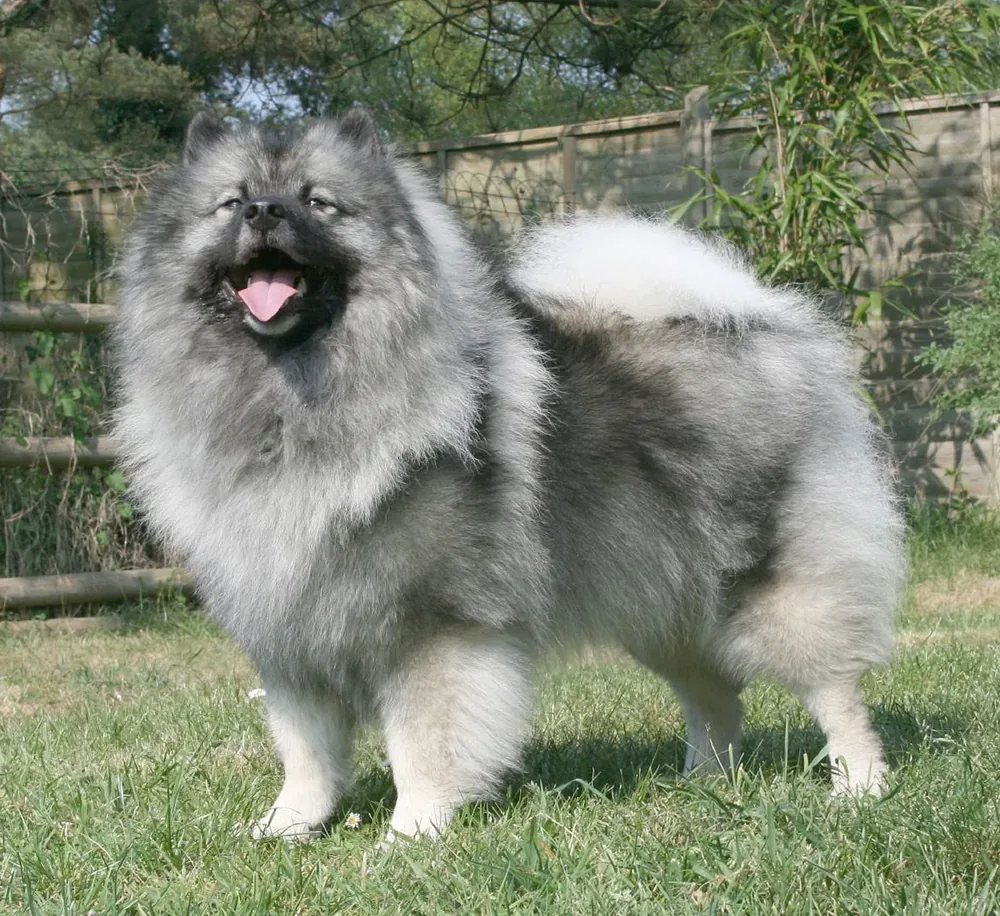
Keeshond
Keeshond cost is driven mostly by a big double coat and vet care rather than the purchase price alone. Expect about $4,750 in the first year and about $2,495 per year after that. That works out to roughly $208 per month.
Acquisition, surgical desexing, initial vet series, and starter hardware.
Normalized baseline at ~$208/month routine cash burn.
Projected over a 13.5-year Keeshond lifespan.
$3,000 Liquid Reserve Mandate
Critical bufferBreed-average overall, with an inherited late-life parathyroid disorder and the usual medium-dog joint risks adding some recurring vet cost.
Source: MetLife True Cost of Pet Emergencies 2025 (15% of owners hit $3,000+; uninsured surgery $3,000–8,000)
Biometric & phenotypic actuarial spec
What a Keeshond costs, year by year
Cumulative spend across a 14-year life in today's dollars, with the same curve at 3% and 8% yearly inflation. Year 1 carries the acquisition and setup bill.
- Food & nutrition
- Vet & insurance
- Grooming & coat
- Setup & sundries
- - - - at 3% inflation: $44,885
- · · · at 8%: $62,671
Where the big bills land
Bars are routine one-off vet events (vaccine boosters, dental cleanings, bloodwork, spay/neuter). Diamonds are sourced condition treatments for this breed.
60th percentile
80th percentile
Ranked against 265 other dog breeds in this directory.
View as a table
| Year | Spend | Cumulative | Routine vet events |
|---|---|---|---|
| 1 | $4,750 | $4,750 | $735 |
| 2 | $2,495 | $7,245 | $77 |
| 3 | $2,495 | $9,740 | $543 |
| 4 | $2,495 | $12,235 | $164 |
| 5 | $2,495 | $14,730 | $620 |
| 6 | $2,495 | $17,225 | $164 |
| 7 | $2,495 | $19,720 | $543 |
| 8 | $2,495 | $22,215 | $241 |
| 9 | $2,495 | $24,710 | $543 |
| 10 | $2,495 | $27,205 | $328 |
| 11 | $2,495 | $29,700 | $784 |
| 12 | $2,495 | $32,195 | $328 |
| 13 | $2,495 | $34,690 | $707 |
| 14 | $2,495 | $37,185 | $405 |
- Hip Dysplasia: about $3,600 once, from year 2 (MetLife Pet Insurance, Dog Hip Dysplasia Surgery Costs (metlifepetinsurance.com/blog/pet-health/dog-hip-dysplasia-surgery-cost), 2024-10, medium confidence)
Annual Cash Burn Matrix ($2,495/yr)
Continuous operational expenditure distributed across 5 core maintenance categories, indexed to metabolic demand and regional clinical rates.
Food
Source: Derived: veterinary MER formula + mid-tier dry kibble price (2026-01)
Vet Care
Source: Modeled estimate, not a sourced figure. Category basis: ASPCA / AAHA routine wellness composite (annual exam, vaccines, parasite control) x size 1 x risk 1 (2026-01)
Grooming
Source: Modeled estimate, not a sourced figure. Category basis: Rover / PetSmart service menu, short-coat baseline (grooming rating 2) x coat 2.6 (2026-01)
Pet Insurance
Source: Derived: NAPHIA State of the Industry 2025 (2024 data), accident & illness dog average x size 1 x risk 1 (2026-01)
Supplies & Toys
Source: Derived: Synchrony Pet Lifetime of Care 2025 (toy replacement $50–150/yr) plus routine consumables x size 1 (2026-01)
Upfront Entry CapEx
Purchase / Adoption Fee ($1,000), Initial Vet Visit & Vaccinations ($660), Starter Supplies ($475), Training Classes ($260), First Year Food ($439), First Year Vet Care ($660), First Year Grooming ($507), First Year Insurance ($749).
Comprehensive Lifecycle Ledger
Audited financial breakdown distinguishing immediate first-year fixed capitalization from ongoing annualized operating liabilities over the full 12–15 yrs canine lifespan.
| Expenditure Category | Year 01 Outlay | Annual Steady-State | Lifetime Total | Actuarial Sizing Methodology |
|---|---|---|---|---|
| Purchase / Adoption Fee | $1,000 | — | $1,000 | Varies by breeder vs rescue |
| Initial Vet Visit & Vaccinations | $660 | — | $660 | Spay/neuter, microchip, health check |
| Starter Supplies | $475 | — | $475 | Bed, crate, collar, bowls, toys |
| Training Classes | $260 | — | $260 | Basic obedience recommended |
| First Year Food | $439 | — | $439 | — |
| First Year Vet Care | $660 | — | $660 | — |
| First Year Grooming | $507 | — | $507 | — |
| First Year Insurance | $749 | — | $749 | — |
| Food | — | $439 | $5,927 | — |
| Vet Care | — | $660 | $8,910 | — |
| Grooming | — | $507 | $6,845 | — |
| Pet Insurance | — | $749 | $10,112 | — |
| Supplies & Toys | — | $140 | $1,890 | — |
| Gross Actuarial Expenditure | $4,750 | $2,495 / yr | $35,938 | Unadjusted baseline |
Actuarial Health Risk Profile (Tier 3)
Breed-average overall, with an inherited late-life parathyroid disorder and the usual medium-dog joint risks adding some recurring vet cost.
Primary hyperparathyroidism
An inherited overactive parathyroid gland that raises blood calcium and shows up in Keeshonden more than in most breeds, usually in later life.
Hip Dysplasia
A loose or malformed hip joint that leads to arthritis and can need surgery in moderate to severe cases.
- Typical treatment cost (one-time)
- $1,200–$6,000
Typically appears at age 0.5–1
medium confidence · MetLife Pet Insurance, Dog Hip Dysplasia Surgery Costs, 2024-10
Patellar Luxation
A kneecap that slips out of its groove, causing skipping or lameness and sometimes needing corrective surgery.
- Typical treatment cost (one-time)
- $1,000–$5,000
medium confidence · MetLife Pet Insurance, Luxating Patella Surgery Costs for Dogs, 2026-09
Costs are typical for the condition in general, not specific to the Keeshond. See the Keeshond cost timeline
What Truly Drives the Keeshond’s Financial Profile
About the Keeshond and its cost
Keeshond cost starts with the puppy, which typically runs $1,000 from a reputable breeder. It is a medium spitz-type dog with a dense silver and black double coat, a friendly and alert temperament, and a lifespan often reaching the early to mid teens. Most of the lifetime expense is not the purchase but the long run of food, grooming and vet visits, which add up to about $35,938 over a typical life. The breed is generally sturdy, so routine care dominates the budget in most years.
What drives Keeshond costs
Two things move the bill. The first is the coat: a thick double coat sheds heavily and needs regular brushing, and many owners pay a groomer for deshedding and bathing, so $507 a year is a real line item. The second is health. Keeshonden are predisposed to primary hyperparathyroidism later in life, and like many medium dogs they can develop hip dysplasia or patellar luxation. Any of these can lead to diagnostics, surgery or long-term monitoring, which is why a reserve or insurance is worth planning for.
Parathyroid disease and a fox-like coat
Keeshonden are a 35 to 45 pound spitz-type dog living about 13.5 years. They develop primary hyperparathyroidism, an inherited overactive parathyroid gland that raises blood calcium, more often than most breeds, so bloodwork at checkups is worth requesting. Hip dysplasia ranges from $1,200 to $6,000 on this page's data and patellar luxation from $1,000 to $5,000. The double coat sheds heavily twice a year but should never be shaved. Brushing weekly and a seasonal blow-out cover grooming. Annual cost is $2,495.
Keeshond first-year budget
The first year is the most expensive. One-time setup, including the puppy at $1,000, first vet visits and vaccines at $660, starter supplies at $475 and training at $260, comes to $2,395. On top of that, recurring items such as food at $439, vet care at $660, grooming at $507 and insurance at $749 add $2,355. Together the first year totals about $4,750.
Keeshond yearly cost after year one
Once the setup costs are behind you, a Keeshond settles at about $2,495 per year, or $208 per month. Food runs $439, routine vet care $660, grooming $507, insurance $749 and supplies and toys $140. Grooming is the line that most surprises new owners, because the thick undercoat needs steady maintenance in every season, not only during the big seasonal shed.
Emergency fund for a Keeshond
A sensible reserve is $3,000. The likeliest large bills are orthopaedic surgery for hip dysplasia or a luxating kneecap, and diagnostics and surgery if primary hyperparathyroidism develops in later life. Insurance can shift much of that risk, but deductibles, exclusions and waiting periods still apply. Against a full lifetime cost of about $35,938, a dedicated reserve is a small share of the total.
Cutting Keeshond costs
Most savings come from steady habits rather than one big trick. Keeping the yearly total of $2,495 in check means buying quality food in bulk, brushing at home, and keeping the dog lean so joints last. Across a typical lifetime of about $35,938, even small monthly reductions from $208 add up. Compare insurance quotes and vet wellness plans each year, and avoid skipping preventive care, which costs more later.
6 Prudent Ways to Cut Keeshond Costs
Brush at home every week
Regular brushing keeps the undercoat from matting and cuts the number of professional grooming visits you need. Invest once in a good undercoat rake and slicker brush.
Insure while young and healthy
Enrol before any joint or endocrine condition appears, because later diagnoses are usually excluded as pre-existing. Compare waiting periods for orthopaedic claims before you commit.
Keep weight in check
Extra pounds strain hips and knees and raise the odds of costly orthopaedic care. Measure meals and adjust portions to keep a visible waist.
Bundle preventive care
Ask your vet about wellness plans that group vaccines, exams and parasite prevention. Yearly senior bloodwork can catch calcium problems early, when treatment is simpler.
Buy from health-tested lines
Ask breeders for hip evaluations and the genetic test for primary hyperparathyroidism. A slightly higher purchase price can avoid larger vet bills later.
Watch for excess thirst and urination in older age
Primary hyperparathyroidism is an inherited late-life risk in this breed, and increased thirst or urination in a senior Keeshond is worth a bloodwork panel rather than dismissing as normal aging. Catching it early keeps treatment to monitoring and diet instead of a costlier late-stage workup.
Peer Class Financial Comparisons
How the Keeshond compares to morphological peers on annualized ownership cost.
Keeshond
Frequently Asked Financial Questions
How much does a keeshond cost per month?
Is a keeshond expensive to own?
What are the yearly costs of owning a keeshond?
How much are keeshond vet bills?
Do keeshonds need pet insurance?
How much does a keeshond puppy cost?
How much does it cost to groom a keeshond?
How much does a Keeshond cost, and is rescue a realistic option?
What is hyperparathyroidism in Keeshonden?
Can I shave a Keeshond in summer?
Data sources
- Keeshond breed information — American Kennel Club (akc.org)
- Keeshond — Wikipedia (en.wikipedia.org)
- Hip Dysplasia in Dogs — American College of Veterinary Surgeons (acvs.org)
Calculate Your Keeshond Cost Adjusted by Metro ZIP Code
Veterinary surgical tariffs and clinical room rates vary widely between metropolitan regions and rural counties. Recalculate this dossier with your exact state, city, and lifestyle parameters.