
American Eskimo Dog Cost & Ownership Dossier
American Eskimo Dog cost planning starts with a modest $900 purchase or adoption fee, but the real budget lives in $2,003 of first-year food, vet, and grooming needs. Add $2,204 in one-time setup items and the $4,207 first-year figure comes into focus. After year one, costs settle into a steadier $2,132 rhythm.
Executive cost summary
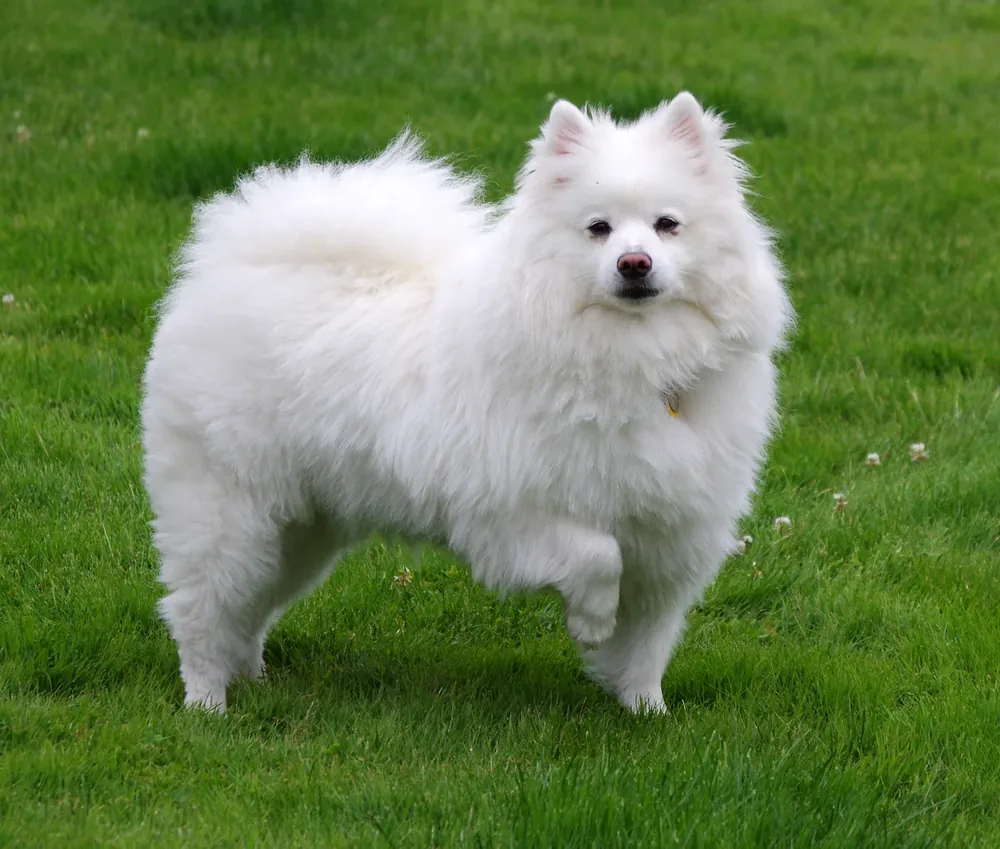
American Eskimo Dog
American Eskimo Dog cost planning starts with a modest $900 purchase or adoption fee, but the real budget lives in $2,003 of first-year food, vet, and grooming needs. Add $2,204 in one-time setup items and the $4,207 first-year figure comes into focus. After year one, costs settle into a steadier $2,132 rhythm.
Acquisition, surgical desexing, initial vet series, and starter hardware.
Normalized baseline at ~$178/month routine cash burn.
Projected over a 13-year American Eskimo Dog lifespan.
$2,000 Liquid Reserve Mandate
Critical bufferThe Eskie is a generally hardy spitz breed whose main cost drivers are manageable orthopedic and eye conditions rather than a defining expensive syndrome.
Source: MetLife True Cost of Pet Emergencies 2025 (15% of owners hit $3,000+; uninsured surgery $3,000–8,000)
Biometric & phenotypic actuarial spec
Annual Cash Burn Matrix ($2,132/yr)
Continuous operational expenditure distributed across 5 core maintenance categories, indexed to metabolic demand and regional clinical rates.
Food
Vet Care
Grooming
Pet Insurance
Supplies & Toys
Upfront Entry CapEx
Purchase / Adoption Fee ($900), Initial Vet Visit & Vaccinations ($607), Starter Supplies ($437), Training Classes ($260), First Year Food ($299), First Year Vet Care ($577), First Year Grooming ($507), First Year Insurance ($620).
Comprehensive Lifecycle Ledger
Audited financial breakdown distinguishing immediate first-year fixed capitalization from ongoing annualized operating liabilities over the full 12–15 yrs canine lifespan.
| Expenditure Category | Year 01 Outlay | Annual Steady-State | Lifetime Total | Actuarial Sizing Methodology |
|---|---|---|---|---|
| Purchase / Adoption Fee | $900 | — | $900 | Varies by breeder vs rescue |
| Initial Vet Visit & Vaccinations | $607 | — | $607 | Spay/neuter, microchip, health check |
| Starter Supplies | $437 | — | $437 | Bed, crate, collar, bowls, toys |
| Training Classes | $260 | — | $260 | Basic obedience recommended |
| First Year Food | $299 | — | $299 | — |
| First Year Vet Care | $577 | — | $577 | — |
| First Year Grooming | $507 | — | $507 | — |
| First Year Insurance | $620 | — | $620 | — |
| Food | — | $299 | $3,887 | — |
| Vet Care | — | $577 | $7,501 | — |
| Grooming | — | $507 | $6,591 | — |
| Pet Insurance | — | $620 | $8,060 | — |
| Supplies & Toys | — | $129 | $1,677 | — |
| Gross Actuarial Expenditure | $4,207 | $2,132 / yr | $29,791 | Unadjusted baseline |
Actuarial Health Risk Profile (Tier 2)
The Eskie is a generally hardy spitz breed whose main cost drivers are manageable orthopedic and eye conditions rather than a defining expensive syndrome.
Hip Dysplasia
Malformed hip joints can cause lameness and arthritis, especially in standard-size Eskies, sometimes requiring imaging and long-term joint management.
Progressive retinal atrophy
A gradual, inherited degeneration of the retina that can lead to blindness and typically warrants periodic ophthalmologic screening.
Luxating patella
A kneecap that slips out of place is common in small and toy spitz breeds and can range from occasional skips to surgical correction.
Hypothyroidism
An underactive thyroid can show up as weight gain, poor coat quality, and lethargy, and needs lifelong daily medication once diagnosed.
What Truly Drives the American Eskimo Dog’s Financial Profile
About the American Eskimo Dog and its cost
American Eskimo Dog cost reflects a small-to-medium spitz breed bred as a companion and watchdog, prized for its bright white double coat and alert temperament. Prices vary by size variety (toy, miniature, or standard) and breeder reputation, and adoption through rescues is usually the cheaper route. Because the breed is generally healthy, most owners spend more on routine upkeep, food, and grooming than on unexpected veterinary bills, though a portion of every year's budget should still be reserved for the eye and joint issues seen in the line.
What drives American Eskimo Dog costs
The double coat is the single biggest recurring driver, requiring regular brushing and periodic professional grooming to prevent matting and manage seasonal shedding. Size also matters: standard-size dogs eat more and may face a higher hip dysplasia risk than toy or miniature Eskies. Add in routine screening for progressive retinal atrophy and patellar luxation, plus lifelong thyroid monitoring for dogs that develop hypothyroidism, and the ongoing vet line stays a meaningful part of the annual budget.
American Eskimo Dog first-year budget
The first year starts with $900 to acquire the dog, followed by $607 for initial vaccinations and a wellness exam, plus $437 for a crate, bed, bowls, and coat-care tools. Basic $260 helps establish good habits early, especially given the breed's alert, vocal nature. Together these one-time costs form the $2,204. Add recurring $299, $577, and $507 costs across the year, which combine into the $2,003, and the full $4,207 reflects everything a new Eskie owner should plan for.
American Eskimo Dog yearly cost after year one
Once the one-time setup costs are behind you, ongoing expenses settle into $299, $577, $507, $620, and $129 each year. Grooming remains a steady line item because of the double coat, while routine vet visits cover screening for the breed's known eye and joint issues. Combined, these recurring costs make up the $2,132, which averages out to a $178 figure that's easier to budget around month to month.
Emergency fund for an American Eskimo Dog
Because progressive retinal atrophy, hip dysplasia, and luxating patella can each require diagnostic imaging or surgery, a dedicated $2,000 reserve gives you room to act quickly without financial strain. This reserve is a smaller share of the $29,791 than it would be for a breed prone to a single expensive defining syndrome, reflecting the Eskie's overall resilience. Even so, an eye workup with a veterinary ophthalmologist or a patella repair can arrive without warning, so keeping this fund liquid and untouched for routine expenses matters more than its exact size. Owners who treat the reserve as separate from everyday spending are far less likely to delay care when a symptom first appears.
Cutting American Eskimo Dog costs
The clearest way to manage the $2,132 is to stay consistent with preventive care so small issues are caught before they become expensive emergencies. Coat care handled mostly at home, rather than relying entirely on professional grooming, also keeps the $178 figure lower without compromising the dog's health. Over a lifespan that can reach well into the teens, these habits meaningfully reduce the $29,791.
5 Prudent Ways to Cut American Eskimo Dog Costs
Adopt through breed rescue
American Eskimo Dog rescues and shelters place adult dogs for a fraction of breeder pricing, often with vaccinations and spay or neuter already done. This can cut the one-time purchase line substantially.
Learn basic coat maintenance
Brushing a few times a week at home reduces how often you need a professional groomer. A slicker brush and undercoat rake are inexpensive tools that pay for themselves quickly.
Bundle preventive vet visits
Combine annual exams, vaccinations, and screening for eye and joint issues into a single visit where possible. Fewer separate trips means fewer exam fees stacking up.
Buy food in bulk from reputable retailers
A small-to-medium dog's food needs are moderate, so buying larger bags or subscribing for recurring delivery discounts trims the monthly food line without changing quality.
Enroll in pet insurance early
Because progressive retinal atrophy and hip dysplasia can become costly if they progress, insuring a young, healthy Eskie locks in lower premiums before any conditions are diagnosed.
Peer Class Financial Comparisons
How the American Eskimo Dog compares to morphological peers on annualized ownership cost.
American Eskimo Dog
Frequently Asked Financial Questions
How much does an American Eskimo Dog cost from a breeder?
How much does it cost to feed an American Eskimo Dog per month?
What is the lifetime cost of owning an American Eskimo Dog?
How much are American Eskimo Dog adoption fees?
Is an American Eskimo Dog expensive to own?
How much does American Eskimo Dog grooming cost?
Does pet insurance make sense for an American Eskimo Dog?
What emergency savings should I have for an American Eskimo Dog?
Data sources
- American Eskimo Dog Breed Standard — AKC (akc.org)
- American Eskimo Dog — Wikipedia (en.wikipedia.org)
- Section 3: Average Pet Insurance Premiums — NAPHIA (naphia.org)
- Caring for Your Dog's Skin and Coat — ASPCA (aspca.org)
Calculate Your American Eskimo Dog Cost Adjusted by Metro ZIP Code
Veterinary surgical tariffs and clinical room rates vary widely between metropolitan regions and rural counties. Recalculate this dossier with your exact state, city, and lifestyle parameters.