
How Much Does a Pomeranian Cost Per Year?
Pomeranian cost starts with a modest purchase price but adds up through grooming, dental care and vet visits, totaling $4,348 in year one and $2,042 a year after. Their small size keeps food cheap, while knee and airway problems drive the larger bills.
Executive cost summary
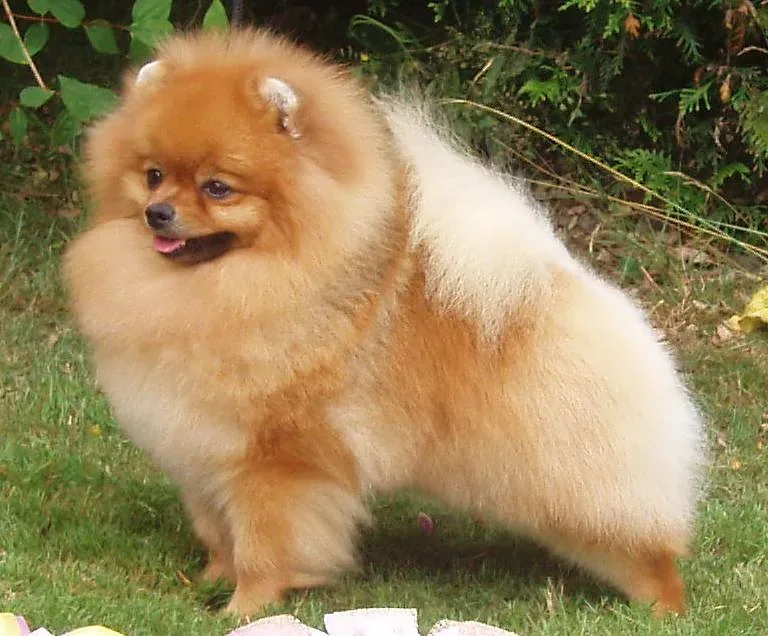
Pomeranian
Pomeranian cost starts with a modest purchase price but adds up through grooming, dental care and vet visits, totaling $4,348 in year one and $2,042 a year after. Their small size keeps food cheap, while knee and airway problems drive the larger bills.
Acquisition, surgical desexing, initial vet series, and starter hardware.
Normalized baseline at ~$170/month routine cash burn.
Projected over a 14-year Pomeranian lifespan.
$2,000 Liquid Reserve Mandate
Critical bufferToy-breed orthopaedic and airway predispositions (patellar luxation, tracheal collapse) plus a congenital heart risk create recurring and surgical costs.
Source: MetLife True Cost of Pet Emergencies 2025 (15% of owners hit $3,000+; uninsured surgery $3,000–8,000)
Biometric & phenotypic actuarial spec
What a Pomeranian costs, year by year
Cumulative spend across a 14-year life in today's dollars, with the same curve at 3% and 8% yearly inflation. Year 1 carries the acquisition and setup bill.
- Food & nutrition
- Vet & insurance
- Grooming & coat
- Setup & sundries
- - - - at 3% inflation: $37,196
- · · · at 8%: $51,753
Where the big bills land
Bars are routine one-off vet events (vaccine boosters, dental cleanings, bloodwork, spay/neuter). Diamonds are sourced condition treatments for this breed.
21st percentile
39th percentile
Ranked against 265 other dog breeds in this directory.
View as a table
| Year | Spend | Cumulative | Routine vet events |
|---|---|---|---|
| 1 | $4,348 | $4,348 | $695 |
| 2 | $2,042 | $6,390 | $77 |
| 3 | $2,042 | $8,432 | $543 |
| 4 | $2,042 | $10,474 | $164 |
| 5 | $2,042 | $12,516 | $620 |
| 6 | $2,042 | $14,558 | $164 |
| 7 | $2,042 | $16,600 | $543 |
| 8 | $2,042 | $18,642 | $241 |
| 9 | $2,042 | $20,684 | $543 |
| 10 | $2,042 | $22,726 | $328 |
| 11 | $2,042 | $24,768 | $784 |
| 12 | $2,042 | $26,810 | $328 |
| 13 | $2,042 | $28,852 | $707 |
| 14 | $2,042 | $30,894 | $405 |
- Patellar Luxation: about $2,250 once, from year 1 (Embrace Pet Insurance, Pomeranian dog breed guide (embracepetinsurance.com/dog-breeds/pomeranian), 2026-09, medium confidence)
Annual Cash Burn Matrix ($2,042/yr)
Continuous operational expenditure distributed across 5 core maintenance categories, indexed to metabolic demand and regional clinical rates.
Food
Source: Derived: veterinary MER formula + mid-tier dry kibble price (2026-01)
Vet Care
Source: Modeled estimate, not a sourced figure. Category basis: ASPCA / AAHA routine wellness composite (annual exam, vaccines, parasite control) x size 0.85 x risk 1.1 (2026-01)
Grooming
Source: Modeled estimate, not a sourced figure. Category basis: Rover / PetSmart service menu, short-coat baseline (grooming rating 2) x coat 2.6 (2026-01)
Pet Insurance
Source: Derived: NAPHIA State of the Industry 2025 (2024 data), accident & illness dog average x size 0.8 x risk 1.18 (2026-01)
Supplies & Toys
Source: Derived: Synchrony Pet Lifetime of Care 2025 (toy replacement $50–150/yr) plus routine consumables x size 0.85 (2026-01)
Upfront Entry CapEx
Purchase / Adoption Fee ($1,200), Initial Vet Visit & Vaccinations ($561), Starter Supplies ($404), Training Classes ($260), First Year Food ($92), First Year Vet Care ($617), First Year Grooming ($507), First Year Insurance ($707).
Comprehensive Lifecycle Ledger
Audited financial breakdown distinguishing immediate first-year fixed capitalization from ongoing annualized operating liabilities over the full 12–16 yrs canine lifespan.
| Expenditure Category | Year 01 Outlay | Annual Steady-State | Lifetime Total | Actuarial Sizing Methodology |
|---|---|---|---|---|
| Purchase / Adoption Fee | $1,200 | — | $1,200 | Varies by breeder vs rescue |
| Initial Vet Visit & Vaccinations | $561 | — | $561 | Spay/neuter, microchip, health check |
| Starter Supplies | $404 | — | $404 | Bed, crate, collar, bowls, toys |
| Training Classes | $260 | — | $260 | Basic obedience recommended |
| First Year Food | $92 | — | $92 | — |
| First Year Vet Care | $617 | — | $617 | — |
| First Year Grooming | $507 | — | $507 | — |
| First Year Insurance | $707 | — | $707 | — |
| Food | — | $92 | $1,288 | — |
| Vet Care | — | $617 | $8,638 | — |
| Grooming | — | $507 | $7,098 | — |
| Pet Insurance | — | $707 | $9,898 | — |
| Supplies & Toys | — | $119 | $1,666 | — |
| Gross Actuarial Expenditure | $4,348 | $2,042 / yr | $30,894 | Unadjusted baseline |
Actuarial Health Risk Profile (Tier 4)
Toy-breed orthopaedic and airway predispositions (patellar luxation, tracheal collapse) plus a congenital heart risk create recurring and surgical costs.
Patellar Luxation
The kneecap slips out of its groove, causing skipping gait and, in worse grades, needing surgery.
- Typical treatment cost (one-time)
- $1,500–$3,000
Typically appears at age 0.3–0.5
medium confidence · Embrace Pet Insurance, Pomeranian dog breed guide, 2026-09
Patent ductus arteriosus
A fetal blood vessel fails to close after birth, a congenital heart defect that usually needs corrective surgery or a catheter procedure.
- Typical treatment cost (one-time)
- $2,500–$5,000
medium confidence · Embrace Pet Insurance, Pomeranian dog breed guide, 2026-09
Collapsed trachea
The windpipe rings weaken and flatten, causing a honking cough that can need lifelong medication or a stent.
Costs are typical for the condition in general, not specific to the Pomeranian. See the Pomeranian cost timeline
What Truly Drives the Pomeranian’s Financial Profile
About the Pomeranian and its cost
Pomeranian cost is dominated by upfront purchase or adoption, followed by a steady mix of grooming, dental care and insurance. The breed weighs only a few pounds, so food and supplies are among the cheapest of any dog. The thick double coat is what pushes recurring spending up, because it needs frequent brushing and periodic professional grooming to avoid matting. Pomeranians are also long-lived, often reaching the mid-teens, so lifetime totals of $30,894 reflect many years of small recurring bills rather than one large one. Buyers who plan for the coat and the vet are rarely surprised.
What drives Pomeranian costs
Size and anatomy shape most of the spending. Patellar luxation is highly prevalent in the breed, and moderate to severe cases end in surgery on one or both knees. Collapsed trachea causes a honking cough and can require lifelong medication, with a stent in severe cases. Some Pomeranians are born with patent ductus arteriosus, a heart defect that is costly to correct but often curable. Small mouths crowd teeth, so dental disease and cleanings under anesthesia recur through life. Alopecia X, a coat condition, is cosmetic but can lead to repeated testing and treatment.
A heart defect and a collapsing windpipe
Pomeranians weigh 3 to 7 pounds and their costs come from that scale. Patent ductus arteriosus, a fetal vessel that fails to close, is corrected surgically for $2,500 to $5,000 on this page's data, and a breeder's heart check on puppies is how you learn of it early. Patellar luxation runs $1,500 to $3,000. Collapsed trachea causes a honking cough and is managed with medication, weight control and a harness instead of a collar. The fluffy double coat needs brushing several times a week, and the dog lives to about 14 years, so these costs stretch over a long life.
Pomeranian first-year budget
The first year is the most expensive. One-time setup totals $2,425, including $1,200 for the puppy, $561 for the first exam and vaccines, $404 for a crate, harness and bowls, and $260 for classes. Recurring first-year spending adds $1,923: $92 for small-breed food, $617 for vet care, $507 for coat care and $707 for coverage. Together that is $4,348. The puppy price varies most, and rescue adoption can lower it considerably.
Pomeranian yearly cost after year one
Once the setup costs are behind you, a Pomeranian settles into a steady yearly budget of $2,042, or about $170 a month. That covers $92 for food, $617 for vet care, $507 for grooming, $707 for insurance and $119 for toys and replacement supplies. Grooming and insurance are the biggest levers. Food is small because the dog eats very little. Expect the vet line to rise in later years as dental disease and age-related heart or airway issues appear.
Emergency fund for a Pomeranian
A reserve of $2,000 is sensible for a Pomeranian. The conditions that set the risk tier are patellar luxation, which often ends in knee surgery, collapsed trachea, which can need long-term medication or a stent, and congenital heart defects that are best addressed early. Insurance may reimburse much of these bills, but deductibles and waiting periods still apply. Across a full lifetime of $30,894, one surgical event is the most likely reason to draw on this fund, so keep it separate and untouched.
Cutting Pomeranian costs
Savings come from prevention more than from cutting corners. Keeping teeth clean, weight lean and the coat brushed lowers the odds of the expensive visits that push spending above $2,042 a year. Compare grooming quotes and learn to trim between sessions, which can bring the monthly figure of $170 down. Buying from a breeder who health-tests parents for knee and heart issues costs more up front but tends to reduce vet spending across the $30,894 lifetime. Adoption is another route worth checking.
6 Prudent Ways to Cut Pomeranian Costs
Insure while young
Enroll your puppy before any knee or heart issue is diagnosed, since these become pre-existing conditions. Compare deductibles and reimbursement levels rather than only the monthly premium.
Brush the coat at home
Frequent brushing between professional sessions prevents mats and lets you space out groomer visits. A good brush and comb pay for themselves quickly.
Brush the teeth daily
Small mouths trap plaque, and cleanings under anesthesia are a major recurring bill. Daily brushing and approved dental chews can push cleanings further apart.
Use a harness, not a collar
A harness reduces pressure on the trachea, which helps protect a breed prone to tracheal collapse. It costs little and may avoid expensive airway treatment.
Keep weight lean
Extra weight strains small knees and airways. Measured portions of a small-breed food keep food spending low and reduce the chance of orthopaedic care.
Skip the teacup premium
Teacup Pomeranian is a marketing term, not an official size, and extra-small puppies are often sold at higher prices with higher risks of fragility and dental and hypoglycemia problems. A standard toy Pomeranian at the $1,200 price on this page is usually the safer buy.
Peer Class Financial Comparisons
How the Pomeranian compares to morphological peers on annualized ownership cost.
Pomeranian
Frequently Asked Financial Questions
How much does a pomeranian cost per month?
Is a pomeranian expensive to own?
What are the yearly costs of owning a pomeranian?
How much are pomeranian vet bills?
Do pomeranians need pet insurance?
Is a pomeranian puppy price the biggest expense?
How much does grooming a pomeranian cost?
How long do Pomeranians live?
How much does a teacup Pomeranian cost?
How much does a Pomeranian Chihuahua mix cost?
How often does a Pomeranian need a haircut?
Why does my Pomeranian honk when it coughs?
Do Pomeranians need haircuts?
Related reading
Data sources
- Pomeranian dog breed — Wikipedia (en.wikipedia.org)
- Pomeranian breed information — American Kennel Club (akc.org)
Calculate Your Pomeranian Cost Adjusted by Metro ZIP Code
Veterinary surgical tariffs and clinical room rates vary widely between metropolitan regions and rural counties. Recalculate this dossier with your exact state, city, and lifestyle parameters.