
How Much Does a Papillon Cost Per Year?
Papillon cost is driven mostly by food, grooming and vet care over a long lifespan, since the breed is small and eats little. Expect $4,038 in year one and about $1,732 a year after that. Dental care and knee problems are the usual surprise bills.
Executive cost summary
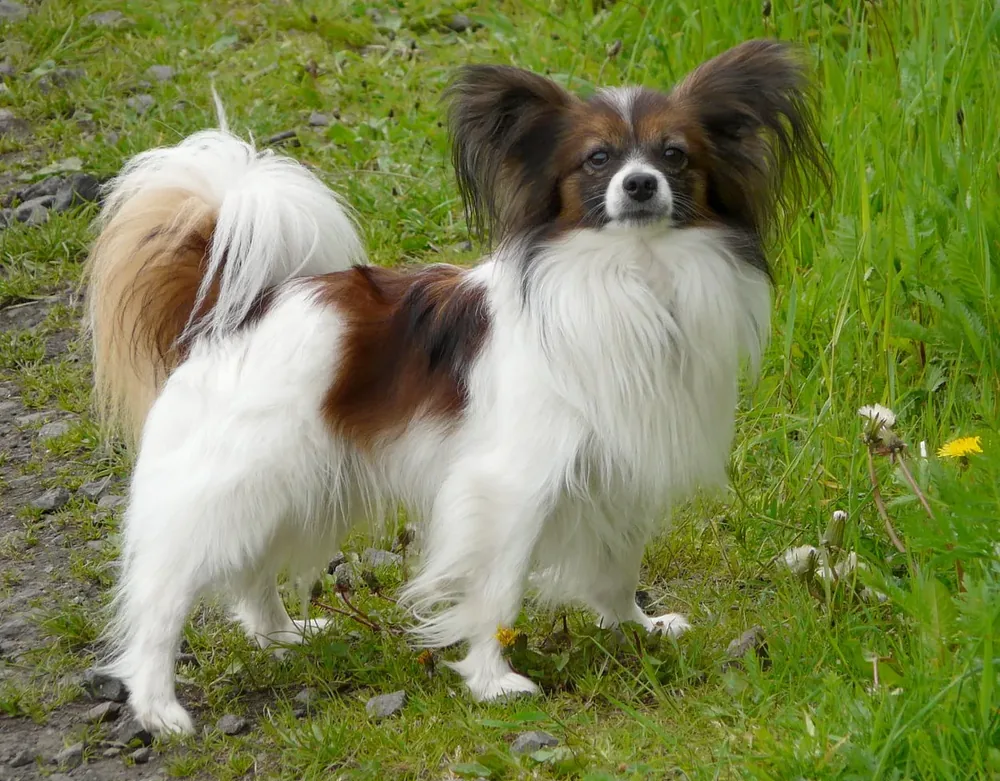
Papillon
Papillon cost is driven mostly by food, grooming and vet care over a long lifespan, since the breed is small and eats little. Expect $4,038 in year one and about $1,732 a year after that. Dental care and knee problems are the usual surprise bills.
Acquisition, surgical desexing, initial vet series, and starter hardware.
Normalized baseline at ~$144/month routine cash burn.
Projected over a 14-year Papillon lifespan.
$2,000 Liquid Reserve Mandate
Critical bufferToy-breed patellar luxation, crowded teeth and tracheal collapse add recurring vet cost, but the breed is long-lived and otherwise sturdy.
Source: MetLife True Cost of Pet Emergencies 2025 (15% of owners hit $3,000+; uninsured surgery $3,000–8,000)
Biometric & phenotypic actuarial spec
What a Papillon costs, year by year
Cumulative spend across a 14-year life in today's dollars, with the same curve at 3% and 8% yearly inflation. Year 1 carries the acquisition and setup bill.
- Food & nutrition
- Vet & insurance
- Grooming & coat
- Setup & sundries
- - - - at 3% inflation: $31,900
- · · · at 8%: $44,246
Where the big bills land
Bars are routine one-off vet events (vaccine boosters, dental cleanings, bloodwork, spay/neuter). Diamonds are sourced condition treatments for this breed.
6th percentile
9th percentile
Ranked against 265 other dog breeds in this directory.
View as a table
| Year | Spend | Cumulative | Routine vet events |
|---|---|---|---|
| 1 | $4,038 | $4,038 | $695 |
| 2 | $1,732 | $5,770 | $77 |
| 3 | $1,732 | $7,502 | $543 |
| 4 | $1,732 | $9,234 | $164 |
| 5 | $1,732 | $10,966 | $620 |
| 6 | $1,732 | $12,698 | $164 |
| 7 | $1,732 | $14,430 | $543 |
| 8 | $1,732 | $16,162 | $241 |
| 9 | $1,732 | $17,894 | $543 |
| 10 | $1,732 | $19,626 | $328 |
| 11 | $1,732 | $21,358 | $784 |
| 12 | $1,732 | $23,090 | $328 |
| 13 | $1,732 | $24,822 | $707 |
| 14 | $1,732 | $26,554 | $405 |
- Patellar Luxation: about $3,000 once, from year 2 (MetLife Pet Insurance, Luxating Patella in Dogs & Surgery Costs (metlifepetinsurance.com/blog/pet-health/luxating-patella-in-dogs/), 2025-09, medium confidence)
Annual Cash Burn Matrix ($1,732/yr)
Continuous operational expenditure distributed across 5 core maintenance categories, indexed to metabolic demand and regional clinical rates.
Food
Source: Derived: veterinary MER formula + mid-tier dry kibble price (2026-01)
Vet Care
Source: Modeled estimate, not a sourced figure. Category basis: ASPCA / AAHA routine wellness composite (annual exam, vaccines, parasite control) x size 0.85 x risk 1 (2026-01)
Grooming
Source: Modeled estimate, not a sourced figure. Category basis: Rover / PetSmart service menu, short-coat baseline (grooming rating 2) x coat 1.6 (2026-01)
Pet Insurance
Source: Derived: NAPHIA State of the Industry 2025 (2024 data), accident & illness dog average x size 0.8 x risk 1 (2026-01)
Supplies & Toys
Source: Derived: Synchrony Pet Lifetime of Care 2025 (toy replacement $50–150/yr) plus routine consumables x size 0.85 (2026-01)
Upfront Entry CapEx
Purchase / Adoption Fee ($1,200), Initial Vet Visit & Vaccinations ($561), Starter Supplies ($404), Training Classes ($260), First Year Food ($141), First Year Vet Care ($561), First Year Grooming ($312), First Year Insurance ($599).
Comprehensive Lifecycle Ledger
Audited financial breakdown distinguishing immediate first-year fixed capitalization from ongoing annualized operating liabilities over the full 13–16 yrs canine lifespan.
| Expenditure Category | Year 01 Outlay | Annual Steady-State | Lifetime Total | Actuarial Sizing Methodology |
|---|---|---|---|---|
| Purchase / Adoption Fee | $1,200 | — | $1,200 | Varies by breeder vs rescue |
| Initial Vet Visit & Vaccinations | $561 | — | $561 | Spay/neuter, microchip, health check |
| Starter Supplies | $404 | — | $404 | Bed, crate, collar, bowls, toys |
| Training Classes | $260 | — | $260 | Basic obedience recommended |
| First Year Food | $141 | — | $141 | — |
| First Year Vet Care | $561 | — | $561 | — |
| First Year Grooming | $312 | — | $312 | — |
| First Year Insurance | $599 | — | $599 | — |
| Food | — | $141 | $1,974 | — |
| Vet Care | — | $561 | $7,854 | — |
| Grooming | — | $312 | $4,368 | — |
| Pet Insurance | — | $599 | $8,386 | — |
| Supplies & Toys | — | $119 | $1,666 | — |
| Gross Actuarial Expenditure | $4,038 | $1,732 / yr | $26,554 | Unadjusted baseline |
Actuarial Health Risk Profile (Tier 3)
Toy-breed patellar luxation, crowded teeth and tracheal collapse add recurring vet cost, but the breed is long-lived and otherwise sturdy.
Patellar Luxation
The kneecap slips out of its groove, causing skipping gait and, in worse grades, needing corrective surgery.
- Typical treatment cost (one-time)
- $1,000–$5,000
Typically appears at age 0–1
medium confidence · MetLife Pet Insurance, Luxating Patella in Dogs & Surgery Costs, 2025-09
Dental disease
Small jaws and crowded teeth let plaque build fast, leading to periodontal disease and extractions.
- Typical treatment cost (per year)
- $350–$1,500
medium confidence · PetMD, How Much Does Dog Teeth Cleaning Cost?, 2025-10
Collapsing Trachea
The windpipe flattens, causing a honking cough; most cases are managed with medication, severe ones need a stent.
- Typical treatment cost (one-time)
- $2,000–$5,000
medium confidence · Embrace Pet Insurance, Tracheal Collapse in Dogs, 2026-09
Costs are typical for the condition in general, not specific to the Papillon. See the Papillon cost timeline
What Truly Drives the Papillon’s Financial Profile
About the Papillon and its cost
The Papillon is a butterfly-eared toy spaniel that lives well into its teens, so the papillon cost that matters most is the steady yearly one, not the purchase price. Adults are tiny, which keeps food spending low, and the fine single coat mats less than a double coat but still needs regular brushing. The breed is bright and eager, so training is usually quick, though an active dog benefits from classes early on. Buying from a breeder who screens kneecaps and eyes costs more up front and can prevent expensive problems later. Budget for $1,200 at acquisition.
What drives Papillon costs
Size keeps medication, anesthesia and food costs modest, but the health profile pushes vet spending up in specific ways. Crowded teeth in a small jaw mean plaque builds quickly, so professional cleanings and the occasional extraction are close to certain. Patellar luxation is common in toy breeds and can range from a harmless skip to a surgical repair on one or both knees. Some Papillons develop a collapsing trachea, a honking cough that is usually managed with medication but can need a stent. Inherited eye disease is a further, less frequent risk. Together these justify a real reserve and a look at insurance.
Light bones, long life
The Papillon is a 5 to 10 pound dog with a typical 14-year life, and its bills are the small-dog trio. Dental disease runs $350 to $1,500 for cleanings and extractions. Patellar luxation costs $1,000 to $5,000 if surgery is needed. Collapsing trachea, with a honking cough, costs $2,000 to $5,000 when severe, and a harness instead of a collar protects the windpipe. The breed's fine, feathered coat mats less than many long-haired dogs, so grooming is mostly home brushing. Annual cost is $1,732.
Papillon first-year budget
The first year is the most expensive. One-time setup comes to $2,425, built from the purchase or adoption price of $1,200, an initial vet and vaccination series of $561, starter supplies of $404 and puppy training of $260. On top of that, recurring costs for the year add $1,613, covering $141 for food, $561 for vet care, $312 for grooming and $599 for insurance. Altogether the first year totals $4,038.
Papillon yearly cost after year one
Once setup is done, a Papillon costs $1,732 a year, or $144 a month. That is made up of $141 for food, $561 for vet care, $312 for grooming, $599 for insurance and $119 for supplies and toys. Food is the smallest line for a dog this size, while dental care and grooming tend to be the lines that grow as the dog ages into its teens.
Emergency fund for a Papillon
A reserve of $2,000 covers the likeliest large bills for this breed. Kneecap surgery is the clearest one, and a collapsing trachea that needs a stent is another. Dental disease can also turn into multiple extractions under anesthesia. Because Papillons often live well into their teens, the $26,554 lifetime estimate leaves room for these events, but an insurance policy can make the reserve last longer.
Cutting Papillon costs
The biggest lever is prevention. Steady dental care, healthy weight and a harness keep the most common problems from becoming surgeries, and those savings add up across a lifespan that tips $26,554. Trimming the yearly $1,732 further is mostly about doing routine grooming at home and comparing insurance quotes each renewal. A small dog also means bulk food buys go a long way, but avoid stockpiling past the expiry date.
5 Prudent Ways to Cut Papillon Costs
Brush teeth every day
Daily brushing slows plaque, which is the main way to delay costly cleanings and extractions. Start as a puppy so the routine is easy. Pair it with vet-approved dental chews.
Use a harness, not a collar
A harness avoids pressure on the throat, which matters for a breed prone to a collapsing trachea. It costs little and can reduce coughing episodes. Ask your vet about the right fit.
Insure early
Enrol while your dog is young and healthy, before kneecap or airway signs are recorded as pre-existing. Compare accident and illness plans with dental riders. Check reimbursement and deductible terms.
Groom at home between visits
Brush the feathering and ears several times a week to prevent mats. This stretches the gap between professional grooming appointments. Buy a good comb once rather than replacing cheap ones.
Ask about breeder screening
Choose a breeder who tests kneecaps and eyes and shares results. A healthier line lowers the odds of surgery. Get the paperwork in writing.
Peer Class Financial Comparisons
How the Papillon compares to morphological peers on annualized ownership cost.
Papillon
Frequently Asked Financial Questions
How much does a papillon cost per month?
Is a papillon expensive to own?
What are the yearly costs of owning a papillon?
How much are papillon vet bills?
Do papillons need pet insurance?
How much does a papillon puppy cost?
How much does papillon grooming cost?
Are Papillons easy to groom?
Should a Papillon wear a harness?
Data sources
- Papillon breed profile — AKC (akc.org)
- Patellar Luxation — OFA (ofa.org)
- Dental Disease in Dogs — VCA Animal Hospitals (vcahospitals.com)
Calculate Your Papillon Cost Adjusted by Metro ZIP Code
Veterinary surgical tariffs and clinical room rates vary widely between metropolitan regions and rural counties. Recalculate this dossier with your exact state, city, and lifestyle parameters.