
Husky Cost & Ownership Dossier
Husky cost is moderate for a dog this active, with $4,741 covering the puppy, initial vetting, and the sturdy fencing and gear a runner needs. Ongoing care settles near $207 once the vaccine series tapers, though heavy seasonal shedding and a big appetite keep the grooming and food lines steady. Budget $34,573 across a lifespan that typically reaches the low teens.
Executive cost summary
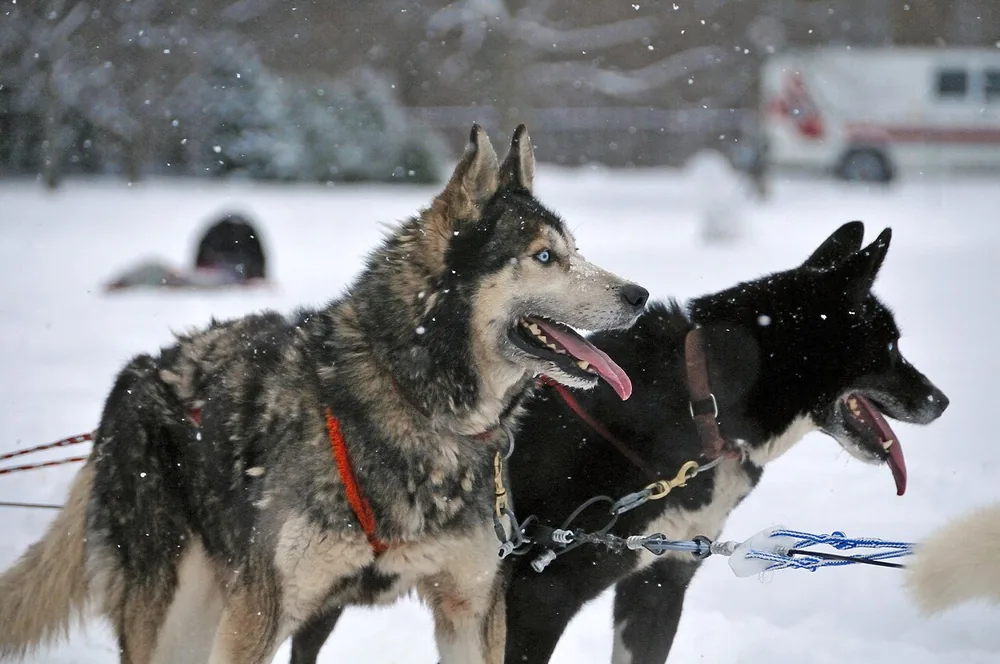
Husky
Husky cost is moderate for a dog this active, with $4,741 covering the puppy, initial vetting, and the sturdy fencing and gear a runner needs. Ongoing care settles near $207 once the vaccine series tapers, though heavy seasonal shedding and a big appetite keep the grooming and food lines steady. Budget $34,573 across a lifespan that typically reaches the low teens.
Acquisition, surgical desexing, initial vet series, and starter hardware.
Normalized baseline at ~$207/month routine cash burn.
Projected over a 13-year Husky lifespan.
$3,000 Liquid Reserve Mandate
Critical bufferInherited eye disease and occasional joint and thyroid problems add real but mostly monitored, low-frequency vet spend, while the breed's lean build, moderate size, and lack of cardiac or brachycephalic burden keep it near the breed average.
Source: MetLife True Cost of Pet Emergencies 2025 (15% of owners hit $3,000+; uninsured surgery $3,000–8,000)
Biometric & phenotypic actuarial spec
Annual Cash Burn Matrix ($2,486/yr)
Continuous operational expenditure distributed across 5 core maintenance categories, indexed to metabolic demand and regional clinical rates.
Food
Vet Care
Grooming
Pet Insurance
Supplies & Toys
Upfront Entry CapEx
Purchase / Adoption Fee ($1,000), Initial Vet Visit & Vaccinations ($660), Starter Supplies ($475), Training Classes ($260), First Year Food ($625), First Year Vet Care ($660), First Year Grooming ($312), First Year Insurance ($749).
Comprehensive Lifecycle Ledger
Audited financial breakdown distinguishing immediate first-year fixed capitalization from ongoing annualized operating liabilities over the full 12–14 yrs canine lifespan.
| Expenditure Category | Year 01 Outlay | Annual Steady-State | Lifetime Total | Actuarial Sizing Methodology |
|---|---|---|---|---|
| Purchase / Adoption Fee | $1,000 | — | $1,000 | Varies by breeder vs rescue |
| Initial Vet Visit & Vaccinations | $660 | — | $660 | Spay/neuter, microchip, health check |
| Starter Supplies | $475 | — | $475 | Bed, crate, collar, bowls, toys |
| Training Classes | $260 | — | $260 | Basic obedience recommended |
| First Year Food | $625 | — | $625 | — |
| First Year Vet Care | $660 | — | $660 | — |
| First Year Grooming | $312 | — | $312 | — |
| First Year Insurance | $749 | — | $749 | — |
| Food | — | $625 | $8,125 | — |
| Vet Care | — | $660 | $8,580 | — |
| Grooming | — | $312 | $4,056 | — |
| Pet Insurance | — | $749 | $9,737 | — |
| Supplies & Toys | — | $140 | $1,820 | — |
| Gross Actuarial Expenditure | $4,741 | $2,486 / yr | $34,573 | Unadjusted baseline |
Actuarial Health Risk Profile (Tier 3)
Inherited eye disease and occasional joint and thyroid problems add real but mostly monitored, low-frequency vet spend, while the breed's lean build, moderate size, and lack of cardiac or brachycephalic burden keep it near the breed average.
Hereditary cataracts
Juvenile cataracts cloud the lens in young Huskies and may need surgery, or lifelong monitoring by a veterinary ophthalmologist, to protect sight.
Progressive Retinal Atrophy
The retina slowly degenerates, leading to night blindness and eventually total vision loss; there is no cure, so cost comes from diagnosis and ongoing eye exams.
Hip Dysplasia
A loose hip joint that wears into arthritis; less common in Huskies than in many large breeds but still a source of imaging, joint supplements, and occasional surgery.
Hypothyroidism
An underactive thyroid causes weight gain, lethargy, and coat thinning, and is managed with daily medication plus periodic bloodwork for life.
What Truly Drives the Husky’s Financial Profile
About the Husky and its cost
Husky cost reflects a northern sled dog bred to pull light loads over long distances on modest food, which shows up as a lean, athletic, medium-sized frame. The Husky puppy price varies with breeder reputation and coat color, but the purchase is only the first line in the budget. What follows is food for a very active dog, sturdy gear, secure fencing, and a steady stream of grooming tools for a coat that sheds heavily twice a year. The breed is generally robust, so most spending is predictable maintenance rather than repeated crises, which makes monthly budgeting easier than with many purebreds.
What drives Husky costs
Spending on this breed is driven less by illness than by lifestyle. Inherited eye conditions such as juvenile cataracts and progressive retinal atrophy call for periodic ophthalmologist exams and, in some dogs, surgery. Hip dysplasia and hypothyroidism appear less often but add imaging, medication, and bloodwork when they do. Size matters too: a medium-large working dog eats more than a small companion, needs bigger doses of preventives, and costs more to board. Escape attempts, destroyed furniture, and long exercise needs also feed indirect costs like fencing repairs, training, and dog walkers.
Husky first-year budget
The first year is front-loaded. $1,000 secures the puppy from a health-testing breeder or rescue, then $660 covers the vaccine series, spay or neuter, microchip, and early exams. $475 buys a crate, secure harness and leash, bedding, and grooming tools, and $260 pays for puppy classes that channel an independent, escape-prone mind. Recurring lines in year one include $625 for a growing, active dog, $660 for parasite prevention and rechecks, $312 for de-shedding supplies or a salon visit, and $749 if you enroll early. One-time items total $2,395, recurring items $2,346, and the year lands at $4,741.
Husky yearly cost after year one
Once setup is done, the Husky settles into a predictable pattern near $2,486 a year, or about $207 a month. $625 is the largest steady line because this is an athletic, medium-large dog. $749 is the next fixed cost and the one most worth keeping. $660 covers an annual wellness exam, vaccines, parasite control, and periodic bloodwork or eye checks as the dog ages. $312 covers brushes, shampoo, and occasional professional de-shedding, and drops if you do it at home. $140 for replacement harnesses, chew-proof toys, and bedding rounds out the year. An eye or joint procedure sits on top of this baseline.
Emergency fund for a Husky
Keep $3,000 set aside for this breed. The realistic triggers are the tier-driving conditions: cataract surgery or a specialist workup for retinal disease, and orthopedic care if hip dysplasia becomes severe. Hypothyroidism is managed with medication rather than emergencies, but it adds diagnostic bloodwork. An active Husky is also prone to injuries and to swallowing objects while bored, which can mean an urgent visit or surgery. Funding this account early keeps a single bad year from distorting the $34,573 you have planned for, and lets you choose a higher insurance deductible to lower monthly premiums.
Cutting Husky costs
The most controllable lines are grooming and containment. An owner who learns to rake and dry the coat at home removes a recurring salon bill and trims $207 noticeably over the dog's life. Investing early in a solid fence and training prevents the costly escape or property damage that comes from an under-exercised dog. Choosing a breeder who screens parents for eye and hip problems lowers the odds of the expensive procedures that dominate a bad year. Feeding measured portions to hold a lean weight protects the joints and keeps $2,486 stable. Together these habits can shave a meaningful fraction off the $34,573 without cutting care quality.
5 Prudent Ways to Cut Husky Costs
Learn to de-shed at home
A quality undercoat rake and a high-velocity dryer handle the twice-yearly coat blow for far less than repeated salon visits. Brushing weekly the rest of the year keeps loose fur off the furniture and the skin healthy. Never shave a Husky, since the double coat also insulates against heat.
Screen the eyes early
Ask for eye clearances on both parents and schedule an exam with a veterinary ophthalmologist in the first couple of years. Catching cataracts or retinal changes while they are mild lets you plan for the cost instead of reacting to a crisis. Screening also informs your insurance choice.
Invest in fencing and training first
A bored, under-exercised Husky digs, chews, and escapes, and the resulting damage or emergency vet visit costs more than a good fence and a training class. Reliable containment is cheaper than chasing a runaway. Start obedience work early, since the breed is independent rather than eager to please.
Compare insurance while the dog is young
Enroll before any eye or joint problem is noted so those conditions are not excluded as pre-existing. Weigh the lifetime premium stream against your ability to self-fund one eye or orthopedic procedure. A higher deductible cuts the monthly premium if you also hold an emergency reserve.
Feed to a lean weight
Huskies are efficient eaters and tend to hold weight easily on modest portions, so measure meals rather than free-feeding. A lean dog puts less strain on the hips and joints and avoids weight-related vet costs. Buying larger bags of a good food also lowers the per-pound price.
Peer Class Financial Comparisons
How the Husky compares to morphological peers on annualized ownership cost.
Husky
Frequently Asked Financial Questions
How much is a husky per month to own?
Is a husky expensive to own?
What are the yearly costs of owning a husky?
How much are husky vet bills?
Do huskies need pet insurance?
How much is a husky puppy?
Do huskies need professional grooming?
What is the lifetime cost of a husky?
Data sources
- Siberian Husky Dog Breed Information — American Kennel Club (akc.org)
- Siberian Husky — Wikipedia (en.wikipedia.org)
- Cutting Pet Care Costs — ASPCA (aspca.org)
Calculate Your Husky Cost Adjusted by Metro ZIP Code
Veterinary surgical tariffs and clinical room rates vary widely between metropolitan regions and rural counties. Recalculate this dossier with your exact state, city, and lifestyle parameters.