
Javanese Cost & Ownership Dossier
Javanese cat cost tracks closely with its Siamese heritage: a lean, vocal breed that is relatively affordable to acquire but carries a few inherited conditions worth budgeting around. First-year spending typically reaches $2,287, settling to $977 a year, or about $81 a month. Lifetime ownership approaches $13,034.
Executive cost summary
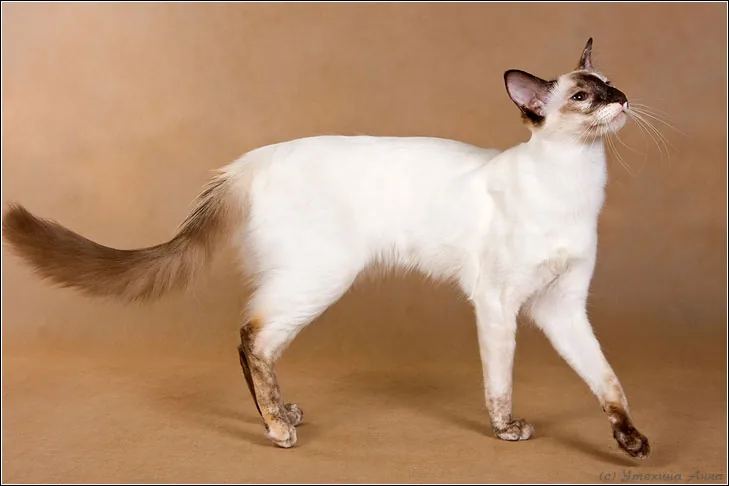
Javanese
Javanese cat cost tracks closely with its Siamese heritage: a lean, vocal breed that is relatively affordable to acquire but carries a few inherited conditions worth budgeting around. First-year spending typically reaches $2,287, settling to $977 a year, or about $81 a month. Lifetime ownership approaches $13,034.
Acquisition, surgical desexing, initial vet series, and starter hardware.
Normalized baseline at ~$81/month routine cash burn.
Projected over a 12-year Javanese lifespan.
$2,000 Liquid Reserve Mandate
Critical bufferClose Siamese ancestry brings a documented amyloidosis and retinal atrophy risk plus crowded-jaw dental issues, pushing this breed above average but short of a defining syndrome.
Source: MetLife True Cost of Pet Emergencies 2025 (15% of owners hit $3,000+; uninsured surgery $3,000–8,000)
Biometric & phenotypic actuarial spec
Annual Cash Burn Matrix ($977/yr)
Continuous operational expenditure distributed across 5 core maintenance categories, indexed to metabolic demand and regional clinical rates.
Food
Vet Care
Grooming
Pet Insurance
Supplies & Toys
Upfront Entry CapEx
Purchase / Adoption Fee ($800), Initial Vet Visit & Vaccinations ($300), Starter Supplies ($260), Litter & Behavior Basics ($40), First Year Food ($226), First Year Vet Care ($260), First Year Grooming ($60), First Year Insurance ($341).
Comprehensive Lifecycle Ledger
Audited financial breakdown distinguishing immediate first-year fixed capitalization from ongoing annualized operating liabilities over the full 10–15 yrs feline lifespan.
| Expenditure Category | Year 01 Outlay | Annual Steady-State | Lifetime Total | Actuarial Sizing Methodology |
|---|---|---|---|---|
| Purchase / Adoption Fee | $800 | — | $800 | Varies by breeder vs rescue |
| Initial Vet Visit & Vaccinations | $300 | — | $300 | Spay/neuter, microchip, health check |
| Starter Supplies | $260 | — | $260 | Litter box, scratching post, carrier, bowls |
| Litter & Behavior Basics | $40 | — | $40 | Litter box training, scratching post basics |
| First Year Food | $226 | — | $226 | — |
| First Year Vet Care | $260 | — | $260 | — |
| First Year Grooming | $60 | — | $60 | — |
| First Year Insurance | $341 | — | $341 | — |
| Food | — | $226 | $2,712 | — |
| Vet Care | — | $260 | $3,120 | — |
| Grooming | — | $60 | $720 | — |
| Pet Insurance | — | $341 | $4,092 | — |
| Supplies & Toys | — | $90 | $1,080 | — |
| Gross Actuarial Expenditure | $2,287 | $977 / yr | $13,034 | Unadjusted baseline |
Actuarial Health Risk Profile (Tier 3)
Close Siamese ancestry brings a documented amyloidosis and retinal atrophy risk plus crowded-jaw dental issues, pushing this breed above average but short of a defining syndrome.
Progressive Retinal Atrophy
A Siamese-lineage eye condition causing gradual vision loss, sometimes requiring genetic testing and specialist ophthalmology visits.
Amyloidosis
An inherited protein-deposit disease seen in Siamese-related breeds that can impair liver or kidney function over time.
Dental disease
The narrow oriental head shape crowds teeth, raising the chance of plaque buildup and the need for periodic professional cleanings.
What Truly Drives the Javanese’s Financial Profile
About the Javanese and its cost
Javanese cat cost sits in the moderate range for a pedigreed longhair because this is essentially an Oriental Longhair with Siamese-style color points, a niche but not exceptionally rare combination. The breed is famously vocal and demands significant interaction, so intending owners should budget $260 for enrichment toys and climbing structures to match its high energy. $800 reflects a specialty breeder fee, and $300 covers the opening exam and vaccine series. First-year spending lands near $2,287, with ongoing engagement costs mattering as much as medical ones for this demanding companion.
What drives Javanese costs
The Javanese shares much of its health profile with the Siamese, including a documented risk of progressive retinal atrophy and amyloidosis, an inherited protein-deposit disease that can affect the liver or kidneys. Both conditions can require specialist ophthalmology or internal medicine referrals, which cost more than routine $260 visits. The narrow oriental skull also crowds teeth, making dental cleanings a recurring need. Because this breed is intensely social, boarding costs when traveling tend to run higher too, since many facilities charge more for cats needing extra attention. $341 bought early helps offset the retinal and amyloidosis risk specifically.
Javanese first-year budget
One-time costs include $800 for a kitten, $300 for the opening exam and vaccine series, $260 for interactive toys and climbing structures this high-energy breed needs, and $40 for litter and handling basics. These sum to $1,400. Recurring costs add $226, $260 for kitten follow-ups, $60, and $341 enrolled early, for $887. Total first-year spending reaches $2,287. Setting aside a modest cushion beyond these line items covers ordinary first-year surprises, from an unplanned dental check to a minor scrape picked up during normal kitten exploration.
Javanese yearly cost after year one
Mature ownership settles at $977, about $81 a month. $226 and $260 form the bulk of routine spending, with dental checks and periodic eye exams part of the annual visit given this breed's inherited risks. $341 is a meaningful line here because of the amyloidosis and retinal atrophy predispositions. $60 stays modest for the semi-long coat, and $90 covers the steady wear this vocal, active cat puts on enrichment items.
Emergency fund for a Javanese
Keep $2,000 available for this breed's two defining risks: progressive retinal atrophy requiring ophthalmology referral, and amyloidosis affecting liver or kidney function, which needs internal medicine workups. Either can involve specialist costs well above routine care and represent a real share of the $13,034 lifetime total if it develops. Cats are skilled at masking pain, so sudden lethargy, appetite loss, or vomiting deserves an urgent vet visit rather than a wait-and-see approach, since catching a problem early is almost always cheaper than treating it once it has progressed.
Cutting Javanese costs
The clearest saving is choosing a kitten from lines tested clear of amyloidosis and progressive retinal atrophy, which lowers the odds of the costliest possible outcomes for this breed. A daily dental routine slows the tartar buildup this narrow-jawed breed is prone to. Insuring early converts an unpredictable specialist bill into steady contributions toward $81, and meeting this vocal breed's engagement needs directly avoids the stress-related vet visits that under-stimulation can cause.
5 Prudent Ways to Cut Javanese Costs
Ask breeders about amyloidosis and PRA testing
Reputable Javanese and Oriental breeders can share family health history for amyloidosis and progressive retinal atrophy. Choosing a kitten from clear lines lowers the odds of an expensive specialist diagnosis later.
Brush teeth from kittenhood
The narrow oriental jaw crowds teeth more than a typical shorthair, so starting a brushing routine early slows tartar buildup and reduces how often professional cleanings are needed.
Insure before any eye or liver bloodwork is on file
Progressive retinal atrophy and amyloidosis both become pre-existing exclusions once diagnosed. Enroll a young Javanese in accident-and-illness coverage before any specialist workup.
Invest in interactive engagement, not just supervision
This vocal, demanding breed does poorly when under-stimulated, which can lead to stress-related health issues. Puzzle feeders and daily play sessions are cheap insurance against behavioral and medical costs alike.
Choose a boarding sitter familiar with vocal, social breeds
A Javanese left alone or with unfamiliar sitters can become distressed. Finding a consistent, experienced cat sitter avoids both stress-related vet visits and higher last-minute boarding fees.
Peer Class Financial Comparisons
How the Javanese compares to morphological peers on annualized ownership cost.
Javanese
Frequently Asked Financial Questions
How much does a Javanese cat cost?
Are Javanese cats rare and expensive?
What is the average price of a Javanese kitten?
How much does it cost to own a Javanese cat per month?
Do Javanese cats have health problems that cost money?
Is a Javanese cat expensive to insure?
How much attention does a Javanese cat need?
Data sources
- Javanese cat — Wikipedia (en.wikipedia.org)
- Amyloidosis in Cats — Cornell University College of Veterinary Medicine (vet.cornell.edu)
- Dental Disease in Cats — American Veterinary Medical Association (avma.org)
Calculate Your Javanese Cost Adjusted by Metro ZIP Code
Veterinary surgical tariffs and clinical room rates vary widely between metropolitan regions and rural counties. Recalculate this dossier with your exact state, city, and lifestyle parameters.