
How Much Does a Lakeland Terrier Cost?
Lakeland terrier cost is moderate: a purchase price for a well-bred puppy, then steady spending on food and regular coat work. Most owners budget around $4,157 for the first year and about $2,082 a year after that. Keeping $2,000 aside covers the occasional eye, hip, or skin problem.
Executive cost summary
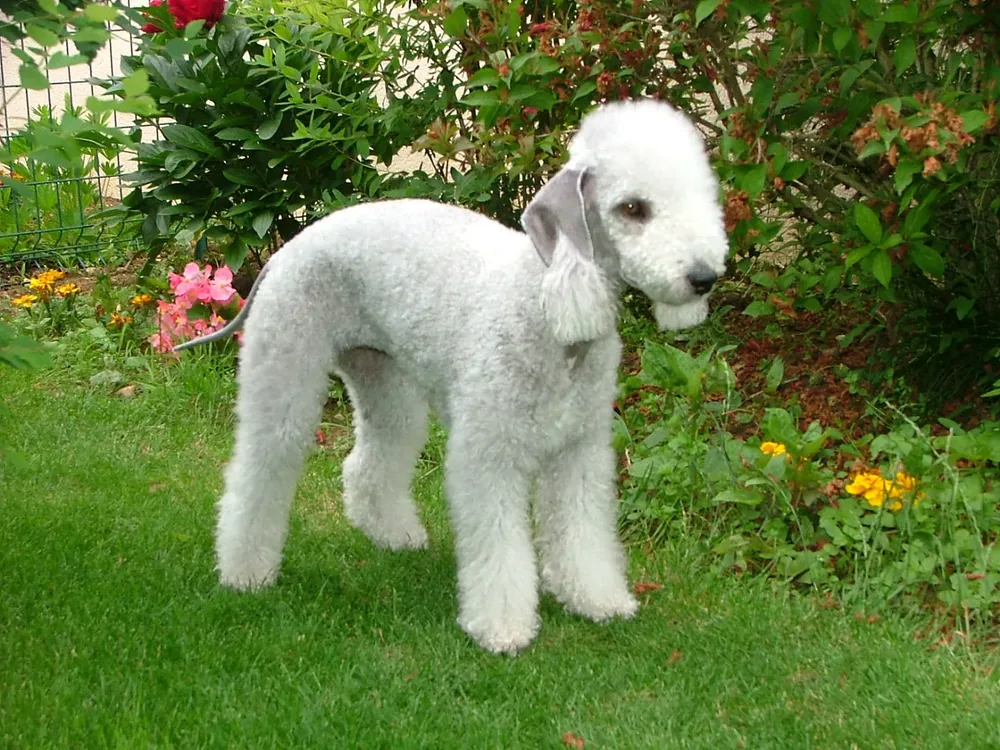
Lakeland Terrier
Lakeland terrier cost is moderate: a purchase price for a well-bred puppy, then steady spending on food and regular coat work. Most owners budget around $4,157 for the first year and about $2,082 a year after that. Keeping $2,000 aside covers the occasional eye, hip, or skin problem.
Acquisition, surgical desexing, initial vet series, and starter hardware.
Normalized baseline at ~$174/month routine cash burn.
Projected over a 14-year Lakeland Terrier lifespan.
$2,000 Liquid Reserve Mandate
Critical bufferA long-lived, sturdy small terrier whose main cost exposure is occasional inherited eye or hip problems and lifelong skin allergy in the minority that develop it.
Source: MetLife True Cost of Pet Emergencies 2025 (15% of owners hit $3,000+; uninsured surgery $3,000–8,000)
Biometric & phenotypic actuarial spec
Annual Cash Burn Matrix ($2,082/yr)
Continuous operational expenditure distributed across 5 core maintenance categories, indexed to metabolic demand and regional clinical rates.
Food
Vet Care
Grooming
Pet Insurance
Supplies & Toys
Upfront Entry CapEx
Purchase / Adoption Fee ($900), Initial Vet Visit & Vaccinations ($607), Starter Supplies ($437), Training Classes ($260), First Year Food ($249), First Year Vet Care ($577), First Year Grooming ($507), First Year Insurance ($620).
Comprehensive Lifecycle Ledger
Audited financial breakdown distinguishing immediate first-year fixed capitalization from ongoing annualized operating liabilities over the full 12–16 yrs canine lifespan.
| Expenditure Category | Year 01 Outlay | Annual Steady-State | Lifetime Total | Actuarial Sizing Methodology |
|---|---|---|---|---|
| Purchase / Adoption Fee | $900 | — | $900 | Varies by breeder vs rescue |
| Initial Vet Visit & Vaccinations | $607 | — | $607 | Spay/neuter, microchip, health check |
| Starter Supplies | $437 | — | $437 | Bed, crate, collar, bowls, toys |
| Training Classes | $260 | — | $260 | Basic obedience recommended |
| First Year Food | $249 | — | $249 | — |
| First Year Vet Care | $577 | — | $577 | — |
| First Year Grooming | $507 | — | $507 | — |
| First Year Insurance | $620 | — | $620 | — |
| Food | — | $249 | $3,486 | — |
| Vet Care | — | $577 | $8,078 | — |
| Grooming | — | $507 | $7,098 | — |
| Pet Insurance | — | $620 | $8,680 | — |
| Supplies & Toys | — | $129 | $1,806 | — |
| Gross Actuarial Expenditure | $4,157 | $2,082 / yr | $31,223 | Unadjusted baseline |
Actuarial Health Risk Profile (Tier 2)
A long-lived, sturdy small terrier whose main cost exposure is occasional inherited eye or hip problems and lifelong skin allergy in the minority that develop it.
Primary lens luxation
An inherited weakness of the fibers holding the eye lens, common in terriers, that can end in glaucoma and surgery or eye removal.
- Typical treatment cost (one-time)
- $1,500–$4,000
Typically appears at age 3–8
medium confidence · PetMD, Primary Lens Luxation in Dogs, 2024-02
Atopic dermatitis
Chronic environmental allergy causing itchy, infection-prone skin that is managed for life rather than cured.
Typically appears at age 0.5–3
medium confidence
Legg-Calve-Perthes Disease
Loss of blood supply to the hip's ball joint in young small dogs, often ending in removal of the femoral head.
- Typical treatment cost (one-time)
- $1,200–$3,000
Typically appears at age 0.4–1
medium confidence · Embrace Pet Insurance, Legg-Calve-Perthes Disease in Dogs, 2026-01
Costs are typical for the condition in general, not specific to the Lakeland Terrier. See the Lakeland Terrier cost timeline
What Truly Drives the Lakeland Terrier’s Financial Profile
About the Lakeland Terrier and its cost
Lakeland terrier cost is shaped by a small, wiry working dog bred in England's Lake District to chase foxes. It stays light, so food, boarding, and dosed medications stay low. The dense wire coat sheds very little but needs stripping or clipping on a regular schedule, which is the largest routine line for most owners. Lakelands are known for long lives, often well into the teens, which spreads early expenses over many years but also means more years of senior vet care. They are lively and need daily exercise, so a fenced yard and sturdy leash gear matter more than expensive toys.
What drives Lakeland Terrier costs
Grooming and vet care drive most of the variation. Professional coat work recurs all year, and costs climb if a groomer charges extra for hand-stripping. On the health side, primary lens luxation is a known terrier eye problem that can turn into an emergency and surgery. Legg-Calve-Perthes disease can strike small puppies and usually means one hip operation, and atopic dermatitis can add monthly medication for life. Because the dog is small, drug doses and anesthesia are modest, so $577 spending stays predictable until one of these conditions appears. Early insurance enrollment keeps $620 affordable before any diagnosis.
Lakeland Terrier first-year budget
The first year is the most expensive. One-time costs include $900 for the puppy, $607 for the first exam, vaccines, and spay or neuter, $437 for a crate, bed, leash, and bowls, and $260 for puppy classes. Recurring first-year lines add $249 for food, $577 for routine care, $507 for coat work, and $620 for coverage. One-time items total $2,204 and recurring lines total $1,953, which brings the first year to $4,157.
Lakeland Terrier yearly cost after year one
Once setup is done, yearly spending settles into food at $249, routine vet care at $577, grooming at $507, insurance at $620, and supplies and toys at $129. Together that is $2,082 a year, or about $174 a month. Grooming is the line most likely to surprise new owners because wire coats need regular professional attention, while food stays low thanks to the dog's small frame. Senior years usually push the vet line up as dental work and screenings become more frequent.
Emergency fund for a Lakeland Terrier
A reserve of $2,000 is a sensible target. The conditions that most often justify it are primary lens luxation, which can require urgent eye surgery, and Legg-Calve-Perthes disease, which usually means hip surgery in a young dog. Insurance can cover part of either bill, but deductibles and reimbursement limits still leave a gap. Over a long life, total spending reaches about $31,223, so the reserve is a small share of that but protects you from paying for surgery on a credit card.
Cutting Lakeland Terrier costs
The biggest lever is coat care, so learn to brush and pull dead hair at home and stretch professional visits. Buying from a health-tested breeder or a rescue can lower risk and up-front cost. Comparing insurance quotes each year, feeding measured portions of a good small-breed diet, and doing dental care at home help too. These steps will not change the tier of risk but can keep $2,082 closer to the low end, about $174 a month, across a lifetime that may reach $31,223.
5 Prudent Ways to Cut Lakeland Terrier Costs
Learn basic coat care
Ask your groomer to show you how to brush and pull dead hair between professional sessions. Doing part of the work at home can stretch the time between appointments and trim $507 spending.
Ask for eye and hip clearances
Choose a breeder who tests parents for lens luxation and can share results. A healthier lineage may cost more up front in $900, but it lowers the chance of emergency eye surgery later.
Insure before symptoms start
Enroll while your dog is young and healthy, since conditions found later are usually excluded. Locking in $620 early protects against the breed's occasional expensive procedures.
Act fast on a red or cloudy eye
A red, painful, or cloudy eye can signal lens luxation or glaucoma. Early treatment can save vision and often costs less than an emergency visit after the eye has been damaged for days.
Keep the dog lean and active
A lean Lakeland has an easier time with joints, skin, and anesthesia. Measure meals and keep up daily walks to hold $249 and $577 lines steady.
Peer Class Financial Comparisons
How the Lakeland Terrier compares to morphological peers on annualized ownership cost.
Lakeland Terrier
Frequently Asked Financial Questions
How much does a lakeland terrier cost per month?
Is a lakeland terrier expensive to own?
What are the yearly costs of owning a lakeland terrier?
How much are lakeland terrier vet bills?
Do lakeland terriers need pet insurance?
How much does a lakeland terrier puppy price look like compared with adoption?
How much does grooming a lakeland terrier cost?
Data sources
- Lakeland Terrier breed profile — American Kennel Club (akc.org)
- Lens Luxation in Dogs — VCA Animal Hospitals (vcahospitals.com)
- Lakeland Terrier — Wikipedia (en.wikipedia.org)
Calculate Your Lakeland Terrier Cost Adjusted by Metro ZIP Code
Veterinary surgical tariffs and clinical room rates vary widely between metropolitan regions and rural counties. Recalculate this dossier with your exact state, city, and lifestyle parameters.