
How Much Does a Welsh Terrier Cost Per Year?
Welsh Terrier cost is moderate for a small breed, with $4,091 covering the puppy, initial vetting, and starter gear. Ongoing care settles near $168, with the wire coat's regular grooming as the main recurring extra. Budget $28,283 across a lifespan that often reaches the mid-teens.
Executive cost summary
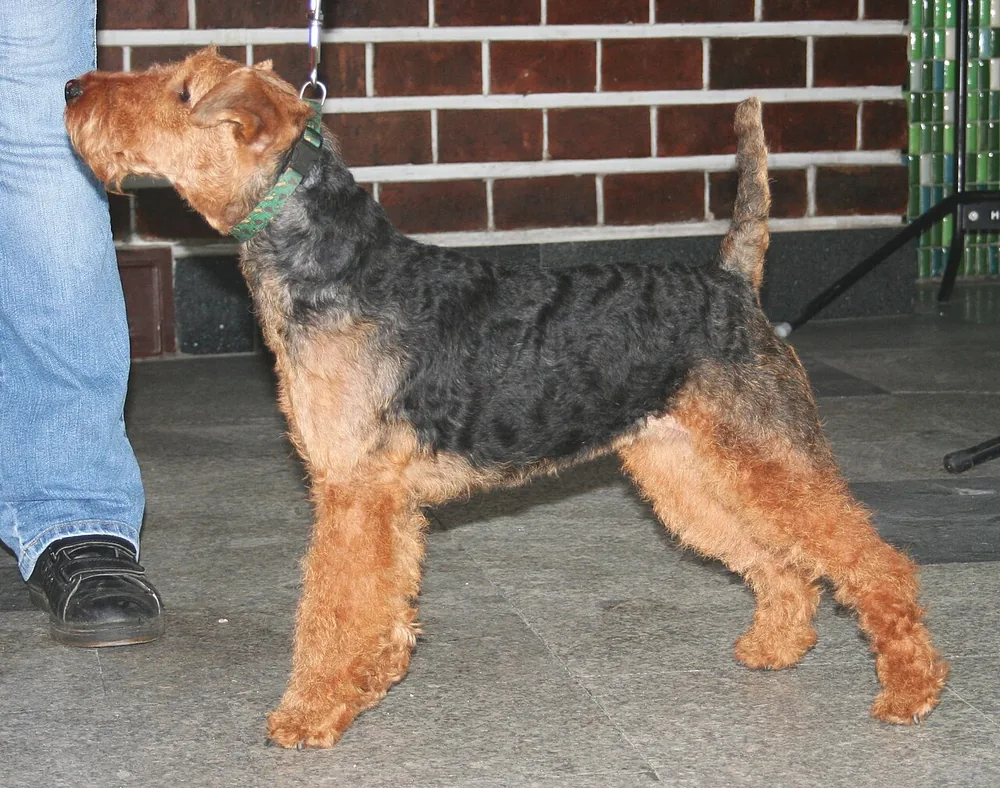
Welsh Terrier
Welsh Terrier cost is moderate for a small breed, with $4,091 covering the puppy, initial vetting, and starter gear. Ongoing care settles near $168, with the wire coat's regular grooming as the main recurring extra. Budget $28,283 across a lifespan that often reaches the mid-teens.
Acquisition, surgical desexing, initial vet series, and starter hardware.
Normalized baseline at ~$168/month routine cash burn.
Projected over a 13-year Welsh Terrier lifespan.
$2,000 Liquid Reserve Mandate
Critical bufferSkin allergies and an inherited eye-luxation risk add recurring and occasionally surgical vet spend, but the breed is small, long-lived, and free of the cancer, cardiac, or major orthopaedic burden that would push it higher.
Source: MetLife True Cost of Pet Emergencies 2025 (15% of owners hit $3,000+; uninsured surgery $3,000–8,000)
Biometric & phenotypic actuarial spec
What a Welsh Terrier costs, year by year
Cumulative spend across a 13-year life in today's dollars, with the same curve at 3% and 8% yearly inflation. Year 1 carries the acquisition and setup bill.
- Food & nutrition
- Vet & insurance
- Grooming & coat
- Setup & sundries
- - - - at 3% inflation: $33,560
- · · · at 8%: $45,410
Where the big bills land
Bars are routine one-off vet events (vaccine boosters, dental cleanings, bloodwork, spay/neuter). Diamonds are sourced condition treatments for this breed.
18th percentile
18th percentile
Ranked against 265 other dog breeds in this directory.
View as a table
| Year | Spend | Cumulative | Routine vet events |
|---|---|---|---|
| 1 | $4,091 | $4,091 | $714 |
| 2 | $2,016 | $6,107 | $77 |
| 3 | $2,016 | $8,123 | $543 |
| 4 | $2,016 | $10,139 | $164 |
| 5 | $2,016 | $12,155 | $620 |
| 6 | $2,016 | $14,171 | $164 |
| 7 | $2,016 | $16,187 | $543 |
| 8 | $2,016 | $18,203 | $241 |
| 9 | $2,016 | $20,219 | $543 |
| 10 | $2,016 | $22,235 | $492 |
| 11 | $2,016 | $24,251 | $784 |
| 12 | $2,016 | $26,267 | $328 |
| 13 | $2,016 | $28,283 | $707 |
- Primary lens luxation: about $2,750 once, from year 7 (PetMD, Primary Lens Luxation in Dogs (petmd.com/dog/conditions/eyes/primary-lens-luxation-dogs), 2024-02, medium confidence)
- Hypothyroidism: about $420 a year, from year 8 (Embrace Pet Insurance, Hypothyroidism in Dogs (embracepetinsurance.com/health/hypothyroidism), 2021-06, medium confidence)
Annual Cash Burn Matrix ($2,016/yr)
Continuous operational expenditure distributed across 5 core maintenance categories, indexed to metabolic demand and regional clinical rates.
Food
Source: Derived: veterinary MER formula + mid-tier dry kibble price (2026-01)
Vet Care
Source: Modeled estimate, not a sourced figure. Category basis: ASPCA / AAHA routine wellness composite (annual exam, vaccines, parasite control) x size 0.92 x risk 1 (2026-01)
Grooming
Source: Modeled estimate, not a sourced figure. Category basis: Rover / PetSmart service menu, short-coat baseline (grooming rating 2) x coat 1.6 (2026-01)
Pet Insurance
Source: Derived: NAPHIA State of the Industry 2025 (2024 data), accident & illness dog average x size 0.9 x risk 1 (2026-01)
Supplies & Toys
Source: Derived: Synchrony Pet Lifetime of Care 2025 (toy replacement $50–150/yr) plus routine consumables x size 0.92 (2026-01)
Upfront Entry CapEx
Purchase / Adoption Fee ($900), Initial Vet Visit & Vaccinations ($607), Starter Supplies ($437), Training Classes ($260), First Year Food ($294), First Year Vet Care ($607), First Year Grooming ($312), First Year Insurance ($674).
Comprehensive Lifecycle Ledger
Audited financial breakdown distinguishing immediate first-year fixed capitalization from ongoing annualized operating liabilities over the full 12–15 yrs canine lifespan.
| Expenditure Category | Year 01 Outlay | Annual Steady-State | Lifetime Total | Actuarial Sizing Methodology |
|---|---|---|---|---|
| Purchase / Adoption Fee | $900 | — | $900 | Varies by breeder vs rescue |
| Initial Vet Visit & Vaccinations | $607 | — | $607 | Spay/neuter, microchip, health check |
| Starter Supplies | $437 | — | $437 | Bed, crate, collar, bowls, toys |
| Training Classes | $260 | — | $260 | Basic obedience recommended |
| First Year Food | $294 | — | $294 | — |
| First Year Vet Care | $607 | — | $607 | — |
| First Year Grooming | $312 | — | $312 | — |
| First Year Insurance | $674 | — | $674 | — |
| Food | — | $294 | $3,822 | — |
| Vet Care | — | $607 | $7,891 | — |
| Grooming | — | $312 | $4,056 | — |
| Pet Insurance | — | $674 | $8,762 | — |
| Supplies & Toys | — | $129 | $1,677 | — |
| Gross Actuarial Expenditure | $4,091 | $2,016 / yr | $28,283 | Unadjusted baseline |
Actuarial Health Risk Profile (Tier 3)
Skin allergies and an inherited eye-luxation risk add recurring and occasionally surgical vet spend, but the breed is small, long-lived, and free of the cancer, cardiac, or major orthopaedic burden that would push it higher.
Atopic dermatitis
Environmental allergies cause itching, paw licking, and recurrent ear and skin infections that call for ongoing medication.
Typically appears at age 0.5–3
medium confidence
Primary lens luxation
An inherited weakness of the fibres holding the lens lets it slip out of place, risking glaucoma and sometimes needing eye surgery or removal.
- Typical treatment cost (one-time)
- $1,500–$4,000
Typically appears at age 3–8
medium confidence · PetMD, Primary Lens Luxation in Dogs, 2024-02
Hypothyroidism
An underactive thyroid causes weight gain, dull coat, and skin problems, and is managed with daily medication and periodic bloodwork.
- Typical treatment cost (per year)
- $240–$600
Typically appears at age 4–10
medium confidence · Embrace Pet Insurance, Hypothyroidism in Dogs, 2021-06
Costs are typical for the condition in general, not specific to the Welsh Terrier. See the Welsh Terrier cost timeline
What Truly Drives the Welsh Terrier’s Financial Profile
About the Welsh Terrier and its cost
Welsh Terrier cost reflects a Welsh working terrier bred to hunt fox and badger, now a sturdy, upbeat companion in a compact black-and-tan wire coat. The coat sheds very little, which owners value, but it needs brushing weekly and stripping or clipping every few months, so grooming is a standing line in the budget. The breed is small, long-lived, and generally hardy, which spreads lifetime cost over many years and keeps food and medication bills modest. It is also energetic and strong-willed, so training classes and chew-proof gear matter more than they do for a calm lapdog. Planning for steady monthly spending serves owners better than planning for any one big bill.
What drives Welsh Terrier costs
Skin allergies are the most likely recurring expense. Atopic dermatitis tends to bring itching, ear infections, and repeat vet visits, and can need long-term medication or injections. An inherited eye problem, primary lens luxation, is the breed's best-known serious risk and can lead to glaucoma, emergency visits, and specialist surgery, though DNA testing of breeding stock helps. Thyroid disease turns up in some adults and means daily tablets and rechecks for life. The wire coat adds grooming cost, while the dog's small size keeps food, parasite prevention, and boarding fees low.
A wire-coated terrier with skin and eye risks
The Welsh Terrier is an 18 to 22 pound black-and-tan terrier with a hard wire coat that needs hand-stripping or clipping every few months. Atopic dermatitis, primary lens luxation and hypothyroidism are the listed risks. Skin allergies mean recurring vet visits, and lens luxation is a painful eye emergency. Year one is $4,091 and lifetime about $28,283.
Welsh Terrier first-year budget
The first year is front-loaded. $900 secures the puppy, then $607 covers the vaccine series, spay or neuter, microchip, and early exams. $437 buys a crate, bedding, leash, and grooming tools, and $260 pays for puppy classes that channel this terrier's independent streak. Recurring lines stay moderate: $294 for kibble, $607 for prevention and rechecks, $312 for a first coat strip or trim, and $674 if you enroll early. One-time items total $2,204, recurring items $1,887, and the year lands at $4,091.
Welsh Terrier yearly cost after year one
Once setup is done, the Welsh Terrier settles near $2,016 a year, or about $168 a month. $294 is modest because the dog is small. $674 is the next fixed cost and the one most worth keeping. $607 covers the annual exam, parasite prevention, dental care, and bloodwork as the dog ages. $312 reflects several strips or clipper trims plus nail work, and drops if you do it at home. $129 for replacement bedding and chews rounds out the year. An allergy flare or eye problem sits on top of this baseline.
Emergency fund for a Welsh Terrier
Keep $2,000 set aside for this breed. The most realistic large triggers are eye-related: a luxated lens with glaucoma needs urgent specialist care and sometimes surgery. Severe skin and ear infections from uncontrolled allergy can also escalate into repeat visits and procedures. Terrier curiosity adds ordinary accident risk, such as swallowed objects or bite wounds from chasing prey. Funding this account early keeps one bad year from distorting the $28,283 you have planned for, and lets you choose a higher insurance deductible.
Cutting Welsh Terrier costs
The biggest controllable line is grooming. An owner who learns to strip and comb the wire coat removes a standing salon bill and trims $168 noticeably over the dog's life. Early allergy control, with a clean diet and prompt treatment of itching, avoids the costly cycle of infections. Buying from a breeder who tests for lens luxation lowers the odds of the breed's worst-case eye bill. Feeding measured portions to hold a lean weight keeps $2,016 stable. Together these habits can shave a meaningful fraction off the $28,283 without cutting care quality.
5 Prudent Ways to Cut Welsh Terrier Costs
Learn to strip or clip the coat
A Welsh Terrier's wire coat can be kept tidy at home with a stripping knife, comb, and clippers. Learning the technique from a breeder or groomer once replaces repeated salon visits. Regular hands-on grooming also helps you spot skin changes early.
Ask for eye and DNA test results
Request lens luxation DNA results and a recent eye exam for both parents. A screened puppy costs a little more up front but avoids the risk of emergency eye surgery later. Reputable breeders also take dogs back if circumstances change.
Treat itching early
Paw licking, scratching, and head shaking are early signs of allergy. Seeing the vet at the first signs usually means simpler, cheaper treatment than waiting for a full skin or ear infection. Keep a note of seasons and foods that trigger flares.
Insure while the dog is young
Enroll a Welsh Terrier before any skin or eye issue is recorded, so those conditions are not excluded as pre-existing. Compare a lifetime of premiums against a possible eye surgery plus years of allergy care. A higher deductible lowers the monthly premium if you also hold a reserve.
Keep the weight lean
Extra pounds worsen skin disease and make thyroid problems harder to spot. Measure meals and use daily exercise, which this energetic terrier needs anyway. A lean dog also needs less food, which trims the largest recurring supply bill.
Peer Class Financial Comparisons
How the Welsh Terrier compares to morphological peers on annualized ownership cost.
Welsh Terrier
Frequently Asked Financial Questions
How much does a welsh terrier cost per month?
Is a welsh terrier expensive to own?
What are the yearly costs of owning a welsh terrier?
How much are welsh terrier vet bills?
Do welsh terriers need pet insurance?
How much does a Welsh Terrier puppy cost?
Do Welsh Terriers need professional grooming?
How much does a Welsh Terrier cost over its lifetime?
Does a Welsh Terrier need hand-stripping?
Is a Welsh Terrier prone to allergies?
Data sources
- Welsh Terrier Dog Breed Information — American Kennel Club (akc.org)
- Welsh Terrier — Wikipedia (en.wikipedia.org)
- Cutting Pet Care Costs — ASPCA (aspca.org)
Calculate Your Welsh Terrier Cost Adjusted by Metro ZIP Code
Veterinary surgical tariffs and clinical room rates vary widely between metropolitan regions and rural counties. Recalculate this dossier with your exact state, city, and lifestyle parameters.