
Maine Coon Cost & Ownership Dossier
Maine Coon cat cost runs above average from the start because this is the largest common domestic breed, eating more and needing a bigger, sturdier setup than a standard cat. The combination of a known heart-disease mutation and a long, dense coat means $303 and $156 both sit higher than typical. Expect $2,876 in year one and $1,322 every year after.
Executive cost summary
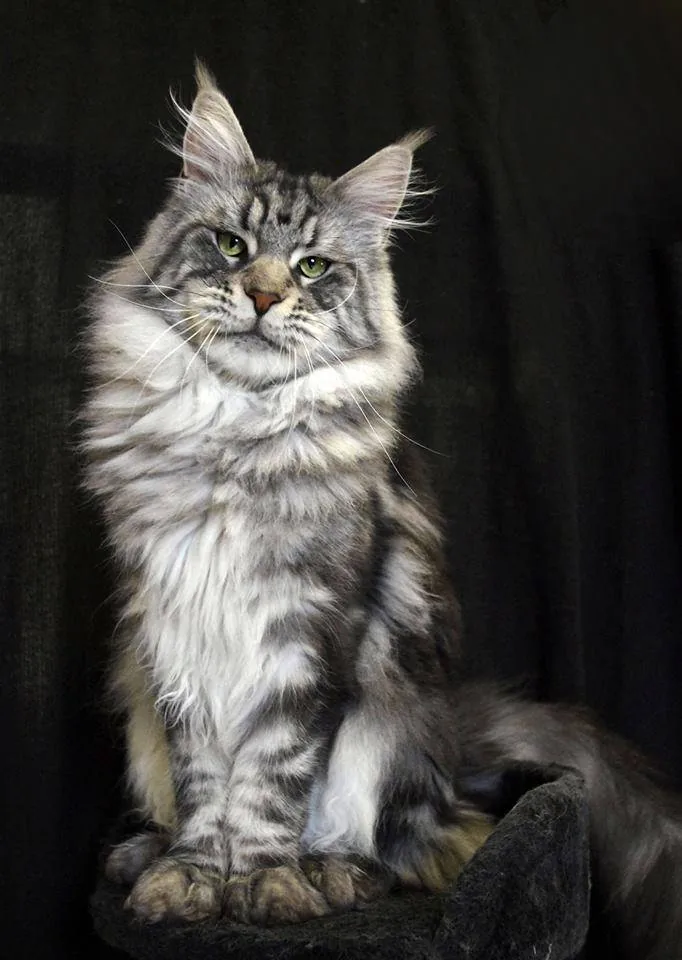
Maine Coon
Maine Coon cat cost runs above average from the start because this is the largest common domestic breed, eating more and needing a bigger, sturdier setup than a standard cat. The combination of a known heart-disease mutation and a long, dense coat means $303 and $156 both sit higher than typical. Expect $2,876 in year one and $1,322 every year after.
Acquisition, surgical desexing, initial vet series, and starter hardware.
Normalized baseline at ~$110/month routine cash burn.
Projected over a 13-year Maine Coon lifespan.
$2,500 Liquid Reserve Mandate
Critical bufferA breed-linked heart mutation combined with orthopedic risk in a large-bodied cat creates a recurring, potentially expensive cardiac and joint monitoring burden.
Source: MetLife True Cost of Pet Emergencies 2025 (15% of owners hit $3,000+; uninsured surgery $3,000–8,000)
Biometric & phenotypic actuarial spec
Annual Cash Burn Matrix ($1,322/yr)
Continuous operational expenditure distributed across 5 core maintenance categories, indexed to metabolic demand and regional clinical rates.
Food
Vet Care
Grooming
Pet Insurance
Supplies & Toys
Upfront Entry CapEx
Purchase / Adoption Fee ($1,000), Initial Vet Visit & Vaccinations ($318), Starter Supplies ($299), Litter & Behavior Basics ($40), First Year Food ($325), First Year Vet Care ($303), First Year Grooming ($156), First Year Insurance ($435).
Comprehensive Lifecycle Ledger
Audited financial breakdown distinguishing immediate first-year fixed capitalization from ongoing annualized operating liabilities over the full 12–15 yrs feline lifespan.
| Expenditure Category | Year 01 Outlay | Annual Steady-State | Lifetime Total | Actuarial Sizing Methodology |
|---|---|---|---|---|
| Purchase / Adoption Fee | $1,000 | — | $1,000 | Varies by breeder vs rescue |
| Initial Vet Visit & Vaccinations | $318 | — | $318 | Spay/neuter, microchip, health check |
| Starter Supplies | $299 | — | $299 | Litter box, scratching post, carrier, bowls |
| Litter & Behavior Basics | $40 | — | $40 | Litter box training, scratching post basics |
| First Year Food | $325 | — | $325 | — |
| First Year Vet Care | $303 | — | $303 | — |
| First Year Grooming | $156 | — | $156 | — |
| First Year Insurance | $435 | — | $435 | — |
| Food | — | $325 | $4,225 | — |
| Vet Care | — | $303 | $3,939 | — |
| Grooming | — | $156 | $2,028 | — |
| Pet Insurance | — | $435 | $5,655 | — |
| Supplies & Toys | — | $103 | $1,339 | — |
| Gross Actuarial Expenditure | $2,876 | $1,322 / yr | $18,740 | Unadjusted baseline |
Actuarial Health Risk Profile (Tier 4)
A breed-linked heart mutation combined with orthopedic risk in a large-bodied cat creates a recurring, potentially expensive cardiac and joint monitoring burden.
Hypertrophic Cardiomyopathy
The Maine Coon carries a known genetic mutation linked to thickened heart muscle, and cardiac screening plus lifelong monitoring for cats that test positive is one of the largest recurring costs in the breed.
Hip Dysplasia
A large frame and rapid early growth put the Maine Coon at higher risk for malformed hip joints than an average-size cat, which can mean orthopedic imaging or management costs later in life.
Spinal muscular atrophy
A breed-specific inherited condition that weakens hind-leg muscle over the cat's early life; DNA testing of breeding stock has reduced its prevalence, but affected cats need adapted, lower-impact care.
What Truly Drives the Maine Coon’s Financial Profile
About the Maine Coon and its cost
Maine Coon cat cost reflects a breed built for size: males can reach twice the weight of an average house cat, and that scale carries through to food, litter, and furniture-scale costs like larger carriers and cat trees. Native to Maine and developed for barn and farm life, the breed kept a thick, water-resistant coat and a sturdy, muscular frame. Its famously easygoing, dog-like temperament makes it a low-stress companion day to day, but the size and coat mean nearly every recurring line item, from food portions to grooming time, runs a notch above a standard shorthair.
What drives Maine Coon costs
Two breed-specific health issues push the Maine Coon budget higher than its calm temperament would suggest. Hypertrophic cardiomyopathy is common enough in the breed that many owners budget for periodic cardiac ultrasounds, and hip dysplasia can follow from the rapid growth to a large adult frame. Add a dense double coat that mats without regular brushing, and grooming becomes a recurring line rather than an occasional one. Insurers are aware of the breed's cardiac history, which can nudge $435 premiums above a mixed-breed cat's.
Maine Coon first-year budget
Year one starts with $1,000 for a health-tested kitten, then $318 for the vaccine series plus an early wellness exam that often includes a cardiac listen. $299 runs higher than average because a Maine Coon needs a larger litter box, carrier, and scratching post sized for its adult frame, and $40 covers basic scratch-post and carrier habituation. $1,657 in one-time costs plus $1,219 in food, vet, and grooming bring the $2,876 total to a level noticeably above an average shorthair kitten's first year.
Maine Coon yearly cost after year one
Ongoing costs stay elevated mainly through volume: $325 reflects a large-breed appetite, $303 includes an annual exam plus periodic cardiac monitoring, and $156 covers regular brushing tools or occasional professional de-matting. $435 is worth carrying given the breed's cardiac history, and $103 keeps a still-playful adult engaged. All together, $1,322 a year averages out to $110 a month, higher than a standard-size cat mostly due to scale.
Emergency fund for a Maine Coon
Hypertrophic cardiomyopathy is the condition that should shape a Maine Coon's $2,500, since an acute cardiac event or the diagnostics to confirm one can be costly and sudden. Hip-related mobility issues add a secondary, slower-moving cost. Given the breed's $18,740 lifetime cost profile, owners are well served keeping a larger-than-average reserve specifically earmarked for cardiac imaging or medication. Cats are skilled at masking pain, so sudden lethargy, appetite loss, or vomiting deserves an urgent vet visit rather than a wait-and-see approach, since catching a problem early is almost always cheaper than treating it once it has progressed.
Cutting Maine Coon costs
The clearest saving comes from choosing a breeder who screens for heart and hip issues before you buy, since that reduces the odds of large unplanned bills later. Buying food in bulk and grooming tools once, rather than repeatedly replacing damaged furniture from an ungroomed coat, also helps. Across a $18,740 lifespan, consistent preventive cardiac monitoring tends to catch problems while they are still cheap to manage, keeping $110 spending predictable.
5 Prudent Ways to Cut Maine Coon Costs
Ask for cardiac-screened parents
Buying from a breeder who screens breeding cats for hypertrophic cardiomyopathy lowers the odds of a costly diagnosis later. It is the single best long-term cost lever for this breed.
Brush two to three times a week
Consistent brushing on the Maine Coon's long coat prevents mats that would otherwise require an expensive de-matting or shave-down visit at the groomer or vet.
Budget food by weight, not by cat
A Maine Coon eats meaningfully more than an average cat because of its size; buying larger bags of quality food is cheaper per pound than repeated small purchases.
Get a baseline cardiac screening early
An echocardiogram in early adulthood establishes a baseline, so any future change is caught early and treated before it becomes an emergency-level cost.
Choose furniture sized for a large cat
A sturdy, appropriately sized cat tree and litter box bought once avoids repeated replacement costs from a cat that quickly outgrows standard-size gear.
Peer Class Financial Comparisons
How the Maine Coon compares to morphological peers on annualized ownership cost.
Maine Coon
Frequently Asked Financial Questions
How much does a Maine Coon cat cost?
Why are Maine Coons so expensive?
Is a Maine Coon expensive to own?
What are the monthly costs of owning a Maine Coon?
Do Maine Coons need pet insurance?
Do Maine Coons have health problems?
How much grooming does a Maine Coon need?
Data sources
- Maine Coon — Wikipedia (en.wikipedia.org)
- Feline Health Topics — Cornell Feline Health Center (vet.cornell.edu)
- Caring for Hairless Cat Breeds — VCA Animal Hospitals (vcahospitals.com)
Calculate Your Maine Coon Cost Adjusted by Metro ZIP Code
Veterinary surgical tariffs and clinical room rates vary widely between metropolitan regions and rural counties. Recalculate this dossier with your exact state, city, and lifestyle parameters.