
Oriental Shorthair Cost & Ownership Dossier
Oriental Shorthair cat cost is priced close to the Siamese it descends from, reflecting a lean, large-eared, highly vocal breed whose short coat keeps grooming cheap even as health screening adds to the purchase price. $800 reflects demand for its distinctive look, while $260 includes periodic screening shared with the wider Siamese family. Expect $2,228 in year one and $918 every year after.
Executive cost summary
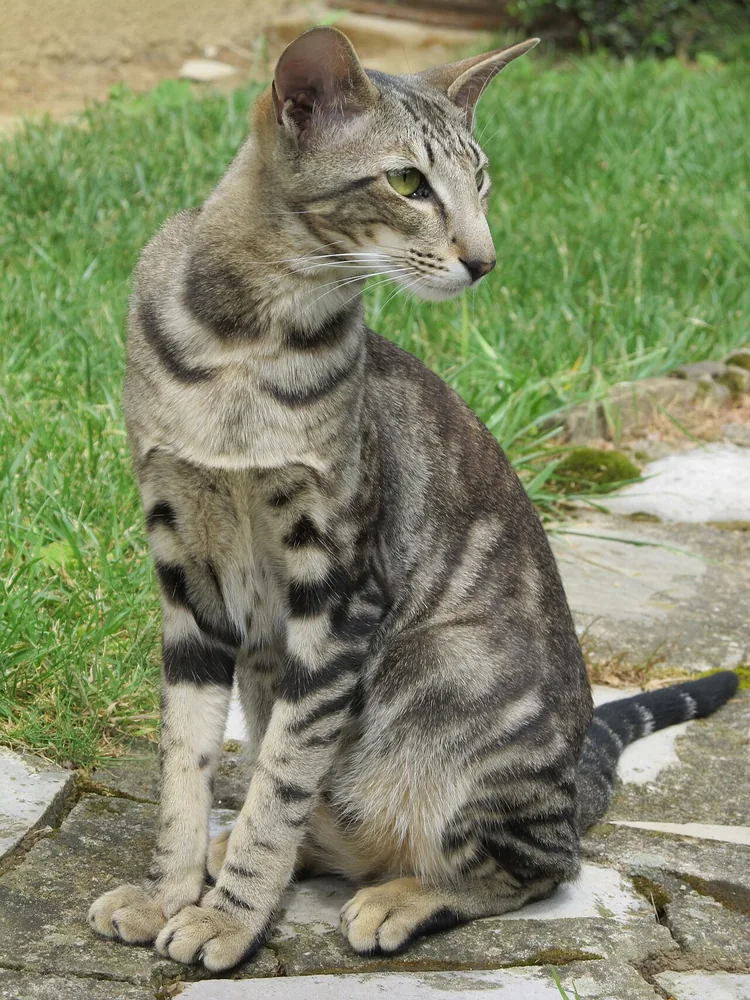
Oriental Shorthair
Oriental Shorthair cat cost is priced close to the Siamese it descends from, reflecting a lean, large-eared, highly vocal breed whose short coat keeps grooming cheap even as health screening adds to the purchase price. $800 reflects demand for its distinctive look, while $260 includes periodic screening shared with the wider Siamese family. Expect $2,228 in year one and $918 every year after.
Acquisition, surgical desexing, initial vet series, and starter hardware.
Normalized baseline at ~$77/month routine cash burn.
Projected over a 14-year Oriental Shorthair lifespan.
$2,000 Liquid Reserve Mandate
Critical bufferShared Siamese-family risk for amyloidosis and retinal disease, plus a tendency toward respiratory sensitivity, gives this breed a moderate cost profile above an average shorthair.
Source: MetLife True Cost of Pet Emergencies 2025 (15% of owners hit $3,000+; uninsured surgery $3,000–8,000)
Biometric & phenotypic actuarial spec
Annual Cash Burn Matrix ($918/yr)
Continuous operational expenditure distributed across 5 core maintenance categories, indexed to metabolic demand and regional clinical rates.
Food
Vet Care
Grooming
Pet Insurance
Supplies & Toys
Upfront Entry CapEx
Purchase / Adoption Fee ($800), Initial Vet Visit & Vaccinations ($300), Starter Supplies ($260), Litter & Behavior Basics ($40), First Year Food ($203), First Year Vet Care ($260), First Year Grooming ($24), First Year Insurance ($341).
Comprehensive Lifecycle Ledger
Audited financial breakdown distinguishing immediate first-year fixed capitalization from ongoing annualized operating liabilities over the full 12–15 yrs feline lifespan.
| Expenditure Category | Year 01 Outlay | Annual Steady-State | Lifetime Total | Actuarial Sizing Methodology |
|---|---|---|---|---|
| Purchase / Adoption Fee | $800 | — | $800 | Varies by breeder vs rescue |
| Initial Vet Visit & Vaccinations | $300 | — | $300 | Spay/neuter, microchip, health check |
| Starter Supplies | $260 | — | $260 | Litter box, scratching post, carrier, bowls |
| Litter & Behavior Basics | $40 | — | $40 | Litter box training, scratching post basics |
| First Year Food | $203 | — | $203 | — |
| First Year Vet Care | $260 | — | $260 | — |
| First Year Grooming | $24 | — | $24 | — |
| First Year Insurance | $341 | — | $341 | — |
| Food | — | $203 | $2,842 | — |
| Vet Care | — | $260 | $3,640 | — |
| Grooming | — | $24 | $336 | — |
| Pet Insurance | — | $341 | $4,774 | — |
| Supplies & Toys | — | $90 | $1,260 | — |
| Gross Actuarial Expenditure | $2,228 | $918 / yr | $14,162 | Unadjusted baseline |
Actuarial Health Risk Profile (Tier 3)
Shared Siamese-family risk for amyloidosis and retinal disease, plus a tendency toward respiratory sensitivity, gives this breed a moderate cost profile above an average shorthair.
Amyloidosis
As a close relative of the Siamese, the Oriental Shorthair carries some documented risk of abnormal protein buildup in the liver or kidneys, which periodic bloodwork can catch early.
Progressive Retinal Atrophy
A slow, inherited retinal degeneration seen across the Siamese-derived breeds that can lead to blindness over time, with DNA testing helping breeders reduce its occurrence.
Respiratory sensitivity
The breed's fine build and vocal, sometimes anxious temperament can be associated with a higher tendency toward feline asthma than in a more placid, sturdier breed.
What Truly Drives the Oriental Shorthair’s Financial Profile
About the Oriental Shorthair and its cost
Oriental Shorthair cat cost reflects a breed developed by crossing Siamese with other shorthairs to preserve the sleek, wedge-headed body and huge ears while opening up dozens of coat colors and patterns beyond the pointed Siamese pattern. The short, fine coat needs almost no grooming, which keeps that line item low compared to nearly every other breed on this list. What the breed is not cheap on is attention: it is famously vocal and people-focused, often described as needing a human or feline companion nearby at all times, which shapes lifestyle costs like daycare or a second cat more than veterinary ones.
What drives Oriental Shorthair costs
This breed carries the same documented amyloidosis and progressive retinal atrophy risk as its close Siamese relatives, both best managed with periodic screening rather than a single test. Its lean, sometimes highly strung temperament is also associated with a modestly elevated tendency toward feline asthma, which can mean an inhaler or medication if diagnosed. Because the coat and body size are otherwise unremarkable, food and grooming costs stay close to an average shorthair, concentrating cost pressure in organ, eye, and respiratory monitoring instead.
Oriental Shorthair first-year budget
Year one includes $800 for a kitten tested for amyloidosis and retinal disease, $300 for vaccines and a baseline wellness exam including a respiratory check, and $260 for a litter box, interactive toys, and a carrier. $40 covers basic litter and handling habituation for this intelligent, social breed. $1,400 in one-time costs plus $828 in food and vet care bring the $2,228 total to a level consistent with other Siamese-derived breeds.
Oriental Shorthair yearly cost after year one
Ongoing costs stay modest: $203 for a standard quality diet, $260 for annual exams plus periodic organ and respiratory screening, and $24 for the breed's minimal-maintenance short coat. $341 adds protection against the breed's shared Siamese-family health risks, and $90 keeps this vocal, high-energy cat engaged. The total comes to $918 a year, or $77 a month. Routine wellness exams, parasite prevention, and litter or supply restocking make up the bulk of this steady-state figure, and owners who keep $341 active convert one unpredictable expense into a fixed monthly line instead.
Emergency fund for an Oriental Shorthair
This breed's emergency risk spans organ function, vision, and breathing: unexplained lethargy points toward the amyloidosis risk, while sudden coughing or labored breathing suggests asthma needing prompt treatment. A moderate $2,000 reserve, sized to the breed's $14,162 lifetime cost, covers these plausible scenarios without over-preparing for conditions this breed rarely develops. Cats are skilled at masking pain, so sudden lethargy, appetite loss, or vomiting deserves an urgent vet visit rather than a wait-and-see approach, since catching a problem early is almost always cheaper than treating it once it has progressed.
Cutting Oriental Shorthair costs
The clearest saving is choosing a breeder who documents amyloidosis and eye-disease testing, since that reduces the odds of a major organ or vision problem later. Because the coat needs almost no grooming, that cost stays naturally low; redirect savings toward consistent respiratory monitoring instead. Over a $14,162 lifespan, catching early breathing or energy changes keeps $77 spending predictable rather than reactive.
5 Prudent Ways to Cut Oriental Shorthair Costs
Ask for amyloidosis and eye-disease test results
A breeder who screens for both conditions common in the Siamese family lowers the odds of a costly diagnosis in adulthood.
Watch for early signs of respiratory trouble
Occasional coughing or labored breathing caught early is far cheaper to manage than an emergency asthma attack requiring urgent treatment.
Skip expensive grooming products
The short, fine coat needs minimal upkeep; a basic weekly wipe-down is enough, so there's no need to spend on specialty shampoos or tools.
Plan for companionship, not just toys
A second cat or consistent daily interactive play prevents stress-related behavior in this highly social breed, which is cheaper than treating anxiety-driven illness.
Buy from an Oriental specialist breeder
Going direct to a breeder focused on the Oriental line, rather than a general Siamese-family cattery, often gets clearer documentation of relevant health testing.
Peer Class Financial Comparisons
How the Oriental Shorthair compares to morphological peers on annualized ownership cost.
Oriental Shorthair
Frequently Asked Financial Questions
How much does an Oriental Shorthair cat cost?
Is an Oriental Shorthair cat expensive to own?
Why are Oriental Shorthair cats so expensive?
What are the yearly costs of owning an Oriental Shorthair cat?
Do Oriental Shorthair cats need pet insurance?
Do Oriental Shorthair cats have health problems?
How much grooming does an Oriental Shorthair cat need?
Data sources
- Oriental Shorthair — Wikipedia (en.wikipedia.org)
- Amyloidosis — Wikipedia (en.wikipedia.org)
- Caring for Hairless Cat Breeds — VCA Animal Hospitals (vcahospitals.com)
Calculate Your Oriental Shorthair Cost Adjusted by Metro ZIP Code
Veterinary surgical tariffs and clinical room rates vary widely between metropolitan regions and rural counties. Recalculate this dossier with your exact state, city, and lifestyle parameters.