
How Much Does a Pekingese Cost Per Year?
Pekingese cost is modest at the start but climbs with vet care: the first year runs about $4,559, then $2,484 a year. Grooming a long double coat and covering airway, eye and spine risks are the main reasons.
Executive cost summary
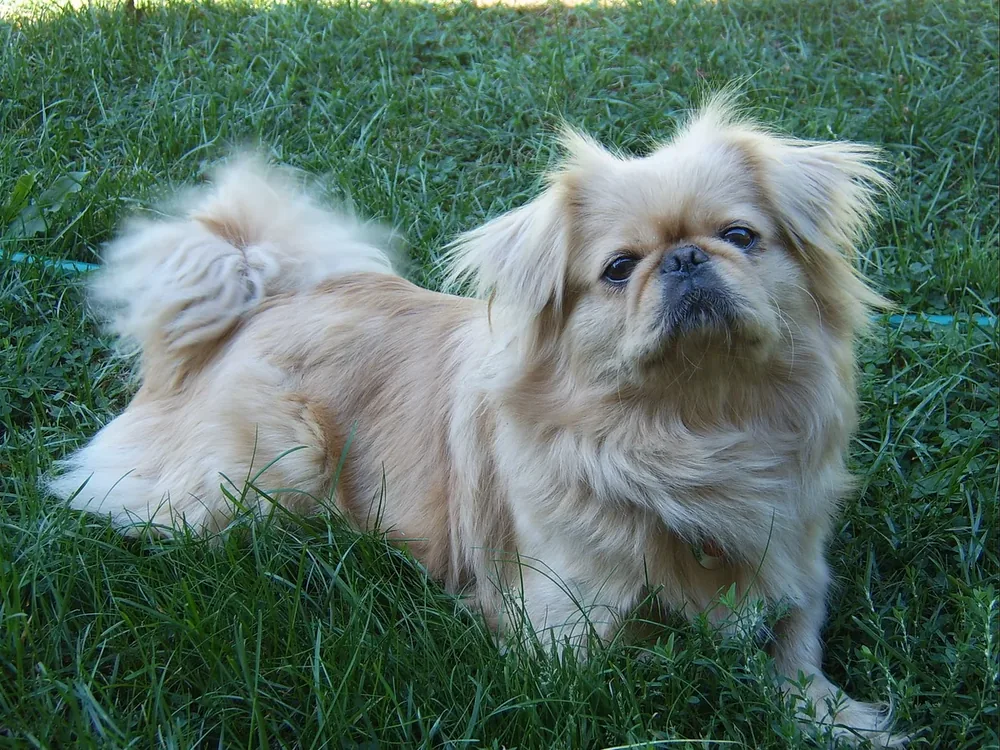
Pekingese
Pekingese cost is modest at the start but climbs with vet care: the first year runs about $4,559, then $2,484 a year. Grooming a long double coat and covering airway, eye and spine risks are the main reasons.
Acquisition, surgical desexing, initial vet series, and starter hardware.
Normalized baseline at ~$207/month routine cash burn.
Projected over a 13-year Pekingese lifespan.
$2,000 Liquid Reserve Mandate
Critical bufferA flat face brings airway and eye problems, and a long back over short legs adds disc disease that can need costly spinal surgery.
Source: MetLife True Cost of Pet Emergencies 2025 (15% of owners hit $3,000+; uninsured surgery $3,000–8,000)
Biometric & phenotypic actuarial spec
Annual Cash Burn Matrix ($2,484/yr)
Continuous operational expenditure distributed across 5 core maintenance categories, indexed to metabolic demand and regional clinical rates.
Food
Source: Derived: veterinary MER formula + mid-tier dry kibble price (2026-01)
Vet Care
Source: Derived: REPLACE — ASPCA / AAHA routine wellness composite (annual exam, vaccines, parasite control) x size 0.92 x risk 1.1 (2026-01)
Grooming
Source: Derived: REPLACE — Rover / PetSmart service menu, short-coat baseline (grooming rating 2) x coat 3.8 (2026-01)
Pet Insurance
Source: Derived: NAPHIA State of the Industry 2025 (2024 data), accident & illness dog average x size 0.9 x risk 1.18 (2026-01)
Supplies & Toys
Source: Derived: Synchrony Pet Lifetime of Care 2025 (toy replacement $50–150/yr) plus routine consumables x size 0.92 (2026-01)
Upfront Entry CapEx
Purchase / Adoption Fee ($900), Initial Vet Visit & Vaccinations ($607), Starter Supplies ($437), Training Classes ($260), First Year Food ($151), First Year Vet Care ($668), First Year Grooming ($741), First Year Insurance ($795).
Comprehensive Lifecycle Ledger
Audited financial breakdown distinguishing immediate first-year fixed capitalization from ongoing annualized operating liabilities over the full 12–14 yrs canine lifespan.
| Expenditure Category | Year 01 Outlay | Annual Steady-State | Lifetime Total | Actuarial Sizing Methodology |
|---|---|---|---|---|
| Purchase / Adoption Fee | $900 | — | $900 | Varies by breeder vs rescue |
| Initial Vet Visit & Vaccinations | $607 | — | $607 | Spay/neuter, microchip, health check |
| Starter Supplies | $437 | — | $437 | Bed, crate, collar, bowls, toys |
| Training Classes | $260 | — | $260 | Basic obedience recommended |
| First Year Food | $151 | — | $151 | — |
| First Year Vet Care | $668 | — | $668 | — |
| First Year Grooming | $741 | — | $741 | — |
| First Year Insurance | $795 | — | $795 | — |
| Food | — | $151 | $1,963 | — |
| Vet Care | — | $668 | $8,684 | — |
| Grooming | — | $741 | $9,633 | — |
| Pet Insurance | — | $795 | $10,335 | — |
| Supplies & Toys | — | $129 | $1,677 | — |
| Gross Actuarial Expenditure | $4,559 | $2,484 / yr | $34,367 | Unadjusted baseline |
Actuarial Health Risk Profile (Tier 4)
A flat face brings airway and eye problems, and a long back over short legs adds disc disease that can need costly spinal surgery.
Brachycephalic airway syndrome
A flat face leaves narrow nostrils and a long soft palate, so breathing is noisy and heat is hard to shed.
- Typical treatment cost (one-time)
- $3,000–$5,000
Typically appears at age 1–4
medium confidence · MetLife Pet Insurance, Stenotic Nares Surgery Cost for Dogs, 2025-09
Intervertebral Disc Disease
Long back and short legs make discs prone to herniating, causing neck or back pain and sometimes paralysis.
- Typical treatment cost (one-time)
- $1,500–$4,000
medium confidence · MetLife Pet Insurance, What Is IVDD in Dogs? Early Signs and Treatment, 2024-07
Corneal ulcers
Prominent eyes and shallow sockets expose the cornea to scratches that can turn into deep, slow-healing ulcers.
- Typical treatment cost (one-time)
- $520–$1,306
medium confidence · CareCredit, Dog Eye Ulcer: Causes, Symptoms and Treatment Options, 2025-12
Costs are typical for the condition in general, not specific to the Pekingese. See the Pekingese cost timeline
What Truly Drives the Pekingese’s Financial Profile
About the Pekingese and its cost
Pekingese cost starts with the purchase price or adoption fee, then settles into a steady pattern set by the breed's profuse coat and flat face. This is a small, dignified toy dog that weighs under fifteen pounds, so food and supplies are cheap. Grooming is not: the long double coat mats quickly and needs frequent brushing plus regular professional trims. Most owners find the ongoing line for grooming and vet care outweighs everything else, and the breed's short lifespan of around thirteen years keeps the lifetime total moderate despite those higher yearly lines.
What drives Pekingese costs
Three conditions explain most of the extra spending. Brachycephalic airway syndrome, from narrow nostrils and a long soft palate, can require corrective surgery and makes anesthesia and hot weather riskier. Prominent eyes are prone to corneal ulcers that need repeat visits and sometimes surgery. A long back on short legs raises the odds of disc herniation, where imaging and spinal surgery are the largest single bills. Small size keeps drug doses low, but these conditions are why the vet line runs above the average toy breed and why insurance is worth pricing early.
Pekingese first-year budget
The first year adds one-time setup to the recurring lines. Setup covers the $900 purchase or adoption cost, $607 for first vet visits and vaccinations, $437 for crate, bed, harness and bowls, and $260 for classes, for a setup total of $2,204. Recurring costs add $151 for food, $668 for routine care, $741 for coat care and $795 for coverage, or $2,355 together. The full first-year total lands near $4,559. Insuring early is the line most worth keeping, because it locks in cover before any breed-related issue appears.
Pekingese yearly cost after year one
Once setup is done, a Pekingese settles at about $2,484 a year, or $207 a month. Food is a small line at $151 because of the dog's size, and supplies and toys add $129. The heavier lines are grooming at $741, routine vet care at $668, and insurance at $795. The coat makes grooming a fixed cost that does not shrink with age, and vet spending tends to rise in the senior years as heart, eye and spine checks become more frequent.
Emergency fund for a Pekingese
A reserve of about $2,000 is sensible for this breed because its tier-driving conditions tend to arrive suddenly. A herniated disc can mean an emergency imaging and surgery bill, a deep eye ulcer may need urgent surgical repair, and breathing distress in hot weather can require oxygen and hospitalization. Keeping the reserve separate from routine spending, or pairing it with an insurance plan and its deductible, protects the budget across a lifetime estimated near $34,367.
Cutting Pekingese costs
The most reliable savings come from prevention rather than discounts. Keeping the dog lean protects the spine and airway, and cool, calm exercise avoids heat episodes that lead to emergency care. Home brushing lowers professional grooming visits, and prompt attention to eye irritation prevents costly ulcer surgery. Compare insurance quotes each year and consider a higher deductible if you hold a healthy reserve. Together these habits can keep spending closer to $207 a month and hold the $2,484 yearly figure steady.
5 Prudent Ways to Cut Pekingese Costs
Insure before the first symptoms
Airway, eye and disc problems are all excluded as pre-existing once they appear. Enroll a young, healthy puppy so a later surgery is covered, and compare deductibles and annual limits rather than only the monthly premium.
Learn to brush at home
Daily brushing with a pin brush and comb prevents mats, which cuts the number of full grooming appointments. Book professional trims only as often as the coat truly needs.
Keep the weight down
Extra weight strains the spine and worsens noisy breathing. Measure meals, use a harness instead of a collar, and skip heavy table scraps, which protects both health and the vet budget.
Treat eye irritation fast
A squint or watery eye can become a deep ulcer within days. An early visit for a simple ulcer costs far less than surgery for a complicated one, so do not wait to see if it clears.
Buy from a health-tested breeder
Ask about airway grading and eye and spine history in the parents. Breeders with longer muzzles and wider nostrils in their lines tend to produce puppies with fewer surgical needs.
Peer Class Financial Comparisons
How the Pekingese compares to morphological peers on annualized ownership cost.
Pekingese
Frequently Asked Financial Questions
How much does a pekingese cost per month?
Is a pekingese expensive to own?
What are the yearly costs of owning a pekingese?
How much are pekingese vet bills?
Do pekingeses need pet insurance?
How much does a pekingese puppy cost?
How much does grooming a pekingese cost?
Data sources
- Pekingese Dog Breed Information — American Kennel Club (akc.org)
- Pekingese — Wikipedia (en.wikipedia.org)
- Brachycephalic Airway Syndrome in Dogs — VCA Animal Hospitals (vcahospitals.com)
Calculate Your Pekingese Cost Adjusted by Metro ZIP Code
Veterinary surgical tariffs and clinical room rates vary widely between metropolitan regions and rural counties. Recalculate this dossier with your exact state, city, and lifestyle parameters.