
RagaMuffin Cost & Ownership Dossier
RagaMuffin cost starts with a $2,762 first year covering the kitten, initial vet care, and gear sized for this large, plush-coated breed. Monthly upkeep runs near $101 once the cat settles into adulthood. Across a typical lifespan, budget $18,466.
Executive cost summary
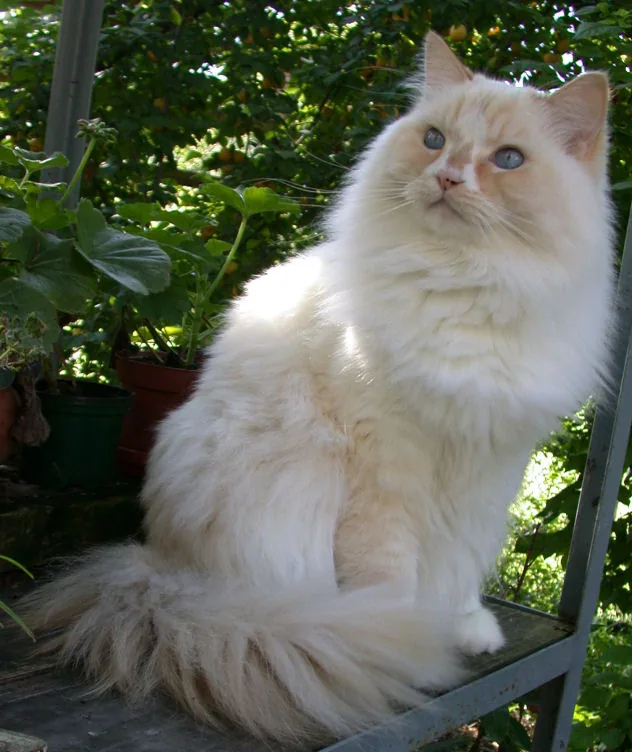
RagaMuffin
RagaMuffin cost starts with a $2,762 first year covering the kitten, initial vet care, and gear sized for this large, plush-coated breed. Monthly upkeep runs near $101 once the cat settles into adulthood. Across a typical lifespan, budget $18,466.
Acquisition, surgical desexing, initial vet series, and starter hardware.
Normalized baseline at ~$101/month routine cash burn.
Projected over a 14-year RagaMuffin lifespan.
$2,500 Liquid Reserve Mandate
Critical bufferA documented hypertrophic cardiomyopathy predisposition combined with a large, sedentary body that runs elevated obesity and urinary risk adds up to more than one ongoing-cost factor.
Source: MetLife True Cost of Pet Emergencies 2025 (15% of owners hit $3,000+; uninsured surgery $3,000–8,000)
Biometric & phenotypic actuarial spec
Annual Cash Burn Matrix ($1,208/yr)
Continuous operational expenditure distributed across 5 core maintenance categories, indexed to metabolic demand and regional clinical rates.
Food
Vet Care
Grooming
Pet Insurance
Supplies & Toys
Upfront Entry CapEx
Purchase / Adoption Fee ($1,000), Initial Vet Visit & Vaccinations ($318), Starter Supplies ($299), Litter & Behavior Basics ($40), First Year Food ($271), First Year Vet Care ($303), First Year Grooming ($96), First Year Insurance ($435).
Comprehensive Lifecycle Ledger
Audited financial breakdown distinguishing immediate first-year fixed capitalization from ongoing annualized operating liabilities over the full 12–16 yrs feline lifespan.
| Expenditure Category | Year 01 Outlay | Annual Steady-State | Lifetime Total | Actuarial Sizing Methodology |
|---|---|---|---|---|
| Purchase / Adoption Fee | $1,000 | — | $1,000 | Varies by breeder vs rescue |
| Initial Vet Visit & Vaccinations | $318 | — | $318 | Spay/neuter, microchip, health check |
| Starter Supplies | $299 | — | $299 | Litter box, scratching post, carrier, bowls |
| Litter & Behavior Basics | $40 | — | $40 | Litter box training, scratching post basics |
| First Year Food | $271 | — | $271 | — |
| First Year Vet Care | $303 | — | $303 | — |
| First Year Grooming | $96 | — | $96 | — |
| First Year Insurance | $435 | — | $435 | — |
| Food | — | $271 | $3,794 | — |
| Vet Care | — | $303 | $4,242 | — |
| Grooming | — | $96 | $1,344 | — |
| Pet Insurance | — | $435 | $6,090 | — |
| Supplies & Toys | — | $103 | $1,442 | — |
| Gross Actuarial Expenditure | $2,762 | $1,208 / yr | $18,466 | Unadjusted baseline |
Actuarial Health Risk Profile (Tier 4)
A documented hypertrophic cardiomyopathy predisposition combined with a large, sedentary body that runs elevated obesity and urinary risk adds up to more than one ongoing-cost factor.
Hypertrophic Cardiomyopathy
A thickening of the heart muscle documented in the breed's Ragdoll-related lineage, which can stay silent for years before needing cardiac medication.
Obesity
A large, laid-back cat that is content to lounge for hours puts on weight easily, adding strain to joints and raising the odds of diabetes later in life.
Periodontal Disease
Dental tartar builds up over time in most cats, and the breed's relaxed grooming habits mean owners often need to take the lead on dental upkeep.
Feline Lower Urinary Tract Disease
Larger, sedentary cats run a higher risk of bladder crystals or blockages, which can escalate quickly into an emergency vet visit if urination becomes difficult.
What Truly Drives the RagaMuffin’s Financial Profile
About the RagaMuffin and its cost
RagaMuffin cost reflects a large, semi-long-coated breed developed from Ragdoll lines, known for a relaxed, affectionate temperament that earns it comparisons to a living stuffed animal. The plush coat needs regular brushing but resists matting better than a true longhair, keeping grooming spend moderate. Because the breed is content to lounge rather than climb or run, owners spend less on high-energy enrichment but need to actively manage portions to prevent weight gain. Breeders who screen for the breed's heart condition charge more upfront, which reduces the odds of a costly diagnosis later.
What drives RagaMuffin costs
Vet spend on a RagaMuffin is shaped by its size and its Ragdoll-related heredity. Hypertrophic cardiomyopathy is documented in the breed's lineage and can go unnoticed until a routine exam catches a murmur, after which cardiac monitoring becomes a recurring cost. The large, sedentary body makes obesity easy to develop, which compounds joint strain and raises diabetes risk. A big, low-activity cat also runs a higher rate of urinary crystals or blockages, a condition that can turn into a same-day emergency if urination becomes difficult, so the vet budget should account for that possibility.
RagaMuffin first-year budget
$1,000 buys the kitten from a breeder who has screened for hypertrophic cardiomyopathy, and $318 covers the vaccine series, spay or neuter, microchip, and a baseline cardiac check. $299 furnishes a large litter box, sturdy furniture, and grooming tools, while $40 covers basic handling given the breed's easygoing nature. Ongoing lines start moderate: $271 sized for a large body, $303 for early wellness visits, $96 for weekly brushing supplies, and $435 if enrolled now. One-time costs total $1,657, recurring costs $1,105, for a first-year total of $2,762.
RagaMuffin yearly cost after year one
Steady-state ownership runs near $1,208 a year, or about $101 monthly. $271 runs higher than for a standard shorthair given this breed's large size, and portion control matters to prevent obesity. $303 carries extra weight from periodic cardiac and urinary monitoring, and $435 is worth keeping given the breed's heart disease risk. $96 stays moderate for the semi-long coat, and $103 replaces bedding and enrichment items.
Emergency fund for a RagaMuffin
Keep $2,500 on hand for this breed's realistic crisis scenarios. Undiagnosed hypertrophic cardiomyopathy can present suddenly as acute heart failure with little warning. A urinary blockage in this large, sedentary breed can become life-threatening within a day if untreated. Because both risks can escalate quickly, funding this reserve early, alongside insurance, protects the $18,466 you have budgeted from being upended by one crisis.
Cutting RagaMuffin costs
The strongest lever is buying from a breeder who has already screened for hypertrophic cardiomyopathy, since avoiding the condition beats managing it. Measured feeding rather than free-feeding prevents the obesity that drives up joint and urinary costs for this large, relaxed breed. A water fountain and wet food in the rotation cost little and meaningfully lower urinary risk. Scheduling cardiac checks on a fixed annual calendar protects the $18,466 total from a late, expensive diagnosis.
5 Prudent Ways to Cut RagaMuffin Costs
Buy from a breeder who screens hearts
Ask for a recent cardiac ultrasound on both parents before buying a RagaMuffin kitten. A screened line costs more upfront but reduces the odds of managing hypertrophic cardiomyopathy later, which is far more expensive.
Measure food instead of free-feeding
This breed's relaxed nature makes weight gain easy. Measured portions sized to a large but low-energy body prevent the obesity that drives up joint and urinary vet costs down the road.
Encourage water intake to protect the bladder
A water fountain and wet food in the rotation help prevent the urinary crystals this large, sedentary breed is prone to. This small daily habit is cheaper than treating a blocked bladder as an emergency.
Brush the coat weekly, not daily
The semi-long coat resists matting better than a true longhair, so a thorough weekly brushing session is usually enough. This keeps grooming time and professional grooming costs lower than a full Persian-type coat requires.
Insure before any murmur is on record
Enroll a RagaMuffin kitten in pet insurance before its first adult cardiac exam. Coverage bought early includes hypertrophic cardiomyopathy, while a policy bought after a murmur is noted will likely exclude it.
Peer Class Financial Comparisons
How the RagaMuffin compares to morphological peers on annualized ownership cost.
RagaMuffin
Frequently Asked Financial Questions
How much does a ragamuffin cost per month?
Is a ragamuffin expensive to own?
What are the yearly costs of owning a ragamuffin?
How much are ragamuffin vet bills?
Do ragamuffins need pet insurance?
How much is a ragamuffin kitten?
Are ragamuffins prone to obesity?
Are ragamuffins prone to health problems?
Data sources
- RagaMuffin — Wikipedia (en.wikipedia.org)
- Pet Health Insurance — North American Pet Health Insurance Association (naphia.org)
- Cutting Pet Care Costs — ASPCA (aspca.org)
Calculate Your RagaMuffin Cost Adjusted by Metro ZIP Code
Veterinary surgical tariffs and clinical room rates vary widely between metropolitan regions and rural counties. Recalculate this dossier with your exact state, city, and lifestyle parameters.