
Sokoke Cost & Ownership Dossier
Sokoke cost starts near $2,221 for the kitten, first vaccines, and starter gear, with acquisition price the biggest factor given how rare this breed remains. Monthly upkeep in a healthy year runs close to $76. Across a typical lifespan, budget for $13,153.
Executive cost summary
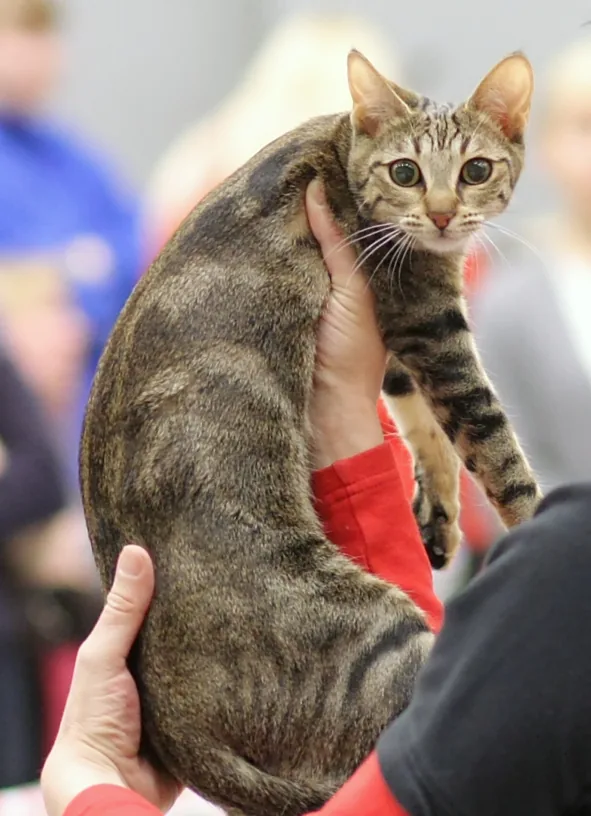
Sokoke
Sokoke cost starts near $2,221 for the kitten, first vaccines, and starter gear, with acquisition price the biggest factor given how rare this breed remains. Monthly upkeep in a healthy year runs close to $76. Across a typical lifespan, budget for $13,153.
Acquisition, surgical desexing, initial vet series, and starter hardware.
Normalized baseline at ~$76/month routine cash burn.
Projected over a 13-year Sokoke lifespan.
$2,000 Liquid Reserve Mandate
Critical bufferNo defining inherited syndrome has been documented in this naturally occurring breed, and its small population size is offset by generally hardy, wild-type genetics.
Source: MetLife True Cost of Pet Emergencies 2025 (15% of owners hit $3,000+; uninsured surgery $3,000–8,000)
Biometric & phenotypic actuarial spec
Annual Cash Burn Matrix ($911/yr)
Continuous operational expenditure distributed across 5 core maintenance categories, indexed to metabolic demand and regional clinical rates.
Food
Vet Care
Grooming
Pet Insurance
Supplies & Toys
Upfront Entry CapEx
Purchase / Adoption Fee ($800), Initial Vet Visit & Vaccinations ($300), Starter Supplies ($260), Litter & Behavior Basics ($40), First Year Food ($236), First Year Vet Care ($247), First Year Grooming ($24), First Year Insurance ($314).
Comprehensive Lifecycle Ledger
Audited financial breakdown distinguishing immediate first-year fixed capitalization from ongoing annualized operating liabilities over the full 10–15 yrs feline lifespan.
| Expenditure Category | Year 01 Outlay | Annual Steady-State | Lifetime Total | Actuarial Sizing Methodology |
|---|---|---|---|---|
| Purchase / Adoption Fee | $800 | — | $800 | Varies by breeder vs rescue |
| Initial Vet Visit & Vaccinations | $300 | — | $300 | Spay/neuter, microchip, health check |
| Starter Supplies | $260 | — | $260 | Litter box, scratching post, carrier, bowls |
| Litter & Behavior Basics | $40 | — | $40 | Litter box training, scratching post basics |
| First Year Food | $236 | — | $236 | — |
| First Year Vet Care | $247 | — | $247 | — |
| First Year Grooming | $24 | — | $24 | — |
| First Year Insurance | $314 | — | $314 | — |
| Food | — | $236 | $3,068 | — |
| Vet Care | — | $247 | $3,211 | — |
| Grooming | — | $24 | $312 | — |
| Pet Insurance | — | $314 | $4,082 | — |
| Supplies & Toys | — | $90 | $1,170 | — |
| Gross Actuarial Expenditure | $2,221 | $911 / yr | $13,153 | Unadjusted baseline |
Actuarial Health Risk Profile (Tier 2)
No defining inherited syndrome has been documented in this naturally occurring breed, and its small population size is offset by generally hardy, wild-type genetics.
Limited Gene Pool Effects
As a rare breed descended from a small founding population, the Sokoke carries some risk of inherited issues surfacing more easily than in genetically diverse breeds.
Periodontal Disease
Like many lean, active shorthairs, the Sokoke can run a somewhat elevated rate of early gum inflammation, meaning more frequent dental cleanings over time.
Obesity from Under-Exercise
A highly active, wild-type build means a Sokoke kept without adequate outlets can gain weight quickly, raising the odds of joint and metabolic vet visits later.
What Truly Drives the Sokoke’s Financial Profile
About the Sokoke and its cost
Sokoke cost reflects one of the rarest domestic cat breeds in the world, a naturally occurring type discovered in Kenya's coastal forests and only recently developed for showing. The short, low-maintenance coat keeps grooming spend near zero, but this is an intensely active, athletic cat that needs serious vertical space, climbing structures, and daily interactive play, or it will find its own less desirable outlets. Because so few breeders work with the Sokoke worldwide, acquisition cost and waitlists both run well above what the breed's simple care needs would otherwise suggest.
What drives Sokoke costs
Vet spend on a Sokoke is shaped less by any single inherited disease and more by the breed's rarity and activity level. No defining syndrome is documented, but the small founding population means owners should still budget for the possibility of an inherited issue surfacing unexpectedly. The bigger practical driver is exercise: a Sokoke that doesn't get enough daily activity can gain weight quickly, adding joint and metabolic vet visits that a properly enriched cat would avoid. An above-average dental cleaning rate, typical of lean active shorthairs, rounds out this breed's otherwise modest lifetime vet bill.
Sokoke first-year budget
$800 buys the kitten, priced above most shorthairs given how few Sokoke breeders exist worldwide, and $300 covers the vaccine series, spay or neuter, microchip, and a baseline exam. $260 furnishes a litter box, sturdy climbing furniture, and interactive toys this highly active breed needs, while $40 covers a puzzle-feeder starter kit and basic clicker sessions. Ongoing lines start light: $236 for a lean, active diet, $247 for early wellness visits, $24 for occasional nail trims, and $314 if enrolled now. One-time costs total $1,400, recurring costs $821, for a first-year total of $2,221.
Sokoke yearly cost after year one
Steady-state ownership runs close to $911 a year, or about $76 monthly. $236 stays moderate for a lean, high-energy cat. $314 is worth keeping given the breed's limited data pool. $247 stays modest without a defining inherited condition, though dental care tends to start early. $24 stays minimal thanks to the short coat. $90 replaces worn climbing and interactive gear this athletic breed uses hard.
Emergency fund for a Sokoke
Keep $2,000 on hand even for this generally hardy breed. The small founding population means an unexpected inherited issue is possible without much prior data to prepare for it, and a highly active cat also carries ordinary injury risk from its constant climbing and jumping. Funding this reserve early, alongside insurance, protects the $13,153 you have budgeted from being upended by a surprise diagnosis or accident.
Cutting Sokoke costs
Because acquisition price is this breed's biggest single expense, patience with a waitlist for a reputable breeder beats overpaying an unvetted source. Building durable vertical space once, rather than replacing flimsy furniture repeatedly, saves money over the cat's active life. Keeping portions matched to actual activity level avoids the added vet cost of managing weight gain, which does more to protect the $13,153 total than any grooming shortcut would for this already low-maintenance coat.
5 Prudent Ways to Cut Sokoke Costs
Vet the breeder as carefully as the cat
Given how few Sokoke breeders exist worldwide, ask directly about any inherited issues seen in their lines. A breeder who tracks health outcomes across a small population is worth more than one who cannot answer the question.
Build vertical space once, well
This highly active breed needs serious climbing and jumping outlets. A sturdy, well-anchored cat tree or shelving system bought once outlasts cheaper options this athletic cat would otherwise destroy or outgrow.
Keep portions matched to activity, not habit
Because a bored or under-exercised Sokoke gains weight fast, measure food to actual activity level rather than a standard chart. This avoids the added vet cost of managing feline obesity later.
Brush teeth several times a week
Given the breed's elevated gum disease rate, regular home brushing meaningfully delays the first professional cleaning. Pair it with a vet-approved dental diet or water additive.
Insure early given the breed's small gene pool
Because so few Sokoke exist worldwide, insurers have limited data on the breed. Enrolling a kitten young, before any issue is on record, secures coverage regardless of what the small population eventually reveals.
Peer Class Financial Comparisons
How the Sokoke compares to morphological peers on annualized ownership cost.
Sokoke
Frequently Asked Financial Questions
How much does a sokoke cost per month?
Is a sokoke expensive to own?
What are the yearly costs of owning a sokoke?
How much are sokoke vet bills?
Do sokoke need pet insurance?
How much is a sokoke kitten?
Are sokoke cats prone to health problems?
How much does a sokoke cost over its lifetime?
Data sources
- Sokoke — Wikipedia (en.wikipedia.org)
- Pet Health Insurance — North American Pet Health Insurance Association (naphia.org)
- Cutting Pet Care Costs — ASPCA (aspca.org)
Calculate Your Sokoke Cost Adjusted by Metro ZIP Code
Veterinary surgical tariffs and clinical room rates vary widely between metropolitan regions and rural counties. Recalculate this dossier with your exact state, city, and lifestyle parameters.