
York Chocolate Cost & Ownership Dossier
York Chocolate cost stays close to that of a typical purebred cat, with first-year spending around $2,311 for this rare, silky-coated breed from New York State. Annual costs settle near $1,001, or $83 a month, since the breed has no single defining expensive condition. A standard $2,000 reserve covers routine cardiac screening and dental care.
Executive cost summary
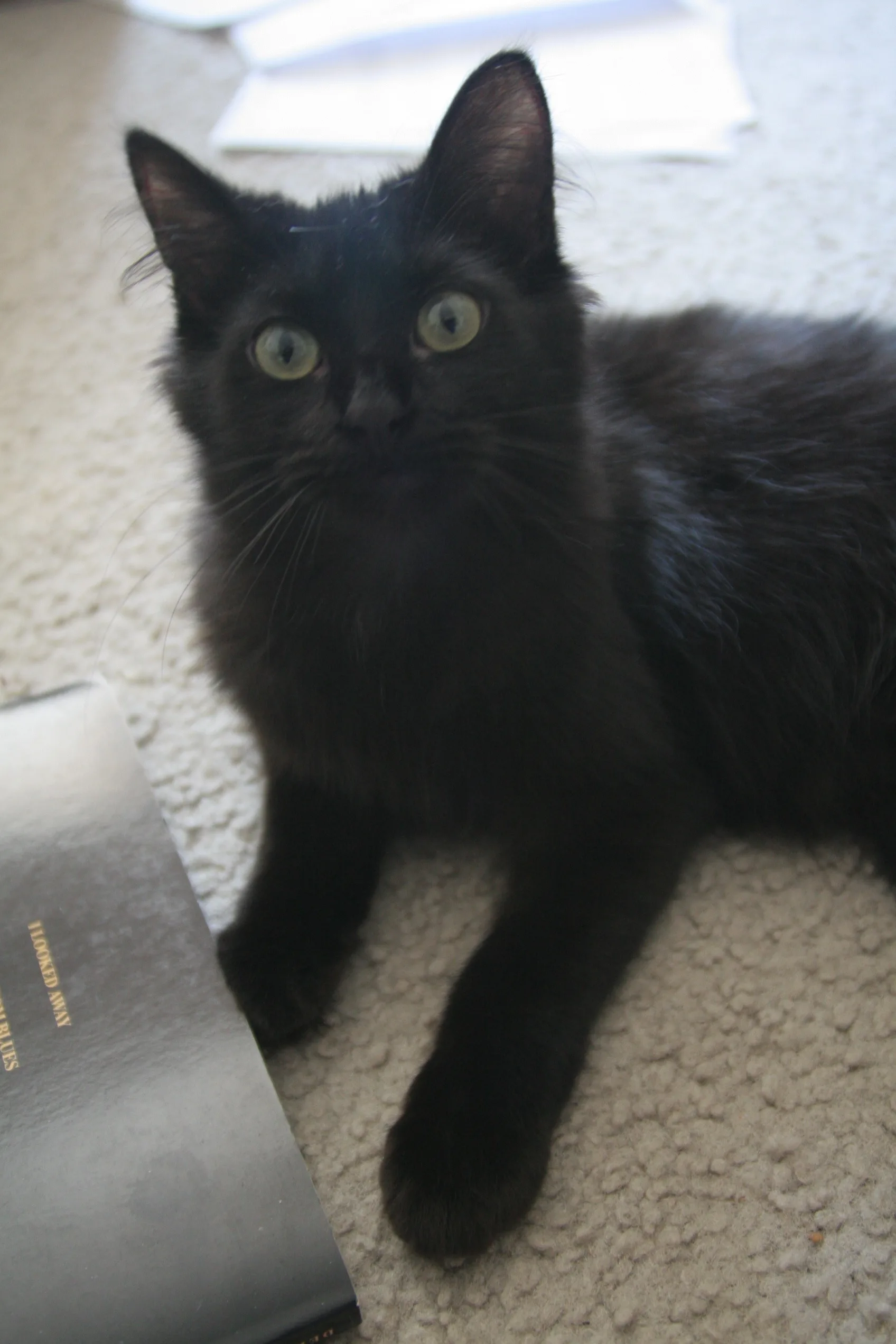
York Chocolate
York Chocolate cost stays close to that of a typical purebred cat, with first-year spending around $2,311 for this rare, silky-coated breed from New York State. Annual costs settle near $1,001, or $83 a month, since the breed has no single defining expensive condition. A standard $2,000 reserve covers routine cardiac screening and dental care.
Acquisition, surgical desexing, initial vet series, and starter hardware.
Normalized baseline at ~$83/month routine cash burn.
Projected over a 15-year York Chocolate lifespan.
$2,000 Liquid Reserve Mandate
Critical bufferNo single defining hereditary syndrome is documented; costs track general feline cardiac and dental risk rather than a breed-specific driver.
Source: MetLife True Cost of Pet Emergencies 2025 (15% of owners hit $3,000+; uninsured surgery $3,000–8,000)
Biometric & phenotypic actuarial spec
Annual Cash Burn Matrix ($1,001/yr)
Continuous operational expenditure distributed across 5 core maintenance categories, indexed to metabolic demand and regional clinical rates.
Food
Vet Care
Grooming
Pet Insurance
Supplies & Toys
Upfront Entry CapEx
Purchase / Adoption Fee ($800), Initial Vet Visit & Vaccinations ($300), Starter Supplies ($260), Litter & Behavior Basics ($40), First Year Food ($214), First Year Vet Care ($260), First Year Grooming ($96), First Year Insurance ($341).
Comprehensive Lifecycle Ledger
Audited financial breakdown distinguishing immediate first-year fixed capitalization from ongoing annualized operating liabilities over the full 13–17 yrs feline lifespan.
| Expenditure Category | Year 01 Outlay | Annual Steady-State | Lifetime Total | Actuarial Sizing Methodology |
|---|---|---|---|---|
| Purchase / Adoption Fee | $800 | — | $800 | Varies by breeder vs rescue |
| Initial Vet Visit & Vaccinations | $300 | — | $300 | Spay/neuter, microchip, health check |
| Starter Supplies | $260 | — | $260 | Litter box, scratching post, carrier, bowls |
| Litter & Behavior Basics | $40 | — | $40 | Litter box training, scratching post basics |
| First Year Food | $214 | — | $214 | — |
| First Year Vet Care | $260 | — | $260 | — |
| First Year Grooming | $96 | — | $96 | — |
| First Year Insurance | $341 | — | $341 | — |
| Food | — | $214 | $3,210 | — |
| Vet Care | — | $260 | $3,900 | — |
| Grooming | — | $96 | $1,440 | — |
| Pet Insurance | — | $341 | $5,115 | — |
| Supplies & Toys | — | $90 | $1,350 | — |
| Gross Actuarial Expenditure | $2,311 | $1,001 / yr | $16,325 | Unadjusted baseline |
Actuarial Health Risk Profile (Tier 3)
No single defining hereditary syndrome is documented; costs track general feline cardiac and dental risk rather than a breed-specific driver.
Hypertrophic Cardiomyopathy
The most common heart disease across all cats; recommended as a routine screening item given limited long-term breed health data.
Obesity
Moderate activity combined with a dense coat can mask gradual weight gain, raising the odds of weight-related disease.
Periodontal Disease
A routine but cost-relevant dental risk shared across most cat breeds, worsened without regular cleanings.
What Truly Drives the York Chocolate’s Financial Profile
About the York Chocolate and its cost
York Chocolate cost starts with scarcity: this rare American breed was developed in New York State in the final decades of the 20th century and is prized for its rich chocolate or lilac coat and semi-long, silky texture. Because so few breeders work with the line, $800 runs higher than for a common shorthair, but day-to-day expenses stay close to breed-average. The coat is low-shedding and resists matting, keeping $96 manageable with weekly brushing. This is a playful, people-oriented cat that enjoys interactive toys and vertical space, adding modestly to $90 but rarely to unplanned vet costs.
What drives York Chocolate costs
Because the York Chocolate has no single defining hereditary syndrome, its costs track closely with general feline health drivers rather than a breed-specific one. Routine cardiac screening for hypertrophic cardiomyopathy, the most common heart disease across all cats, is the main reason $260 and $341 matter here. The breed's moderate activity level combined with its dense coat can mask early weight gain, making obesity a real, cost-relevant risk that shows up in higher $214 and joint-related $260 spending later in life if left unmanaged.
York Chocolate first-year budget
A York Chocolate's first year includes $800 for the kitten, which runs high given how few breeders exist, plus $300 for vaccinations and an initial wellness exam. $260 covers a litter box, bedding, and grooming basics, and $40 for litter and handling habits adds a little more. Layering in $214, $260, $96, and $341 for the rest of the year brings $1,400 in setup costs together with $911 in recurring spending to reach a $2,311 total.
York Chocolate yearly cost after year one
After the first year, a York Chocolate typically costs $1,001 annually, or $83 a month. $214 and $260 make up most of the total, with $96 staying low thanks to the coat's resistance to matting. $341 and $90 round out a steady-state budget that closely tracks the average purebred cat, since this breed carries no single defining condition that pushes any one line item noticeably higher.
Emergency fund for a York Chocolate
A standard $2,000 reserve suits a York Chocolate well, since the breed has no defining expensive syndrome but still carries the general feline risks of cardiac disease and dental emergencies. Setting this reserve aside protects against the unexpected without over-budgeting for a condition this breed is not specifically prone to. Folding it into the $16,325 estimate keeps planning realistic across a typical lifespan with no major surprises baked in.
Cutting York Chocolate costs
Lowering a York Chocolate's $1,001 starts with weight management, since the coat can hide gradual gain that leads to costlier joint and metabolic issues later. Staying current on dental cleanings avoids the far larger bill that comes with advanced periodontal disease. These habits, combined with buying food and litter in bulk, can meaningfully reduce the $16,325 total and keep monthly spending near $83.
4 Prudent Ways to Cut York Chocolate Costs
Buy from a health-conscious breeder
Because the York Chocolate's gene pool is still small, choose a breeder who screens breeding cats for heart and dental health. This reduces your odds of an unexpected diagnosis later.
Watch the coat, not the scale
The thick, silky coat can hide gradual weight gain, so weigh your cat regularly rather than relying on appearance. Catching obesity early keeps $214 and $260 costs from climbing.
Stay current on dental cleanings
Routine dental care is the most controllable recurring cost for any cat, including the York Chocolate. Annual cleanings included in $260 spending are far cheaper than treating advanced periodontal disease.
Insure early while the breed's rarity keeps history thin
With limited breed-specific health data available, $341 offers useful protection against unknowns. Enrolling as a kitten locks in coverage before any condition could be excluded.
Peer Class Financial Comparisons
How the York Chocolate compares to morphological peers on annualized ownership cost.
York Chocolate
Frequently Asked Financial Questions
How much does a york chocolate cost per month?
Is a york chocolate expensive to own?
What are the yearly costs of owning a york chocolate?
How much are york chocolate vet bills?
Do york chocolates need pet insurance?
How much is a york chocolate kitten?
What health problems does a york chocolate have?
Data sources
- Cardiomyopathy in Cats — Merck Veterinary Manual (merckvetmanual.com)
- Obesity in Cats — VCA Animal Hospitals (vcahospitals.com)
- York Chocolate — Wikipedia (en.wikipedia.org)
Calculate Your York Chocolate Cost Adjusted by Metro ZIP Code
Veterinary surgical tariffs and clinical room rates vary widely between metropolitan regions and rural counties. Recalculate this dossier with your exact state, city, and lifestyle parameters.