

Key takeaways
- Heartworm treatment costs an average of $1,200 to $1,800 for a 40-pound dog, per the American Heartworm Society figure cited by CareCredit, while prevention averages $14 a month.
- Over 10 years, prevention at $14 a month plus a $71 yearly test totals about $2,390, which is more than one treatment course. The case for prevention is risk, not savings, because treatment is a months-long ordeal with a dangerous recovery.
- The American Heartworm Society's 2026 survey put Texas first for heartworm incidence for the first time, and the disease is spreading into new areas outside the Southeast.
Heartworm in dogs is cheap to prevent and hard to treat. Treatment costs an average of $1,200 to $1,800 for a 40-pound dog, according to the American Heartworm Society figure CareCredit cites in its 2026 heartworm guide. Prevention averages $14 a month. This guide covers the signs, the real price of each path, a 10-year cost comparison that may surprise you, and the latest national incidence data.
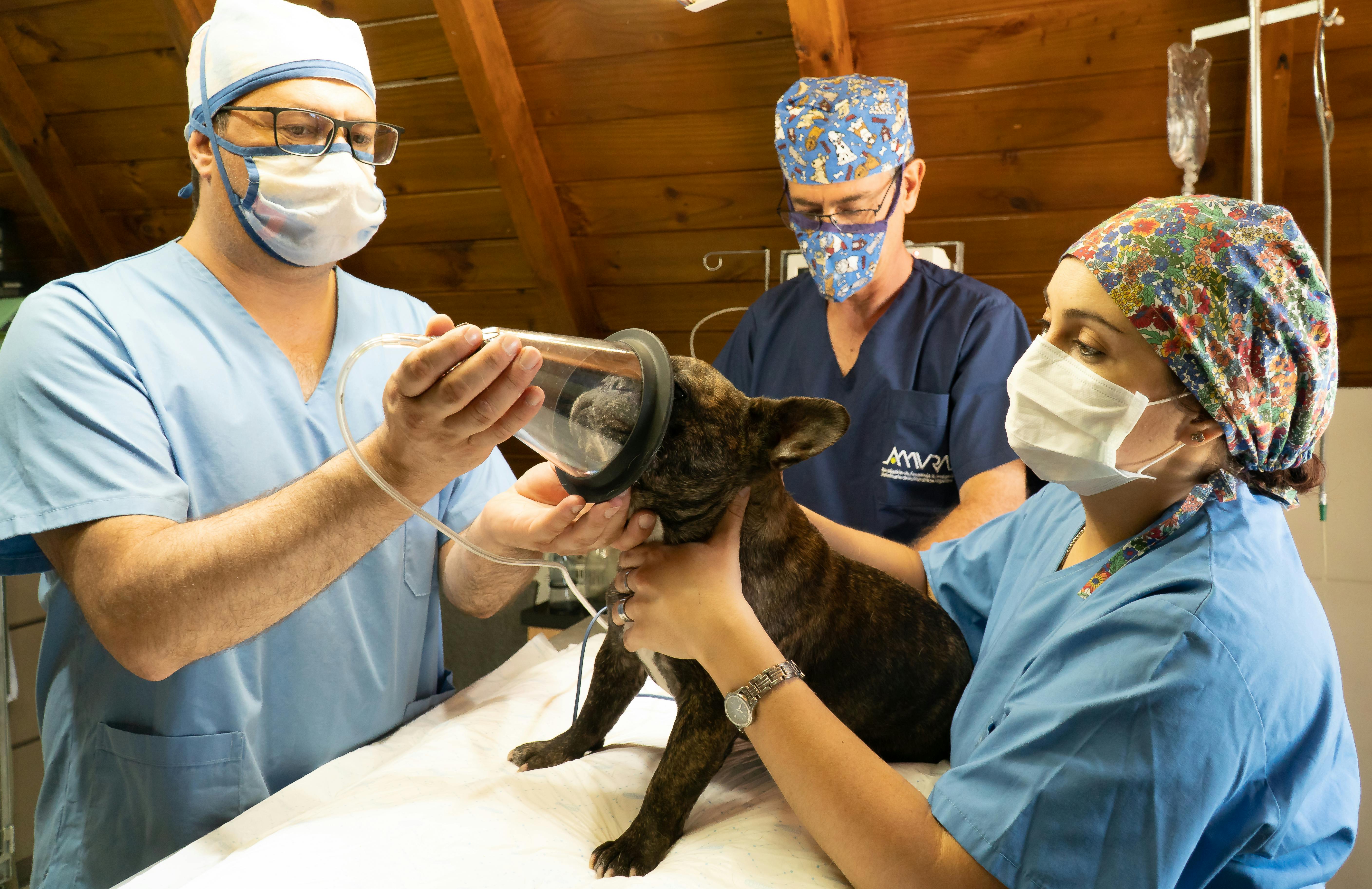 Photo: Juanjo JMM / Pexels
$14 a month
National average heartworm prevention cost, per CareCredit, with a range of $11 to $25. Add it to your dog's yearly budget in the calculator.
How heartworm disease works
Heartworm disease is caused by foot-long worms that live in a dog's heart, lungs, and blood vessels, per the American Heartworm Society's heartworm basics. Mosquitoes spread it. A mosquito bites an infected dog or wild canine, picks up baby worms, and passes them to the next animal.
It takes about 6 months for the larvae to become adult worms. Adults can live 5 to 7 years in a dog. Dogs have been known to carry several hundred worms.
Dogs are a natural host. The worms mature, mate, and multiply inside them. That is why the damage compounds with each mosquito season.
Heartworm symptoms in dogs
Heartworm symptoms in dogs are easy to miss early on. Many infected dogs show few signs or none, per the American Heartworm Society. CareCredit notes that signs may not appear until years after infection.
Signs that do appear include:
- A mild, persistent cough. It is often the first sign owners notice.
- Reluctance to exercise. The dog lags on walks it used to enjoy.
- Fatigue after moderate activity. Recovery takes longer than it should.
- Decreased appetite and weight loss.
- A swollen belly. Fluid builds up when the disease reaches heart failure.
The most dangerous form is caval syndrome. A large worm burden suddenly blocks blood flow in the heart. The signs are labored breathing, pale gums, and dark, coffee-colored urine. The American Heartworm Society says few dogs survive without prompt surgical removal of the blockage.
The takeaway is that waiting for symptoms is the wrong strategy. By the time a dog coughs, the worms have been growing for months. Annual testing finds infection before the damage builds.
Heartworm treatment cost
Heartworm treatment cost averages $1,200 to $1,800 for a 40-pound dog, per the American Heartworm Society figure cited by CareCredit. Treatment is not a single pill. It involves injections of an arsenic-based compound over several months, plus antibiotics and anti-inflammatory medication.
The FDA has approved injectable melarsomine dihydrochloride for killing adult heartworms in dogs, per dvm360's report on the 2026 incidence map.
The dollar figure understates the burden. During treatment, dead worms can lodge in the lung vessels and cause a life-threatening blockage. To lower that risk, dogs must follow strict activity restrictions for the whole treatment period. Permanent heart and lung damage can remain after the worms die, the American Heartworm Society warns.
| Cost item | Typical amount | Source |
|---|---|---|
| Heartworm test | $71 (range $56-$128) | CareCredit |
| Treatment, 40 lb dog | $1,200-$1,800 | American Heartworm Society, via CareCredit |
| Prevention, monthly | $14 (range $11-$25) | CareCredit |
| Prevention, yearly, dogs | $60-$250 | American Heartworm Society, via dvm360 |
| Prevention, yearly, cats and ferrets | $140-$200 | American Heartworm Society, via dvm360 |
Treatment prices climb for bigger dogs because drug doses scale with weight. Ask for a written estimate that lists the test, hospital days, drugs, and rechecks. Our emergency vet cost guide explains how to read an estimate line by line.
Heartworm prevention cost: the 10-year math
Heartworm prevention cost adds up to more than one treatment course over a decade. That is the part most articles skip. At the $14 national average, a dog on prevention spends $168 a year, or $1,680 over 10 years, per CareCredit's price.
Add the yearly test the American Heartworm Society recommends. At $71, ten tests add $710. The decade total is about $2,390.
Without tests, cumulative prevention reaches the $1,200 low end of treatment at about year 7 and the $1,800 high end at about year 11. Those break-even years come from dividing $1,200 and $1,800 by $168 a year.
Does that mean skipping prevention saves money? No. Three facts change the answer.
- Treatment does not replace prevention. A dog that finishes treatment still needs year-round prevention afterward, or it can be reinfected.
- Treatment cost is not the whole bill. It excludes the months of restricted activity, the risk of embolism, and the lasting heart and lung damage.
- Missing one dose is enough. The American Heartworm Society's president told dvm360 that "missing a single dose can set you up for an infection."
Prevention is a risk-control line item, not a savings play. Budget it like car insurance. You pay every month so the large, ugly event does not happen.
Cheaper ways to keep prevention affordable
Prevention costs depend on the product and the dog's weight, so shopping matters. The American Heartworm Society's yearly range for dogs is $60 to $250, a four-fold spread.
- Pick the narrowest product that fits. A heartworm-only chewable costs less than a combination product that also covers fleas, ticks, and intestinal worms. Our flea and tick prevention cost guide compares combination options.
- Compare pack sizes. Multi-dose packs can lower the cost per month, so compare the per-dose price before buying.
- Use manufacturer promotions. The American Heartworm Society notes that rebates and promotions move the annual price within its range.
- Ask for a written prescription. One veterinarian quoted by dvm360 provides one when the dog has had a heartworm test in the past year, which lets you compare pharmacy prices.
- Ask about wellness plans. Some bundle the test and preventive. See the wellness plan versus pet insurance comparison.
Never stretch doses to save money. A gap in coverage is the one thing that makes the cheap option expensive.
Latest news: Texas now leads the nation in heartworm cases
The American Heartworm Society's 2026 survey put Texas first for heartworm incidence for the first time, per dvm360's April 10, 2026 report. The survey drew on more than 1,000 veterinary practices and shelters and covers tests run during 2025. Overall incidence stayed steady over the past three years.
Louisiana, Arkansas, Mississippi, Texas, and South Carolina made up the top five. Tennessee, Alabama, North Carolina, Florida, and Georgia rounded out the top ten.
| Survey finding (2026) | Detail |
|---|---|
| Highest-incidence states | Louisiana, Arkansas, Mississippi, Texas, South Carolina |
| Next five | Tennessee, Alabama, North Carolina, Florida, Georgia |
| New hot spots | East Texas, Florida Panhandle, Southwest Florida, central Carolinas, southern Illinois |
| Newly expanded moderate areas | Southern California, southwest Colorado, east-central Wisconsin, western Virginia, southern Maine |
| Practitioner view since 2023 | 59% same, 19% increased, 22% decreased |
The society's president, Dr. Marisa Ames, attributed Texas's rise partly to people moving into suburban areas where the parasite was already common. She also noted that heartworm occurs in all 50 states. The practical message for owners outside the Southeast is that "low-risk region" is a weakening argument for skipping prevention.
Heartworm in cats
Heartworm disease in cats is different, and prevention is the only protection. Cats are an atypical host, and most worms die before reaching adulthood. A cat with adult worms usually has just one to three, per the American Heartworm Society.
Even a few worms cause harm. Immature worms trigger heartworm associated respiratory disease, which can look like asthma. The medication used to treat dogs cannot be used in cats.
The American Heartworm Society's yearly cost for cats and ferrets is $140 to $200. For cat owners, that makes prevention the only real option. Indoor cats are not exempt, per dvm360.
Where heartworm fits in your yearly budget
Heartworm care is a fixed, predictable yearly cost. A dog's recurring preventive and test land near $239 a year at CareCredit's averages: $168 for the preventive and $71 for the test. Our first-year puppy cost ledger shows where preventive care sits beside vaccines and food.
For the unpredictable side, size an emergency fund. A treatment course of $1,200 to $1,800 is a mid-sized emergency. Use the emergency fund calculator to see how a heartworm bill fits your target. Pet insurance can also change the math, but a heartworm infection that exists before enrollment is a pre-existing condition. The waiting periods guide covers how those rules work.
What to do now
- Test your dog this year. If your dog has gone a year without a test, book one. It costs about $71.
- Start or restart year-round prevention. Pick a product with your vet. Set a phone reminder for the monthly dose.
- Keep prevention year-round. The American Heartworm Society recommends year-round dosing, not seasonal.
- Budget the line. Add roughly $240 a year to the dog's budget.
This article is general information, not veterinary advice. Prices vary by region, product, and dog size. Ask your vet for a written estimate before any treatment.
Frequently asked questions
How much does heartworm treatment cost?
The American Heartworm Society puts the average at $1,200 to $1,800 for a 40-pound dog, as cited by CareCredit. Larger dogs and complicated cases cost more. The figure covers the core treatment, so confirm with the clinic whether tests, hospital days, and follow-up visits are in the estimate.
What are the signs of heartworm in dogs?
Early infection often shows no signs. Later signs include a mild persistent cough, reluctance to exercise, fatigue after moderate activity, decreased appetite, and weight loss. In advanced disease a dog can develop a swollen belly from fluid, which signals heart failure.
How much does heartworm prevention cost per month?
CareCredit reports a national average of $14 a month, with a range of $11 to $25 depending on where you live. Combination products that also cover fleas and ticks cost more. Annual dog costs run $60 to $250 depending on the product's spectrum, per an American Heartworm Society article in dvm360.
Do indoor dogs and cats need heartworm prevention?
Yes. Mosquitoes get indoors, and the American Heartworm Society's president has said indoor cats are not immune. One missed dose can leave a pet exposed. Cats have no approved treatment, so prevention is their only protection.
How often should my dog be tested for heartworm?
The American Heartworm Society recommends annual testing for all dogs, usually at the yearly wellness visit. CareCredit lists the national average test cost at $71, ranging from $56 to $128. The test uses a few drops of blood and gives results in about 10 minutes.
See your own pet's real numbers.
Run the calculator with your breed, metro area, and care choices for a first-year, annual, and lifetime cost estimate — not a national average.
Comments
Comments are moderated before they appear. Constructive questions, corrections and first-hand pet cost experiences are welcome.
Verified Dialogue
Sort by: Chronological (earliest)Loading comments…