

Key takeaways
- Parvo treatment typically costs $1,000 to $8,000, according to PetMD, while a puppy's full core vaccine series runs $330 to $440 including exam fees, per CareCredit pricing data.
- Survival is high with prompt care: 90% of dogs in a Colorado State University trial lived with inpatient treatment and 80% with a structured outpatient protocol.
- The earliest parvo symptoms in puppies are lethargy, no appetite, and fever, followed by vomiting and bloody diarrhea, so a puppy with any of them needs a vet the same day.
Parvo in puppies is a fast, expensive, and largely preventable illness. Treating it typically costs $1,000 to $8,000, according to PetMD's parvo guide. The full vaccine series that prevents it costs $330 to $440 with exam fees. This guide covers the signs, the real price of treatment, the survival data, and a plan so a parvo bill never forces a hard choice.
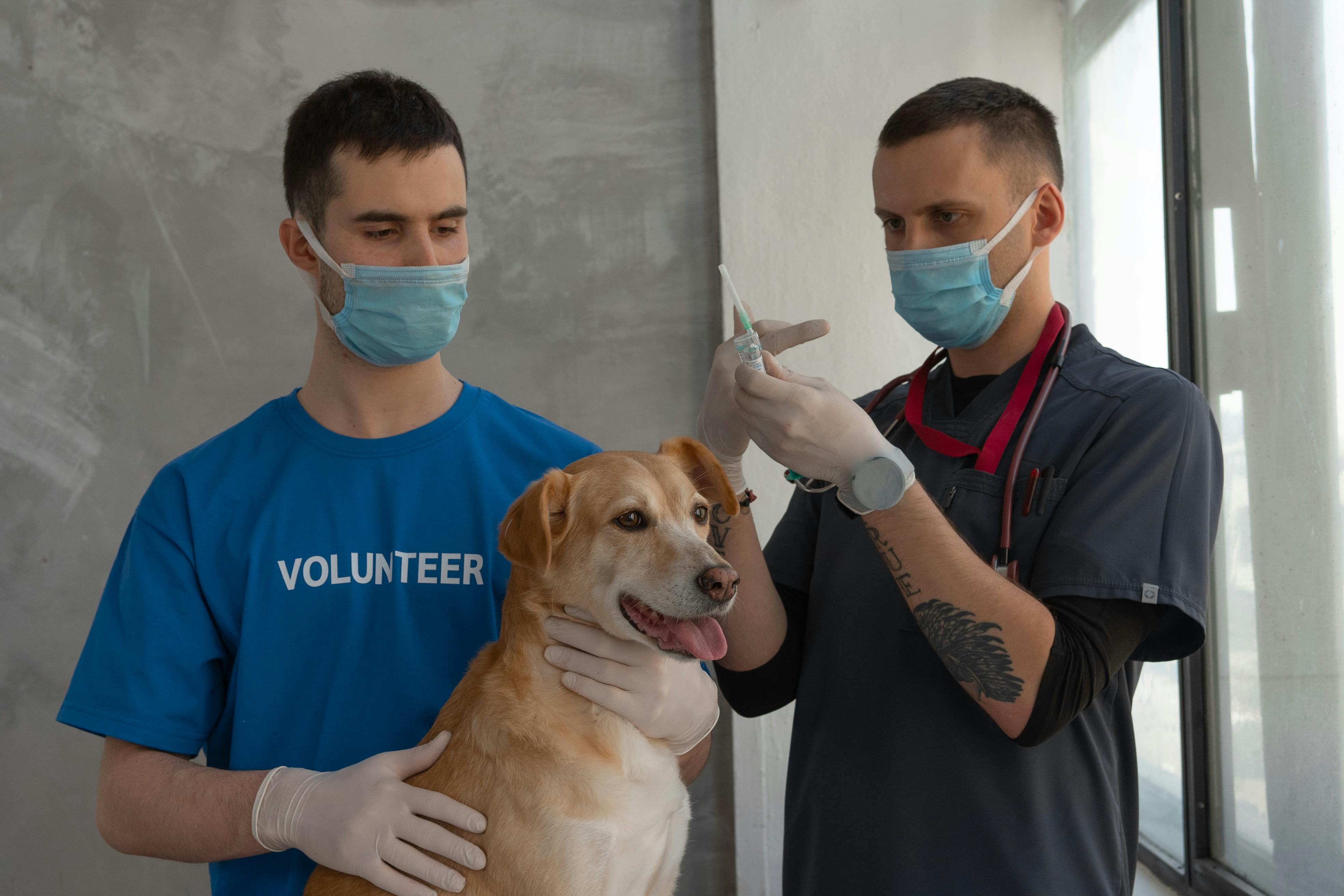 Photo: Mikhail Nilov / Pexels
$1,000-$8,000
Typical parvo treatment cost, per PetMD. A single parvo vaccine dose costs $30-$50. See how vaccines fit into the first-year puppy cost ledger.
What parvo is and why puppies are at risk
Canine parvovirus attacks the intestines and the immune system of dogs. Puppies under four months old and unvaccinated dogs face the highest risk, per NAPHIA's parvovirus cost explainer. The virus spreads through infected feces and survives for months on soil, bowls, leashes, and shoes.
Puppies are vulnerable because of a timing gap. The antibodies a puppy gets from its mother fade over the first weeks of life. Vaccines only work once those antibodies drop low enough, which is why the series runs from about 6 weeks to 16 weeks old.
Humans cannot catch canine parvovirus. People can carry it on shoes and hands to other dogs, though. That is why a puppy that has not finished its shots should avoid dog parks, grooming salons, and pet stores.
Parvo symptoms in puppies
Parvo symptoms in puppies appear three to seven days after infection, per PetMD. The early signs look like an ordinary bad day. The later signs are an emergency.
- Lethargy. The puppy is quiet, will not play, and sleeps more than usual.
- Loss of appetite. A puppy that refuses a meal it normally loves is a warning sign.
- Fever, or an unusually low temperature. Both are listed by NAPHIA. A low body temperature is a bad sign.
- Vomiting. It often starts within a day of the first signs.
- Severe or bloody diarrhea. It has a strong, distinctive smell and is often watery.
- Abdominal pain and dehydration. The belly is tender, the gums are tacky, and the skin is slow to spring back.
Call a vet the same day if a puppy shows two or more of these. Do not wait to see if it passes overnight. Dehydration in a small puppy can turn critical in hours.
A parvo test is a quick fecal swab, and results arrive in about 10 minutes at the clinic. PetMD notes that a negative result does not always rule parvo out. A vet may repeat the test if the signs fit.
How much does parvo treatment cost?
Parvo treatment costs $1,000 to $8,000 on average, per PetMD. NAPHIA reports that bills range from $50 to more than $11,000, with most cases falling into the thousands. The size of the bill depends on three things: how sick the puppy is, how many days it stays in the hospital, and where you live.
NAPHIA says hospital stays often last 3 to 7 days. Most of the cost is isolation fees, IV fluids, nursing care, and medication. Transfusions or plasma add more.
| Cost reference | Reported range | Source |
|---|---|---|
| Typical case | $1,000-$5,000+ | NAPHIA |
| Average treatment | $1,000-$8,000 | PetMD |
| Reported extremes | $50 to over $11,000 | NAPHIA |
| Single parvo vaccine dose | $30-$50 | PetMD |
| Core puppy series with exams | $330-$440 | CareCredit, via PetBudget's vaccine cost guide |
The chart below puts those numbers on one scale. The vaccine series is a sliver. Even a typical parvo case is several times larger, and the worst case is dozens of times larger.
The comparison is stark. At PetMD's $1,000 to $8,000 average, one case costs roughly 2 to 24 times the $330 to $440 vaccine series. That ratio comes from dividing the low and high ends of the two ranges.
Survival rates: inpatient versus outpatient care
Most puppies survive parvo when treatment starts early. PetMD says 85% to 95% survive with prompt, aggressive hospital care. Two peer-reviewed studies summarized by ASPCA Pro show how outpatient protocols compare.
- Colorado State University, 2017. In a randomized trial of 40 dogs, 90% (18 of 20) of the inpatient group and 80% (16 of 20) of the outpatient group survived to discharge. The difference was not statistically significant.
- PSPCA low-cost clinic, 2020. A review of 95 dogs treated as outpatients found an 83% survival rate (79 of 95).
The outpatient numbers matter for budgeting. ASPCA Pro's summary states that outpatient treatment has high survival rates at significantly lower cost than hospitalization. It also warns that not every puppy qualifies. Among the dogs that did not survive the CSU outpatient protocol, most weighed 4 kilograms or less (about 9 pounds) and were 4 months old or younger.
In the PSPCA study, dogs that arrived hypothermic, or that needed IV fluids to stabilize, were less likely to survive. The lesson for owners is simple. Ask the vet whether outpatient care is an option before the bill climbs, and ask early.
Latest news: parvo outbreak at a Texas county shelter
A parvo outbreak at the Guadalupe County Animal Services shelter in Texas made headlines in July 2026. The Guadalupe County Sheriff's Office confirmed that 47 dogs were euthanized over a three-week span, per KSAT's reporting from July 2, 2026. The Seguin Gazette also reported the 47-dog figure.
The story also carried a correction. The sheriff first said a second facility, the Guadalupe County Humane Society, had its own outbreak. He later said there was none and apologized, per KSAT. Early coverage that repeated the first claim was wrong.
Two takeaways apply to any owner. Shelter outbreaks show how quickly parvo spreads where many young dogs share space. They also show the same cost trade-off families face at home: hospitalization is expensive, and when money runs short, treatment can lose out to euthanasia. A funded plan keeps that choice off the table.
What the vaccine series costs
A puppy's core vaccine series costs $330 to $440 including exam fees, across three to four visits. That figure comes from CareCredit's pricing data, laid out shot by shot in PetBudget's dog and cat vaccine cost guide. The shots alone come to about $195.
The parvo vaccine is part of the combination DHPP shot, which averages $42 per dose. PetMD lists a parvo vaccine at $30 to $50. The standard schedule per NAPHIA and PetMD is:
| Age | Parvo-containing vaccine |
|---|---|
| 6-8 weeks | First DHPP dose |
| Every 3-4 weeks until about 16 weeks | Booster doses |
| 1 year | Booster |
| Every 3 years after | Re-vaccination per vet guidance |
Finish the series before dog parks, daycare, or group classes. Skipping a booster to save $42 is the most expensive shortcut in a puppy budget.
Parvo and pet insurance
Most accident-and-illness pet insurance plans cover parvo treatment, per NAPHIA. The conditions are that the puppy was healthy at enrollment, symptoms did not start before the policy began, and the waiting period had passed. Some insurers require proof of vaccination for illnesses that vaccines prevent.
Timing is everything. A puppy that gets sick during the waiting period is generally not covered. PetBudget's waiting periods and pre-existing conditions guide explains how long those windows run. For the premium side of the decision, see the guide to pet insurance for a puppy.
Wellness plans, which bundle routine vaccines, can lower the cost of the series. They do not pay for the emergency itself.
How to budget for a parvo scare
A parvo scare is an emergency-fund problem. The cost is large, the timing is unpredictable, and the decision window is short. The numbers above suggest a simple structure.
- Budget the series first. Put $330 to $440 into the first-year budget. The first-year puppy cost ledger shows where it sits among other expenses.
- Fund a parvo-sized buffer. A $5,000 emergency fund covers the typical case NAPHIA describes and part of PetMD's higher range. See the wider picture in the emergency vet cost guide.
- Decide on insurance before the first vet visit. Enroll early so parvo is not a pre-existing condition.
- Know the cheaper options. Ask about outpatient protocols, payment plans, and shelter clinics before the bill grows.
Use the emergency fund calculator to size a fund for your own dog and metro area. The calculator shows the first-year total for your breed, including the vaccine line.
How to protect a puppy before the series is finished
Vaccine protection builds slowly, so the weeks before 16 weeks old need extra care. PetMD recommends several steps.
- Keep unvaccinated puppies off the ground in public areas. A stroller or carrier works.
- Avoid dog parks, wooded areas, grooming salons, and pet stores until the series is done.
- Let the puppy socialize only with dogs known to be fully vaccinated.
- Wipe paws when coming in from outside.
- Clean shared crates and gear with a disinfectant proven to kill parvo. PetMD names Top Performance 256 as one example.
None of these steps costs more than a few dollars. They shave risk while the vaccines catch up.
When to call the vet
Call a vet the same day for any puppy with vomiting, diarrhea, or extreme lethargy. Go to an emergency clinic if the puppy collapses, has pale gums, struggles to breathe, or feels cold. NAPHIA says early intervention is the most important factor in the outcome.
If the bill is the barrier, say so on the phone. Many clinics offer outpatient protocols, itemized estimates, and payment options. Asking costs nothing, and the answer can change the treatment plan.
This article is general information, not veterinary advice. Costs and survival rates vary by clinic, region, and the individual puppy. Cost figures here come from the sources linked in each section.
Frequently asked questions
How much does parvo treatment cost?
PetMD puts the average at roughly $1,000 to $8,000, and NAPHIA says reported bills range from $50 to more than $11,000. Outpatient care sits at the low end. Several days of hospital isolation with IV fluids, medication, and sometimes transfusions drives the high end.
What are the first signs of parvo in a puppy?
Lethargy, loss of appetite, and fever usually come first, typically three to seven days after infection. Vomiting and severe, often bloody, diarrhea follow quickly. Any puppy showing these signs should see a vet the same day, because dehydration builds fast.
Can a vaccinated puppy still get parvo?
Yes, but it is uncommon. PetMD notes that breakthrough infections happen most often in puppies that have not finished the vaccine series and in dogs with weakened immune systems. A full series plus a booster at one year gives the best protection.
Does pet insurance cover parvo?
Most accident-and-illness plans cover parvo if the puppy was healthy at enrollment and the waiting period has passed, per NAPHIA. Some insurers ask for proof of vaccination. Enrolling before the first vet visit avoids the pre-existing-condition problem.
Can parvo be treated at home?
Only partly. Studies of structured outpatient protocols involve a vet visit for diagnosis and stabilization, then fluids, anti-nausea drugs, and antibiotics given on a schedule. Home care without any veterinary diagnosis and medication is not a safe substitute.
See your own pet's real numbers.
Run the calculator with your breed, metro area, and care choices for a first-year, annual, and lifetime cost estimate — not a national average.
Comments
Comments are moderated before they appear. Constructive questions, corrections and first-hand pet cost experiences are welcome.
Verified Dialogue
Sort by: Chronological (earliest)Loading comments…