

Key takeaways
- A Russian blue kitten from a breeder costs about $500-$4,000 depending on region and pedigree, and adoption runs roughly $50-$300.
- PetBudget's model puts year one at $2,226 and each later year at about $916, or $76 a month, with a lifetime cost near $16,882 over a 17-year life.
- The breed is long-lived and low-maintenance, so the cost is spread over many years rather than concentrated in vet emergencies.
How much does a Russian blue cat cost? The Russian blue cat cost starts at $500-$4,000 for a kitten from a breeder and $50-$300 to adopt. PetBudget's model puts the first year at $2,226 and a full 17-year life at about $16,882, because the breed is small, short-haired and long-lived.
Russian blue cat cost at a glance
The Russian blue cat cost is $500-$4,000 for a breeder kitten, $50-$300 to adopt, and about $916 a year to keep after year one. The table puts the main numbers side by side.
| Cost | Typical amount | Source |
|---|---|---|
| Kitten from a breeder | $900-$4,000 | Spot Pet Insurance, updated September 21, 2026 |
| Kitten from a breeder, wider range | $500-$3,000 | Hepper, January 5, 2026 |
| Adoption fee | $100-$300 | Spot Pet Insurance |
| Adoption fee, wider range | $50-$250 | Hepper |
| First-year total | $2,226 | PetBudget model |
| Each year after year one | $916 | PetBudget model |
| Monthly cost after year one | $76 | PetBudget model |
| Lifetime cost (17-year life) | $16,882 | PetBudget model |
$2,226
First-year cost of a Russian blue in PetBudget's model, including an $800 kitten, vaccines, supplies, food, grooming, and insurance. See the full Russian blue cost breakdown.
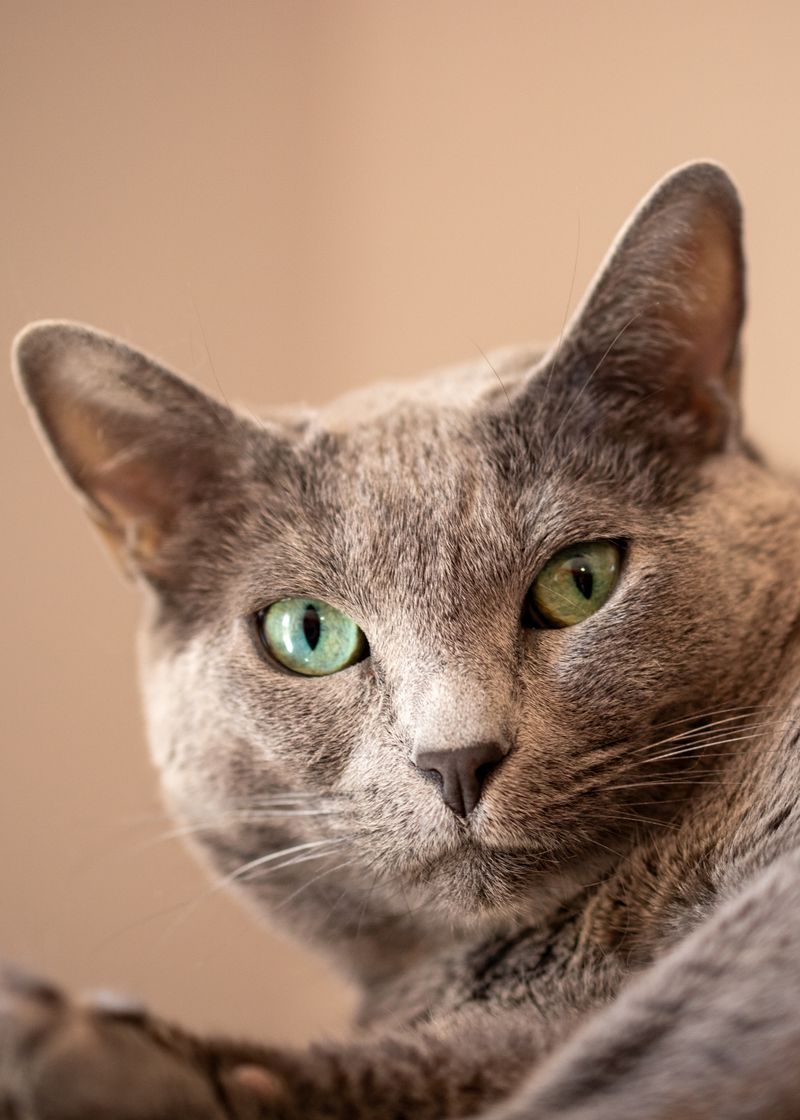 Photo: Renato Rocca / Pexels
How much are Russian blue kittens?
Russian blue kittens cost $500-$3,000 in Hepper's guide and $900-$4,000 in Spot's, and the gap comes from region and pedigree. Hepper's Russian blue cost guide, updated January 5, 2026, puts a breeder kitten at $500-$3,000. It lists a free cat as a likely accidental litter that is not purebred and probably lacks health checks.
Spot Pet Insurance's Russian blue cost guide, updated September 21, 2026, gives regional ranges. The South runs $900-$2,200, the Midwest $900-$2,400, the West $1,400-$3,800 and the Northeast $1,500-$4,000. PetBudget's model uses $800, which fits the lower end of both guides. If you live in the Northeast or West, expect to pay more. Swap in your own quote in the pet cost calculator.
Russian blue kittens price: breeder versus adoption
The Russian blue kittens price is lowest at a shelter and highest from a show-line breeder in a high-cost region. The table compares the paths using the two guides.
| Path | Typical price | Source |
|---|---|---|
| Free or accidental litter | $0 (no health checks) | Hepper |
| Adoption | $50-$300 | Hepper and Spot Pet Insurance |
| Breeder, full range | $500-$3,000 | Hepper |
| Breeder, South and Midwest | $900-$2,400 | Spot Pet Insurance |
| Breeder, Northeast and West | $1,400-$4,000 | Spot Pet Insurance |
Spot says adoption fees of $100-$300 cover initial veterinary care and essential services. A purebred is rare in shelters, so ask local rescues to call you if a Russian blue or a similar gray cat arrives. Whatever the path, ask for vaccination records and a written health guarantee.
How much is a Russian blue in year one?
A Russian blue costs $2,226 in year one in PetBudget's model, and $1,400 of that is one-time setup. The rest is $826 of recurring care for the first twelve months.
| Line item | First year |
|---|---|
| Kitten (model input) | $800 |
| Insurance | $314 |
| Initial vet visit and vaccinations | $300 |
| Starter supplies | $260 |
| Routine vet care | $247 |
| Food | $205 |
| Grooming | $60 |
| Litter and behavior basics | $40 |
| Total | $2,226 |
A $2,000 kitten would put year one near $3,426, and a $3,000 kitten near $4,426. A $200 adoption fee would put it near $1,626. Spot lists initial supplies at $200-$500, microchipping at $50-$70 and first-year vaccinations at $100-$200. Hepper puts setup and supplies at $120-$450 and spay or neuter surgery at $145. For a longer shopping list, see the kitten first-year cost and supplies checklist and how much a cat costs.
Russian blue monthly and yearly cost
After the first year, a Russian blue costs about $916 a year, or $76 a month, in PetBudget's model. Insurance, food and vet care make up almost all of it.
| Line item | Per year |
|---|---|
| Insurance | $314 |
| Routine vet care | $247 |
| Food | $205 |
| Supplies and toys | $90 |
| Grooming | $60 |
| Total | $916 |
Spot lists food at $20-$75 a month, professional grooming at $20-$50 a session and vet care at $100-$300 a month. Hepper puts food at $20-$75, grooming at $0-$15 and insurance at $5-$25 or more a month. The model's $17 a month for food sits below both ranges, so a premium or wet-food diet will push the total up. Feeding amounts are covered in how much to feed a cat.
The dense double coat is the breed's grooming job. PetBudget rates grooming 2 out of 5 and assumes about $60 a year, mostly brushing supplies and the occasional professional bath.
Health costs behind the Russian blue cost
The Russian blue is a healthy breed, and the main costs are weight, urinary stones and aging eyes. PetBudget's breed data lists obesity, bladder stones and progressive retinal atrophy as the key conditions, and rates the breed's health risk 2 out of 5.
| Condition | What it means | Source |
|---|---|---|
| Obesity | Extra weight raises the risk of other illness | AVMA weight management guidance |
| Bladder stones | Part of lower urinary tract disease | Cornell Feline Health Center |
| Progressive retinal atrophy | Age-related vision loss | Merck Veterinary Manual |
| Kidney disease claim, average | $480.39 | Spot Pet Insurance, 2025 claims data |
| Diabetes claim, average | $414.35 | Spot Pet Insurance, 2025 claims data |
Hepper calls the breed "extremely healthy and rarely suffers from any particularly serious health conditions." It still recommends brushing a cat's teeth at least three times a week. Weight is the cost you control. A survey of vet clinics by the Association for Pet Obesity Prevention found 59.5% of cats overweight or obese, per the 11th annual APOP survey, with clinic data collected in October 2018. Check your cat against the healthy cat weight chart.
59.5%
Share of cats classed as overweight or obese in the 11th annual Association for Pet Obesity Prevention survey. PetBudget sets a $2,000 emergency reserve for a cat. See the emergency vet cost guide.
Russian blue cost over a lifetime
The Russian blue lifetime cost is $16,882 in PetBudget's model, and the first year is only 13% of it. The table adds the first-year total to each later year at $916.
| Point in life | Total spent so far |
|---|---|
| Year 1 | $2,226 |
| Year 5 | $5,890 |
| Year 10 | $10,470 |
| Year 17 (lifetime) | $16,882 |
Spot Pet Insurance estimates $12,000 to $26,000 over a lifetime, excluding emergency care, which brackets the model's figure. The model assumes no major surgery. One urinary blockage or a late-life kidney diagnosis would add to any row. A cat that lives 17 years makes time the biggest cost. Use the pet cost calculator to add an emergency line, or compare against the lifetime cost of a dog versus a cat.
Questions to ask a Russian blue breeder
Ask the breeder for proof in writing before you pay a deposit. The questions below suit a short-haired, long-lived breed.
- Are the kittens vaccinated, dewormed and microchipped, and can you see the records?
- What is the age of the parents, and have any relatives had heart, kidney or eye problems?
- Does the contract include a health guarantee and a return policy?
- Is the kitten sold with spay or neuter terms and registration papers?
- How are the kittens socialized before they go home?
A breeder who cannot answer these questions is not saving you money. Missing records usually show up later as vet bills.
Insurance for a Russian blue
Insurance is the biggest recurring line in the Russian blue budget at $314 a year in PetBudget's model. The model starts from the national average for cats in the NAPHIA industry data and adjusts for the breed's risk tier. Spot advertises cat plans from $9 a month, based on a 2-year-old mixed cat with an 80% reimbursement rate and a $750 deductible.
Few cat owners carry a plan. The NAPHIA 2026 State of the Industry highlights put the U.S. cat insurance rate at 2.29% in 2025, against 5.99% for dogs. Enroll while the cat is young, because later findings become pre-existing conditions. Read waiting periods and pre-existing conditions first, then weigh pet insurance against an emergency fund.
Why Russian blue prices vary
Russian blue prices vary because breeder costs, region and pedigree all differ. Cats live in 39% of U.S. households, or about 53 million homes, per Global Pet Industry's summary of the APPA 2026 State of the Industry report.
A price far below $500 deserves a closer look at the breeder. Ask for vaccination and health records in writing. For other purebred cat prices, see the British shorthair price guide and the Persian versus Ragdoll price guide.
How to lower the Russian blue cost
The Russian blue is already a modest-cost breed, but four choices keep the bill lower.
- Insure while young. Cover the cat before kidney, urinary or eye findings show up on the record.
- Keep the weight steady. Measure meals and avoid free feeding, since obesity is a listed breed risk.
- Brush at home. The double coat needs brushing, not a salon, and a brush costs $8 in Hepper's list.
- Adopt first. Check local rescues, where the $50-$300 fee often includes initial veterinary care.
A Russian blue lives about 17 years, so the lifetime total is long even though each year is cheap. To run your own numbers with a different kitten price, open the pet cost calculator. To compare another cat breed, see the Maine Coon kitten price guide.
Frequently asked questions
How much are Russian blue kittens?
A kitten from a U.S. breeder costs $500-$3,000 per Hepper and $900-$4,000 per Spot Pet Insurance, with the Northeast and West at the top. PetBudget's model uses $800 and puts the first-year total at $2,226.
How much does a Russian blue cost per month?
PetBudget's model puts the ongoing cost at about $76 a month after year one, covering food, vet care, grooming, insurance and supplies. Hepper's wider range is $55-$515 or more depending on extras.
What does it cost to adopt a Russian blue?
Spot Pet Insurance lists adoption at $100-$300 and Hepper at $50-$250. Purebred Russian blues are uncommon in shelters, so a Russian blue mix or a similar gray cat is more likely.
How long do Russian blue cats live?
Spot Pet Insurance gives 15-20 years. PetBudget's breed data uses 17 years for its lifetime estimate.
Are Russian blue cats expensive to own?
Not compared with giant dogs. The purchase price is the largest single cost, and ongoing care is modest. The long lifespan is what drives the lifetime total.
See your own pet's real numbers.
Run the calculator with your breed, metro area, and care choices for a first-year, annual, and lifetime cost estimate — not a national average.