

Key takeaways
- TPLO surgery for a torn cruciate ligament costs $2,793-$6,417 per knee, with a national average of $3,525, per CareCredit's April 2026 cost guide.
- Cheaper alternatives exist: extracapsular repair runs $1,500-$3,000 and TTA runs $2,800-$5,500, but the ACVS calls TPLO the most commonly recommended procedure for dogs over 60 lb.
- Pet insurance can cover TPLO if the tear happens after enrollment and the orthopedic waiting period ends, but most insurers exclude the injury as pre-existing if it started earlier and some exclude the second knee as a bilateral condition.
TPLO surgery for a torn cruciate ligament costs $2,793 to $6,417 per knee, with a national average of $3,525, per CareCredit's April 2026 cost guide. The final bill depends on your region, your dog's size, and whether a board-certified surgeon does the cutting. This guide breaks down what's included, the cheaper alternatives, and when pet insurance actually pays to fix a knee that really needs surgery.
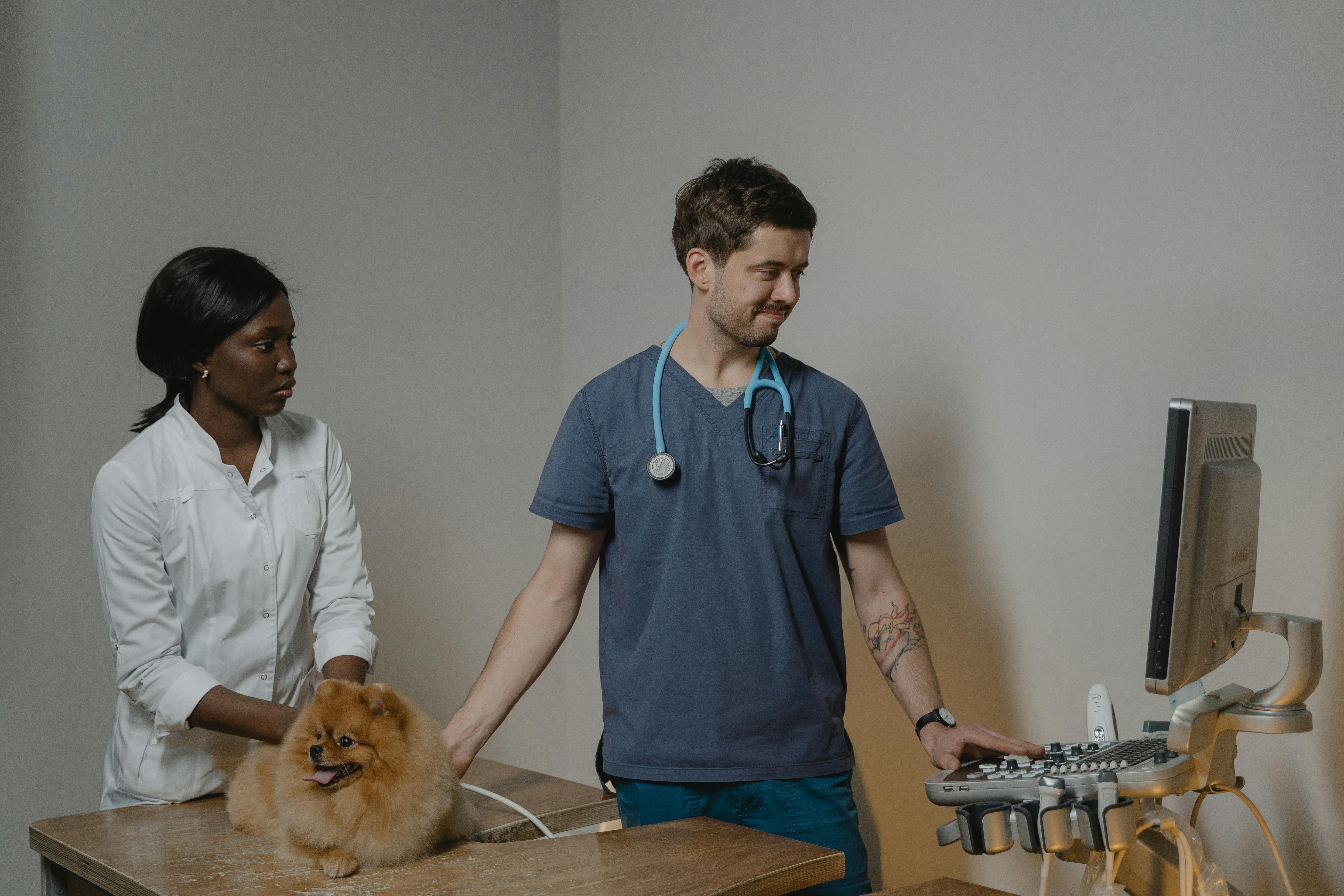 Photo: Tima Miroshnichenko / Pexels
What TPLO is and why vets recommend it
TPLO stands for tibial plateau leveling osteotomy, a surgery that changes the angle of the top of the shin bone so the knee no longer relies on a torn ligament for stability. The American College of Veterinary Surgeons describes the cranial cruciate ligament as the structure that stabilizes the knee. It is the canine equivalent of the human ACL. Its tear is "one of the most common reasons for hind limb lameness, pain, and can cause knee arthritis."
Most tears are degenerative rather than sudden trauma. The ACVS notes that "poor physical body condition and excessive body weight are risk factors." Rottweilers, Newfoundlands, and Labradors show higher rates of the disease. During TPLO, the surgeon makes a semicircular cut around the top of the tibia. The bone is rotated to a level angle, then fixed in place with a metal plate and screws. The ACVS states TPLO "is currently the most commonly recommended procedure by ACVS surgeons" for dogs weighing over 60 pounds. It reports about 93% limb function restored at one year after surgery.
What the cost actually covers
A TPLO quote is rarely just the surgeon's fee. Practices that publish itemized TPLO pricing typically bundle these line items into the total:
- An orthopedic consultation and physical exam
- Pre-operative X-rays to confirm the diagnosis and plan the cut
- Pre-anesthetic bloodwork to clear the dog for surgery
- General anesthesia and intraoperative monitoring
- The TPLO procedure itself, including the titanium or stainless steel plate and screws
- Post-operative X-rays to confirm the plate is positioned correctly
- Overnight hospitalization
- Pain management and an e-collar to send home
Post-op rehabilitation is often priced separately. Hydrotherapy, controlled leash walks, and range-of-motion sessions add to the total. They also improve the odds of a full recovery. Ask your surgeon for a written estimate that separates the surgical fee from rehab. That split makes it easier to budget each piece.
$3,525
National average cost of TPLO surgery for a dog, per CareCredit's April 2026 guide, with a $2,793-$6,417 range by location. Run your dog's breed and age through the pet cost calculator to see how a surgery bill this size fits your annual budget.
TPLO vs. the alternatives
TPLO is not the only way to repair a torn cruciate ligament, and it is not always the cheapest. The table below compares the four main paths dogs take after diagnosis.
| Treatment | Typical cost | Recovery time | Best for |
|---|---|---|---|
| TPLO | $2,793-$6,417 per knee, national average $3,525 | 12-16 weeks to full activity | Dogs over 60 lb, active dogs, ACVS's most-recommended option |
| TTA (tibial tuberosity advancement) | $2,800-$5,500 | Comparable to TPLO, several weeks of restricted activity | Similar candidates to TPLO; some surgeons prefer it for certain knee angles |
| Extracapsular repair (lateral suture) | $1,500-$3,000 | Similar timeline, often slightly shorter | Small and lightweight dogs; the ACVS calls it a "less costly" option |
| Conservative management | Ongoing cost of medication, supplements, and rehab, no surgical fee | No fixed endpoint; instability continues | Dogs who are poor surgical candidates or owners who cannot afford surgery |
TPLO cost figures come from CareCredit's cost guide, cited above. Procedure descriptions and the "less costly" note on extracapsular repair come from the ACVS cranial cruciate ligament disease page.
Extracapsular repair remains the standard for small dogs. Their lower body weight puts less strain on the sutured joint. For larger, more active dogs, the ACVS notes that extracapsular repair carries "higher rates of arthritis" over time. That is why TPLO or TTA are favored for bigger breeds, even though they cost more upfront.
Conservative management skips surgery entirely. It relies on pain medication, exercise limits, joint supplements, and sometimes a knee brace. The ACVS warns that with this route "knee pain persists because of continued knee instability." It tends to suit dogs who cannot safely undergo anesthesia, not owners simply trying to save money.
Does pet insurance cover TPLO surgery?
Yes, but only under specific conditions. Pet insurance pays for TPLO when the cruciate tear happens after your policy's enrollment date. The orthopedic waiting period must also have ended, and the injury must not be classified as pre-existing. Reimbursement typically runs 60% to 90% of the eligible bill after the deductible, per MoneyGeek's August 2026 TPLO coverage guide.
The same guide lists orthopedic waiting periods that range widely by insurer. ASPCA, Pumpkin, and Spot set 14 days. Trupanion sets 5 days for accidents and 14 days for illness. Healthy Paws sets 15 days, AKC sets 180 days, and Nationwide sets 12 months. A dog that tears its ligament during that window gets no payout for the surgery. That gap is covered in more detail in the waiting periods and pre-existing conditions guide.
Two exclusions catch owners off guard:
- Pre-existing status. If a vet recorded limping, lameness, or advice about the knee before the policy started or during the waiting period, the insurer can deny the claim as pre-existing, even after the wait ends.
- Bilateral exclusions. MoneyGeek's guide notes that "if your dog tears one CCL after coverage begins and waiting periods end, most insurers cover that surgery." But "if your dog later tears the other CCL, some insurers exclude the second knee as a bilateral condition." This matters because the ACVS states that 40-60% of dogs with a cruciate tear in one knee eventually tear the other.
Trupanion's own claims data, published in a December 2017 case report, put the average repair cost around $3,800. It noted the bill can "easily exceed $5,000 per knee," and called cruciate tears "one of the most common claims" the insurer sees for dogs. That figure predates current pricing, but it shows the claim has been routine and expensive for years.
Timing a policy before a tear happens
TPLO is one of the priciest common claims a dog owner faces, so timing matters more here than for routine care. Buy coverage while your dog is young and shows no signs of limping. Any vet note about the knee before enrollment can trigger the pre-existing exclusion. The pet insurance worth-it math walks through how to weigh a monthly premium against a bill this size across a dog's full lifetime, not just one surgery.
If your dog already has a diagnosed tear and no coverage, insurance will not help with this bill. At that point the choice is between financing options like CareCredit, a payment plan from the surgical practice, or paying from savings. The emergency vet cost guide covers how to plan for a bill this size on short notice. It also explains what a payment plan typically requires.
Recovery timeline after TPLO
Recovery is gradual and follows a fairly predictable schedule across most practices that publish aftercare instructions:
- Week 1: Strict crate or pen rest, with leash walks limited to bathroom breaks only.
- Weeks 2-6: Incision check around week two, then gradually longer controlled leash walks and range-of-motion exercises.
- Weeks 6-12: Hydrotherapy and balance work begin, building strength without full weight-bearing stress.
- Week 8: Follow-up X-rays confirm the bone cut has healed enough to support normal activity.
- Weeks 12-16: Gradual return to full activity, with high-impact movement like jumping or fetch reintroduced last, often not until month five or six.
Most dogs reach normal activity levels by three to four months after surgery. Full muscle mass returns by four to six months. Skipping crate rest or rehab in the early weeks is the most common cause of implant failure or a slower recovery. The confinement period is not optional, even once a dog looks comfortable walking.
Work out what you'd pay
A knee surgery bill can rival a used car down payment, hiding inside an otherwise manageable pet budget. It is exactly the kind of bill that makes insurance math worth doing before an injury happens. Start with the pet cost calculator to see your dog's estimated annual and lifetime costs. Then compare that number against a $3,525 average surgery bill, plus the premium, waiting period, and exclusions on any policy you're considering.
Frequently asked questions
How much does TPLO surgery cost for a dog?
TPLO surgery costs $2,793 to $6,417 per knee, with a national average of $3,525, per CareCredit's April 2026 cost guide. The bill also depends on your region, your dog's size, and whether a board-certified surgeon performs the procedure.
Does pet insurance cover TPLO surgery?
Yes, if the cruciate tear happens after your policy's enrollment date and orthopedic waiting period end, and the condition is not pre-existing. Reimbursement typically runs 60% to 90% of the eligible bill after the deductible, per MoneyGeek's August 2026 coverage guide. A tear diagnosed or treated before coverage started is excluded.
What is the cheapest alternative to TPLO surgery?
Extracapsular repair (lateral suture) is the least expensive surgical option, at roughly $1,500-$3,000, and remains standard for small dogs. Conservative management with rest and bracing avoids surgery cost entirely but leaves knee instability that can cause lasting arthritis.
See your own pet's real numbers.
Run the calculator with your breed, metro area, and care choices for a first-year, annual, and lifetime cost estimate — not a national average.