
How Much Does an American Foxhound Cost Per Year?
American Foxhound cost varies most by how the dog is acquired and how much distance running its joints and ears log over a lifetime. Budget for a modest $1,100 at the outset, since this breed is more often found through rescues and hunt clubs than commercial breeders. Ongoing costs stay close to the average for a large, active hound rather than spiking toward specialist-heavy tiers.
Executive cost summary
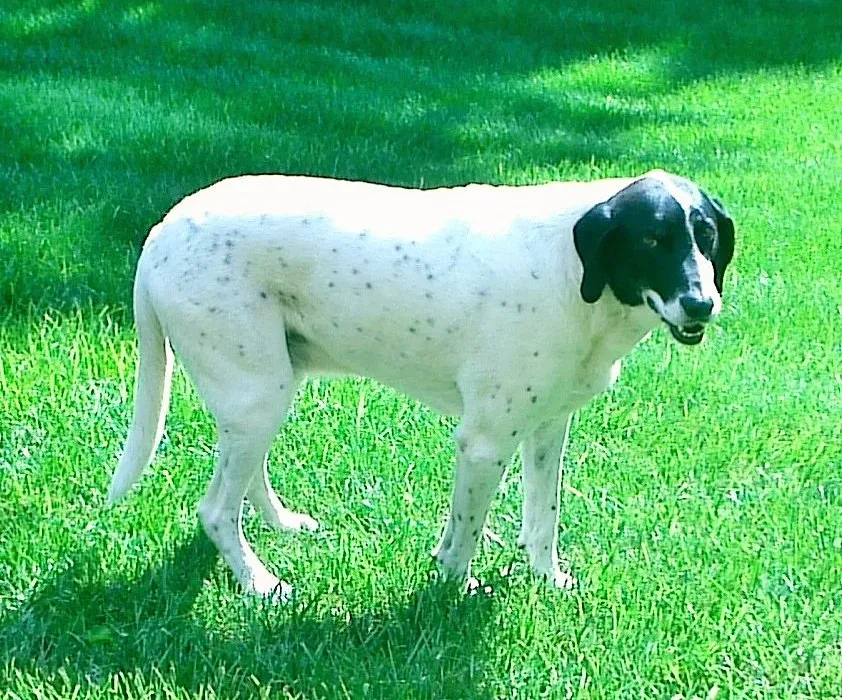
American Foxhound
American Foxhound cost varies most by how the dog is acquired and how much distance running its joints and ears log over a lifetime. Budget for a modest $1,100 at the outset, since this breed is more often found through rescues and hunt clubs than commercial breeders. Ongoing costs stay close to the average for a large, active hound rather than spiking toward specialist-heavy tiers.
Acquisition, surgical desexing, initial vet series, and starter hardware.
Normalized baseline at ~$215/month routine cash burn.
Projected over a 12-year American Foxhound lifespan.
$4,000 Liquid Reserve Mandate
Critical bufferA generally hardy working hound whose main cost drivers are routine ear care and orthopedic wear from high exercise demands rather than a single defining expensive syndrome.
Source: MetLife True Cost of Pet Emergencies 2025 (15% of owners hit $3,000+; uninsured surgery $3,000–8,000)
Biometric & phenotypic actuarial spec
What a American Foxhound costs, year by year
Cumulative spend across a 12-year life in today's dollars, with the same curve at 3% and 8% yearly inflation. Year 1 carries the acquisition and setup bill.
- Food & nutrition
- Vet & insurance
- Grooming & coat
- Setup & sundries
- - - - at 3% inflation: $39,103
- · · · at 8%: $51,463
Where the big bills land
Bars are routine one-off vet events (vaccine boosters, dental cleanings, bloodwork, spay/neuter). Diamonds are sourced condition treatments for this breed.
66th percentile
60th percentile
Ranked against 265 other dog breeds in this directory.
View as a table
| Year | Spend | Cumulative | Routine vet events |
|---|---|---|---|
| 1 | $5,028 | $5,028 | $751 |
| 2 | $2,583 | $7,611 | $77 |
| 3 | $2,583 | $10,194 | $543 |
| 4 | $2,583 | $12,777 | $164 |
| 5 | $2,583 | $15,360 | $620 |
| 6 | $2,583 | $17,943 | $164 |
| 7 | $2,583 | $20,526 | $543 |
| 8 | $2,583 | $23,109 | $241 |
| 9 | $2,583 | $25,692 | $871 |
| 10 | $2,583 | $28,275 | $328 |
| 11 | $2,583 | $30,858 | $784 |
| 12 | $2,583 | $33,441 | $328 |
- Bloat (gastric dilatation-volvulus): about $4,750 once, from year 12 (MetLife Pet Insurance, Bloat in Dogs (metlifepetinsurance.com/blog/pet-health/bloat-in-dogs), 2026-09, medium confidence)
Annual Cash Burn Matrix ($2,583/yr)
Continuous operational expenditure distributed across 5 core maintenance categories, indexed to metabolic demand and regional clinical rates.
Food
Source: Derived: veterinary MER formula + mid-tier dry kibble price (2026-01)
Vet Care
Source: Modeled estimate, not a sourced figure. Category basis: ASPCA / AAHA routine wellness composite (annual exam, vaccines, parasite control) x size 1.06 x risk 1 (2026-01)
Grooming
Source: Modeled estimate, not a sourced figure. Category basis: Rover / PetSmart service menu, short-coat baseline (grooming rating 2) x coat 0.4 (2026-01)
Pet Insurance
Source: Derived: NAPHIA State of the Industry 2025 (2024 data), accident & illness dog average x size 1.08 x risk 1 (2026-01)
Supplies & Toys
Source: Derived: Synchrony Pet Lifetime of Care 2025 (toy replacement $50–150/yr) plus routine consumables x size 1.15 (2026-01)
Upfront Entry CapEx
Purchase / Adoption Fee ($1,100), Initial Vet Visit & Vaccinations ($700), Starter Supplies ($546), Training Classes ($260), First Year Food ($835), First Year Vet Care ($700), First Year Grooming ($78), First Year Insurance ($809).
Comprehensive Lifecycle Ledger
Audited financial breakdown distinguishing immediate first-year fixed capitalization from ongoing annualized operating liabilities over the full 11–13 yrs canine lifespan.
| Expenditure Category | Year 01 Outlay | Annual Steady-State | Lifetime Total | Actuarial Sizing Methodology |
|---|---|---|---|---|
| Purchase / Adoption Fee | $1,100 | — | $1,100 | Varies by breeder vs rescue |
| Initial Vet Visit & Vaccinations | $700 | — | $700 | Spay/neuter, microchip, health check |
| Starter Supplies | $546 | — | $546 | Bed, crate, collar, bowls, toys |
| Training Classes | $260 | — | $260 | Basic obedience recommended |
| First Year Food | $835 | — | $835 | — |
| First Year Vet Care | $700 | — | $700 | — |
| First Year Grooming | $78 | — | $78 | — |
| First Year Insurance | $809 | — | $809 | — |
| Food | — | $835 | $10,020 | — |
| Vet Care | — | $700 | $8,400 | — |
| Grooming | — | $78 | $936 | — |
| Pet Insurance | — | $809 | $9,708 | — |
| Supplies & Toys | — | $161 | $1,932 | — |
| Gross Actuarial Expenditure | $5,028 | $2,583 / yr | $33,441 | Unadjusted baseline |
Actuarial Health Risk Profile (Tier 3)
A generally hardy working hound whose main cost drivers are routine ear care and orthopedic wear from high exercise demands rather than a single defining expensive syndrome.
Hip Dysplasia
A large, active hound built for distance running can develop loose hip joints that wear unevenly over time, leading to arthritis pain later in life.
- Typical treatment cost (one-time)
- $7,000–$9,000
medium confidence · Iowa State University Lloyd Veterinary Medical Center, Total Hip Replacement, 2026-09
Ear infections
Long, low-hanging ears trap moisture and debris after fieldwork or swimming, making recurring infections a routine part of ownership for this breed.
- Typical treatment cost (one-time)
- $150–$390
low confidence · Hepper, How Much Does It Cost to Treat a Dog Ear Infection at the Vet, 2026-09
Bloat (gastric dilatation-volvulus)
As a deep-chested large breed, the American Foxhound carries an elevated risk of this sudden, life-threatening stomach emergency that requires immediate surgery.
- Typical treatment cost (one-time)
- $2,000–$7,500
Typically appears at age 9–12
medium confidence · MetLife Pet Insurance, Bloat in Dogs, 2026-09
Thrombocytopathy
A hereditary platelet function disorder documented in the breed can cause excessive bruising or bleeding after injury or surgery, raising diagnostic and monitoring costs.
Costs are typical for the condition in general, not specific to the American Foxhound. See the American Foxhound cost timeline
What Truly Drives the American Foxhound’s Financial Profile
About the American Foxhound and its cost
The American Foxhound is one of the oldest dog breed lines native to the United States. George Washington is often credited as its founding breeder, crossing English hounds with French hounds gifted by the Marquis de Lafayette to create the foundation stock at Mount Vernon. That working, pack-hound history still shapes cost today. American Foxhound cost starts lower than many large breeds because these dogs are rarely bred for the pet market. Most owners adopt through hound rescues or acquire a retired pack dog for a modest fee. The breed's short coat keeps grooming spend minimal, needing little more than a bristle brush a few times a month. But the American Foxhound temperament, built around scenting drive and stamina, means fencing, leash equipment, and training investment matter more than coat care. First-year costs cluster around $5,028, with the bulk going to initial vet visits and setup gear rather than the purchase price itself.
What drives American Foxhound costs
Costs track the breed's size and activity level. A 65-to-75-pound dog eats more than a small breed, and the joint wear from daily running raises the odds of arthritis management later in life. Ear infections from the pendant ears are the most frequent vet visit. The deep chest behind bloat risk means owners should budget for possible emergency surgery. Insurance premiums reflect large-breed averages, and the $2,583 yearly figure holds steady unless a chronic condition emerges.
Buying an American Foxhound puppy
American Foxhounds are mostly bred for packs, so pet puppies come from a small pool. The $1,100 budget assumes a breeder who screens hips and understands bloat and thrombocytopathy. Ask for written results and a guarantee. The $700 first vet visit comes before $2,583 a year.
American Foxhound first-year budget
The first year combines one-time costs of $2,606 with recurring costs, for a $5,028 total. One-time costs include $1,100 for acquisition, $700 for early exams and vaccines, $546 for a crate, leash, and bedding sized for a large dog, and $260 for basic obedience given the breed's independent streak and strong scenting drive. Recurring first-year costs of $2,422 cover $835 for food, $700 for wellness visits, $78 for grooming, and $809 for insurance, started early to cover the breed's orthopedic and bloat risk.
American Foxhound yearly cost after year one
Once past setup, annual costs settle at $2,583, or roughly $215 spread across the year. The largest recurring lines remain $835, given the dog's size and activity level, and $700 for wellness exams and ear checks. $78 stays modest thanks to the short coat, while $809 continues to guard against the breed's bloat and joint risks without a major jump year over year.
Emergency fund for an American Foxhound
A dedicated $4,000 reserve is worth building specifically because bloat surgery and joint injuries from this breed's high activity level can arrive without warning. Owners without insurance should treat this reserve as non-negotiable, since a single bloat episode can rival a meaningful slice of the $33,441 total cost of ownership. Even insured owners benefit from a reserve to cover deductibles and any excluded conditions.
Cutting American Foxhound costs
The clearest way to bend the $33,441 curve downward is preventing the two most common issues this breed faces: ear infections and joint wear. Consistent ear care and weight management reduce vet visits more reliably than any one-time purchase decision. Buying supplies in bulk and choosing a mid-tier insurance plan instead of skipping coverage both help keep the $215 figure predictable rather than volatile from one year to the next.
5 Prudent Ways to Cut American Foxhound Costs
Adopt through a hound rescue
American Foxhounds are frequently surrendered by hunt clubs and packs, so breed-specific rescues often place healthy adults for a fraction of a breeder's price. This single choice has the biggest effect on lowering $1,100.
Clean ears on a fixed schedule
A weekly ear-cleaning routine after outdoor activity catches moisture buildup before it becomes an infection requiring a vet visit and medication. This is far cheaper than treating a chronic ear problem.
Feed a large-breed formula and control weight
Keeping this athletic hound lean reduces joint stress and slows the onset of arthritis, cutting long-term vet spend. Measuring meals instead of free-feeding also stretches the food budget.
Enroll in insurance while young
Locking in a policy before any hip or platelet issue appears avoids exclusions later and keeps the $809 line predictable. Compare accident-and-illness plans rather than accident-only for a breed with orthopedic risk.
Build the emergency fund early
Because bloat can strike with little warning and demands same-day surgery, setting aside the $4,000 reserve in the first year matters more for this breed than for less deep-chested dogs.
Peer Class Financial Comparisons
How the American Foxhound compares to morphological peers on annualized ownership cost.
American Foxhound
Frequently Asked Financial Questions
How much does an American Foxhound cost from a breeder?
How much does it cost to adopt an American Foxhound?
What is the lifetime cost of owning an American Foxhound?
How much do American Foxhound puppies with strong pedigree cost?
Is an American Foxhound expensive to own?
How much does American Foxhound pet insurance cost?
What monthly costs should I expect for an American Foxhound?
Do American Foxhounds need expensive grooming?
How much does an American Foxhound puppy for sale cost?
What should I ask an American Foxhound breeder before buying?
How long do American Foxhounds live?
Data sources
- American Foxhound Breed Standard — American Kennel Club (akc.org)
- Gastric Dilatation-Volvulus — American College of Veterinary Surgeons (acvs.org)
- Section 3: Average Pet Insurance Premiums — NAPHIA (naphia.org)
- American Foxhound — Wikipedia (en.wikipedia.org)
Calculate Your American Foxhound Cost Adjusted by Metro ZIP Code
Veterinary surgical tariffs and clinical room rates vary widely between metropolitan regions and rural counties. Recalculate this dossier with your exact state, city, and lifestyle parameters.