
Beagle Cost & Ownership Dossier
Beagle cost stays modest for a small hound, with $3,900 covering the puppy, initial vetting, and starter gear. Ongoing spend settles near $152, shaped mostly by food discipline and ear health rather than any single expensive condition. Across a long typical lifespan, plan for roughly $25,800.
Executive cost summary
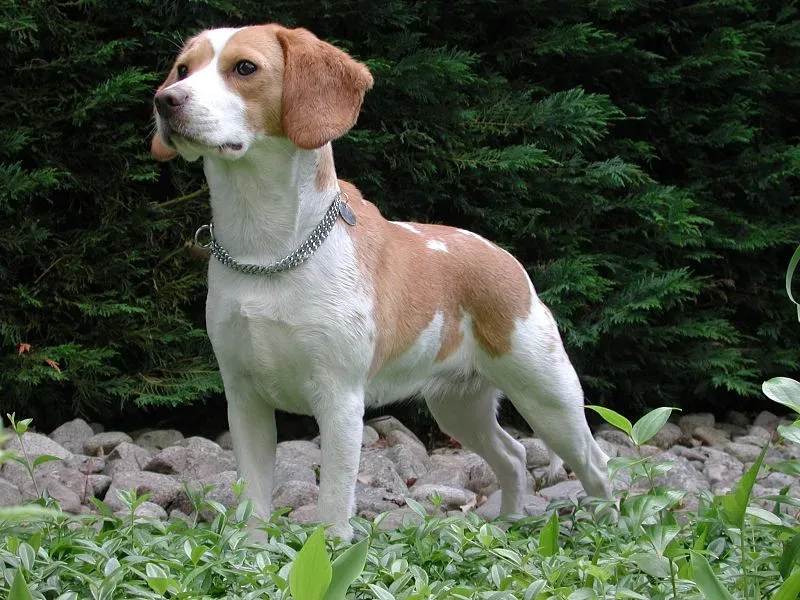
Beagle
Beagle cost stays modest for a small hound, with $3,900 covering the puppy, initial vetting, and starter gear. Ongoing spend settles near $152, shaped mostly by food discipline and ear health rather than any single expensive condition. Across a long typical lifespan, plan for roughly $25,800.
Acquisition, surgical desexing, initial vet series, and starter hardware.
Normalized baseline at ~$152/month routine cash burn.
Projected over a 13-year Beagle lifespan.
$2,000 Liquid Reserve Mandate
Critical bufferBreed-average health profile with manageable predispositions to ear infection, hip dysplasia, and weight-related conditions, offset by a lifelong medication cost for the epilepsy-prone minority.
Source: MetLife True Cost of Pet Emergencies 2025 (15% of owners hit $3,000+; uninsured surgery $3,000–8,000)
Biometric & phenotypic actuarial spec
Annual Cash Burn Matrix ($1,825/yr)
Continuous operational expenditure distributed across 5 core maintenance categories, indexed to metabolic demand and regional clinical rates.
Food
Vet Care
Grooming
Pet Insurance
Supplies & Toys
Upfront Entry CapEx
Purchase / Adoption Fee ($900), Initial Vet Visit & Vaccinations ($607), Starter Supplies ($437), Training Classes ($260), First Year Food ($337), First Year Vet Care ($607), First Year Grooming ($78), First Year Insurance ($674).
Comprehensive Lifecycle Ledger
Audited financial breakdown distinguishing immediate first-year fixed capitalization from ongoing annualized operating liabilities over the full 12–15 yrs canine lifespan.
| Expenditure Category | Year 01 Outlay | Annual Steady-State | Lifetime Total | Actuarial Sizing Methodology |
|---|---|---|---|---|
| Purchase / Adoption Fee | $900 | — | $900 | Varies by breeder vs rescue |
| Initial Vet Visit & Vaccinations | $607 | — | $607 | Spay/neuter, microchip, health check |
| Starter Supplies | $437 | — | $437 | Bed, crate, collar, bowls, toys |
| Training Classes | $260 | — | $260 | Basic obedience recommended |
| First Year Food | $337 | — | $337 | — |
| First Year Vet Care | $607 | — | $607 | — |
| First Year Grooming | $78 | — | $78 | — |
| First Year Insurance | $674 | — | $674 | — |
| Food | — | $337 | $4,381 | — |
| Vet Care | — | $607 | $7,891 | — |
| Grooming | — | $78 | $1,014 | — |
| Pet Insurance | — | $674 | $8,762 | — |
| Supplies & Toys | — | $129 | $1,677 | — |
| Gross Actuarial Expenditure | $3,900 | $1,825 / yr | $25,800 | Unadjusted baseline |
Actuarial Health Risk Profile (Tier 3)
Breed-average health profile with manageable predispositions to ear infection, hip dysplasia, and weight-related conditions, offset by a lifelong medication cost for the epilepsy-prone minority.
Ear infections
Droopy ears trap moisture and wax, making chronic infection common and requiring frequent veterinary cleaning and medication.
Obesity
Strong food drive and scent-tracking behavior promote overeating; weight gain accelerates joint and metabolic problems.
Hip Dysplasia
Joint malformation causing arthritis and reduced mobility, particularly in older dogs, sometimes requiring surgical correction.
Epilepsy
Beagles show an elevated rate of idiopathic seizures, which typically requires lifelong anticonvulsant medication and monitoring.
What Truly Drives the Beagle’s Financial Profile
About the Beagle and its cost
Beagle cost reflects a sturdy, merry little hound developed to hunt rabbits and hares, making it a natural-born scent tracker with a nose that drives constant exploration. Its compact size and short coat keep grooming spend minimal, while its pack-oriented nature makes it thrive on companionship and social activity. As one of the more popular breeds, puppies and rescues are widely available, keeping purchase prices moderate. With a typical lifespan reaching well into the teens, Beagles are long-term companions whose costs are best planned across many years rather than any single expensive year.
What drives Beagle costs
Food and ear health are the primary cost drivers for Beagles. Their keen sense of smell and scavenging instinct promote overeating if portions are not controlled, raising both food bills and obesity-related vet costs over time. Droopy ears are prone to yeast and bacterial infection, requiring frequent professional cleaning and medication. Hip dysplasia screening and preventive joint care add to routine vet expenses as the dog ages, and a minority of Beagles develop epilepsy, which brings a lifelong medication cost once diagnosed.
Beagle first-year budget
The first year is front-loaded with setup costs. $900 secures the puppy, then $607 covers the vaccine series, spay or neuter, and microchip. $437 buys a crate, bedding, and basic gear, and $260 pays for a puppy class that curbs this determined breed's independent streak. Recurring costs in year one stay modest: $337 for small-breed kibble, $607 for parasite prevention and rechecks, $78 for a low-maintenance short coat, and $674 if you enroll early. One-time items total $2,204, recurring items $1,696, and the year lands at $3,900.
Beagle yearly cost after year one
Once setup is done, the Beagle settles into a predictable pattern near $1,825 a year, or about $152 a month. $337 needs careful portioning to avoid feeding into this breed's weight gain tendency. $607 covers wellness exams, hip monitoring, and any ear treatment. $78 stays minimal for the short coat. $674 is a worthwhile fixed cost given the ear, joint, and occasional seizure risk, and $129 covers replacement bedding, chew toys, and enrichment for this active hound.
Emergency fund for a Beagle
Keep $2,000 set aside for this breed. The realistic triggers are a severe or recurring ear infection, hip dysplasia treatment as the dog ages, and, for the minority of Beagles affected, ongoing management or an acute crisis related to epilepsy. Because most of these are manageable rather than catastrophic, this reserve mainly smooths out an unpredictable year rather than funding a single defining surgery, protecting the $25,800 you have planned.
Cutting Beagle costs
Strict portion control is the single biggest lever, since it prevents the obesity that drives up both food and vet spending over this breed's long life. Weekly ear cleaning heads off the most common recurring vet visit. Secure fencing avoids the costly emergencies that follow a Beagle following its nose off the property. Buying from or supporting a breeder who screens for hip and eye issues, paired with early insurance enrollment, keeps $25,800 closer to its lower end.
5 Prudent Ways to Cut Beagle Costs
Control food portions strictly
Beagles are perpetually hungry and prone to scavenging. Measure meals carefully, avoid table scraps, and use treats sparingly to prevent the obesity-related expenses that follow unchecked weight gain.
Clean ears regularly at home
Weekly ear cleaning with a veterinary-approved solution prevents infections before they start. This simple preventive step cuts professional vet visits and medication costs significantly over the dog's life.
Invest in secure fencing
Beagles will follow their nose and escape if unsecured. Sturdy fencing prevents lost-dog emergencies and keeps your Beagle safe from traffic and other costly hazards.
Schedule regular hip dysplasia screening
Early detection of joint issues allows proactive management with supplements or physical therapy before costly surgery becomes necessary. Screening also informs breeding decisions if relevant.
Enroll in pet insurance early
Insurance covers ear treatments, orthopedic issues, and unexpected illness such as seizures. Early enrollment ensures pre-existing conditions don't limit your coverage options later.
Peer Class Financial Comparisons
How the Beagle compares to morphological peers on annualized ownership cost.
Beagle
Frequently Asked Financial Questions
How much does it cost to own a Beagle per month?
How much does a Beagle puppy cost?
Are Beagles expensive to take care of?
How much does Beagle pet insurance cost?
What is the average annual cost of owning a Beagle?
Why do Beagles get so many ear infections?
Do Beagles have expensive health problems?
Data sources
- Beagle Dog Breed Information — American Kennel Club (akc.org)
- Beagle — Wikipedia (en.wikipedia.org)
- Cutting Pet Care Costs — ASPCA (aspca.org)
Calculate Your Beagle Cost Adjusted by Metro ZIP Code
Veterinary surgical tariffs and clinical room rates vary widely between metropolitan regions and rural counties. Recalculate this dossier with your exact state, city, and lifestyle parameters.