
How Much Does a Dachshund Cost Per Year?
Dachshund cost starts with a modest purchase or adoption fee but is shaped most by the breed's back. Routine years run on food, grooming, and preventive vet care, while the real swing factor is whether a disc problem ever needs imaging or surgery. Budgeting for that possibility, not just the everyday total, is what separates a realistic plan from a surprise.
Executive cost summary
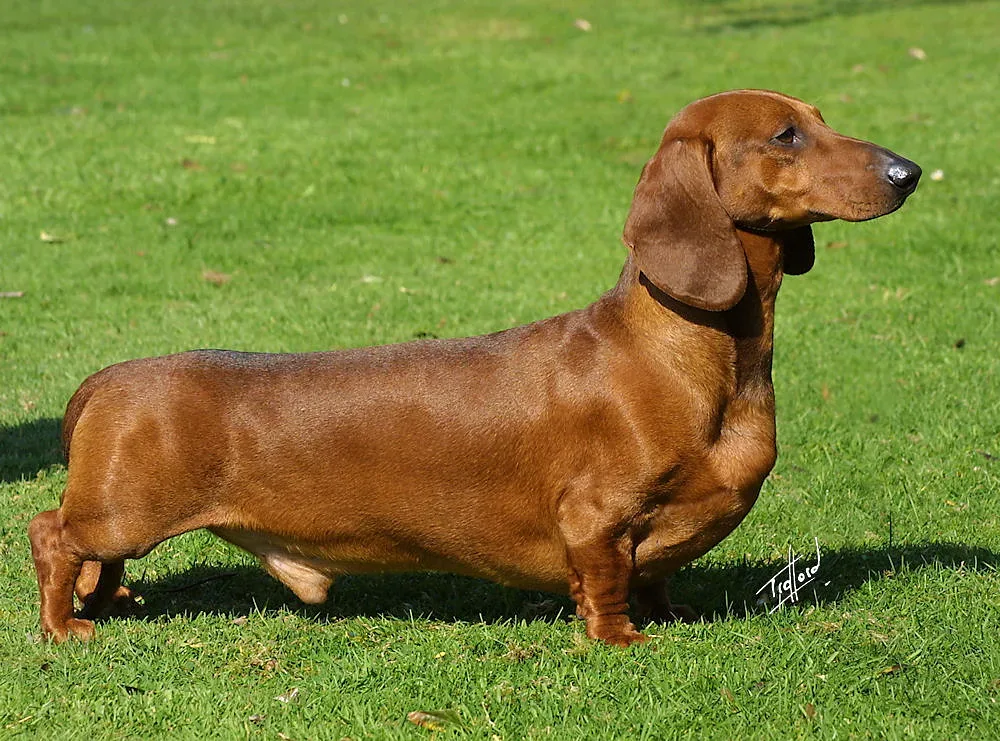
Dachshund
Dachshund cost starts with a modest purchase or adoption fee but is shaped most by the breed's back. Routine years run on food, grooming, and preventive vet care, while the real swing factor is whether a disc problem ever needs imaging or surgery. Budgeting for that possibility, not just the everyday total, is what separates a realistic plan from a surprise.
Acquisition, surgical desexing, initial vet series, and starter hardware.
Normalized baseline at ~$172/month routine cash burn.
Projected over a 14-year Dachshund lifespan.
$2,000 Liquid Reserve Mandate
Critical bufferThe breed's elongated spine creates a recurring, sometimes surgical, orthopaedic and neurologic cost risk that most other small dogs do not carry.
Source: MetLife True Cost of Pet Emergencies 2025 (15% of owners hit $3,000+; uninsured surgery $3,000–8,000)
Biometric & phenotypic actuarial spec
What a Dachshund costs, year by year
Cumulative spend across a 14-year life in today's dollars, with the same curve at 3% and 8% yearly inflation. Year 1 carries the acquisition and setup bill.
- Food & nutrition
- Vet & insurance
- Grooming & coat
- Setup & sundries
- - - - at 3% inflation: $37,324
- · · · at 8%: $52,030
Where the big bills land
Bars are routine one-off vet events (vaccine boosters, dental cleanings, bloodwork, spay/neuter). Diamonds are sourced condition treatments for this breed.
22nd percentile
40th percentile
Ranked against 265 other dog breeds in this directory.
View as a table
| Year | Spend | Cumulative | Routine vet events |
|---|---|---|---|
| 1 | $4,138 | $4,138 | $714 |
| 2 | $2,063 | $6,201 | $77 |
| 3 | $2,063 | $8,264 | $543 |
| 4 | $2,063 | $10,327 | $164 |
| 5 | $2,063 | $12,390 | $620 |
| 6 | $2,063 | $14,453 | $164 |
| 7 | $2,063 | $16,516 | $543 |
| 8 | $2,063 | $18,579 | $241 |
| 9 | $2,063 | $20,642 | $543 |
| 10 | $2,063 | $22,705 | $328 |
| 11 | $2,063 | $24,768 | $784 |
| 12 | $2,063 | $26,831 | $328 |
| 13 | $2,063 | $28,894 | $707 |
| 14 | $2,063 | $30,957 | $405 |
- Dental disease: about $600 once, from year 4 (Trupanion, Commonly Claimed Conditions: Dachshund (vet.trupanion.com/assets/pdf/commonly-claimed-conditions.pdf, form HF235-0619), 2019-06, medium confidence)
Annual Cash Burn Matrix ($2,063/yr)
Continuous operational expenditure distributed across 5 core maintenance categories, indexed to metabolic demand and regional clinical rates.
Food
Source: Derived: veterinary MER formula + mid-tier dry kibble price (2026-01)
Vet Care
Source: Modeled estimate, not a sourced figure. Category basis: ASPCA / AAHA routine wellness composite (annual exam, vaccines, parasite control) x size 0.92 x risk 1.1 (2026-01)
Grooming
Source: Modeled estimate, not a sourced figure. Category basis: Rover / PetSmart service menu, short-coat baseline (grooming rating 2) x coat 1 (2026-01)
Pet Insurance
Source: Derived: NAPHIA State of the Industry 2025 (2024 data), accident & illness dog average x size 0.9 x risk 1.18 (2026-01)
Supplies & Toys
Source: Derived: Synchrony Pet Lifetime of Care 2025 (toy replacement $50–150/yr) plus routine consumables x size 0.92 (2026-01)
Upfront Entry CapEx
Purchase / Adoption Fee ($900), Initial Vet Visit & Vaccinations ($607), Starter Supplies ($437), Training Classes ($260), First Year Food ($276), First Year Vet Care ($668), First Year Grooming ($195), First Year Insurance ($795).
Comprehensive Lifecycle Ledger
Audited financial breakdown distinguishing immediate first-year fixed capitalization from ongoing annualized operating liabilities over the full 12–16 yrs canine lifespan.
| Expenditure Category | Year 01 Outlay | Annual Steady-State | Lifetime Total | Actuarial Sizing Methodology |
|---|---|---|---|---|
| Purchase / Adoption Fee | $900 | — | $900 | Varies by breeder vs rescue |
| Initial Vet Visit & Vaccinations | $607 | — | $607 | Spay/neuter, microchip, health check |
| Starter Supplies | $437 | — | $437 | Bed, crate, collar, bowls, toys |
| Training Classes | $260 | — | $260 | Basic obedience recommended |
| First Year Food | $276 | — | $276 | — |
| First Year Vet Care | $668 | — | $668 | — |
| First Year Grooming | $195 | — | $195 | — |
| First Year Insurance | $795 | — | $795 | — |
| Food | — | $276 | $3,864 | — |
| Vet Care | — | $668 | $9,352 | — |
| Grooming | — | $195 | $2,730 | — |
| Pet Insurance | — | $795 | $11,130 | — |
| Supplies & Toys | — | $129 | $1,806 | — |
| Gross Actuarial Expenditure | $4,138 | $2,063 / yr | $30,957 | Unadjusted baseline |
Actuarial Health Risk Profile (Tier 4)
The breed's elongated spine creates a recurring, sometimes surgical, orthopaedic and neurologic cost risk that most other small dogs do not carry.
Intervertebral Disc Disease
The long back and short legs put repeated strain on spinal discs, and a slipped or ruptured disc can mean emergency imaging and surgery.
- Typical treatment cost (one-time)
- $600–$3,700
medium confidence · Trupanion, Commonly Claimed Conditions: Dachshund, 2019-06
Obesity
Extra weight loads the spine directly, so keeping a Dachshund lean is a cost-control measure as much as a health one.
Progressive Retinal Atrophy
An inherited, gradual loss of vision that may prompt ophthalmology referrals and screening costs even without a cure to pay for.
Dental disease
The breed's crowded jaw and small mouth make periodontal disease common, driving recurring cleanings and the occasional extraction.
- Typical treatment cost (one-time)
- $500–$700
Typically appears around age 3
medium confidence · Trupanion, Commonly Claimed Conditions: Dachshund, 2019-06
Costs are typical for the condition in general, not specific to the Dachshund. See the Dachshund cost timeline
What Truly Drives the Dachshund’s Financial Profile
About the Dachshund and its cost
Dachshund cost reflects a small dog with an outsized personality and a distinctive build. Bred to hunt badgers underground, the breed is compact, muscular, and bold, coming in smooth, wirehaired, and longhaired coats and in standard or miniature sizes. Day to day, ownership costs resemble those of other small hounds: modest food volume, low grooming needs, and routine vaccines and checkups. What changes the math is the long spine, which raises the odds of a disc-related vet visit that a typical small breed would not face, so a realistic budget treats that risk as part of the baseline rather than a rare exception.
What drives Dachshund costs
The single biggest cost driver is the spine. Intervertebral disc disease can appear at any adult age and, when it does, imaging and decompression surgery are the most expensive single events a Dachshund owner is likely to face. Weight management matters directly because extra pounds increase spinal load, so food and portion control are cost decisions, not just health ones. Dental cleanings recur because of the breed's crowded mouth, and eye screening adds a smaller but steady line for owners who want to catch retinal atrophy early. Insurance underwriting for this breed usually treats back problems as a known consideration.
A spine that sets the budget
The Dachshund's long back and short legs are the reason for its biggest bill. Intervertebral disc disease ranges from about $600 for conservative management to $3,700 for surgery on this page's data, and an episode can arrive without warning. Keeping the dog lean is the single cheapest precaution, because every extra pound loads the spine directly. Ramps for couches and beds, and avoiding stair-jumping, are small purchases that lower the odds. Dental disease is the other recurring cost, with cleanings of $500 to $700 because of the crowded small jaw. The upside is a typical 14-year lifespan, one of the longest among popular breeds.
Dachshund first-year budget
The first year combines one-time setup costs with the first round of annual recurring expenses. One-time items, purchase or adoption fee, initial vet visits and vaccines, starter supplies, and basic training, come to $2,204. Layered on top, the first year of recurring costs, food, routine vet care, grooming, and insurance, adds $1,934. Together, total first-year Dachshund cost lands around $4,138. Owners who add pet insurance from day one shift more of the year's spending into a predictable premium rather than variable vet bills, which matters given this breed's back risk.
Dachshund yearly cost after year one
Once the one-time setup costs are behind you, ongoing Dachshund expenses settle into a steadier pattern. Food, routine vet visits, grooming, insurance, and everyday supplies together run about $2,063 per year, or roughly $172 a month when spread evenly. This steady-state figure assumes no major medical event; a disc-related emergency or extensive dental work would add to this baseline in whatever year it occurs, which is exactly what an emergency fund and insurance are meant to absorb.
Emergency fund for a Dachshund
Because intervertebral disc disease can strike with little warning and often requires diagnostic imaging plus surgery, a Dachshund-specific emergency fund should be sized for that scenario rather than a generic small-dog buffer. A reserve around $2,000 covers a single significant spinal event or a serious dental emergency without derailing other spending. Owners without insurance should treat this reserve as close to mandatory rather than optional, given how the breed's lifetime cost estimate of $30,957 already factors in the likelihood of at least one such event.
Cutting Dachshund costs
The most effective way to lower lifetime Dachshund cost is to reduce the odds and severity of a back injury, since that single risk factor moves the $30,957 estimate more than any other line item. Keeping the dog lean, limiting jumping, and catching dental disease early all work toward that goal indirectly. On the recurring side, comparing insurance premiums against a self-funded reserve, and choosing routine care providers with transparent pricing, can meaningfully shift the $2,063 yearly figure and the $172 monthly equivalent without cutting corners on care.
6 Prudent Ways to Cut Dachshund Costs
Insure before any back symptoms appear
Buy accident-and-illness coverage while the dog is young and asymptomatic, since any hint of back pain becomes a pre-existing exclusion afterward. Compare policies specifically for how they handle intervertebral disc disease claims.
Keep weight in the lean range
Every extra pound adds load to a spine that is already working at a mechanical disadvantage. Measure food rather than free-feeding, and recheck body condition at every vet visit.
Limit jumping and stair use early
Ramps, steps for furniture, and carrying the dog up and down stairs reduce the repetitive strain linked to disc injury. This habit costs little now and can avoid the most expensive vet bill this breed faces.
Book routine dental cleanings on schedule
Staying ahead of tartar buildup avoids the jump from a routine cleaning to a cleaning-plus-extractions bill. Home brushing between visits stretches the interval between professional cleanings.
Ask about breed-specific wellness plans
Some vet practices and insurers offer wellness add-ons that bundle exams, dental care, and screening at a predictable rate. Comparing a bundled plan against paying per visit can reveal real savings over a year.
Don't assume miniature dachshunds cost less
Miniature dachshund demand often keeps puppy prices level with, or above, the standard size, so size alone is not a reliable way to shop for a lower purchase price. Focus instead on breeder health testing, since the miniature's smaller frame does not reduce its odds of disc disease.
Peer Class Financial Comparisons
How the Dachshund compares to morphological peers on annualized ownership cost.
Dachshund
Frequently Asked Financial Questions
How much does a dachshund cost per month?
Is a dachshund expensive to own?
What are the yearly costs of owning a dachshund?
How much are dachshund vet bills?
Do dachshunds need pet insurance?
How much is a dachshund puppy?
What is the lifetime cost of owning a dachshund?
How much does dachshund grooming cost?
Is a miniature dachshund cheaper than a standard dachshund?
Do Dachshunds need pet insurance?
How can I reduce the risk of Dachshund back problems?
Related reading
Data sources
- Dachshund Breed Standard — American Kennel Club (akc.org)
- Intervertebral Disk Disease in Dogs — VCA Animal Hospitals (vcahospitals.com)
- Dachshund — Wikipedia (en.wikipedia.org)
Calculate Your Dachshund Cost Adjusted by Metro ZIP Code
Veterinary surgical tariffs and clinical room rates vary widely between metropolitan regions and rural counties. Recalculate this dossier with your exact state, city, and lifestyle parameters.