
American Shorthair Cost & Ownership Dossier
American Shorthair cat cost is one of the more affordable pedigreed profiles, at $2,222 for the kitten, initial vetting, and gear. Ongoing spend runs near $76 in a healthy year thanks to low grooming needs and general hardiness. Because this breed often lives close to two decades, total spend across its life reaches $16,814.
Executive cost summary
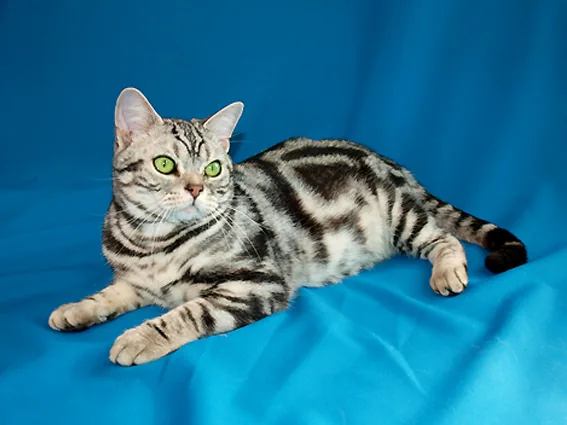
American Shorthair
American Shorthair cat cost is one of the more affordable pedigreed profiles, at $2,222 for the kitten, initial vetting, and gear. Ongoing spend runs near $76 in a healthy year thanks to low grooming needs and general hardiness. Because this breed often lives close to two decades, total spend across its life reaches $16,814.
Acquisition, surgical desexing, initial vet series, and starter hardware.
Normalized baseline at ~$76/month routine cash burn.
Projected over a 17-year American Shorthair lifespan.
$2,000 Liquid Reserve Mandate
Critical bufferA documented but manageable hypertrophic cardiomyopathy risk is offset by an otherwise exceptionally hardy, long-lived breed with no orthopedic or respiratory predisposition, placing it below average overall.
Source: MetLife True Cost of Pet Emergencies 2025 (15% of owners hit $3,000+; uninsured surgery $3,000–8,000)
Biometric & phenotypic actuarial spec
Annual Cash Burn Matrix ($912/yr)
Continuous operational expenditure distributed across 5 core maintenance categories, indexed to metabolic demand and regional clinical rates.
Food
Vet Care
Grooming
Pet Insurance
Supplies & Toys
Upfront Entry CapEx
Purchase / Adoption Fee ($800), Initial Vet Visit & Vaccinations ($300), Starter Supplies ($260), Litter & Behavior Basics ($40), First Year Food ($237), First Year Vet Care ($247), First Year Grooming ($24), First Year Insurance ($314).
Comprehensive Lifecycle Ledger
Audited financial breakdown distinguishing immediate first-year fixed capitalization from ongoing annualized operating liabilities over the full 15–20 yrs feline lifespan.
| Expenditure Category | Year 01 Outlay | Annual Steady-State | Lifetime Total | Actuarial Sizing Methodology |
|---|---|---|---|---|
| Purchase / Adoption Fee | $800 | — | $800 | Varies by breeder vs rescue |
| Initial Vet Visit & Vaccinations | $300 | — | $300 | Spay/neuter, microchip, health check |
| Starter Supplies | $260 | — | $260 | Litter box, scratching post, carrier, bowls |
| Litter & Behavior Basics | $40 | — | $40 | Litter box training, scratching post basics |
| First Year Food | $237 | — | $237 | — |
| First Year Vet Care | $247 | — | $247 | — |
| First Year Grooming | $24 | — | $24 | — |
| First Year Insurance | $314 | — | $314 | — |
| Food | — | $237 | $4,029 | — |
| Vet Care | — | $247 | $4,199 | — |
| Grooming | — | $24 | $408 | — |
| Pet Insurance | — | $314 | $5,338 | — |
| Supplies & Toys | — | $90 | $1,530 | — |
| Gross Actuarial Expenditure | $2,222 | $912 / yr | $16,814 | Unadjusted baseline |
Actuarial Health Risk Profile (Tier 2)
A documented but manageable hypertrophic cardiomyopathy risk is offset by an otherwise exceptionally hardy, long-lived breed with no orthopedic or respiratory predisposition, placing it below average overall.
Hypertrophic Cardiomyopathy
A thickening of the heart's left ventricle wall that can go unnoticed until an ultrasound is done; the breed carries a documented predisposition worth periodic cardiac screening.
Obesity
A sturdy build and easygoing temperament make this breed prone to weight gain, which compounds joint and metabolic costs over its unusually long lifespan.
Periodontal Disease
Standard-rate dental buildup affects this breed like most domestic cats, needing periodic professional cleanings across its long life.
What Truly Drives the American Shorthair’s Financial Profile
About the American Shorthair and its cost
American Shorthair cat cost benefits from a breed built for practicality: descended from working cats brought to North America for pest control, it retains a sturdy frame, dense low-maintenance coat, and an easygoing temperament that needs little specialized handling. The short coat keeps grooming spend near zero, and the breed's exceptionally long typical lifespan, often approaching twenty years, means the initial acquisition cost gets spread across more years of ownership than almost any other cat on this list. Kitten price sits mid-range for a recognized pedigree, reflecting steady but not exclusive popularity.
What drives American Shorthair costs
This breed's main documented health concern is hypertrophic cardiomyopathy, a thickening of the heart muscle that can be silent for years before showing up on an ultrasound, making periodic cardiac screening a worthwhile recurring vet expense rather than a one-time cost. The breed's sturdy, food-motivated build also makes weight gain common, and extra pounds add both joint strain and metabolic risk over such a long lifespan. Otherwise, the American Shorthair carries none of the orthopedic or respiratory predispositions that raise costs in many other pedigreed breeds, keeping its overall vet budget closer to a healthy domestic shorthair than to a high-maintenance show breed.
American Shorthair first-year budget
$800 secures the kitten from a breeder who screens for cardiac disease, and $300 covers vaccines, spay or neuter, microchip, and a baseline exam. $260 furnishes a litter box, scratching post, and bedding, while $40 covers a puzzle-feeder starter kit to keep this easygoing but food-motivated breed active. Recurring costs stay modest: $237 for a sturdy, medium-sized cat, $247 for early wellness visits, $24 for occasional brushing during shedding season, and $314 if enrolled now. One-time costs total $1,400, recurring costs $822, for a first-year total of $2,222.
American Shorthair yearly cost after year one
Steady-state ownership runs near $912 a year, or about $76 monthly. $237 stays moderate provided portions are measured to prevent weight gain in this food-motivated breed. $314 is worth keeping given the cardiomyopathy risk. $247 covers an annual exam plus periodic cardiac screening as the cat ages. $24 stays minimal thanks to the short coat, needing only seasonal brushing. $90 replaces scratching posts and toys over the course of a typically very long life.
Emergency fund for an American Shorthair
Keep $2,000 on hand for this breed's realistic risks. Hypertrophic cardiomyopathy is the main concern: an undetected case can progress to congestive heart failure or a sudden clot, both requiring emergency hospitalization. Because the disease often stays silent until advanced, this fund matters even in a cat that seems perfectly healthy. Obesity-related complications, such as diabetes, are a second, more gradual risk. Given how long this breed typically lives, maintaining this reserve across two decades protects the $16,814 budget from a single cardiac emergency.
Cutting American Shorthair costs
Buying from a breeder who screens for hypertrophic cardiomyopathy is the single highest-leverage saving, since avoiding the disease beats managing it for years. Weight control through portioned meals protects against the joint and metabolic costs of obesity across this breed's unusually long life. Because grooming needs are already minimal, there is little to trim there. Spreading the emergency fund contribution and insurance premium across a near-two-decade lifespan, rather than assuming a shorter ownership window, keeps the $16,814 total realistic and manageable.
5 Prudent Ways to Cut American Shorthair Costs
Schedule periodic cardiac screening
An ultrasound every few years, more often if a vet hears a murmur, catches hypertrophic cardiomyopathy before it progresses to heart failure. Early detection allows medication that can slow the disease, avoiding a costlier emergency down the line.
Portion meals from kittenhood
This breed's calm temperament and steady appetite make weight gain easy to overlook. Measured feeding rather than free-feeding protects against the vet costs tied to feline obesity across two decades of ownership.
Buy from a breeder who screens for HCM
Ask whether breeding cats have had a cardiac ultrasound or genetic marker testing where available. A screened lineage reduces the odds of the breed's single most consequential health risk.
Plan for a longer insurance horizon
Because this breed often lives close to twenty years, total premiums paid over its life are higher than for a shorter-lived cat even at the same monthly rate. Compare lifetime premium cost against the odds of a cardiac claim when deciding on coverage.
Brush teeth a few times weekly
Given the long lifespan, dental disease has more years to progress than in a shorter-lived breed. Regular home brushing delays the first professional cleaning and reduces the number needed over the cat's life.
Peer Class Financial Comparisons
How the American Shorthair compares to morphological peers on annualized ownership cost.
American Shorthair
Frequently Asked Financial Questions
How much does an American Shorthair cat cost per month?
Is an American Shorthair cat expensive to own?
What is the average price of an American Shorthair kitten?
What are the yearly costs of owning an American Shorthair cat?
Do American Shorthair cats need pet insurance?
Are American Shorthair cats prone to health problems?
How long do American Shorthair cats live?
How much does an American Shorthair cost over its lifetime?
Data sources
- American Shorthair — Wikipedia (en.wikipedia.org)
- Cardiomyopathy in Cats — Merck Veterinary Manual (merckvetmanual.com)
- Cutting Pet Care Costs — ASPCA (aspca.org)
Calculate Your American Shorthair Cost Adjusted by Metro ZIP Code
Veterinary surgical tariffs and clinical room rates vary widely between metropolitan regions and rural counties. Recalculate this dossier with your exact state, city, and lifestyle parameters.